


Close Menu
Healthtost
  • News
  • Mental Health
  • Men’s Health
  • Women’s Health
  • Skin Care
  • Sexual Health
  • Pregnancy
  • Nutrition
  • Fitness
  • Recommended Essentials
What's Hot

What to Eat During Weeks 2-4 on GLP-1: Simple Protein Plan | glp-1, weight loss, medical weight loss and more

January 13, 2026

Research finds persistent prescribing of dangerous drugs in elderly with dementia

January 13, 2026

Ways Omega-3s Benefit Women Specifically

January 13, 2026
Facebook X (Twitter) Instagram
  • About Us
  • Contact Us
  • Privacy Policy
  • Terms and Conditions
  • Disclaimer
Facebook X (Twitter) Instagram
Healthtost
SUBSCRIBE
  • News

    Research finds persistent prescribing of dangerous drugs in elderly with dementia

    January 13, 2026

    Why adherence determines weight loss success with semaglutide

    January 12, 2026

    Ultrasound-responsive nanocollectors enable precise in situ tumor antigen capture

    January 12, 2026

    Earthworm-based composting offers a low-energy solution to antibiotic resistance

    January 11, 2026

    Health action needed as environmental reservoirs fuel drug-resistant infections

    January 11, 2026
  • Mental Health

    How to apply for a fully funded PhD in the UK

    January 8, 2026

    9 Secrets on How to Stop Procrastinating

    January 6, 2026

    Setting boundaries for self-care in 2026

    January 4, 2026

    In a world of digital money, what is the proper etiquette for splitting the bill with friends?

    January 1, 2026

    Rest is essential during the holidays, but it can mean getting active, not crashing on the couch

    December 26, 2025
  • Men’s Health

    Glucose stability in diabetes is enhanced by natural daylight

    January 10, 2026

    I reconcile my father’s anger and mine: some hills don’t deserve to die

    January 10, 2026

    How to get enough sunlight in winter

    January 9, 2026

    Can physical activity and exercise help my depression?

    January 7, 2026

    25 minute full body Kettlebell workout for strength and fat loss

    January 5, 2026
  • Women’s Health

    Ways Omega-3s Benefit Women Specifically

    January 13, 2026

    Questions and answers about living with nasal polyps

    January 12, 2026

    Body Fat Percentage for Abs in Women: Is It Realistic for You?

    January 11, 2026

    looking back at 2025 and my goals for 2026

    January 11, 2026

    Benefits, uses and how it works

    January 10, 2026
  • Skin Care

    Postnatal massage: Benefits, timing and what to book

    January 13, 2026

    Prepare your lips for the cold with TNW Lip Balm – The Natural Wash

    January 12, 2026

    Your Oily Skin Guide – Tropic Skincare

    January 11, 2026

    Renée’s 2024 Year in Review and What to Expect in 2025

    January 9, 2026

    How Vitamin C Serums Inactivate Peptides – OUMERE

    January 8, 2026
  • Sexual Health

    Relationship diversity, conflict, and why it matters for sex counselor certification — Sexual Health Alliance

    January 12, 2026

    The love language of your nervous system

    January 9, 2026

    Tadalafil 20mg Read a full review that will change your view on ED treatment

    January 7, 2026

    Rewire News Group 2025 Wrapped: Our Favorite Stories

    January 6, 2026

    Protecting access to contraceptives amid COVID-19. don’t let the past divert us from meeting present needs < SRHM

    January 6, 2026
  • Pregnancy

    Which vitamins and minerals are important to consume during pregnancy?

    January 12, 2026

    Supporting emotional development in our children and ourselves – Podcast Ep 194

    January 11, 2026

    Empowered Twin Homebirth VBAC after Unmedicated Hospital Birth and C-Section

    January 10, 2026

    Winter skin care during pregnancy: Safe barrier protection

    January 8, 2026

    12 solid strategies that really help

    January 6, 2026
  • Nutrition

    What to Eat During Weeks 2-4 on GLP-1: Simple Protein Plan | glp-1, weight loss, medical weight loss and more

    January 13, 2026

    Embracing the Heart-Guided Life Amidst Divisive Influences

    January 12, 2026

    TikTok’s Viral Cranberry Recipes for Winter

    January 11, 2026

    What changed and why flexibility works for me • Kath Eats

    January 11, 2026

    Is surgery necessary to reverse diabetes?

    January 10, 2026
  • Fitness

    Inside the OPEX Method Week 9: Content, Social Media and Sales for Fitness Coaches

    January 12, 2026

    Stay in shape during the holidays

    January 11, 2026

    Can Pilates and Strength Training Go Together for Midlife Women?

    January 11, 2026

    Ben Greenfield Weekly Update: January 2nd

    January 10, 2026

    Preparing clients for success in the new year

    January 10, 2026
  • Recommended Essentials
Healthtost
Home»Skin Care»5 easy ways to choose a safe self-tanner
Skin Care

5 easy ways to choose a safe self-tanner

healthtostBy healthtostJuly 30, 2024No Comments7 Mins Read
Facebook Twitter Pinterest LinkedIn Tumblr Reddit WhatsApp Email
5 Easy Ways To Choose A Safe Self Tanner
Share
Facebook Twitter LinkedIn Pinterest WhatsApp Email

It’s not hard to choose a safe self-tanner, right?

Just go to the store and choose what suits you.

That’s what we all believed until recently. There is some information online that suggests these products may not be as safe as we thought.

Should we be worried? We decided to look it up.

Safe Self Tanning: What is DHA?

Dihydroxyacetone (DHA) is the active ingredient in sunless tanning products that causes a brownish pigmentation on the skin. Chemically speaking, it is a sugar, usually derived from beets and sugarcane. Currently, DHA is the only ingredient approved by the FDA for use in tanning lotions.

How does DHA work?

When you apply tanning lotion to the skin, the DHA in the solution sticks to the dead cells in the surface layer. It then reacts with amino acids in the skin to form pigment products called melanoidins.

This reaction is called the Maillard reaction, which is also responsible for browning the crust of most breads. Amino acids and sugars react to create melanoids and brown compounds result.

Photo Armin Rimoldi via Pexels.

Safe Self Tanner: Is DHA Safe to Use?

The FDA have deemed DHA safe for topical use, but have limited it to external application. The dispensation warns against applying it to the lips or any part of the body covered by mucous membranes.

In other words, the FDA has not approved DHA for ingestion or inhalation. Nor has the FDA approved DHA for spray or mist tanning because of the risk of inhaling it or getting it in your nose and mouth. DHA is also not approved for use near the eye area.

So as long as you limit your use of sunless tanners to topical applications, you should be fine, right?

The study raises questions about the safety of DHA

There is some evidence that DHA can create harmful free radicals. In a 2017 studyFor example, the researchers observed that a DHA “persona” in cells “can induce advanced glycation end products (AGEs) and oxidative stress.” This means that too much DHA in skin cells can create free radicals and AGE products, which over time can accelerate premature aging.

The researchers took this a step further and showed that when human melanoma (skin cancer) cells were exposed to DHA, these cells were sensitive to it and showed a burst of free radical formation within an hour. Could this suggest that exposure to DHA has toxic effects on skin cells?

One previous study showed similar results. Scientists investigated the effect of DHA on cells in the laboratory. They found that DHA damaged cells and damaged DNA. Their findings, they suggested, “raise a question about the long-term clinical consequences of treating the skin with this widely used compound.”

Lucas Anthony, MD, a board-certified dermatologist based in Boca Raton, Florida, said Consumer Reports that DHA has been shown to cause an increase in free radicals in the skin.

“This can contribute to skin aging as free radicals break down collagen and elastin in the skin, which leads to wrinkles and skin aging.”

He went on to say, however, that the effect of aging is unlikely to be pronounced. DHA mainly reacts with the upper layers of the skin, which contain dead skin cells. It is in the deeper layers of the skin where we are most concerned about excess free radicals damaging collagen and elastin.

We need more studies to sort this out. So far, most have been done in the lab — not on actual human beings. But the results suggest caution is needed moving forward.
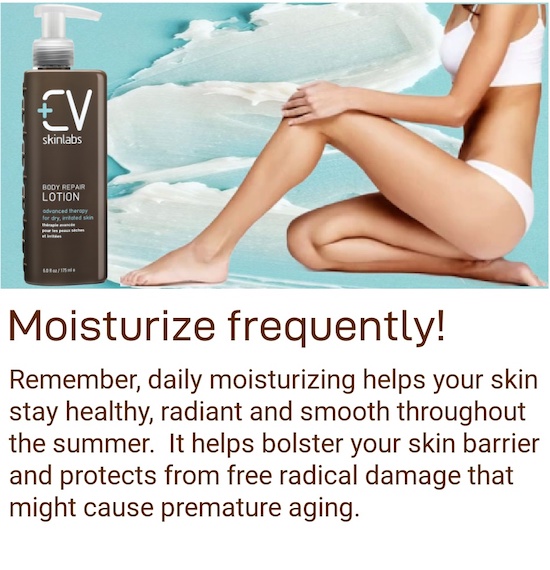
Safe Self-Tanner Moisturize

Safe Self Tanner: How to Be Safe When Using Sunless Tanner

To ensure you enjoy a safe summer tan, follow these recommendations.

1. Avoid mucous membranes

DHA should not be applied near the eyes, lips or nose. May be dangerous if inhaled or swallowed. This means you have to be extra careful with spray and mist tanners. It may be safer to avoid them altogether and stick to lotions, gels and drops.

If you use a spray or mist, be sure to protect your eyes, nose, and mouth. If you get a spray tan, wear a mask if you can. Pregnant women and people with asthma should be especially careful.

2. Read the Labels

DHA isn’t the only ingredient to watch out for in self-tanning products. Some also contain toxic ingredients such as parabens, sulfates and artificial fragrances. Look for “clean” products that use only safe ingredients. If you have sensitive skin or allergies, use only the natural DHA and fragrance-free options.

3. Perform a Patch Test

It’s always best to do a patch test on a small area of ​​skin whenever you try a new self-tanner of any kind. You want to make sure you are not sensitive or allergic to it before applying it all over your body. If you have reactive skin or an allergy to DHA—the active ingredient in most self-tanning products—you’ll likely see a red, itchy rash and should avoid self-tanning.

4. Use sunscreen

Many people are under the mistaken impression that because a fake tan makes the skin darker, it somehow gives the skin increased resistance to the sun’s harmful UV rays.

The opposite is actually true. In a 2008 study, scientists discovered that the reaction DHA creates in the skin created free radicals upon UV radiation. In other words, exposure to the sun caused the formation of free radicals. The scientists found that in DHA-treated skin, over 180 percent more radicals were created during sun exposure compared to untreated skin.

This means that after using self-tanner, it is even more important for protecting your skin from the sun. Use a safe sunscreen with SPF 30 or higher.

5. Take good care of your skin before and after tanning

Daily skin care can increase the chances of your skin staying healthy, glowing and smooth all summer long. It also increases your skin’s resistance to damage. Plus, hydrated skin helps self-tanners perform better and keep their tan longer than dry, thirsty skin.

Cleanse, tone and moisturize regularly with chemical-free, ph-balanced, breathable moisturizers like Calming Moisture and Body Repair Lotion. They will hydrate, nourish and replenish the skin while strengthening and protecting the skin barrier. It’s also important to protect from the sun and nourish your skin from the inside out with healthy foods and plenty of water.

Experts advise waiting to apply moisturizers right after your spray tan or self-tanner until after your first shower, but you should start moisturizing after that. Moisturizing after self-tan helps maintain that radiant glow and prevents skin from free radical damage that leads to skin aging.

Aloe-based Rescue & Relief Spray provides soothing moisture and helps balance skin from head to toe.

Self-tanners remain the safest option

Many of us have turned to self-tanners to avoid the potential danger of tanning our skin in the sun or in a tanning booth. From what we know so far, self-tanners are safer than tanning beds and excessive sun exposure. (Solarium are the most dangerous when it comes to damaging the skin as they emit more UVA light than natural sunlight.)

However, it may be wise to take some precautions, such as those listed above. You may also want to give your skin a break every now and then. Maybe during the winter when you wear more clothes, you can hold off on using self tan until the warmer months come.

How do you choose a safe self-tanner?

Featured image by Armin Rimoldi via Pexels.

choose Easy safe selftanner ways
bhanuprakash.cg
healthtost
  • Website

Related Posts

Ways Omega-3s Benefit Women Specifically

January 13, 2026

Postnatal massage: Benefits, timing and what to book

January 13, 2026

Prepare your lips for the cold with TNW Lip Balm – The Natural Wash

January 12, 2026

Leave A Reply Cancel Reply

Don't Miss
Nutrition

What to Eat During Weeks 2-4 on GLP-1: Simple Protein Plan | glp-1, weight loss, medical weight loss and more

By healthtostJanuary 13, 20260

Last updated: January 2026 Short answer: During weeks 2-4 on a GLP-1 journey, many people…

Research finds persistent prescribing of dangerous drugs in elderly with dementia

January 13, 2026

Ways Omega-3s Benefit Women Specifically

January 13, 2026

Postnatal massage: Benefits, timing and what to book

January 13, 2026
Stay In Touch
  • Facebook
  • Twitter
  • Pinterest
  • Instagram
  • YouTube
  • Vimeo
TAGS
Baby benefits body brain cancer care Day Diet disease exercise finds Fitness food Guide health healthy heart Improve Life Loss Men mental Natural Nutrition Patients People Pregnancy protein research reveals risk routine sex sexual Skin study Therapy Tips Top Training Treatment ways weight women Workout
About Us
About Us

Welcome to HealthTost, your trusted source for breaking health news, expert insights, and wellness inspiration. At HealthTost, we are committed to delivering accurate, timely, and empowering information to help you make informed decisions about your health and well-being.

Latest Articles

What to Eat During Weeks 2-4 on GLP-1: Simple Protein Plan | glp-1, weight loss, medical weight loss and more

January 13, 2026

Research finds persistent prescribing of dangerous drugs in elderly with dementia

January 13, 2026

Ways Omega-3s Benefit Women Specifically

January 13, 2026
New Comments
    Facebook X (Twitter) Instagram Pinterest
    • About Us
    • Contact Us
    • Privacy Policy
    • Terms and Conditions
    • Disclaimer
    © 2026 HealthTost. All Rights Reserved.

    Type above and press Enter to search. Press Esc to cancel.