

Close Menu
Healthtost
  • News
  • Mental Health
  • Men’s Health
  • Women’s Health
  • Skin Care
  • Sexual Health
  • Pregnancy
  • Nutrition
  • Fitness
  • Recommended Essentials
What's Hot

How sugar affects your microbes

February 10, 2026

The health benefits of walking at any age

February 10, 2026

‘Partial reprogramming’ of engram neurons restores memory performance in mice

February 10, 2026
Facebook X (Twitter) Instagram
  • About Us
  • Contact Us
  • Privacy Policy
  • Terms and Conditions
  • Disclaimer
Facebook X (Twitter) Instagram
Healthtost
SUBSCRIBE
  • News

    ‘Partial reprogramming’ of engram neurons restores memory performance in mice

    February 10, 2026

    SPT Labtech and Bellbrook Labs Introduce High-Throughput Screening Platform for Cancer Research

    February 10, 2026

    The nervous system actively promotes precancerous lesions of the pancreas

    February 9, 2026

    UK Ambulance Intensive Care Expands But Unequal Access Still Limits Life-Saving Treatment

    February 9, 2026

    New neuroprotective drug improves recovery after acute ischemic stroke

    February 8, 2026
  • Mental Health

    Advancing the Future of Behavioral Health Data Exchange

    February 7, 2026

    How to avoid watching disturbing videos on social media and protect your peace of mind

    February 6, 2026

    Mental Health in the Black Community: Addressing…

    February 3, 2026

    Some people gain confidence when they think things through, others lose it – new research

    February 2, 2026

    3 practical ways to improve a writer’s mental health

    January 31, 2026
  • Men’s Health

    Air conditioning in nursing homes reduces heat-related risk

    February 6, 2026

    Analysis: What it’s like to have non-verbal autism and what helped me

    February 5, 2026

    Testicular cancer self-examination and why it could save your life

    February 2, 2026

    25-Minute Bodyweight Functional Training Program for Beginners

    February 1, 2026

    Turning everyday eggs into powerful nutrient delivery systems

    January 30, 2026
  • Women’s Health

    Perimenopause symptoms to watch out for in your 30s and 40s

    February 9, 2026

    Breast reduction surgery saved my life

    February 9, 2026

    2.6 Friday Faves – The Fitnessista

    February 7, 2026

    Enjoying Endorphins: How to Spoil Your Mood with Feel-Good Hormones

    February 5, 2026

    A critical maternal health data system is at risk

    February 5, 2026
  • Skin Care

    5 Signs Your Skin Needs a Drink (And What to Do About It)

    February 10, 2026

    Fraxel Laser in Philadelphia | About Facial Aesthetics

    February 10, 2026

    Complete serum that works: The nighttime routine for real results

    February 8, 2026

    How to avoid shaving irritation: 7 myths that keep your skin angry

    February 7, 2026

    TNW Rich Cream for Soft, Smooth Skin – The natural wash

    February 7, 2026
  • Sexual Health

    Australia is closer to ending cervical cancer

    February 9, 2026

    Adventurous intimacy is more common than you think — Alliance for Sexual Health

    February 5, 2026

    A guide to a comfortable cervical check with Dr. Unsworth

    February 1, 2026

    How “Bridgerton” and the Other Romances Evolved in Their Depictions of Consent

    January 30, 2026

    Extraction, gold mining and SRHR in Kenya

    January 29, 2026
  • Pregnancy

    18 places to get free baby products, samples and gear in 2026

    February 8, 2026

    Pregnant on Chhath Puja? Hydration and nutrition tips

    February 6, 2026

    The second trimester sweet spot is real. Here’s how to get the most out of it

    February 4, 2026

    Is it safe to drink milk during pregnancy? What to know

    January 31, 2026

    12 Expert Answers to Your Pregnancy Yoga Questions

    January 29, 2026
  • Nutrition

    How sugar affects your microbes

    February 10, 2026

    Stress and weight in midlife

    February 9, 2026

    Nutrient Loss in Modern Cooking: How Frying, Microwaving and Overcooking Deplete Vitamins

    February 9, 2026

    Intuitive Eating 101: It’s More Than ‘Eating When You’re Hungry’

    February 8, 2026

    The gut is not a tube

    February 8, 2026
  • Fitness

    The health benefits of walking at any age

    February 10, 2026

    The Orthopedic suggested cardio exercises that are easy on your joints

    February 8, 2026

    The Best Travel Products for Women Over 50 (Comfort and Convenience)

    February 8, 2026

    Ben Greenfield Weekly Update: January 30th

    February 7, 2026

    Smart Shoulder Solutions: An Evidence-based Approach

    February 7, 2026
  • Recommended Essentials
Healthtost
Home»Men's Health»Why potatoes and cereals cannot replace each other in a healthy diet
Men's Health

Why potatoes and cereals cannot replace each other in a healthy diet

healthtostBy healthtostDecember 1, 2025No Comments5 Mins Read
Facebook Twitter Pinterest LinkedIn Tumblr Reddit WhatsApp Email
Why Potatoes And Cereals Cannot Replace Each Other In A
Share
Facebook Twitter LinkedIn Pinterest WhatsApp Email

Researchers have shown that white potatoes provide vital nutrients that Americans lack, yet swapping them for whole grains causes significant losses in iron, folate and other key nutrients, reshaping our understanding of “healthy carbs.”

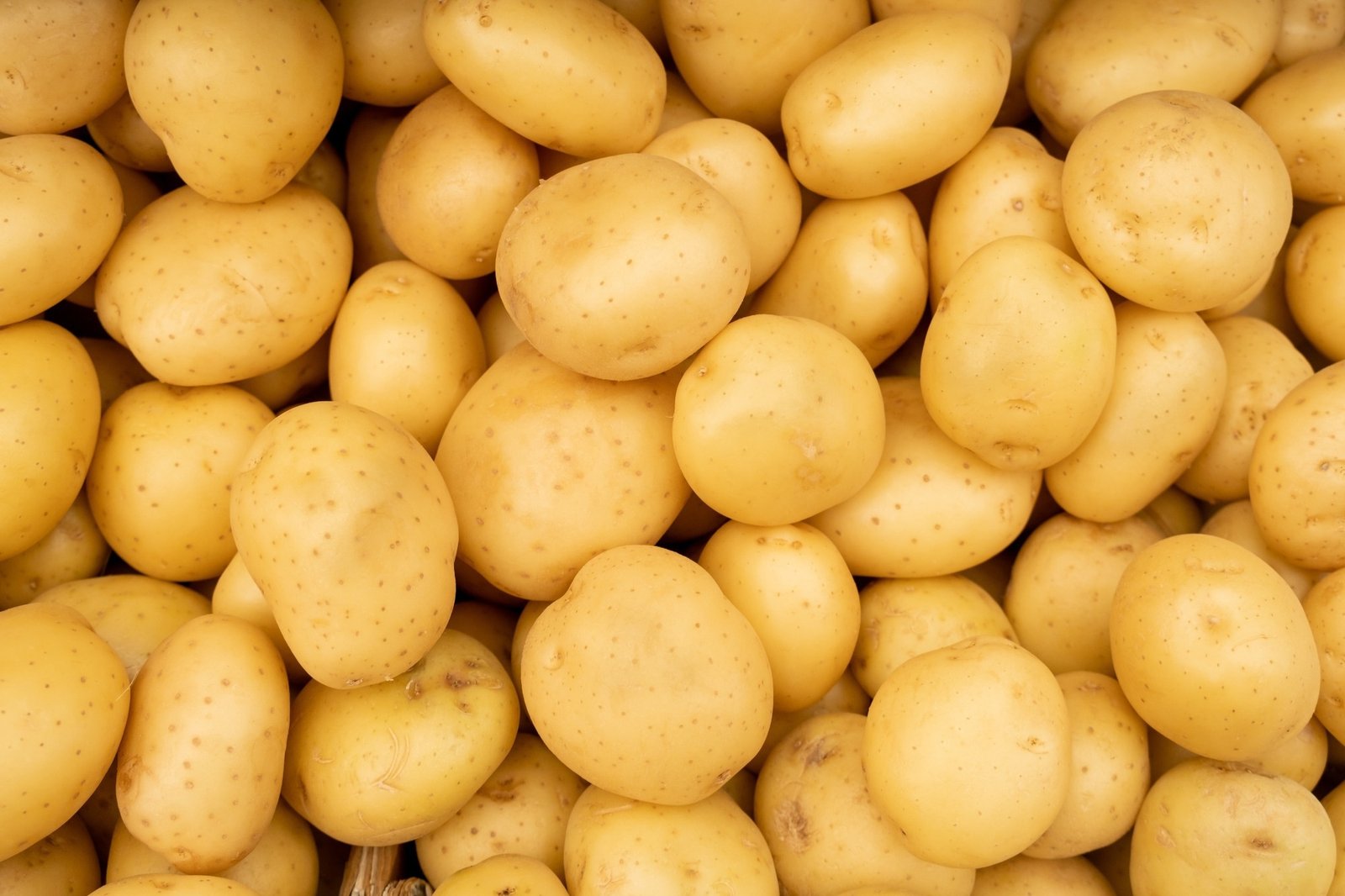
Study: Evaluating the unique nutritional contribution of the white potato to the diet and the nutritional implications of replacing refined and whole grains with starchy vegetables. Image credit: Lerner Vadim/Shutterstock.com

In a recent study published in Frontiers in Nutritionresearchers investigated the contribution of starchy vegetables such as white potatoes to nutrient intake in the United States, particularly compared to whole and refined grains.

White potatoes provide significant potassium, fiber and several vitamins, and starchy vegetables provide much more potassium and vitamin C than grains. However, replacing grains with starchy vegetables reduces intake of iron, folate, calcium and several B vitamins.

Why potatoes matter in Americans’ nutrient intake

Potatoes are naturally nutrient-dense, providing complex carbohydrates, potassium, fiber, protein and essential vitamins such as B6 and C. A medium potato contributes significant amounts of fiber and potassium, two nutrients that many Americans are deficient in.

Despite their nutrient density and popularity, overall consumption of vegetables and starchy vegetables remains below recommended levels, even though potatoes have been associated with better overall diet quality and show no harm in relation to chronic disease risk in observational and clinical research.

Recently, the Dietary Guidelines Advisory Committee (DGAC) reexamined the roles of vegetables and “carbohydrate staples,” including whether grains and starchy vegetables could be considered interchangeable.

The proposed pattern eventually reduced recommendations for starchy vegetables to expand legume servings. However, reducing the intake of a widely consumed, nutrient-dense, and already under-consumed subgroup may adversely affect nutrient adequacy.

Diet modeling to compare cereals and potatoes

This study modeled the dietary comparison of white potatoes and other starchy vegetables with refined and whole grains and examined how dietary patterns would change if these foods were substituted.

The researchers focused on women ages 19 to 30 and men ages 51 and older to reflect the 2,000-calorie Healthy American Style (HUSS) dietary pattern, using DGAC modeling methods and United States Department of Agriculture (USDA) data sets.

Their objectives were to determine how grains and starchy vegetables contribute to nutrient intake relative to HUSS recommendations. They also compared the nutritional profiles of whole grains, refined grains, white potatoes and other starchy vegetables. Finally, they assessed how nutrient intake changes when grain intake is reduced and starchy vegetable intake is increased, including scenarios where both grain subgroups are reduced simultaneously.

Nutrient values ​​for the proxy were weighted by the proportion each food contributes to its subgroup, and cup or ounce equivalents were converted to grams. For white potatoes and other starchy vegetables, subgroup percentages were recalculated to reflect their internal composition.

The contribution of nutrients to both recommended and current dietary patterns was calculated by combining subgroup nutrient content with weighted dietary intake profiles. The replacement scenarios simulated incremental decreases in grains and increases in starchy vegetables to assess the impact of these changes on the percentage of nutrient recommendations met.

Potatoes increase key nutrients but decrease others

Recommended daily servings of white potatoes provided remarkable proportions of key nutrients: 11% of daily potassium, about 10% of vitamin B6 and copper, and at least 5% of fiber, magnesium, vitamin C, thiamin, and niacin, while contributing only 5% of daily calories.

The potassium content of white potatoes was significantly higher than that of whole grains and more than three times that of refined grains. However, whole grains provided much more fiber than starchy vegetables.

Current intake patterns showed overconsumption of refined grains and underconsumption of whole grains and white potatoes, while intake of other starchy vegetables nearly met recommendations.

Comparing nutrient profiles revealed that a one-cup equivalent of starchy vegetables or potatoes provided significantly more potassium and vitamin C than a two-ounce equivalent of grains, but provided lower amounts of minerals such as calcium, iron, zinc and several B vitamins.

The replacement model revealed that replacing refined grains with starchy vegetables increased potassium, fiber, vitamins B6 and C, and choline, but decreased iron, folate, selenium, riboflavin, and vitamin D.

Substituting whole grains caused greater reductions in fiber, calcium, iron, magnesium, zinc, and essential vitamins. When both grain subgroups were replaced simultaneously, choline increased. However, most micronutrient levels were further reduced, highlighting that grains and starchy vegetables provide separate nutrient packages and are therefore not nutritionally interchangeable.

Potatoes help fill the gaps, but they cannot replace grains

This analysis shows that white potatoes provide important nutrients that many Americans lack, including several vitamins, fiber and potassium. Modeling results consistently indicate that starchy vegetables and grains offer different nutrient profiles and cannot be substituted for each other without compromise.

Replacing grains with starchy vegetables increases potassium, vitamin C, and choline, but decreases iron, folate, riboflavin, and other micronutrients typically found in enriched or fortified grains.

The findings also highlight the potential implications of reducing starchy vegetable recommendations, particularly given widespread potassium deficiencies and evidence that potatoes are a top, affordable source of this nutrient. While the study does not directly evaluate DGAC decision-making, its results suggest that reductions in starchy vegetable targets could affect nutrient adequacy.

Strengths include alignment with DGAC modeling methods and clear estimation of both recommended and actual potato intake. Limitations stem from the theoretical nature of the modeling and the possibility that some substitution scenarios may be unrealistic for consumers.

Overall, the study concludes that lowering recommendations for starchy vegetables may compromise nutrient adequacy, particularly potassium, and that both grains and starchy vegetables remain necessary but non-interchangeable components of a healthy diet.

Download your PDF copy now!

Journal Reference:

  • Richter, C., Fulgoni, K., Fulgoni III, VL, Johnson, B., Kijek, M., Maniscalco, S., Psota, T. (2025). Evaluation of the unique nutritional contribution of the white potato to the diet and the nutritional effects of replacing refined and whole grains with starchy vegetables. Limits to Nutrition 12. DOI: 10.3389/fnut.2025.1692564.

cereals Diet healthy potatoes replace
bhanuprakash.cg
healthtost
  • Website

Related Posts

Air conditioning in nursing homes reduces heat-related risk

February 6, 2026

Analysis: What it’s like to have non-verbal autism and what helped me

February 5, 2026

New immunotherapy could replace daily pills after kidney transplant

February 3, 2026

Leave A Reply Cancel Reply

Don't Miss
Nutrition

How sugar affects your microbes

By healthtostFebruary 10, 20260

Understanding how added sugar shapes your gut microbiome and why balance mattersAuthor: Megan XipolitosWhen we…

The health benefits of walking at any age

February 10, 2026

‘Partial reprogramming’ of engram neurons restores memory performance in mice

February 10, 2026

5 Signs Your Skin Needs a Drink (And What to Do About It)

February 10, 2026
Stay In Touch
  • Facebook
  • Twitter
  • Pinterest
  • Instagram
  • YouTube
  • Vimeo
TAGS
Baby benefits body brain cancer care Day Diet disease exercise finds Fitness food Guide health healthy heart Improve Life Loss Men mental Natural Nutrition Patients People Pregnancy protein research reveals risk routine sex sexual Skin study Therapy Tips Top Training Treatment ways weight women Workout
About Us
About Us

Welcome to HealthTost, your trusted source for breaking health news, expert insights, and wellness inspiration. At HealthTost, we are committed to delivering accurate, timely, and empowering information to help you make informed decisions about your health and well-being.

Latest Articles

How sugar affects your microbes

February 10, 2026

The health benefits of walking at any age

February 10, 2026

‘Partial reprogramming’ of engram neurons restores memory performance in mice

February 10, 2026
New Comments
    Facebook X (Twitter) Instagram Pinterest
    • About Us
    • Contact Us
    • Privacy Policy
    • Terms and Conditions
    • Disclaimer
    © 2026 HealthTost. All Rights Reserved.

    Type above and press Enter to search. Press Esc to cancel.