



Maintaining a healthy scalp microbiome is vital if you want to achieve healthy, strong hair. Like all microbiomes, our daily routine directly affects hair strength, growth and skin health. Factors such as pollution, stress and poor diet can all disrupt this balance, leading to scalp problems and hair loss. Incorporating healthy habits and adding the best hair growth vitamins to your routine can support a balanced microbiome, promoting vibrant, strong hair and a healthy scalp.
What is the scalp microbiome?
The microbiome is an ecosystem that is home to trillions of microorganisms, including bacteria, viruses, fungi, and other single-celled organisms. Each of these plays an important role as they live in different parts of the body, such as the skin, mouth, intestine and reproductive organs. The microorganisms then help maintain overall health, from aiding digestion to supporting the immune system.
Among these, the scalp microbiome is particularly important as it directly affects the health of our hair and skin. Composed of various bacteria, fungi and other microorganisms, the scalp microbiome is a dynamic community essential to maintaining scalp health.
So what defines a “healthy” scalp microbiome?
Like other microbiomes in our body, a healthy scalp microbiome is characterized by a diverse and balanced population of microorganisms. The beneficial bacteria, such as Propionibacterium and Staphylococcus epidermidis, help maintain a healthy scalp pH, fight germs, protect against harmful bacteria and prevent conditions such as dandruff, itching and inflammation. Simply put, a healthy microbiome is achieved through working on both our outer and inner selves for better hair health below.

Disruptors of the scalp microbiome
Various factors can disrupt the delicate balance of the scalp microbiome, leading to a range of scalp problems. Some of these include:
Chemical hair products: Excessive use of shampoos, conditioners and styling products that contain harsh chemicals can cause serious damage to the scalp. These chemicals disrupt the delicate balance of the microbiome and reduce beneficial bacteria. Additionally, these harsh chemicals can strip our hair of natural oils, killing off healthy bacteria and increasing the risk of potential infections. These problems can lead to dryness, irritation and inflammation of the scalp, which can lead to hair loss.
Environmental factors: Unfortunately, there are some factors in our daily lives that we have no control over. Environmental factors such as weather, ultraviolet (UV) radiation and pollution can often affect the microbiome of the scalp, making it easier for harmful microorganisms to grow. Pollution, harsh chemicals, smoke and dirt contribute to clogged pores and bacteria, altering the existing bacteria on our scalp. Excessive sun exposure ultraviolet (UV) radiation it can damage the skin cells of the scalp and change its environment, causing inflammation.
Bad nutrition: Eating a diet high in processed foods and sugars can cause many problems for your scalp, from nutritional deficiencies to gut microbiome disruption, which is linked to the imbalance of our skin microbiome. Nutritional deficiencies around the world continue to increase, indicating an increased need for vitamins and minerals in areas such as our microbiome.
Stress and hormones: Stress is known to disrupt the body’s immune system and alter hormone levels, resulting in decreased blood flow. Malassezia, for example, is a source of oxidative stress which can cause oil to build up on the scalp, creating a home for bacteria and weak follicles, resulting in hair loss.
Keeping your scalp healthy With the best vitamins for hair growth
Maintaining a healthy scalp microbiome is essential to promoting overall health and preventing common problems. Here are some tips to support a balanced scalp microbiome:
1. Use gentle, natural hair products
Choose mild sulfate-free shampoos and conditioners that won’t disrupt the scalp’s natural pH balance. Instead, look for products that contain probiotics or prebiotics, collagen, oils and vitamins.
2. Avoid over washing
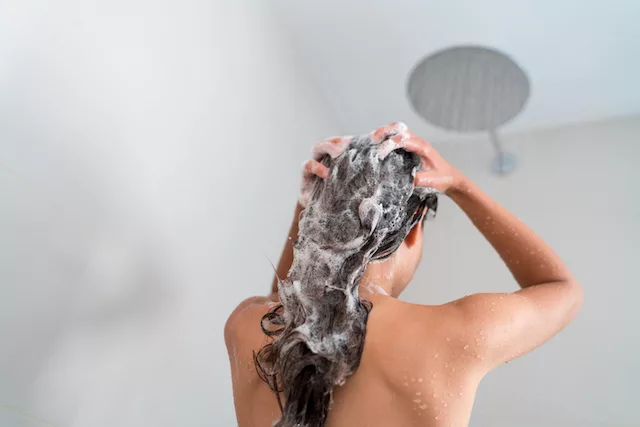
Washing your hair too often can strip the scalp of its natural oils and disrupt the microbiome. Depending on the type of hair you have and your daily routine, you may need to wash more or less than others.
3. Eat a balanced diet
Eating a balanced diet of fruits, vegetables, whole grains and lean proteins provides essential nutrients that support a healthy scalp microbiome. Avoid or limit your consumption of sugary and processed foods, as these can promote the growth of harmful bacteria and fungi.
4. Manage stress
Practice stress reduction techniques such as meditation, yoga or deep breathing exercises. These techniques can help you keep your stress levels in check and maintain a balanced microbiome, preventing scalp problems that are exacerbated by stress.
5. Protect your scalp:
Wear a hat and use sunscreen (especially on the parting line) to protect your scalp from UV rays. Additionally, if you go swimming in a pool, be sure to wash your hair thoroughly afterward to remove any chlorine or other chemicals that may disrupt the microbiome.
The best vitamins for hair growth
In addition to a balanced diet, you get the recommended daily nutrients vitamins and minerals it is essential for maintaining a healthy scalp.
As the world’s first clinically tested hair gummies, Hum’s Hair Strong Gummies are the best vitamins for hair growth. a perfect blend of ingredients to supplement, grow and maintain strong scalp and hair health.
B12: Vitamin B12 supports hair growth by helping to produce red blood cells, which deliver oxygen and nutrients to the hair follicles. This promotes healthy hair growth and reduces hair loss. Vitamin B12 also helps form DNA, essential for cell regeneration and repair.
Zinc: Zinc supports hair growth and repair by helping cell and tissue growth while regulating natural oil production in the scalp, reducing dryness. It also has anti-inflammatory and antimicrobial properties, which help reduce scalp irritation and prevent infections.
Biotin (B7): Biotin supports the production of keratin protein, stimulating new hair growth. It also prevents hair thinning while strengthening hair follicles. In addition, it helps maintain the health of the scalp by enhancing cell regeneration.
Folic acid (B9): Like biotin, folic acid has many of the same properties. It supports the production of keratin and red blood cells, improving the supply of oxygen and nutrients to the hair follicles, which promotes hair growth and prevents thinning.
Vitamin C: Known for its antioxidant properties, vitamin C protects the scalp from oxidative stress and inflammation, which can disrupt the microbiome. It also helps in collagen production, promoting healthy skin and hair follicles.
Vitamin A: Vitamin A helps maintain and repair skin tissues, including the scalp. It can also help regulate sebum (natural scalp oil) production, which balances the microbiome.
Hum’s Hair Strong gummies provide the best vitamins for hair growth, including B12, zinc, biotin and folic acid. These gums offer all the necessary benefits for healthy hair. In addition, they contain Fo-Ti, a Chinese herb that stimulates hair growth and PABA, a natural substance that restores hair vitality.
The takeaway…
The scalp microbiome is vital for maintaining healthy scalp and hair growth. While many uncontrollable factors can affect your microbiome, such as pollution or natural aging, there are other factors you can control, such as minimizing stress, eating healthy, and taking the Hair Strong supplement. Following these healthy habits and brushing your teeth daily can help you achieve a healthy scalp and luscious, vibrant hair.
