

Close Menu
Healthtost
  • News
  • Mental Health
  • Men’s Health
  • Women’s Health
  • Skin Care
  • Sexual Health
  • Pregnancy
  • Nutrition
  • Fitness
  • Recommended Essentials
What's Hot

When should you see a physical therapist? 7 Signs You Shouldn’t Ignore

January 17, 2026

PSA-based tool improves decision-making for prostate cancer screening and treatment

January 17, 2026

Why it still makes sense to limit saturated fat

January 17, 2026
Facebook X (Twitter) Instagram
  • About Us
  • Contact Us
  • Privacy Policy
  • Terms and Conditions
  • Disclaimer
Facebook X (Twitter) Instagram
Healthtost
SUBSCRIBE
  • News

    PSA-based tool improves decision-making for prostate cancer screening and treatment

    January 17, 2026

    The FDA-cleared ADHD device is not effective in reducing symptoms

    January 16, 2026

    Incretin-based diabetes drugs show possible protective effects against dementia

    January 16, 2026

    Does night work increase the risk of osteoporosis?

    January 15, 2026

    Scientists uncover promising therapeutic target for autoimmune disease that affects the brain

    January 15, 2026
  • Mental Health

    How to apply for a fully funded PhD in the UK

    January 8, 2026

    9 Secrets on How to Stop Procrastinating

    January 6, 2026

    Setting boundaries for self-care in 2026

    January 4, 2026

    In a world of digital money, what is the proper etiquette for splitting the bill with friends?

    January 1, 2026

    Rest is essential during the holidays, but it can mean getting active, not crashing on the couch

    December 26, 2025
  • Men’s Health

    Why it still makes sense to limit saturated fat

    January 17, 2026

    Escape Gym Groundhog Day: Why your workout takes seasons

    January 16, 2026

    What is Blue Collar Guilt?

    January 14, 2026

    Glucose stability in diabetes is enhanced by natural daylight

    January 10, 2026

    I reconcile my father’s anger and mine: some hills don’t deserve to die

    January 10, 2026
  • Women’s Health

    What really works? – Vuvatech

    January 16, 2026

    What is mental wellness and how does it differ from mental health?

    January 14, 2026

    Beyond weight loss: How GLP-1 ‘miracle drugs’ are revolutionizing whole-body health

    January 14, 2026

    8 Simple Food Swaps to Improve Your Health

    January 13, 2026

    Ways Omega-3s Benefit Women Specifically

    January 13, 2026
  • Skin Care

    An OUMERE Scientific and Regul – OUMERE

    January 16, 2026

    Collagen Induction Treatments in Rittenhouse Square

    January 15, 2026

    🥜⚠️ Why nut allergies are on the rise—and what it means for its future

    January 14, 2026

    Postnatal massage: Benefits, timing and what to book

    January 13, 2026

    Prepare your lips for the cold with TNW Lip Balm – The Natural Wash

    January 12, 2026
  • Sexual Health

    Your ultimate guide to climax and orgasm control

    January 16, 2026

    Stillbirths may be more common in US than previously known—Study

    January 14, 2026

    COVID-19 heightens vulnerabilities for women asylum seekers and refugee women in South Africa < SRHM

    January 14, 2026

    What does an unclear test result mean?

    January 13, 2026

    Relationship diversity, conflict, and why it matters for sex counselor certification — Sexual Health Alliance

    January 12, 2026
  • Pregnancy

    Weighing in: How GLP-1s fit into your pregnancy plans

    January 15, 2026

    5 foods, 4 habits, 3 reminders

    January 14, 2026

    I’m pregnant… Now what? 13 Things You Should Do Right Now

    January 14, 2026

    Which vitamins and minerals are important to consume during pregnancy?

    January 12, 2026

    Supporting emotional development in our children and ourselves – Podcast Ep 194

    January 11, 2026
  • Nutrition

    When should you see a physical therapist? 7 Signs You Shouldn’t Ignore

    January 17, 2026

    Sliced ​​meatballs | The Nutritionist Reviews

    January 16, 2026

    5-ingredient skillet dinner recipe

    January 15, 2026

    Family sheet-Gnocchi pan with vegetables and chicken sausage (30 minutes!)

    January 15, 2026

    3 Easy, Nutritious Salads – JSHealth

    January 13, 2026
  • Fitness

    Not sure your multivitamin is working? 3 ways the signal could be missing

    January 16, 2026

    Barbell RDL: Proper Form & Benefits

    January 15, 2026

    Lazy high protein dinners that I make when I don’t feel like cooking

    January 15, 2026

    Behavioral health 101: What it means and why it matters

    January 14, 2026

    Snack smarter this New Year: 5 healthy low-calorie options

    January 13, 2026
  • Recommended Essentials
Healthtost
Home»Fitness»Red Light Therapy at Home: Device Guide and Tips for Optimal Use
Fitness

Red Light Therapy at Home: Device Guide and Tips for Optimal Use

healthtostBy healthtostOctober 25, 2025No Comments7 Mins Read
Facebook Twitter Pinterest LinkedIn Tumblr Reddit WhatsApp Email
Red Light Therapy At Home: Device Guide And Tips For
Share
Facebook Twitter LinkedIn Pinterest WhatsApp Email

I’m sharing some of my best tips for using red light therapy at home, including how to use red light and what to look for.

Hello friends! what are you doing I hope you had a wonderful weekend! Ours was full of fall fun and now we’re back to a week of trips and more events. Fall mayhem is in full swing, but I’m loving it.

When things are crazy, I try to stick to the pillars of my routine as faithfully as possible: daily walks, strength training a few times per week, meditation, hydration, nutrition, and my favorite biohacking tools like the red light.

If you’ve been hanging out here for a while, you know I’m a big fan of wellness gear. Between mom life, work, and workouts, anything that makes skin recovery, energy, and health easier (and more convenient) is a win.

One of the tools that has completely changed the game for me is red light therapy.

It’s one of those things that seems almost too good to be true – glowing skin, reduced inflammation, better recovery, deeper sleep – but the research behind it is pretty incredible. Today, I wanted to talk about what to look for in a red light device, how to use it effectively, and the pros and cons of home red light therapy (plus two of my favorite brands: Higher DOSE and Lumebox).
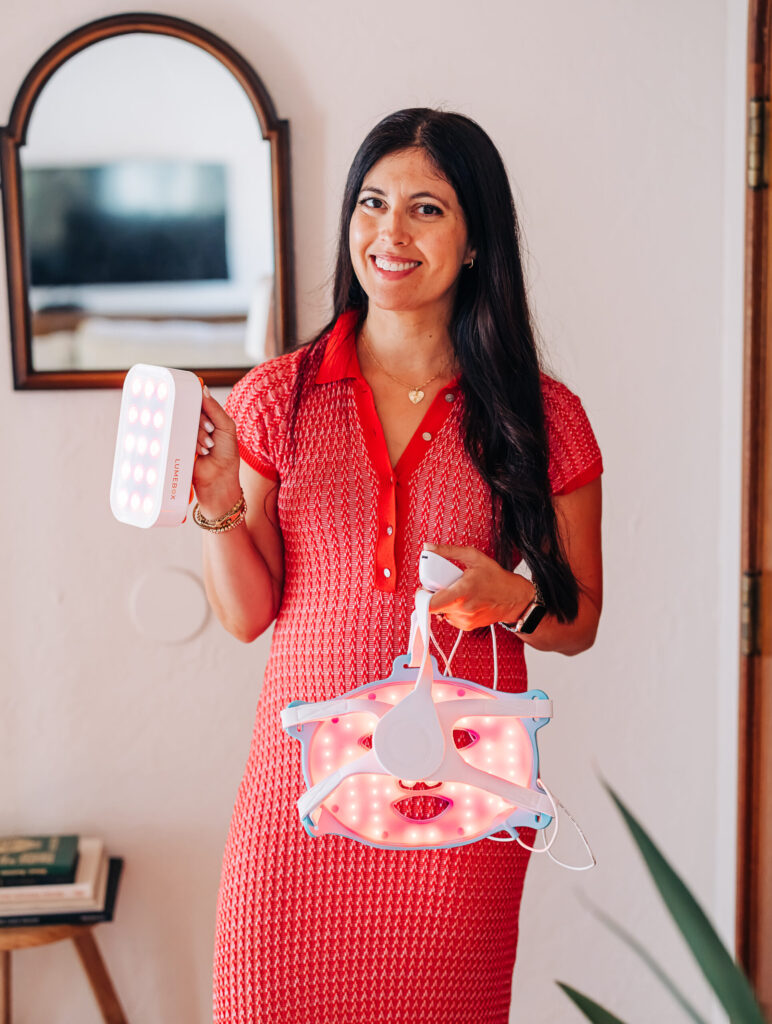
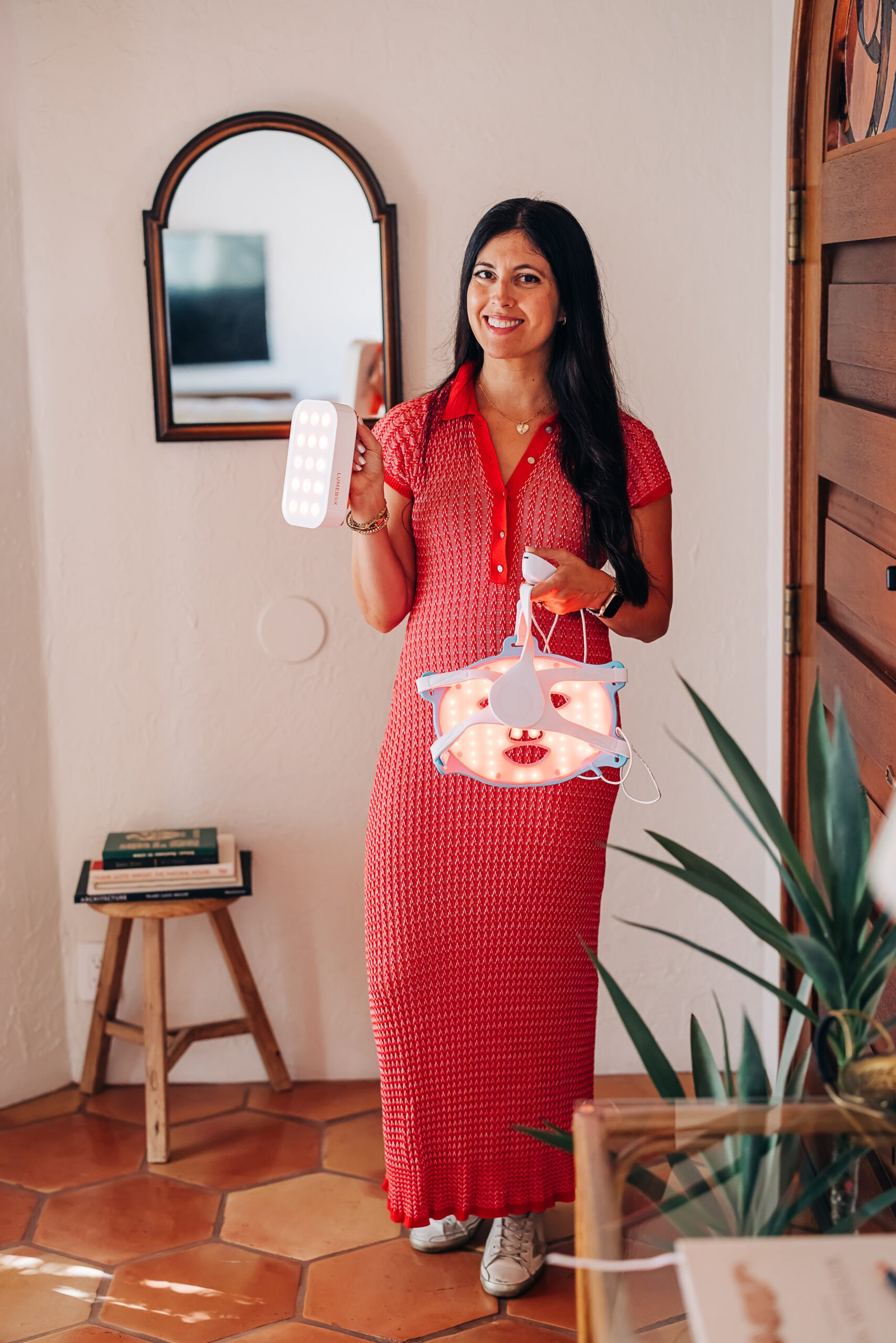
Red Light Therapy at Home: Device Guide and Tips for Optimal Use

What is red light therapy?

Red light therapy (also called low-level light therapy or photobiomodification) uses specific wavelengths of red and near-infrared light to help your cells produce more energy (ATP).

Think of it this way: your skin and tissues have tiny receptors that absorb light the way plants absorb sunlight. This energy boosts the performance of your cells – improving circulation, supporting collagen production, relieving inflammation and even speeding up muscle recovery.

What to Look for in a Red Light Therapy Device

Before investing in a home red light device, it helps to know what really matters.

Here’s what I recommend checking out:

1. Range of wavelengths

Look for a device that offers both red light (about 660 nm) and near-infrared light (about 850 nm).

Red light supports skin health and rejuvenation at a surface level, while near infrared penetrates deeper into muscles and tissues to repair and support inflammation.

2. Power density (radiation)

A good home device should deliver between 30-100 mW/cm² a few inches away from your skin. This ensures you get a therapeutic dose of light energy without long exposure times.

3. Treatment area

If you want to focus on your face or neck, a portable panel (like the Lumebox) is perfect.

If you want a full-body experience, a larger panel or wrap (like the HigherDOSE Red Light Blanket) gives you full coverage.

4. EMF levels

Always look for low EMF or zero EMF certification. Red light devices are generally safe, but since you’ll be using them close to your body, this is an important detail. Both HigherDOSE and Lumebox are designed with low EMF output in mind.

5. Ease of use

Make sure it’s something you’ll actually use.

The best device is one that fits easily into your daily routine – whether it’s a 10-minute session while journaling or watching TV at night.
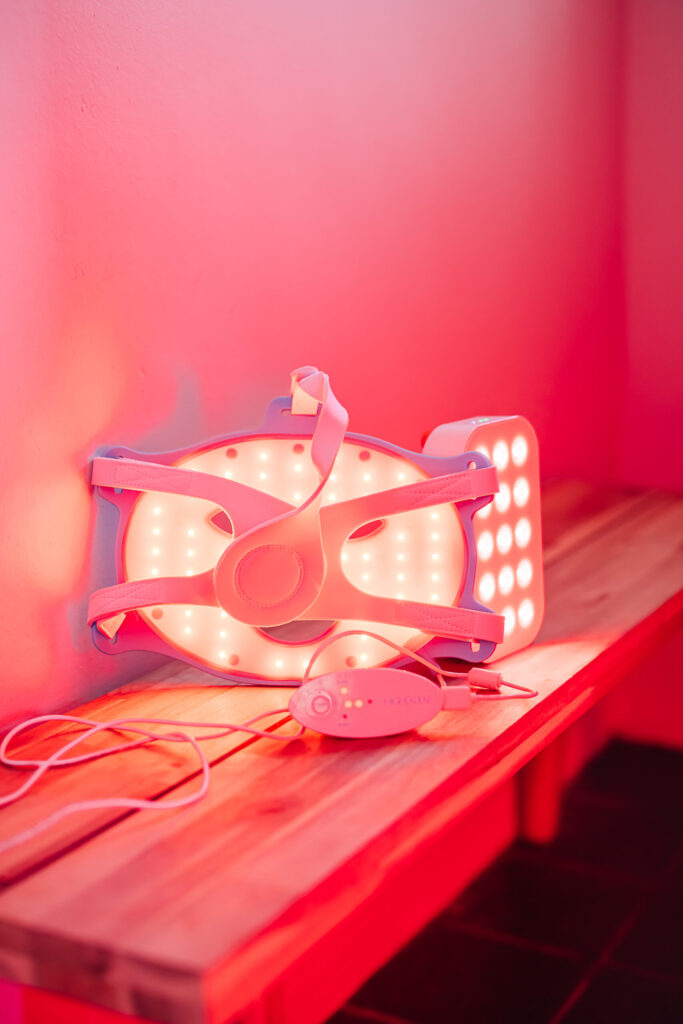
How to use red light therapy at home

Here’s how to get the best results from your red light therapy routine:

1. Be consistent

Aim for 10–20 minutes per session, 3–5 times per week.

Like most things in wellness, consistency beats intensity. your results build over time.

2. Stay 6–12 inches away, depending on the device you are using

Keep the light close, but not too close. You don’t need to touch the board. this distance allows light to penetrate effectively without generating excessive heat. You can set the Lumebox to the Near Infrared setting to place it directly on the skin. I use it for back pain and muscle pain.

3. Aim for your goals

For skin health: Focus on the face, neck and chest.

For muscle recovery: Try post-workout sessions on sore areas or legs.

For relaxation or sleep: Use red light at night – it can help support melatonin production and better sleep quality. You may find that it gives you a boost of energy. In this case, use it in the morning or when you feel like you need a boost of energy.

4. Pairing with other recovery tools

You can reap the benefits by combining red light with magnesium baths, sauna sessions, or castor oil packs for a mini spa experience at home (you know I love that combination).
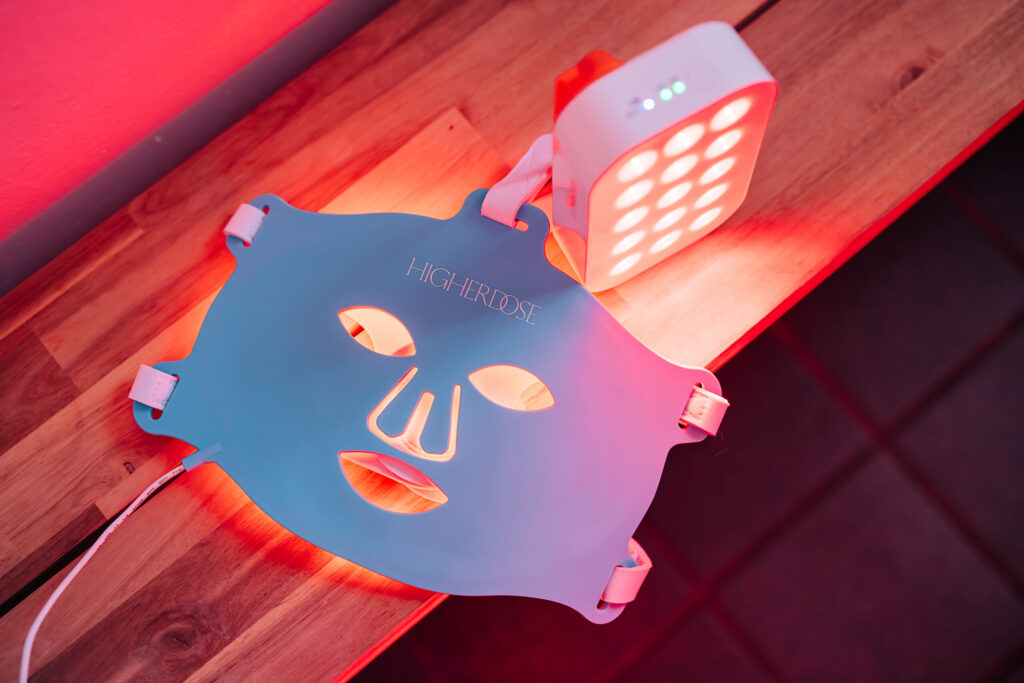
Pros and cons of red light therapy at home

Advantages

Convenient: No spa visits or appointments – use anytime at home.

Proven Benefits: May support skin health, muscle recovery, inflammation and mood.

Safe and non-invasive: No downtime or discomfort.

Easy to combine with other wellness routines: Fits seamlessly into your morning or evening routine.

Disadvantages

Upfront cost: Quality devices can be expensive, though they pay off over time.

Consistency required: You won’t see results overnight. it is cumulative.

Size limitations: Smaller devices process less surface area at once.

EMF therapy with red light therapy

Most high-end red light devices have minimal electromagnetic field (EMF) output, but it’s still smart to double-check.

Prolonged exposure to EMFs can contribute to anxiety and fatigue for sensitive individuals.

Here’s what I recommend:

Choose devices with low EMF certification (eg Higher DOSE and Lumebox).

Keep other electronics (like your phone or laptop) away during sessions.

My Favorite Devices

1. HigherDOSE Red Light Faves

Red Light Blanket

If you love a comfortable, full-body experience, this is unbeatable. It combines infrared heat + red light therapy, enveloping you in warmth while helping your body to detox, recover and relax. It’s great for rest days, muscle recovery or nighttime jitters.

Red Light Face Mask

I use it almost everyday while running errands. I have noticed a huge difference in the quality and texture of my skin since I started using it!

Red Light Hat

I use it to promote hair health and growth! Bonus: it looks like a super cute baseball cap.

Red Light Neck Enhancer

This is just like an extension of the red light face mask, but for your neck. It is extremely comfortable to wear and I have noticed reduced wrinkles.

Use code FITNESSISTA20 for 20% off. HigherDOSE favorites.

2. Lumebox Red Light

Ideal for face, neck and chest sessions, this sleek, portable panel fits easily into your routine. I like to use it in the morning while drinking my coffee or at night before bed for a quick skin boost and relaxation. I also use it in the near infrared setting for back pain, muscle pain or cramps.

It is low EMF, lightweight and extremely easy to travel with.

Use FITNESSISTA for $260 off Lumebox here.

Red light therapy is one of the simplest, science-backed tools to add to your wellness routine—especially if you’re focusing on energy, skin health, inflammation, or recovery.

Ok friends: do you like red light? What is one of your favorite home wellness tools?

xo

Gina

Success! Check your email for a free 30-day meal and fitness cheat sheet

device Guide Home light optimal red Therapy Tips
bhanuprakash.cg
healthtost
  • Website

Related Posts

The FDA-cleared ADHD device is not effective in reducing symptoms

January 16, 2026

Your ultimate guide to climax and orgasm control

January 16, 2026

Not sure your multivitamin is working? 3 ways the signal could be missing

January 16, 2026

Leave A Reply Cancel Reply

Don't Miss
Nutrition

When should you see a physical therapist? 7 Signs You Shouldn’t Ignore

By healthtostJanuary 17, 20260

1. Persistent PainPain is your body’s way of telling you that something is wrong. While…

PSA-based tool improves decision-making for prostate cancer screening and treatment

January 17, 2026

Why it still makes sense to limit saturated fat

January 17, 2026

The FDA-cleared ADHD device is not effective in reducing symptoms

January 16, 2026
Stay In Touch
  • Facebook
  • Twitter
  • Pinterest
  • Instagram
  • YouTube
  • Vimeo
TAGS
Baby benefits body brain cancer care Day Diet disease exercise finds Fitness food Guide health healthy heart Improve Life Loss Men mental Natural Nutrition Patients People Pregnancy protein research reveals risk routine sex sexual Skin study Therapy Tips Top Training Treatment ways weight women Workout
About Us
About Us

Welcome to HealthTost, your trusted source for breaking health news, expert insights, and wellness inspiration. At HealthTost, we are committed to delivering accurate, timely, and empowering information to help you make informed decisions about your health and well-being.

Latest Articles

When should you see a physical therapist? 7 Signs You Shouldn’t Ignore

January 17, 2026

PSA-based tool improves decision-making for prostate cancer screening and treatment

January 17, 2026

Why it still makes sense to limit saturated fat

January 17, 2026
New Comments
    Facebook X (Twitter) Instagram Pinterest
    • About Us
    • Contact Us
    • Privacy Policy
    • Terms and Conditions
    • Disclaimer
    © 2026 HealthTost. All Rights Reserved.

    Type above and press Enter to search. Press Esc to cancel.