

Close Menu
Healthtost
  • News
  • Mental Health
  • Men’s Health
  • Women’s Health
  • Skin Care
  • Sexual Health
  • Pregnancy
  • Nutrition
  • Fitness
  • Recommended Essentials
What's Hot

Bedfont® Scientific CTO selected for Technology Leader of the Year

March 26, 2026

Men under more pressure than ever

March 26, 2026

“What is happening to my body?” — Understanding the physical changes during treatment

March 26, 2026
Facebook X (Twitter) Instagram
  • About Us
  • Contact Us
  • Privacy Policy
  • Terms and Conditions
  • Disclaimer
Facebook X (Twitter) Instagram
Healthtost
SUBSCRIBE
  • News

    Bedfont® Scientific CTO selected for Technology Leader of the Year

    March 26, 2026

    Whole grain diets may reduce the risk of inflammatory bowel disease

    March 25, 2026

    Systematic review identifies stress-induced biological activators in oncology

    March 25, 2026

    Conflict exposure increases PTSD and suicide among youth in Ukraine

    March 24, 2026

    The first Pittcon experience in San Antonio was a great success

    March 24, 2026
  • Mental Health

    What is hunger in the air? And can it be treated?

    March 24, 2026

    Why bipolar people are not your porn inspiration

    March 21, 2026

    Does medicinal cannabis work for depression, anxiety or PTSD? Our study says there is no evidence

    March 20, 2026

    Anxiety and ADHD can overlap—here’s how to untangle these widespread mental health disorders

    March 16, 2026

    How Mental Health Professionals Can Earn CE…

    March 13, 2026
  • Men’s Health

    Men under more pressure than ever

    March 26, 2026

    Moderate coffee intake may reduce the risk of heart failure

    March 25, 2026

    The hidden cost of redundancy: How we amplify chronic pain in clinical settings

    March 24, 2026

    How to find the love of your life and build the relationship of your dreams

    March 23, 2026

    The Nitty Gritty About Prostate Cancer and Screening

    March 20, 2026
  • Women’s Health

    “What is happening to my body?” — Understanding the physical changes during treatment

    March 26, 2026

    What’s Really Happening (and What You Can Do About It) – Vuvatech

    March 25, 2026

    Why “Just Exercise” Is Not Enough: The Power of Precision in Exercise Prescription

    March 24, 2026

    I’m an aerialist — even with multiple sclerosis

    March 22, 2026

    Hamilton Women’s Gym

    March 22, 2026
  • Skin Care

    How to use Retinal in your skincare routine – Tropic Skincare

    March 25, 2026

    Jeuveau vs Dysport: Which Wrinkle Treatment is Right for You?

    March 24, 2026

    Common causes of sensitive skin and how hypoallergenic care helps

    March 21, 2026

    Facials Los Angeles: The Best Event-Ready Treatments to Book

    March 19, 2026

    Winter skincare essentials – The natural wash

    March 18, 2026
  • Sexual Health

    Contraceptive services stopped after the ‘Defunding’ of Clinic Visits

    March 24, 2026

    Let’s not forget the “most left behind”! < SRHM

    March 24, 2026

    How long does it take for HIV symptoms to appear?

    March 23, 2026

    Technology-facilitated sexual violence has entered Chat — Alliance for Sexual Health

    March 22, 2026

    Queer Muslims find community through Ramadan

    March 17, 2026
  • Pregnancy

    Empowered principles: Supporting families through birth and beyond

    March 24, 2026

    Military Spouse Hospital Birth Stories in the United States vs. Japan plus Postpartum Mental Health Discussion

    March 22, 2026

    Everything you need to know before visiting a newborn

    March 22, 2026

    Dad’s health before conception could affect baby’s future, study finds

    March 21, 2026

    Is stress in the third trimester affecting your baby?

    March 20, 2026
  • Nutrition

    Your March Wellness Horoscope | HUM Nutrition Blog

    March 25, 2026

    Life Updates! • Kath Eats

    March 24, 2026

    Building an anti-inflammatory diet

    March 23, 2026

    Mood-Boosting Breakfast Recipes for Better Gut Health, Balanced Blood Sugar, and Focused Brain

    March 23, 2026

    Update: Florida Toxic Test Methods

    March 22, 2026
  • Fitness

    Walking Pad Benefits for Women Over 40

    March 24, 2026

    Using Reflections to Enhance Your Communication Skills

    March 23, 2026

    Healthy Vegetarian Meal Plan: 1500 Calorie Guide

    March 22, 2026

    How Shereen Pavlides Became The Internet’s Favorite Cooking Coach

    March 22, 2026

    Disney Fantasy Cruise Nassau and Lookout Cay

    March 19, 2026
  • Recommended Essentials
Healthtost
Home»News»Prenatal Mediterranean diet reduces offspring obesity
News

Prenatal Mediterranean diet reduces offspring obesity

healthtostBy healthtostFebruary 16, 2024No Comments5 Mins Read
Facebook Twitter Pinterest LinkedIn Tumblr Reddit WhatsApp Email
Prenatal Mediterranean Diet Reduces Offspring Obesity
Share
Facebook Twitter LinkedIn Pinterest WhatsApp Email

In a recent study published in Nutrientsresearchers determined the relationship between maternal adherence to the Mediterranean diet (MedDiet) during pregnancy and the risk of overweight or obese offspring at four years.

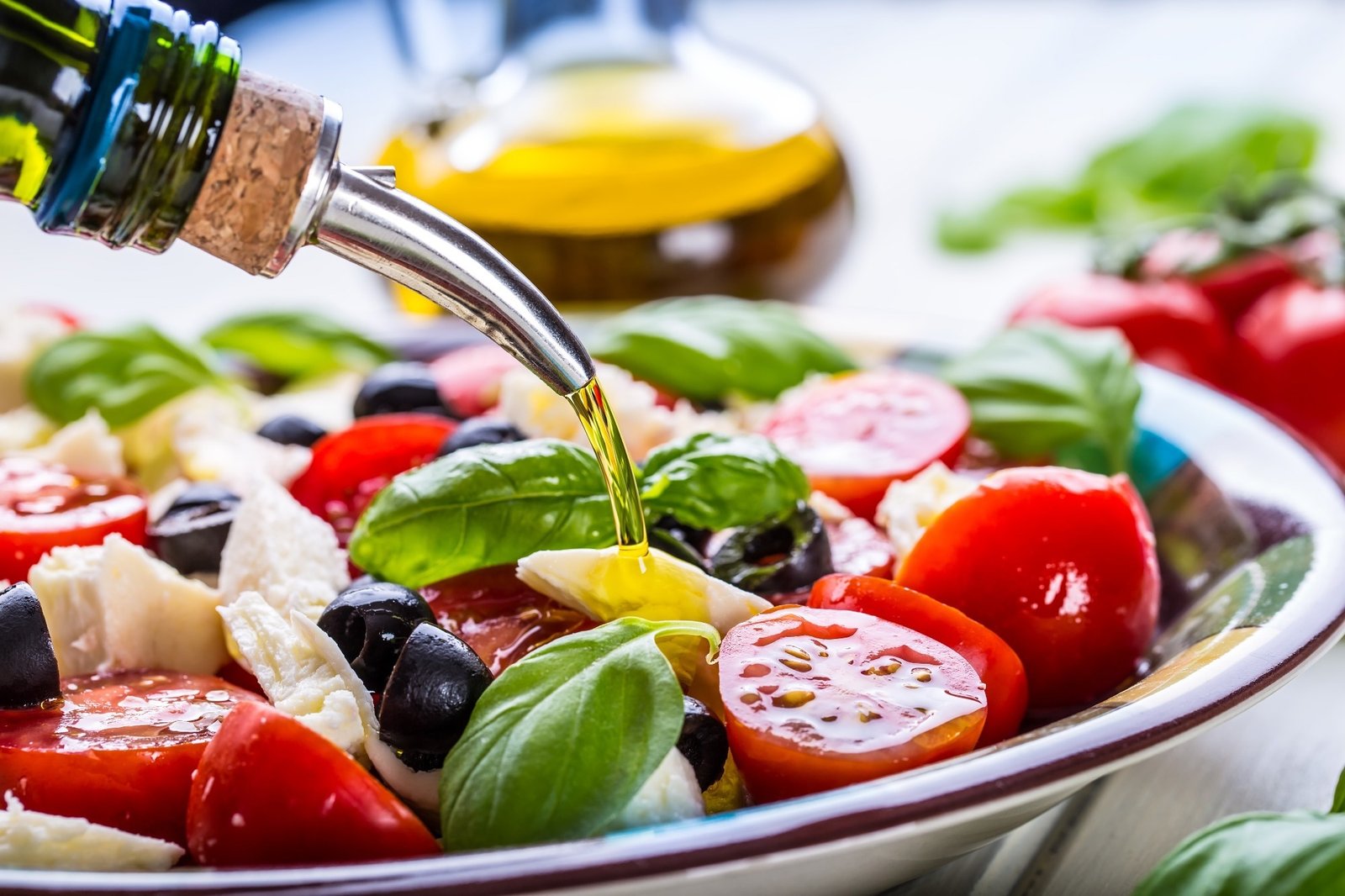
Study: Close adherence to a Mediterranean diet during pregnancy reduces childhood overweight/obesity: a prospective study. Image credit: Marian Weyo/Shutterstock.com

Record

The childhood obesity epidemic is a global health concern affecting millions of children under the age of five, causing psychological comorbidities, low self-esteem, behavioral and emotional disorders, and long-term cardiovascular morbidity and cancer.

In addition, the World Health Organization (WHO) report emphasizes the importance of prenatal nutritional balance to prevent childhood obesity.

Close maternal adherence to a Mediterranean-type diet during pregnancy could be a promising strategy to identify potential risks of childhood obesity. Greater adherence to the diet has multiple health benefits for both mother and child.

However, studies examining the impact of prenatal diet on offspring obesity are rare and yield mixed results, warranting further research.

About the study

In the present study, researchers investigated whether maternal adherence to the MedDiet was associated with offspring obesity at four years and assessed the influence of maternal factors on the association.

The team included 272 mother-child dyads from the Ensayo CLInico Para Suplementar con Hierro a EmbarazadaS (ECLIPSES) study for analysis.

The primary study outcome was overweight or obese offspring based on sex-age body mass index (BMI) z-scores above the 85th percentile using WHO child growth standards.

The researchers obtained basic maternal data from questionnaires during face-to-face interviews at recruitment, including medical history, age, education level, socioeconomic status, physical activity, smoking status, and alcohol intake.

In addition to gestational age at birth and type of delivery, they obtained data on child-related variables such as sex, length and weight at birth.

The team assessed prenatal diet using standardized 45-item food frequency questionnaires (FFQs) at 12, 24 and 36 weeks’ gestation and calculated the associated MedDiet (rMedDiet) scores. They measured the offspring’s height and weight at four years.

They calculated the total daily caloric intake using the REGAL food table and determined the socioeconomic status of the household using the Catalan classification of occupations (CCO-2011).

Researchers assessed physical activity using the International Physical Activity Questionnaire (IPAQ) and categorized gestational weight gain (GWG) using the 2009 Institute of Medicine (IOM) recommendations.

They performed multivariate logistic regression modeling to determine odds ratios (OR) for the association between prenatal nutrition and childhood obesity.

The ECLIPSES randomized clinical trial was conducted in Tarragona, Spain from 2013 to 2017 to evaluate the efficacy of maternal iron supplementation at different doses, adjusting baseline hemoglobin levels in early pregnancy, to maternal iron status at the end of pregnancy.

Primary care midwives recruited 791 pregnant women aged ≥18 years to the study at the initial antenatal visit (before week 12 of gestation).

Results

Mean maternal age was 32. 70% were aged ≥30 and 42% were obese or overweight, with body mass index values ​​≥25 kg m-2.

Most (86%) mothers were from Spain, 44% obtained a university level, 22% had a high socioeconomic status, and 17% smoked during pregnancy. Among mothers, 29% showed low MedDiet adherence, while 23% were highly adherent.

The mean prenatal rMedDiet score was 9.80 and 26% of the offspring were overweight or obese at four years, with a higher prevalence of obesity in males (63%) than females (37%).

The team found significant anthropometric differences (height, weight and body mass index) by gender. The average body mass index and body weight of the offspring at four years was 16 kg m-2 and 18 kg, respectively.

Males had higher weight (19 vs. 17 kg), BMI (16 vs. 15.6), weight-for-age z-scores (0.5 vs. 0.1), and body mass index (0.7 vs. 0.2) than the women.

Overweight/obesity was less prevalent among offspring of mothers with college education, higher socioeconomic status, and higher gestational rMedDiet scores.

After adjusting for potential confounding variables, the team found that higher prenatal MedDiet adherence was associated with a reduced risk of overweight or obese offspring (OR for highest vs. lowest quartile, 0.3).

They obtained similar findings, stratified by maternal age, early pregnancy BMI, educational level, smoking status, socioeconomic status, and GWG.

After confounding adjustment, the team found that each point increase in prenatal MedDiet was associated with a 19% lower risk of children being overweight or obese at four years (OR, 0.8).

Smoking (OR, 2.5), prepregnancy overweight (OR, 2.5) or obesity (OR, 2.6), and excess GWG (OR, 2.9) were significantly associated with being overweight or obese offspring at four years.

The protective effects of the MedDiet on offspring weight were higher in expectant women under 30 years of age who were overweight or obese at initial pregnancy, those who did not smoke, and those with low socioeconomic status.

conclusion

Overall, the study findings showed higher prenatal adherence to the MedDiet associated with lower reduced overweight/obesity at four years, especially among college-educated mothers under 30 years of age from low socioeconomic backgrounds who did not smoke. Future studies could investigate whether the association persists across life stages.

Diet Mediterranean obesity offspring Prenatal reduces
bhanuprakash.cg
healthtost
  • Website

Related Posts

Bedfont® Scientific CTO selected for Technology Leader of the Year

March 26, 2026

Whole grain diets may reduce the risk of inflammatory bowel disease

March 25, 2026

Systematic review identifies stress-induced biological activators in oncology

March 25, 2026

Leave A Reply Cancel Reply

Don't Miss
News

Bedfont® Scientific CTO selected for Technology Leader of the Year

By healthtostMarch 26, 20260

Scott Deamer-Smith, Chief Technology Officer (CTO) at Bedfont® Scientific Limited, has been recognized for its…

Men under more pressure than ever

March 26, 2026

“What is happening to my body?” — Understanding the physical changes during treatment

March 26, 2026

Whole grain diets may reduce the risk of inflammatory bowel disease

March 25, 2026
Stay In Touch
  • Facebook
  • Twitter
  • Pinterest
  • Instagram
  • YouTube
  • Vimeo
TAGS
Baby benefits body brain cancer care Day Diet disease exercise finds Fitness food Guide health healthy heart Improve Life Loss Men mental Natural Nutrition Patients People Pregnancy research reveals risk routine sex sexual Skin Skincare study Therapy Tips Top Training Treatment ways weight women Workout
About Us
About Us

Welcome to HealthTost, your trusted source for breaking health news, expert insights, and wellness inspiration. At HealthTost, we are committed to delivering accurate, timely, and empowering information to help you make informed decisions about your health and well-being.

Latest Articles

Bedfont® Scientific CTO selected for Technology Leader of the Year

March 26, 2026

Men under more pressure than ever

March 26, 2026

“What is happening to my body?” — Understanding the physical changes during treatment

March 26, 2026
New Comments
    Facebook X (Twitter) Instagram Pinterest
    • About Us
    • Contact Us
    • Privacy Policy
    • Terms and Conditions
    • Disclaimer
    © 2026 HealthTost. All Rights Reserved.

    Type above and press Enter to search. Press Esc to cancel.