


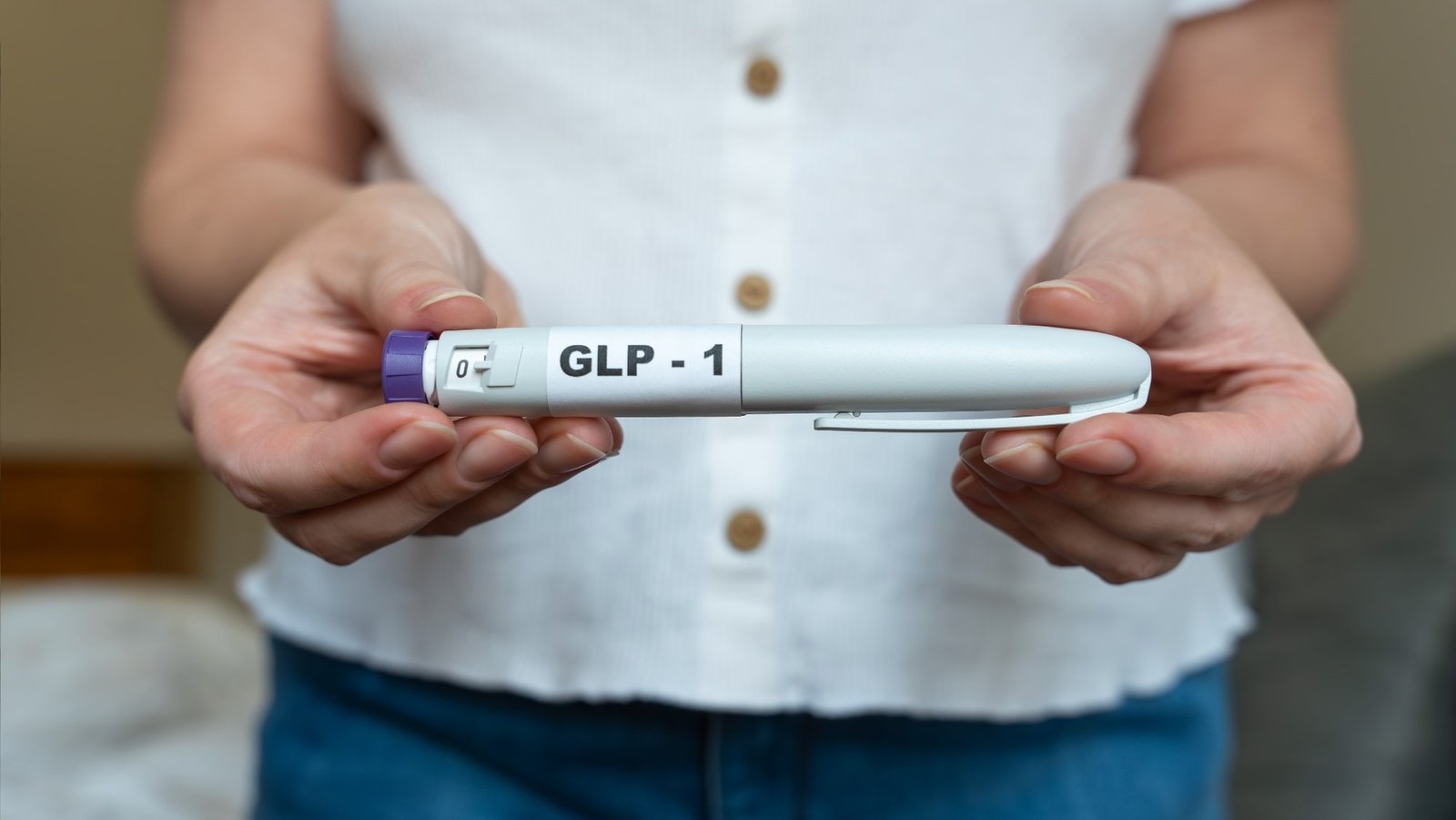
A large real-world study shows that patients who stop popular GLP-1-based weight loss drugs often return to treatment or try alternative treatments, explaining why average weight regain after stopping may be less than expected.
Study: Obesity treatments and weight changes in clinical practice after discontinuation of semaglutide or tirzepatide. Image credit: KaterynaBorodina/Shutterstock.com
Obesity treatment has been revolutionized by the introduction of glucagon-like peptide-1 receptor agonists (GLP-1 RAs) such as semaglutide and the dual GLP-1 RA/glucose-dependent insulinotropic polypeptide [GIP] receptor agonists such as tirzepatide. However, a study published in Diabetes, Obesity and Metabolism found that many patients who stop these drugs either restart treatment or switch to other options within a year.
Increasing popularity of GLP-1 therapies
Obesity affects approximately 40% of American adults. It increases the risk of type 2 diabetes mellitus (T2DM), non-alcoholic fatty liver disease and obstructive sleep apnea 3-11 times. The rapid weight loss and significant cardiovascular and metabolic benefits associated with drugs such as semaglutide and tirzepatide underlie their rapid rise in popularity.
According to another study, one in five American women between the ages of 50 and 64 reported having tried one or more of these drugs. However, previous studies suggest that up to 65% of patients discontinue them within one year, and discontinuation has been associated with weight regain and reduced cardiometabolic benefits.
Examining patient outcomes after discontinuation of GLP-1
The study used a retrospective cohort design and data from a large health care system in Ohio and Florida. All participants were overweight or obese and receiving injectable semaglutide or tirzepatide for either obesity or T2DM. The study focused on patients who discontinued medication within 3-12 months of initiation. The researchers looked at treatment patterns and weight changes after stopping.
Many patients restart or switch treatments after stopping
The study included 7,938 patients who had started injectable semaglutide or tirzepatide. Most participants were White (75%) and female (64%), with a mean age of 55.7 years. At baseline, mean body weight was 113 kg and mean body mass index (BMI) was 39.5. Most patients were covered by private insurance.
Semaglutide was the most commonly prescribed drug. Overall, 46% of patients started semaglutide for T2DM and 32% for obesity. Tirzepatide was used less frequently, with about 12% of patients starting it for T2DM and 10% for obesity.
Among those prescribed these obesity drugs, many patients discontinued treatment before reaching what the authors describe as adequate therapeutic doses. The reasons for this pattern remain unclear and require further investigation. The researchers note that pricing structures may play a role, as lower doses are sometimes offered at discounted prices through self-pay channels. Future studies should investigate whether such pricing models contribute to deviations from recommended dose escalation schedules.
After discontinuation, 19.6 % resumed the original medication, while 35 % adopted another option: alternative medication (27.4 %), medical treatment visit for lifestyle modification (13.7 %), and metabolic and bariatric surgery (0.6 %). These categories may not be exclusive.
Among patients who restarted their medication, 14% took it for obesity and 24% for T2DM. This may be because insurance coverage of the use of these agents is broader in T2DM than in obesity. The mean time to relapse was 177 days longer in obesity than in T2DM. Among alternative drugs, approximately the same proportion (<18 %) switched between tirzepatide and semaglutide either way. Other drugs included phentermine, topiramate, and bupropion.
Lifestyle-related visits included educational individual or shared visits with healthcare professionals that focused on diet, exercise, and weight management (alone or as part of diabetes management).
On average, patients treated for obesity lost 8.4% of their baseline body weight while on medication, compared with a 4.4% reduction among those treated for T2DM. One year after stopping, patients treated for obesity had gained 0.5% of their starting weight, while those treated for T2DM had lost an additional 1.3%.
However, these averages masked significant differences between individuals. Some patients regained significant weight after stopping treatment, while others maintained their weight loss or continued to lose weight. Overall, 55% of patients treated for obesity experienced weight gain after stopping, compared with 44% of patients treated for T2DM. These estimates were based on patients with available follow-up weight measurements, representing a subset of the full study population.
Further research is needed to compare different alternative treatments for RA patients after GLP-1 or dual receptor agonists.
Strengths and limitations
The authors describe this as the first study to examine obesity treatment uptake in detail, along with the direction of weight change during and after cessation. It was based on a large sample, robust data sources and a diverse study population. The analysis was also based on linked electronic health records and prescribing data and included obesity treatment in both specialist and general care settings.
Despite these strengths, the study has several limitations. The sample was drawn from a single health care system in two southern states, which may limit the generalizability of the findings. In addition, all patients received both their initial and follow-up care at the same centers. Drug shortages during the study period may also have affected treatment patterns. The analysis could be affected by residual confounding from unsupervised lifestyle modifications and, importantly, reasons for treatment discontinuation were not recorded.
Restarting or switching treatments is common after stopping GLP-1
Among patients who discontinued tirzepatide or semaglutide within the first year of treatment, many restarted the original drug or switched to another treatment. Weight change at one year after discontinuation was small but highly individual dependent and may in part reflect the fact that many patients continued or switched to other weight management treatments rather than remaining untreated.
