

Close Menu
Healthtost
  • News
  • Mental Health
  • Men’s Health
  • Women’s Health
  • Skin Care
  • Sexual Health
  • Pregnancy
  • Nutrition
  • Fitness
  • Recommended Essentials
What's Hot

The toxic manosphere harms girls and boys

April 2, 2026

Why can’t I fit anything in my vagina? Understanding the “Wall” Sensation and How to Fix It – Vuvatech

April 2, 2026

Jeuveau vs Botox: What’s the Difference and Which Is Right for You?

April 2, 2026
Facebook X (Twitter) Instagram
  • About Us
  • Contact Us
  • Privacy Policy
  • Terms and Conditions
  • Disclaimer
Facebook X (Twitter) Instagram
Healthtost
SUBSCRIBE
  • News

    The highly potent opioid shows potential as a treatment for pain and opioid use disorder

    April 1, 2026

    The brain encodes time and space through common neural sequences

    April 1, 2026

    Researchers identify markers of lymphoma relapse

    March 31, 2026

    Mapping the physical forces that propel proteins forward

    March 31, 2026

    New study links physician burnout to higher medical staff turnover rates

    March 30, 2026
  • Mental Health

    Will medicinal cannabis help my mental health? Here are the facts and the risks

    April 1, 2026

    Does World Bipolar Day have an impact?

    March 29, 2026

    Worried about your preschooler’s anxiety? See how you can help

    March 28, 2026

    What is hunger in the air? And can it be treated?

    March 24, 2026

    Why bipolar people are not your porn inspiration

    March 21, 2026
  • Men’s Health

    The toxic manosphere harms girls and boys

    April 2, 2026

    Loving-kindness meditation is linked to reducing stress through self-compassion

    April 1, 2026

    The SEEDS Framework for Natural Testosterone Enhancement

    March 31, 2026

    Brave New Mind: Developing the Art of Serene Readiness in a World Out of Balance

    March 30, 2026

    What is the connection between ketamine and the bladder?

    March 27, 2026
  • Women’s Health

    Why can’t I fit anything in my vagina? Understanding the “Wall” Sensation and How to Fix It – Vuvatech

    April 2, 2026

    Radiant Eyes This Season: Spring-Summer makeup trends and eye care tips

    March 31, 2026

    Black Cohosh Benefits – HealthyWomen

    March 30, 2026

    The Biggest Diet Mistake That Causes Belly Fat (It’s Not Food)

    March 30, 2026

    3.28 Friday Faves – The Fitnessista

    March 29, 2026
  • Skin Care

    Jeuveau vs Botox: What’s the Difference and Which Is Right for You?

    April 2, 2026

    Affordable headphones and speakers that make your day easier

    March 31, 2026

    What NOT to do with your Natural Deodorant Stick

    March 29, 2026

    The Art of the Undetectable: What Natural-Looking Aesthetic Treatments Really Look Like

    March 29, 2026

    Why the ‘Natural’ moisturizer at Your Li

    March 28, 2026
  • Sexual Health

    No, abortion pills do not poison your drinking water

    April 1, 2026

    Reconnecting SRHR and Development Justice

    March 31, 2026

    What does HIV do to the body?

    March 31, 2026

    Anita Krishnan Shankar on Intimacy, Culture and Modern Sexual Therapy — Alliance for Sexual Health

    March 30, 2026

    Contraceptive services stopped after the ‘Defunding’ of Clinic Visits

    March 24, 2026
  • Pregnancy

    The best stroller accessories for every type of stroller

    March 29, 2026

    A new study says pre-pregnancy health is a conversation between two parents

    March 29, 2026

    Third Trimester Fatigue: Causes & Easy Solutions

    March 27, 2026

    6 things to bring on a cruise that DON’T. A. TALKS ABOUT (not Magnetic Hooks)

    March 26, 2026

    Empowered principles: Supporting families through birth and beyond

    March 24, 2026
  • Nutrition

    Metabolism Myths That May Be Holding You Back

    April 1, 2026

    Interconnection vs. Self-Objectification: How to Reclaim Your Body

    March 31, 2026

    We are hiring: Science Education Specialist

    March 30, 2026

    Simple meal prep ideas for the busy mom

    March 28, 2026

    Your March Wellness Horoscope | HUM Nutrition Blog

    March 25, 2026
  • Fitness

    Small group training for busy moms

    April 1, 2026

    Vivrelle Review: Is It Worth It? (My honest thoughts + how it works)

    March 28, 2026

    Factors to consider when training around pain – Tony Gentilcore

    March 27, 2026

    Top 10 Vital Health Tips for Men in 2026

    March 27, 2026

    The Hidden Health Effects of Burnout (Especially After 40)

    March 26, 2026
  • Recommended Essentials
Healthtost
Home»News»Large breakfast study reveals protein curbs appetite, but fiber offers stronger benefits to gut microbiome
News

Large breakfast study reveals protein curbs appetite, but fiber offers stronger benefits to gut microbiome

healthtostBy healthtostFebruary 16, 2026No Comments6 Mins Read
Facebook Twitter Pinterest LinkedIn Tumblr Reddit WhatsApp Email
Large Breakfast Study Reveals Protein Curbs Appetite, But Fiber Offers
Share
Facebook Twitter LinkedIn Pinterest WhatsApp Email

A controlled clinical trial shows that what you eat at breakfast, not just how much, can shape appetite, weight loss and gut microbiota with implications for long-term nutritional strategies

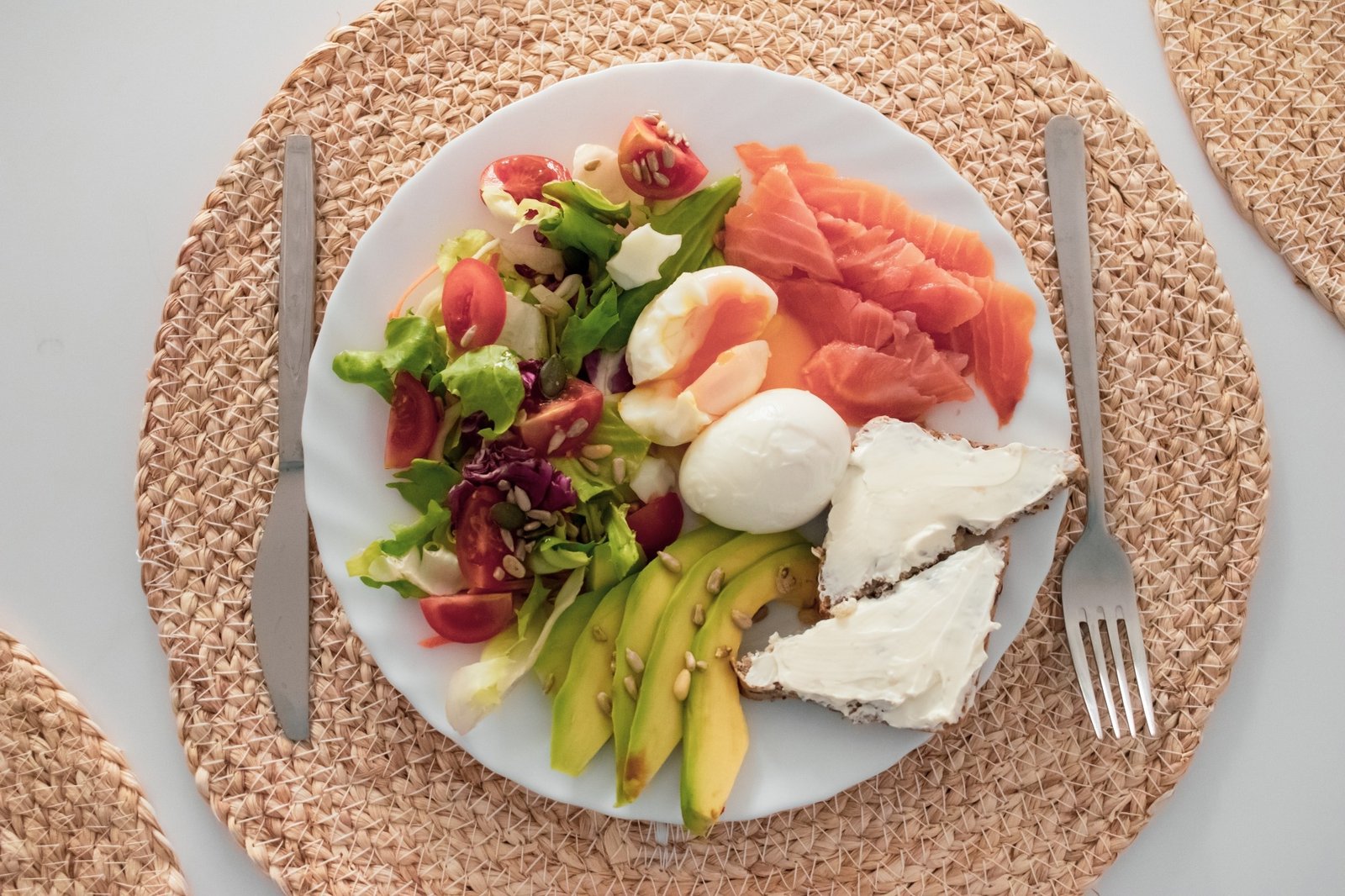
Study: Composition of large breakfast meal affects appetite control and gut health: a randomized weight loss trial in overweight or obese adults. Image credit: An Dvi / Shutterstock

A recent study published in British Journal of Nutrition investigated the effects of breakfast composition in a calorie-restricted weight loss diet with a large breakfast on appetite, energy balance, and markers of gut health related to gut microbial flora.

Growing evidence shows that, in addition to meal composition, meal timing is a critical factor in healthy weight management. One study found that those who ate early had significantly greater weight loss (WL) from late eaters. Morning calorie intake is associated with improved blood glucose control and lower hunger than evening intake.

A larger morning meal improves appetite control, while delayed eating has been associated with fat storage and increased hunger. Despite public health advice about the importance of breakfast in maintaining a healthy weight, little is known about what people eat in the morning. Furthermore, data on why and how meal timing, diet composition, and calorie distribution relate to appetite control remain limited.

Randomized Crossover Design and Nutritional Interventions

In the present study, researchers evaluated the impact of two calorie-restricted weight loss diets with identical calorie distribution in the rich breakfast but different macronutrient composition on appetite, energy balance, and gut microbiota composition and metabolites and not on clinical gastrointestinal outcomes. Healthy overweight or obese subjects aged 18-75 years were recruited. The team implemented a randomized crossover protocol involving a four-day ad libitum diet, a four-day maintenance (MT) diet and 28 days of high-fiber WL (HFWL) or WL with high protein content (HPWL) diet, separated by a washout period; participants served as their own controls. Resting metabolic rate (RMR) was measured by indirect calorimetry during a screening visit.

The MT diet (15% protein, 55% carbohydrate, and 30% fat) was fed at 1.5 times RMR to maintain body weight. WL diets were fed at 100% RMR to achieve a caloric deficit. Subjects consumed three meals per day, with 45%, 20%, and 35% of their calories in the morning, afternoon, and evening, respectively, with lunch allowed ad libitum within the prescribed dose. The HFWL diet (50% carbohydrate, 15% protein, and 35% fat) included a mixture of insoluble and soluble fiber sources, including lentils, fava beans, buckwheat, and wheat bran.

The HPWL diet (30% protein, 35% carbohydrate, and 35% fat) included fish, poultry, eggs, red meat, and dairy. Body density, thermic effect of food (TEF), waist and hip circumferences, RMR, total body water (TBW), subjective appetite and blood pressure were measured and blood samples were collected on test days after an overnight fast. Body weight was measured three times per week during the WL diet. Glucose, lipid profile and insulin were assessed as metabolic biomarkers and not as clinical disease outcomes.

Insulin and glucose results were used to calculate the homeostatic model of insulin resistance assessment (HOMA-IR) and β-cell function (SOIL-b), and the insulin to glucose ratio (IGR). TEF was assessed every 30 minutes for 4 hours after breakfast. Appetite was assessed using visual analog scales. TBW was measured by deuterium dilution. Fecal samples were collected for analysis of gut microbiota composition.

Weight loss, metabolic indices and energy expenditure

The study involved 19 participants, two of whom were women, with a mean age of 57.4 years and a body mass index of 33.3 kg/m.2indicating a predominantly male cohort and potentially limited generalizability to wider populations. Energy intake did not differ significantly between the two WL diets. Mean WL was 4.87 kg on the HFWL diet and 3.87 kg on the HPWL diet. Both diets also significantly reduced fat mass and fat-free mass (FFM) relative to the MT diet. However, the reduction in FFM was significantly greater after the HFWL diet.

The HFWL diet resulted in reduced TBW volume relative to the MT diet, while no differences were observed after the HPWL diet. Hip and waist circumference, and waist-to-hip ratio, were significantly reduced after both WL diets compared to the MT diet. The HPWL meal maintained satiety, whereas the HFWL meal reduced postprandial satiety. A significant reduction in RMR was observed after both WL diets relative to the MT diet.

TEF was significantly lower with the HFWL diet than with the HPWL and MT meals. Both WL diets resulted in significant decreases in lipid levels from baseline, with no difference between the HPWL and HFWL diets. Fasting and postprandial glucose levels were 10.2% and 10% lower after the HFWL diet and 8.4% and 6.9% lower after the HPWL diet compared with the MT diet, respectively. Fasting insulin, HOMA-IR and IGR were significantly lower after both WL diets compared to the MT diet.

Meanwhile, HOMA-β decreased significantly more after the HPWL diet than after the MT diet, with no difference after the HFWL diet. Although total bacterial loads in faecal samples were not significantly different between WL diets, α-diversity was lower with the HPWL diet compared to the HFWL diet. In addition, significant differences in microbiota composition were observed between WL diets, although individual variation remained a key determinant of microbial profiles, and diet effects explained only part of the observed variability.

Gut Microbiota and Short Chain Fatty Acid Differences

Buttermilk producers, such as e.g Anaerostipes hadrus, Roseburia faecisand Faecalibacterium prausnitziiwere associated with the HFWL diet. At the genus level, Streptococcus was associated with the HPWL diet and Bifidobacterium, Faecalibacterium and Roseburia with the HFWL diet. In addition, total short-chain fatty acids (SCFA) and the major faecal SCFAs, such as acetate, butyrate and propionate, were significantly lower with the HPWL diet than with the HFWL diet.

Interpretation and implications for long-term compliance

Overall, the findings suggest that within a calorie-restricted eating pattern, the composition of the morning meal is an important factor in improving WL and metabolic health biomarkers during the short intervention period studied. While both WL diets resulted in a significant reduction in body weight, they had distinct effects on gut microbiota and appetite. Specifically, the HPWL diet resulted in greater satiety and may be helpful for long-term dietary compliance. In contrast, the HFWL diet yielded a superior microbial profile and may support long-term gut health as reflected by microbial composition and SCFA production rather than direct clinical gut health outcomes. However, long-term studies are needed to confirm the prolonged effects.

Appetite benefits breakfast curbs fiber gut Large microbiome offers protein reveals stronger study
bhanuprakash.cg
healthtost
  • Website

Related Posts

The highly potent opioid shows potential as a treatment for pain and opioid use disorder

April 1, 2026

The brain encodes time and space through common neural sequences

April 1, 2026

Researchers identify markers of lymphoma relapse

March 31, 2026

Leave A Reply Cancel Reply

Don't Miss
Men's Health

The toxic manosphere harms girls and boys

By healthtostApril 2, 20260

The toxic manosphere is harming girls and boys and should be treated as a public…

Why can’t I fit anything in my vagina? Understanding the “Wall” Sensation and How to Fix It – Vuvatech

April 2, 2026

Jeuveau vs Botox: What’s the Difference and Which Is Right for You?

April 2, 2026

Metabolism Myths That May Be Holding You Back

April 1, 2026
Stay In Touch
  • Facebook
  • Twitter
  • Pinterest
  • Instagram
  • YouTube
  • Vimeo
TAGS
Baby benefits body brain cancer care Day Diet disease exercise finds Fitness food Guide health healthy heart Improve Life Loss Men mental Natural Nutrition Patients People Pregnancy research reveals risk routine sex sexual Skin Skincare study Therapy Tips Top Training Treatment ways weight women Workout
About Us
About Us

Welcome to HealthTost, your trusted source for breaking health news, expert insights, and wellness inspiration. At HealthTost, we are committed to delivering accurate, timely, and empowering information to help you make informed decisions about your health and well-being.

Latest Articles

The toxic manosphere harms girls and boys

April 2, 2026

Why can’t I fit anything in my vagina? Understanding the “Wall” Sensation and How to Fix It – Vuvatech

April 2, 2026

Jeuveau vs Botox: What’s the Difference and Which Is Right for You?

April 2, 2026
New Comments
    Facebook X (Twitter) Instagram Pinterest
    • About Us
    • Contact Us
    • Privacy Policy
    • Terms and Conditions
    • Disclaimer
    © 2026 HealthTost. All Rights Reserved.

    Type above and press Enter to search. Press Esc to cancel.