

Close Menu
Healthtost
  • News
  • Mental Health
  • Men’s Health
  • Women’s Health
  • Skin Care
  • Sexual Health
  • Pregnancy
  • Nutrition
  • Fitness
  • Recommended Essentials
What's Hot

5 Signs Your Skin Needs a Drink (And What to Do About It)

February 10, 2026

SPT Labtech and Bellbrook Labs Introduce High-Throughput Screening Platform for Cancer Research

February 10, 2026

Fraxel Laser in Philadelphia | About Facial Aesthetics

February 10, 2026
Facebook X (Twitter) Instagram
  • About Us
  • Contact Us
  • Privacy Policy
  • Terms and Conditions
  • Disclaimer
Facebook X (Twitter) Instagram
Healthtost
SUBSCRIBE
  • News

    SPT Labtech and Bellbrook Labs Introduce High-Throughput Screening Platform for Cancer Research

    February 10, 2026

    The nervous system actively promotes precancerous lesions of the pancreas

    February 9, 2026

    UK Ambulance Intensive Care Expands But Unequal Access Still Limits Life-Saving Treatment

    February 9, 2026

    New neuroprotective drug improves recovery after acute ischemic stroke

    February 8, 2026

    Early treatment of tuberculosis reduces deaths from sepsis in HIV patients

    February 8, 2026
  • Mental Health

    Advancing the Future of Behavioral Health Data Exchange

    February 7, 2026

    How to avoid watching disturbing videos on social media and protect your peace of mind

    February 6, 2026

    Mental Health in the Black Community: Addressing…

    February 3, 2026

    Some people gain confidence when they think things through, others lose it – new research

    February 2, 2026

    3 practical ways to improve a writer’s mental health

    January 31, 2026
  • Men’s Health

    Air conditioning in nursing homes reduces heat-related risk

    February 6, 2026

    Analysis: What it’s like to have non-verbal autism and what helped me

    February 5, 2026

    Testicular cancer self-examination and why it could save your life

    February 2, 2026

    25-Minute Bodyweight Functional Training Program for Beginners

    February 1, 2026

    Turning everyday eggs into powerful nutrient delivery systems

    January 30, 2026
  • Women’s Health

    Perimenopause symptoms to watch out for in your 30s and 40s

    February 9, 2026

    Breast reduction surgery saved my life

    February 9, 2026

    2.6 Friday Faves – The Fitnessista

    February 7, 2026

    Enjoying Endorphins: How to Spoil Your Mood with Feel-Good Hormones

    February 5, 2026

    A critical maternal health data system is at risk

    February 5, 2026
  • Skin Care

    5 Signs Your Skin Needs a Drink (And What to Do About It)

    February 10, 2026

    Fraxel Laser in Philadelphia | About Facial Aesthetics

    February 10, 2026

    Complete serum that works: The nighttime routine for real results

    February 8, 2026

    How to avoid shaving irritation: 7 myths that keep your skin angry

    February 7, 2026

    TNW Rich Cream for Soft, Smooth Skin – The natural wash

    February 7, 2026
  • Sexual Health

    Australia is closer to ending cervical cancer

    February 9, 2026

    Adventurous intimacy is more common than you think — Alliance for Sexual Health

    February 5, 2026

    A guide to a comfortable cervical check with Dr. Unsworth

    February 1, 2026

    How “Bridgerton” and the Other Romances Evolved in Their Depictions of Consent

    January 30, 2026

    Extraction, gold mining and SRHR in Kenya

    January 29, 2026
  • Pregnancy

    18 places to get free baby products, samples and gear in 2026

    February 8, 2026

    Pregnant on Chhath Puja? Hydration and nutrition tips

    February 6, 2026

    The second trimester sweet spot is real. Here’s how to get the most out of it

    February 4, 2026

    Is it safe to drink milk during pregnancy? What to know

    January 31, 2026

    12 Expert Answers to Your Pregnancy Yoga Questions

    January 29, 2026
  • Nutrition

    Stress and weight in midlife

    February 9, 2026

    Nutrient Loss in Modern Cooking: How Frying, Microwaving and Overcooking Deplete Vitamins

    February 9, 2026

    Intuitive Eating 101: It’s More Than ‘Eating When You’re Hungry’

    February 8, 2026

    The gut is not a tube

    February 8, 2026

    5 Ways You’re Sabotaging Your Metabolism

    February 2, 2026
  • Fitness

    The Orthopedic suggested cardio exercises that are easy on your joints

    February 8, 2026

    The Best Travel Products for Women Over 50 (Comfort and Convenience)

    February 8, 2026

    Ben Greenfield Weekly Update: January 30th

    February 7, 2026

    Smart Shoulder Solutions: An Evidence-based Approach

    February 7, 2026

    Ja’Marr Chase Offseason Training: The Explosive Workouts Fueling NFL Elite Performance

    February 6, 2026
  • Recommended Essentials
Healthtost
Home»Men's Health»Just 150 minutes of exercise per week could prediabetes reversed
Men's Health

Just 150 minutes of exercise per week could prediabetes reversed

healthtostBy healthtostJune 30, 2025No Comments6 Mins Read
Facebook Twitter Pinterest LinkedIn Tumblr Reddit WhatsApp Email
Just 150 Minutes Of Exercise Per Week Could Prediabetes Reversed
Share
Facebook Twitter LinkedIn Pinterest WhatsApp Email

A new study finds that staying active for just more than two hours a week can significantly overturn the balance back to healthy blood sugar levels, stressing how exercise, weight and glycemic control collectively affect the risk of diabetes.

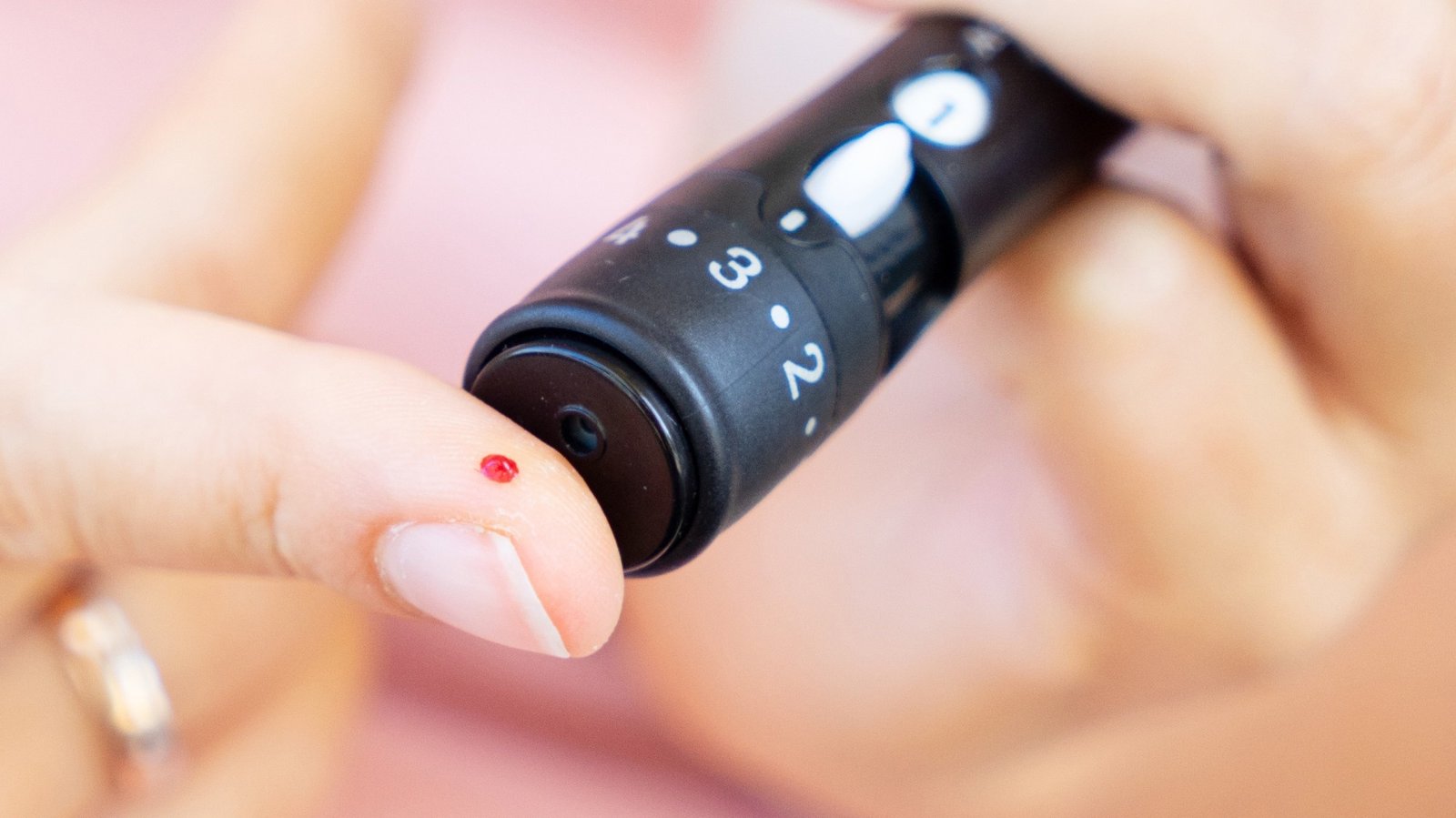
Study: Factors related to the reversal of prediabetes to patients from cardiovascular risk program during 2019 – 2023. Credit Picture: Neirfy / Shutterstock

Participation in physical activity for over 150 minutes a week can significantly reduce the evolution from Prediabetes to type 2 diabetes, as mentioned in a recent study published in the journal Cardiovascular Diabetes – Endocrinology Reports.

Background

Type 2 diabetes is a chronic metabolic disease that may increase the risk of various health complications, including cardiovascular disease and chronic kidney disease. A level of fasting blood glucose 126 mg/dl or higher or a level of glycosylated hemoglobin (glycemic control) 6.5% or higher, is indicative of type 2 diabetes.

Prediabetes is an intermediate condition where blood glucose levels are higher than normal but lower than the diabetic range. A fasting blood glucose area of ​​100 to 125 mg/dl or range of glycosylated hemoglobin from 5.7% to 6.4% is indicative of prediabetes. A result of the oral glucose tolerance test 140-199 mg/dl after a 75G glucose load is also characterized as prediabetes according to the ADA criteria.

Unhealthy lifestyle habits, including an unhealthy eating and natural inactivity, are the main modifiable risk factors for both prediabetes and type 2 diabetes. Several studies have shown that timely implementation of lifestyle interventions, such as low -level interventions, such as diet and low -level diet in Activity can significantly reduce the risk of developing prediabetes and type 2 diabetes and delay or even reverse the evolution of prediabetes to type 2 diabetes.

Various multi -scientific cardiovascular risk programs have begun to reduce the risk of cardiovascular disease in predatory and diabetic patients through lifestyle interventions. Similarly, strategies have been developed to identify people who have been prescribed in type 2 diabetes to reduce diabetes prevalence and improve management.

Monitoring prediabetes in structured cardiovascular risk programs is such a strategy, which can help identify factors related to disease progression or reversal.

Current study

With the aim of promoting public health through these strategies, the current study was designed to identify factors related to the reversal of prediabetes in normal glycaemia (normal blood glucose) in adults living with prediabetes.

The study included a total of 130 prepositional adults who participated in a cardiovascular risk program at a Cali Center in Cali, Colombia, between 2019 and 2023. All participants received quarterly, multi -scientific evaluations, including internal medicine, nutrition, nutrition. Physical activity was measured using the International Questionnaire of Physical Activity (IPAQ). Nutritional guidance has been personalized and the 7% weight loss target aims at overweight or obese people.

Basic findings

The evaluation of predatory adults revealed that the reversal of prediabetes in normal glymia occurred in 21.5% of cases, prediabetes remain in 64.6% of cases and the evolution of type 2 diabetes appeared in 13.8% of cases during the 366 days of surveillance.

The study recognized the age, body mass index (BMI) and glycosemate hemoglobin as a powerful predictor of the probability of prediabetes in the reversal of normaloglycimia in the original (bilateral) analysis. Participants aged 60 or older, in people with BMI over 25 years of age and people with hemoglobin glycosyla levels over 6% had 59%, 67% and 74% lower chance of recovering normal blood glucose levels, respectively. However, in the final (multifactorial) model, only BMI and glycosalized hemoglobin remained statistically important prognostic reversal factors, while age was not significant after adjusting for other factors.

Among the amended risk factors, physical activity has had a significant positive effect, and glycosalined hemoglobin and BMI have had a negative impact on the likelihood of reversal of prediabetes with normaloglycaemia. Performing physical activity for at least 150 minutes a week (as validated by IPAQ) was found to increase the possibility of 4.15 times. On the contrary, a level of glycosylated hemoglobin was found above 6% and one BMI above 25 found it reduced the chance of 86% and 75% respectively.

In addition, the study evaluated the glucose/triglycerides index as an insulin resistance index, finding that a higher index was associated with a lower probability of prediabetes. This indicator can be a cost -effective tool for rating risk in resource -limited arrangements.

Importance

The study emphasizes the importance of participating in regular physical activity in reducing the risk of prediabetes that proceed to type 2 diabetes. According to study findings, excessive weight gain and poor glycemic control are the two main factors that can significantly prevent prediabetes in predicts.

Participants in this study underwent specialized periods of periodic evaluation in internal medicine, nutrition, psychology and physiotherapy and received group training from health professionals. These non -pharmacological strategies are known to have a significant positive impact on disease management and health promotion. The program included quarterly clinical and laboratory evaluations, as well as continuous training for healthy eating, physical activity and cardiovascular risk management.

Prediabetes is a health condition that can be prevented, which can manage financially through non -pharmacological initiatives, including educational interventions, multi -scientific monitoring, weight loss plans, nutrition recommendations and training. The findings of the current study support this concept and contribute to public health management programs.

Glycosalized hemoglobin is a reliable indicator of glycemic control over the previous three months, it is considered a better predictor of cardiovascular risk compared to other glycemic control indicators, such as fasting blood glucose levels. The study determined the reversal of normal cacicemia based on a HBA1C level less than 5.7% and a fasting plasma glucose level less than 100 mg/dl, using them as the main outcome criteria. Using this reliable indicator, the current study states that maintaining the levels of glycosalted hemoglobin at 6% or less may be beneficial to the progressive adults in limiting the progression of the disease.

Overall, the scientific data provided by the study on the factors related to the obsession and evolution of Prediabetes would facilitate policy -making in developing policies aimed at reducing diseases and promoting public health. However, as a retroactive study of a center with a relatively short period of surveillance, the findings should be carefully interpreted on their generalization.

More large -scale population studies with longer surveillance duration are required to further extend these findings and more importantly understand the causal correlation of these factors with diabetes management.

exercise Minutes PreDiabetes Reversed Week
bhanuprakash.cg
healthtost
  • Website

Related Posts

Air conditioning in nursing homes reduces heat-related risk

February 6, 2026

Analysis: What it’s like to have non-verbal autism and what helped me

February 5, 2026

Testicular cancer self-examination and why it could save your life

February 2, 2026

Leave A Reply Cancel Reply

Don't Miss
Skin Care

5 Signs Your Skin Needs a Drink (And What to Do About It)

By healthtostFebruary 10, 20260

“style=”;” /> If your skin has been feeling a little drier lately, it’s probably low…

SPT Labtech and Bellbrook Labs Introduce High-Throughput Screening Platform for Cancer Research

February 10, 2026

Fraxel Laser in Philadelphia | About Facial Aesthetics

February 10, 2026

Stress and weight in midlife

February 9, 2026
Stay In Touch
  • Facebook
  • Twitter
  • Pinterest
  • Instagram
  • YouTube
  • Vimeo
TAGS
Baby benefits body brain cancer care Day Diet disease exercise finds Fitness food Guide health healthy heart Improve Life Loss Men mental Natural Nutrition Patients People Pregnancy protein research reveals risk routine sex sexual Skin study Therapy Tips Top Training Treatment ways weight women Workout
About Us
About Us

Welcome to HealthTost, your trusted source for breaking health news, expert insights, and wellness inspiration. At HealthTost, we are committed to delivering accurate, timely, and empowering information to help you make informed decisions about your health and well-being.

Latest Articles

5 Signs Your Skin Needs a Drink (And What to Do About It)

February 10, 2026

SPT Labtech and Bellbrook Labs Introduce High-Throughput Screening Platform for Cancer Research

February 10, 2026

Fraxel Laser in Philadelphia | About Facial Aesthetics

February 10, 2026
New Comments
    Facebook X (Twitter) Instagram Pinterest
    • About Us
    • Contact Us
    • Privacy Policy
    • Terms and Conditions
    • Disclaimer
    © 2026 HealthTost. All Rights Reserved.

    Type above and press Enter to search. Press Esc to cancel.