

Close Menu
Healthtost
  • News
  • Mental Health
  • Men’s Health
  • Women’s Health
  • Skin Care
  • Sexual Health
  • Pregnancy
  • Nutrition
  • Fitness
  • Recommended Essentials
What's Hot

AI tool predicts optimal feeding tube timing for people with MND

February 13, 2026

Beyond hot flashes: Why menopause symptoms are a heart health problem

February 13, 2026

The Real Causes of Hyperpigmentation in Melanin Rich Skin and How Xcap – MYXCAPE

February 13, 2026
Facebook X (Twitter) Instagram
  • About Us
  • Contact Us
  • Privacy Policy
  • Terms and Conditions
  • Disclaimer
Facebook X (Twitter) Instagram
Healthtost
SUBSCRIBE
  • News

    AI tool predicts optimal feeding tube timing for people with MND

    February 13, 2026

    Hamilton Storage Completes Full Transition to Green Refrigeration Across Automated Portfolio

    February 13, 2026

    Innovative methods detect aggressive prostate cancer

    February 12, 2026

    Leica Biosystems Revolutionizes Histology Workflows With Global Launch of Leica CM1950 Cryostat with DualEcoTec Cooling System

    February 12, 2026

    Healthy low-carb, low-fat diets may improve cardiovascular health

    February 11, 2026
  • Mental Health

    Bipolar Disorder: Why It Happens (and How to Snap It Off)

    February 12, 2026

    Exercise may be as effective as drugs for depression and anxiety – new study

    February 11, 2026

    Advancing the Future of Behavioral Health Data Exchange

    February 7, 2026

    How to avoid watching disturbing videos on social media and protect your peace of mind

    February 6, 2026

    Mental Health in the Black Community: Addressing…

    February 3, 2026
  • Men’s Health

    The power of sprint-based exercise

    February 12, 2026

    Why Biohack? Acceptance of our Mortality

    February 11, 2026

    Air conditioning in nursing homes reduces heat-related risk

    February 6, 2026

    Analysis: What it’s like to have non-verbal autism and what helped me

    February 5, 2026

    Testicular cancer self-examination and why it could save your life

    February 2, 2026
  • Women’s Health

    Beyond hot flashes: Why menopause symptoms are a heart health problem

    February 13, 2026

    “You have cancer” – Three words that change everything

    February 13, 2026

    What are the signs of nutritional deficiencies in hair, skin and nails? | The Wellness Blog

    February 12, 2026

    What is mental wellness and how does it differ from mental health?

    February 11, 2026

    Perimenopause symptoms to watch out for in your 30s and 40s

    February 9, 2026
  • Skin Care

    The Real Causes of Hyperpigmentation in Melanin Rich Skin and How Xcap – MYXCAPE

    February 13, 2026

    How to Look Sophisticated When You’re Running Late

    February 12, 2026

    5 Signs Your Skin Needs a Drink (And What to Do About It)

    February 10, 2026

    Fraxel Laser in Philadelphia | About Facial Aesthetics

    February 10, 2026

    Complete serum that works: The nighttime routine for real results

    February 8, 2026
  • Sexual Health

    Can cystitis be caused by stress?

    February 13, 2026

    Sex doesn’t have to end when it’s over

    February 12, 2026

    THANK YOU FOR ASKING: First Time Sex Tips

    February 11, 2026

    Australia is closer to ending cervical cancer

    February 9, 2026

    Adventurous intimacy is more common than you think — Alliance for Sexual Health

    February 5, 2026
  • Pregnancy

    Signs of labor every mom-to-be should know

    February 13, 2026

    Because the second trimester is like a deep breath

    February 11, 2026

    18 places to get free baby products, samples and gear in 2026

    February 8, 2026

    Pregnant on Chhath Puja? Hydration and nutrition tips

    February 6, 2026

    The second trimester sweet spot is real. Here’s how to get the most out of it

    February 4, 2026
  • Nutrition

    Why is the food pyramid being discussed (again).

    February 12, 2026

    How to Use Toner for Healthy, Glowing Skin • Kath Eats

    February 12, 2026

    What foods help leaky gut?

    February 11, 2026

    How sugar affects your microbes

    February 10, 2026

    Stress and weight in midlife

    February 9, 2026
  • Fitness

    10 Health Benefits of Using a CPAP Machine

    February 11, 2026

    The health benefits of walking at any age

    February 10, 2026

    The Orthopedic suggested cardio exercises that are easy on your joints

    February 8, 2026

    The Best Travel Products for Women Over 50 (Comfort and Convenience)

    February 8, 2026

    Ben Greenfield Weekly Update: January 30th

    February 7, 2026
  • Recommended Essentials
Healthtost
Home»Men's Health»Huawei Smartwatch almost fits
Men's Health

Huawei Smartwatch almost fits

healthtostBy healthtostOctober 7, 2025No Comments6 Mins Read
Facebook Twitter Pinterest LinkedIn Tumblr Reddit WhatsApp Email
Huawei Smartwatch Almost Fits
Share
Facebook Twitter LinkedIn Pinterest WhatsApp Email

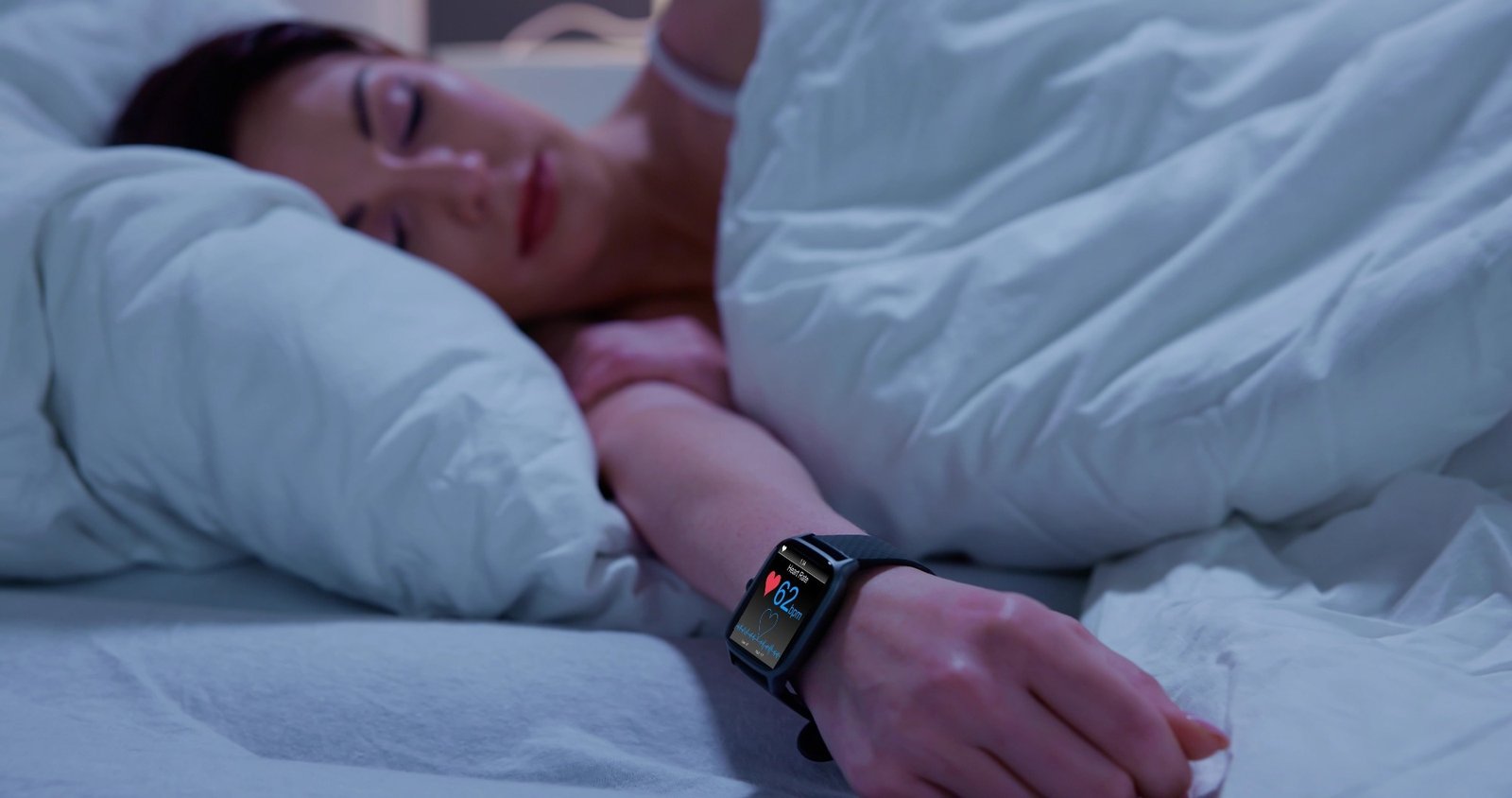
Scientists in China examined Huawei’s popular smartwatch against Lab Sleep Lab tests and found it amazingly accurate in sleep monitoring, though incomplete to diagnose sleep disorders.

Study: Validity and clinical utility of a device worn by the fruit against polymnography. Credit Picture: Andrey_Popov/Shutterstock.com

A recent Body A The study used data from participants from sleep clinics to evaluate the performance of a consumer sleep monitoring device in relation to polynomnography (PSG).

Sleep Tracking Using Portable Technology

The importance of sleep cannot be emphasized enough, with bad sleep associated with dementia, cardiovascular disease and other morbid conditions. PSG is used to measure sleep in clinical practice and is considered the golden model for sleeping disorders. However, it has known limitations, including the volatility of the night, the first night, the low cost efficiency and the need for trained professionals. Alternatives, such as portable monitoring and radiographs, are limited to specific populations and remain unclear.

Since the 1960s, sleeping technology has grown quickly, to a large extent by the developments of artificial intelligence (AI). These devices use built -in accelerometers to monitor movements and determine a person’s sleep status. Some also use mechanical learning to improve performance and provide information beyond sleep/awakening detection. However, product updates and changing algorithms often make it difficult to validate these products, making it difficult to integrate these devices into clinical practice.

This study represents the first validation of a Huawei Smartwatch in a Chinese clinical population, facing a significant gap, as most previous validation studies have focused on western brands such as Fitbit and Apple.

For the study

This study evaluated the performance of the Huawei Watch GT2 against the PSG. The Huawei Watch GT2 collects heart rate and sleeping variant signals for sleep detection. Smartwatch was tested in different sleep disorders. Adult participants who had completed the demographics and sleep questionnaires were hired from March 1, 2021 and April 30, 2023. People who worked night shifts in the last 6 months, slept less than 4 hours, had cognitive conditions.

All participants completed a one night PSG follow -up and the sleeping stages (N1, N2, N3 and Rapid Eye Sleep) were rated. The 30s seasons were used to analyze and abstain and sleep. Obstructive sleep apnea (OSA) was diagnosed using an apnea sub -sector (AHI) greater than or equal to 15/h. Other hypoxemia indicators were collected, such as the lower saturation of the oxygen pulse (LSPO2) and the Oxygen cutter (ODI).

Smartwatch provided four stages of sleep recording: awake, slight sleep (equivalent to N1 and N2), deep sleep (equals N3) and REM sleep. Measurements of interest included total sleep time (TST), awakening after sleeping (WASO) and sleep performance (SE), which is defined as TST divided by minutes between lights and lights. Because raw data could not be extracted from the device, the researchers manually exported information to sleep from the application graphs, ensuring synchronized PSG data timing.

Study findings

A total of 98 participants met the integration criteria, with about 84% being men. The average age and body mass index (BMI) was 45 and 26.0kg/m2, respectively. More than half of the participants complained of drowsiness during the day and poor sleep quality. The median SE and TST were 85% and 405.8 minutes, respectively. The results of the PSG showed that 47 patients had moderate to severe OSA, 33 patients were normal, 12 suffered from conspiratorial insomnia and sleep apnea and 30 had clinical insomnia.

PSG and Smart watches more agreed on Wake and Light sleep sorts. The smart watch seemed to sort the PSG REM as a slight sleep and the error rates in this case were high. In addition, deep sleep and REM sleep are often classified as a slight sleep. Among other possible stages, incorrect sorting errors were relatively lower.

Smartwatch agreed with the PSG for sleep EBE against WAKE states with a specialty of 44.5%and 95.3%sensitivity and the positive predictive value (PPV) was 72.20%. The total accuracy reached 87.3%and Cohen’s K Cohen 0.43 (K = 0.75) showed a moderate to downgrade between the two devices.

In addition to light sleep, the smart watch showed high accuracy for all sleep stages, ie more than 70%. The smart watch greatly overestimated SE, TST, deep sleep, REM sleep and delay in sleeping (SOL) while underestimating the WASO. Specifically, it overestimated the total sleep time by about +28.5 minutes and sleeping by +5.9 percentage points, while devaling up awakening after about -37 minutes.

After adapting to unstable sleep, the delay in persistent sleeping levels (LPS) between PSG and Smartwatch was not significantly different. In patients with sleep disorders, T tests have revealed lower precision in patients with insomnia and lower sensitivity to OSA patients than healthy tests. However, no significant differences were found between subgroups of disorder in the sleeping stage agreement.

Compared to the published criteria for accepted prejudice in portable validation studies (≤30 minutes for TST and ≤5% for SE), the performance of the performance “almost reached” the standards of rays of research quality, supporting its potential as a low -cost tool for sleeping/wake -up detection.

Conclusions

In summary, the Huawei Watch GT2 has a high deal in sleep/waking detection with PSG. While using smartwatches. Consumers and healthcare professionals need to be aware of the overestimation of the sleeping stage and underestimation.

A key restriction of the study revolves around the fact that it was carried out in a single center with a limited number of participants, thereby limiting generalization. Other sleep and mental disorders, such as narcolepsy, depression and periodic disorders of limb movement, were not evaluated.

The device’s algorithm was privately owned and can be changed by updates, requiring a review with any software repeat. In addition, some participants showed loss of data due to the removal or movement of the device during sleep. The rapidly updating of algorithms require new validation and this issue limits the clinical application of portable consumer devices.

Overall, the study suggests that while consumers wearing, such as the Huawei Watch GT2, it is not yet appropriate replacement of PSG in the diagnosis of sleep disorders, they can provide reliable monitoring of two stages (sleep/awakening) for general sleeping health monitoring.

Download your PDF copy now!

fits Huawei smartwatch
bhanuprakash.cg
healthtost
  • Website

Related Posts

The power of sprint-based exercise

February 12, 2026

Why Biohack? Acceptance of our Mortality

February 11, 2026

Air conditioning in nursing homes reduces heat-related risk

February 6, 2026

Leave A Reply Cancel Reply

Don't Miss
News

AI tool predicts optimal feeding tube timing for people with MND

By healthtostFebruary 13, 20260

A new artificial intelligence tool that accurately predicts the need for a feeding tube could…

Beyond hot flashes: Why menopause symptoms are a heart health problem

February 13, 2026

The Real Causes of Hyperpigmentation in Melanin Rich Skin and How Xcap – MYXCAPE

February 13, 2026

Can cystitis be caused by stress?

February 13, 2026
Stay In Touch
  • Facebook
  • Twitter
  • Pinterest
  • Instagram
  • YouTube
  • Vimeo
TAGS
Baby benefits body brain cancer care Day Diet disease exercise finds Fitness food Guide health healthy heart Improve Life Loss Men mental Natural Nutrition Patients People Pregnancy protein research reveals risk routine sex sexual Skin study Therapy Tips Top Training Treatment ways weight women Workout
About Us
About Us

Welcome to HealthTost, your trusted source for breaking health news, expert insights, and wellness inspiration. At HealthTost, we are committed to delivering accurate, timely, and empowering information to help you make informed decisions about your health and well-being.

Latest Articles

AI tool predicts optimal feeding tube timing for people with MND

February 13, 2026

Beyond hot flashes: Why menopause symptoms are a heart health problem

February 13, 2026

The Real Causes of Hyperpigmentation in Melanin Rich Skin and How Xcap – MYXCAPE

February 13, 2026
New Comments
    Facebook X (Twitter) Instagram Pinterest
    • About Us
    • Contact Us
    • Privacy Policy
    • Terms and Conditions
    • Disclaimer
    © 2026 HealthTost. All Rights Reserved.

    Type above and press Enter to search. Press Esc to cancel.