

Close Menu
Healthtost
  • News
  • Mental Health
  • Men’s Health
  • Women’s Health
  • Skin Care
  • Sexual Health
  • Pregnancy
  • Nutrition
  • Fitness
  • Recommended Essentials
What's Hot

Why it still makes sense to limit saturated fat

January 17, 2026

The FDA-cleared ADHD device is not effective in reducing symptoms

January 16, 2026

Escape Gym Groundhog Day: Why your workout takes seasons

January 16, 2026
Facebook X (Twitter) Instagram
  • About Us
  • Contact Us
  • Privacy Policy
  • Terms and Conditions
  • Disclaimer
Facebook X (Twitter) Instagram
Healthtost
SUBSCRIBE
  • News

    The FDA-cleared ADHD device is not effective in reducing symptoms

    January 16, 2026

    Incretin-based diabetes drugs show possible protective effects against dementia

    January 16, 2026

    Does night work increase the risk of osteoporosis?

    January 15, 2026

    Scientists uncover promising therapeutic target for autoimmune disease that affects the brain

    January 15, 2026

    Long-term singles experience a sharper decline in life satisfaction and well-being

    January 14, 2026
  • Mental Health

    How to apply for a fully funded PhD in the UK

    January 8, 2026

    9 Secrets on How to Stop Procrastinating

    January 6, 2026

    Setting boundaries for self-care in 2026

    January 4, 2026

    In a world of digital money, what is the proper etiquette for splitting the bill with friends?

    January 1, 2026

    Rest is essential during the holidays, but it can mean getting active, not crashing on the couch

    December 26, 2025
  • Men’s Health

    Why it still makes sense to limit saturated fat

    January 17, 2026

    Escape Gym Groundhog Day: Why your workout takes seasons

    January 16, 2026

    What is Blue Collar Guilt?

    January 14, 2026

    Glucose stability in diabetes is enhanced by natural daylight

    January 10, 2026

    I reconcile my father’s anger and mine: some hills don’t deserve to die

    January 10, 2026
  • Women’s Health

    What really works? – Vuvatech

    January 16, 2026

    What is mental wellness and how does it differ from mental health?

    January 14, 2026

    Beyond weight loss: How GLP-1 ‘miracle drugs’ are revolutionizing whole-body health

    January 14, 2026

    8 Simple Food Swaps to Improve Your Health

    January 13, 2026

    Ways Omega-3s Benefit Women Specifically

    January 13, 2026
  • Skin Care

    An OUMERE Scientific and Regul – OUMERE

    January 16, 2026

    Collagen Induction Treatments in Rittenhouse Square

    January 15, 2026

    🥜⚠️ Why nut allergies are on the rise—and what it means for its future

    January 14, 2026

    Postnatal massage: Benefits, timing and what to book

    January 13, 2026

    Prepare your lips for the cold with TNW Lip Balm – The Natural Wash

    January 12, 2026
  • Sexual Health

    Your ultimate guide to climax and orgasm control

    January 16, 2026

    Stillbirths may be more common in US than previously known—Study

    January 14, 2026

    COVID-19 heightens vulnerabilities for women asylum seekers and refugee women in South Africa < SRHM

    January 14, 2026

    What does an unclear test result mean?

    January 13, 2026

    Relationship diversity, conflict, and why it matters for sex counselor certification — Sexual Health Alliance

    January 12, 2026
  • Pregnancy

    Weighing in: How GLP-1s fit into your pregnancy plans

    January 15, 2026

    5 foods, 4 habits, 3 reminders

    January 14, 2026

    I’m pregnant… Now what? 13 Things You Should Do Right Now

    January 14, 2026

    Which vitamins and minerals are important to consume during pregnancy?

    January 12, 2026

    Supporting emotional development in our children and ourselves – Podcast Ep 194

    January 11, 2026
  • Nutrition

    Sliced ​​meatballs | The Nutritionist Reviews

    January 16, 2026

    5-ingredient skillet dinner recipe

    January 15, 2026

    Family sheet-Gnocchi pan with vegetables and chicken sausage (30 minutes!)

    January 15, 2026

    3 Easy, Nutritious Salads – JSHealth

    January 13, 2026

    What to Eat During Weeks 2-4 on GLP-1: Simple Protein Plan | glp-1, weight loss, medical weight loss and more

    January 13, 2026
  • Fitness

    Not sure your multivitamin is working? 3 ways the signal could be missing

    January 16, 2026

    Barbell RDL: Proper Form & Benefits

    January 15, 2026

    Lazy high protein dinners that I make when I don’t feel like cooking

    January 15, 2026

    Behavioral health 101: What it means and why it matters

    January 14, 2026

    Snack smarter this New Year: 5 healthy low-calorie options

    January 13, 2026
  • Recommended Essentials
Healthtost
Home»Pregnancy»How mobility and stability change during pregnancy
Pregnancy

How mobility and stability change during pregnancy

healthtostBy healthtostJanuary 6, 2024No Comments5 Mins Read
Facebook Twitter Pinterest LinkedIn Tumblr Reddit WhatsApp Email
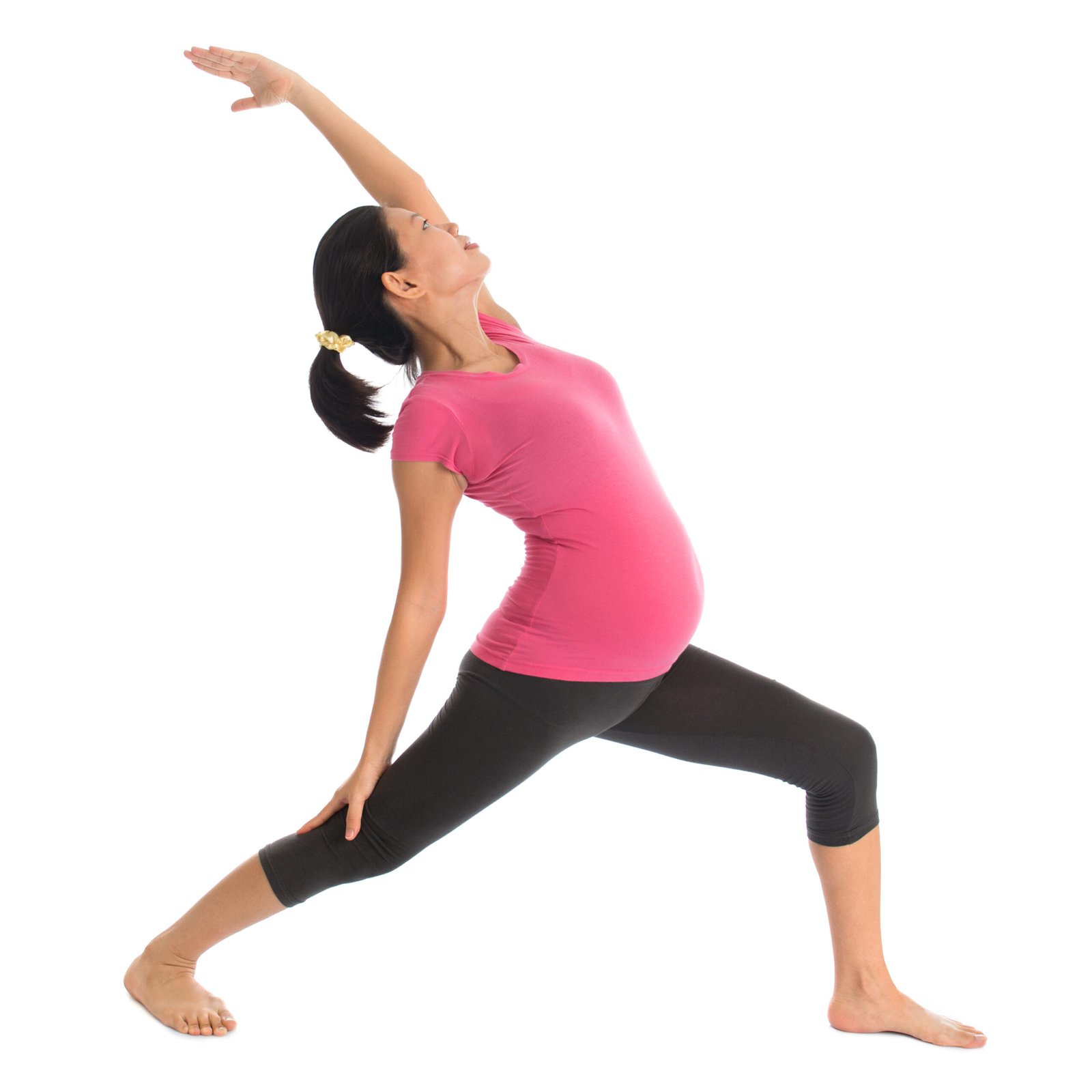
How Mobility And Stability Change During Pregnancy
Share
Facebook Twitter LinkedIn Pinterest WhatsApp Email

You’ve noticed that you’ve felt a little more “wobbly” during your pregnancy, or even longer flexible than you were If you have, fear not. This is completely normal and is due to one of the (many) hormonal changes of pregnancy.

While there are a number of hormonal changes that the pregnancy body undergoes, there is one particular hormonal change that can have a big effect on your movements – and that is the increase in a hormone called relaxation.

In this article, we’ll discuss what slack is and why it can affect your movements. Next, we’ll discuss the specific implications for physical activity and provide strategies to help you feel strong and fit throughout your pregnancy.

What is Relaxin?

As the name sounds, relaxation works to Relax joints, ligaments and other connective tissues to allow your body to adjust to carry a growing baby. In addition, it provides the looseness and mobility needed for birth, especially in your pelvic area. So in that sense, it is very helpful when it comes to carrying and birthing a baby. On the other hand, this increased mobility also has an impact on your daily movements.

How does Relaxin affect movement?

A consequence of the laxity of the soft tissues is that often increases your mobility and lowers your stability.

Think about it: hormones don’t work in isolation — they do whole body belongings. So if your ligaments and tendons are telling you to relax, so are your joints (because ligaments and tendons hold your joints together). As a result, you may have more mobility in parts of your body that you are not used to.

For example, maybe your shoulder can reach further behind your head than it could before, or you feel a little more “wobbly” when standing on one leg. Some pregnant people are greatly affected by the effects of chalasin, while others feel no change in their movements. But it’s important to be aware of these changes so you can monitor them and modify your moves if necessary.

Relaxation affects the whole body but it is most commonly felt in the pelvic/hip areaespecially when combined with shifts in alignment and center of gravity. So you may have more trouble controlling activities with one leg, such as lunges, climbing stairs, or quick changes of direction.

Implications for physical activity

Here are some important things to keep in mind when it comes to physical activity.

  1. Avoid excessive stretching: While you can touch more flexible, you don’t want to further widen that gap between mobility and stability. So when you stretch, go exactly where you feel your natural stopping point. Don’t push further.
  2. Be careful when performing weight-bearing activity with one leg: If you feel a little less stable than usual, you may want to back off the move you’re making to find a more stable option. For example, if lunges don’t feel comfortable, go for squats (where your weight is evenly distributed on both legs) instead. Be especially careful with ballistic monopod activities with jumping lunges, skaters and other high-impact single-leg exercises that involve rapid changes of direction. These high impact movements carry increased risk as slack continues to increase.
  3. Focus on strength training: Strength training can create more stability and potentially help offset some of the effects of laxity. Below are some great exercises to help you build strength in a safe and effective way.

4 Movements to increase stability

Here are 4 exercises to help you build strength and stability. Progress through them to numerical order. Only proceed if you feel in control of the current movement.

1. Split Squat

This motion more directly simulates a launch pattern while still giving you the stability of two points of contact with the ground. You can widen the legs to add more stability.

2. Squat with Rear Leg Reach

This movement begins to remove one supporting leg for a short duration, causing more of the stabilizing leg.

3. Lateral Slide Lunge

This movement maintains two points of support on the ground, but causes the non-moving leg to stand for longer periods during the gliding movement. You can use a paper towel or socks on a hard floor if you don’t have a skid plate.

4. Squat with Side Leg Reach

This movement, similar to the Rear Leg Reach Squat, is designed to make you more stable on one leg as the moving leg briefly leaves the ground.

You may not go through all the motions, and that’s totally okay. As mentioned, relaxation affects each person differently. So do what feels safe for you. If needed, you can always focus bilateral movements like squats, deadlifts and bridges where your weight is evenly distributed on both legs.

Want additional resources?

For additional resources to help you exercise safely and Efficiently during pregnancy, explore us Education Programs and Services. You’ll find a variety of offerings tailored to different needs — from training, to self-directed programs, to the ability to work with an experienced coach.

Or, if you are a health and fitness professional interested in coaching pre and postnatal clients check it out ProNatal Training & Certification.

change mobility Pregnancy stability
bhanuprakash.cg
healthtost
  • Website

Related Posts

Weighing in: How GLP-1s fit into your pregnancy plans

January 15, 2026

5 foods, 4 habits, 3 reminders

January 14, 2026

I’m pregnant… Now what? 13 Things You Should Do Right Now

January 14, 2026

Leave A Reply Cancel Reply

Don't Miss
Men's Health

Why it still makes sense to limit saturated fat

By healthtostJanuary 17, 20260

With Joshua Cohen Aafter repeated delays, United States Department of Health and Human Services…

The FDA-cleared ADHD device is not effective in reducing symptoms

January 16, 2026

Escape Gym Groundhog Day: Why your workout takes seasons

January 16, 2026

Your ultimate guide to climax and orgasm control

January 16, 2026
Stay In Touch
  • Facebook
  • Twitter
  • Pinterest
  • Instagram
  • YouTube
  • Vimeo
TAGS
Baby benefits body brain cancer care Day Diet disease exercise finds Fitness food Guide health healthy heart Improve Life Loss Men mental Natural Nutrition Patients People Pregnancy protein research reveals risk routine sex sexual Skin study Therapy Tips Top Training Treatment ways weight women Workout
About Us
About Us

Welcome to HealthTost, your trusted source for breaking health news, expert insights, and wellness inspiration. At HealthTost, we are committed to delivering accurate, timely, and empowering information to help you make informed decisions about your health and well-being.

Latest Articles

Why it still makes sense to limit saturated fat

January 17, 2026

The FDA-cleared ADHD device is not effective in reducing symptoms

January 16, 2026

Escape Gym Groundhog Day: Why your workout takes seasons

January 16, 2026
New Comments
    Facebook X (Twitter) Instagram Pinterest
    • About Us
    • Contact Us
    • Privacy Policy
    • Terms and Conditions
    • Disclaimer
    © 2026 HealthTost. All Rights Reserved.

    Type above and press Enter to search. Press Esc to cancel.