

Close Menu
Healthtost
  • News
  • Mental Health
  • Men’s Health
  • Women’s Health
  • Skin Care
  • Sexual Health
  • Pregnancy
  • Nutrition
  • Fitness
  • Recommended Essentials
What's Hot

Top nutrients and vitamins for skin health (supported by nutrition)

February 23, 2026

Alistair Black’s WWE Workout: The Martial Arts & Powerlifting Plan That’s Keeping Him Strong at 40

February 23, 2026

Engineers develop high-precision gene editor for safer cystic fibrosis treatments

February 23, 2026
Facebook X (Twitter) Instagram
  • About Us
  • Contact Us
  • Privacy Policy
  • Terms and Conditions
  • Disclaimer
Facebook X (Twitter) Instagram
Healthtost
SUBSCRIBE
  • News

    Engineers develop high-precision gene editor for safer cystic fibrosis treatments

    February 23, 2026

    Researchers show that red blood cells increase glucose tolerance at high altitude

    February 23, 2026

    Colorful electron microscopy reveals proteins and cellular architecture at nanoscale resolution

    February 22, 2026

    Smarter timing of cancer treatments could improve cure rates, study suggests

    February 22, 2026

    Single prenatal exposure to fungicide linked to disease in 20 generations

    February 21, 2026
  • Mental Health

    50 Inspirational Ways to Navigate Your Life by Susie Hall

    February 22, 2026

    What is medication therapy?

    February 17, 2026

    Why do I have “butterflies in my stomach”?

    February 15, 2026

    Bipolar Disorder: Why It Happens (and How to Snap It Off)

    February 12, 2026

    Exercise may be as effective as drugs for depression and anxiety – new study

    February 11, 2026
  • Men’s Health

    Can mobile apps change the way we eat?

    February 18, 2026

    Tiny particles, big impact: Toward less invasive brain stimulation

    February 18, 2026

    How to sauna: All frequently asked questions

    February 17, 2026

    The power of sprint-based exercise

    February 12, 2026

    Why Biohack? Acceptance of our Mortality

    February 11, 2026
  • Women’s Health

    Which SPF 50 formula is for you?

    February 23, 2026

    Take the step to enhance your recovery with contrast therapy

    February 22, 2026

    Who can be called a “professional”? Student Loan Policy and the Future of Black Women in Nursing

    February 21, 2026

    Don’t Get Caught in a ‘Web’ of Misinformation – Dos and Don’ts of Doing Your Diagnostic Research Online

    February 21, 2026

    From knee surgery to the ski slopes: How Ann got her life back

    February 19, 2026
  • Skin Care

    Say goodbye to Frizz with Banana & Repair Ran – The Natural Wash

    February 23, 2026

    Tropic Ambassadors | Susie Ma

    February 23, 2026

    5 daily habits that can age your skin

    February 22, 2026

    LED light therapy for acne at home: what the evidence supports (and what it doesn’t)

    February 22, 2026

    Why Melanin-rich skin loses its firmness and how to restore it – MYXCAPE

    February 21, 2026
  • Sexual Health

    Jesse Jackson opened the doors for black women in politics

    February 22, 2026

    Female Genital Mutilation in Africa: Politics of Criminalization

    February 21, 2026

    The alarming rise in bowel cancer rates in young people

    February 21, 2026

    Lessons from retail expert Nicole Leinbach Hoffman — Sexual Health Alliance

    February 20, 2026

    ACS publishes new guidelines for cervical cancer screening

    February 17, 2026
  • Pregnancy

    Labor and Delivery Schedule: Dreading Birth?

    February 23, 2026

    Why Chromosomally Normal Embryos Still Fail to Implant: New IVF Research Explains

    February 21, 2026

    Can cesarean mothers get cord blood? What to know

    February 19, 2026

    Labor & Pregnancy? the untold truths of labor during pregnancy

    February 17, 2026

    Why investing in one step can save your pelvic floor

    February 16, 2026
  • Nutrition

    Top nutrients and vitamins for skin health (supported by nutrition)

    February 23, 2026

    5 Walking Routines to Lose Body Fat and Burn More Calories

    February 22, 2026

    How to hydrate skin overnight • Kath Eats

    February 22, 2026

    Extremity weight loss devices

    February 21, 2026

    The benefits of raw cocoa

    February 20, 2026
  • Fitness

    Alistair Black’s WWE Workout: The Martial Arts & Powerlifting Plan That’s Keeping Him Strong at 40

    February 23, 2026

    Program Design – Tony Gentilcore

    February 20, 2026

    20 Useful Health Hacks That Work in 2026

    February 20, 2026

    7 Gentle Yoga Poses in Bed for Adults Over 50

    February 19, 2026

    Three unique ways to improve your functional strength

    February 17, 2026
  • Recommended Essentials
Healthtost
Home»Skin Care»How climate change is affecting eczema: What you need to know and how to find relief
Skin Care

How climate change is affecting eczema: What you need to know and how to find relief

healthtostBy healthtostSeptember 27, 2024No Comments6 Mins Read
Facebook Twitter Pinterest LinkedIn Tumblr Reddit WhatsApp Email
How Climate Change Is Affecting Eczema: What You Need To
Share
Facebook Twitter LinkedIn Pinterest WhatsApp Email

Is climate change affecting eczema?

According to recent research, it is—but it depends on where you live.

In this post, we take a look at the impact climate change can have on your symptoms and what you can do to make your skin look and feel more comfortable.

Climate change affects eczema: What the research shows

Scientists published a new review in June 2024. They looked at 18 studies that looked at the effects of climate risks and atopic dermatitis (AD), another name for eczema.

They found that most climate hazards had evidence of worsening AD symptoms, with effects varying from direct to indirect effects.

For example, an increase in wildfires in some areas could worsen symptoms in those caused by the presence of particulate matter in the air. This was an immediate result. Then there were indirect effects, such as food insecurity and drought-induced migration.

Jessica Johnson, MPHdirector of community research and engagement at the National Eczema Association, noted that the majority of climate risks linked to greenhouse emissions “have a negative impact on the prevalence, severity, and health care utilization of NA.

He added that the impact of climate change on AD is “influenced by geographic region and climate,” with rainfall appearing to increase the risk of AD in children in the U.S. Studies in other geographic areas, however, have shown that rainfall is associated with increased AD symptoms only when daily rainfall was below a certain threshold.

The scientists also created maps that show how climate hazards affected eczema in some geographic areas, plotting cumulative exposure in 2005 and 2017, as well as projections to 2053. Maps from 2005 and 2017 showed overlap between areas with greater exposure to climate hazards and increased prevalence of atopic dermatitis. The 2053 maps were used to indicate those areas likely to be most affected in the future.

Ultimately, the scientists noted that more data was needed, particularly from those regions most likely to face more climate risks.

Other studies support the idea that climate change is affecting eczema

This is not the only study looking at this issue. Scientists reported in 2021 that Eczema is an ‘environmental disease’ noting that climate change “alters pollen allergenicity, which increases atopic eczema symptoms in some patients during the pollen season.”

Some eczema sufferers know that pollen triggers them and plants tend to produce more pollen in warmer temperatures. Temperature increases associated with climate change can increase pollen levels, which can worsen symptoms.

Researchers also reported in 2023 that both cold and hot temperatures can affect itchingskin eruptions, skin barrier dysfunction and development of AD.

Harvard Health reported in the summer of 2024 that wildfires in Quebec and the resulting dense fog over Boston, Massachusetts, increased eczema and dermatitis outbreaks in patients. When scientists examined itfound a marked rise and atypical summer peak in carbon monoxide levels in the Boston area while the fires were ongoing, and this was associated with a sharp increase in eczema-related disease, dermatitis, and dermatology clinic visits.

Air pollution, exacerbated by wildfires, can damage the skin through smoke and firefighting chemicals. These can cause inflammation in the skin, which leads to itching, rash, dryness and breakouts.
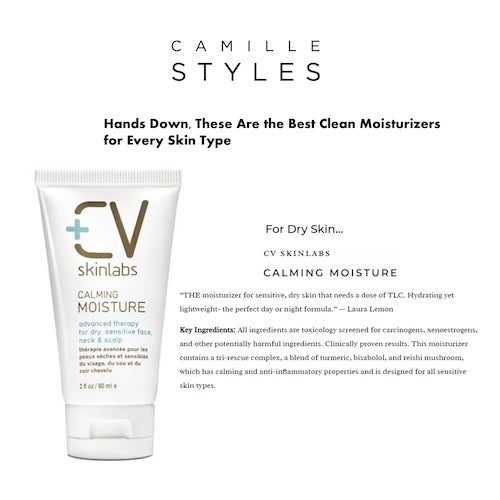
The link between climate change and eczema

In general, climate change can affect eczema in three main ways:

Increased Allergens

As the planet warms, the pollen season is getting longer and more intense. This means more allergens are floating around, which can trigger an eczema flare-up. Climate change also affects mold and dust mites, which can also cause symptoms.

Extreme weather phenomena

Heatwaves, heavy rains and humidity are becoming more frequent due to climate change. Excessive heat can dry out your skin and worsen itching, while high humidity can lead to excessive sweating, which is another eczema trigger.

Air pollution

Air quality decreases as pollutants increase. Ozone and particulate matter irritate the skin and can worsen eczema symptoms.

Climate change affecting eczema: Managing your symptoms

Being aware of what the weather is doing in your area can help you take precautions to increase your skin’s resistance and reduce your symptoms. Here are some practical tips to help keep your eczema under control.

Stay hydrated

One of the best ways to fight eczema is to keep your skin well moisturized. In dry, hot weather, our skin can quickly lose its moisture. Use a thick, emollient moisturizer daily and always apply immediately after bathing to lock in moisture.

Look for fragrance-free products designed for sensitive skin, such as Calming Moisture and Body Repair Lotion. Both are designed to help protect the outer barrier while providing deep nourishing moisture.

Choose your skin care products wisely

Choose gentle, hypoallergenic products. Avoid soaps and cleansers with harsh chemicals, as they can strip your skin of its natural oils, further drying it out. Also avoid alcohol-based toners, as they are drying and can make your symptoms worse.

We recommend using Rescue + Relief Spray as a tonic and refresher at all times. It is cooling, soothing and hydrating and helps to keep the skin moist throughout the day. It also helps prepare the skin for moisturiser, balancing pH levels and taming inflammation.

Allergen control

To deal with increased allergens, keep your environment as allergen-free as possible. Clean your home regularly to reduce dust and mold. Use HEPA filters in your air purifiers and consider keeping windows closed during high pollen seasons. Wash bedding and pillowcases frequently in hot water to reduce dust mites. Use a humidifier in your bedroom if you live in a dry climate.

Stay cool and hydrated

Since heat and humidity can trigger eczema symptoms, stay cool and dry. Wear light, breathable fabrics such as cotton and avoid overheating. Stay hydrated by drinking plenty of water, which helps maintain your skin’s moisture balance.

Manage stress

Climate change can be a source of stress, and stress is a known trigger for eczema flare-ups. Find ways to manage stress through relaxation techniques such as deep breathing, meditation, yoga, journaling and meditation. Find activities that you enjoy and that help you de-stress every day.

Monitor your surroundings

If air pollution is a concern in your area, limit your time outside during periods of high pollution. Check local air quality reports and stay indoors on days when pollution levels are high. Using a high-quality indoor air purifier can also help reduce exposure to pollutants. Houseplants also help clean indoor air, as long as you keep them well cared for and prevent mold.

Have you noticed climate change affecting your eczema?

Featured image from the RDNE Stock project via Pexels.

affecting change Climate Eczema find Relief
bhanuprakash.cg
healthtost
  • Website

Related Posts

Say goodbye to Frizz with Banana & Repair Ran – The Natural Wash

February 23, 2026

Tropic Ambassadors | Susie Ma

February 23, 2026

5 daily habits that can age your skin

February 22, 2026

Leave A Reply Cancel Reply

Don't Miss
Nutrition

Top nutrients and vitamins for skin health (supported by nutrition)

By healthtostFebruary 23, 20260

Considering our skin is the first thing people see about us, it’s no surprise that…

Alistair Black’s WWE Workout: The Martial Arts & Powerlifting Plan That’s Keeping Him Strong at 40

February 23, 2026

Engineers develop high-precision gene editor for safer cystic fibrosis treatments

February 23, 2026

Say goodbye to Frizz with Banana & Repair Ran – The Natural Wash

February 23, 2026
Stay In Touch
  • Facebook
  • Twitter
  • Pinterest
  • Instagram
  • YouTube
  • Vimeo
TAGS
Baby benefits body brain cancer care Day Diet disease exercise finds Fitness food Guide health healthy heart Improve Life Loss Men mental Natural Nutrition Patients People Pregnancy protein research reveals risk routine sex sexual Skin study Therapy Tips Top Training Treatment ways weight women Workout
About Us
About Us

Welcome to HealthTost, your trusted source for breaking health news, expert insights, and wellness inspiration. At HealthTost, we are committed to delivering accurate, timely, and empowering information to help you make informed decisions about your health and well-being.

Latest Articles

Top nutrients and vitamins for skin health (supported by nutrition)

February 23, 2026

Alistair Black’s WWE Workout: The Martial Arts & Powerlifting Plan That’s Keeping Him Strong at 40

February 23, 2026

Engineers develop high-precision gene editor for safer cystic fibrosis treatments

February 23, 2026
New Comments
    Facebook X (Twitter) Instagram Pinterest
    • About Us
    • Contact Us
    • Privacy Policy
    • Terms and Conditions
    • Disclaimer
    © 2026 HealthTost. All Rights Reserved.

    Type above and press Enter to search. Press Esc to cancel.