


A team led by researchers at the University of Toronto found an association between highly processed foods in early childhood and behavioral and emotional development.
Specifically, the team found that higher consumption of highly processed foods is associated with behavioral and emotional difficulties, such as anxiety, fear, aggression or hyperactivity.
The preschool years are critical for child development and are also when children begin to establish eating habits.”
Kozeta Miliku, principal investigator on the study and assistant professor of nutritional sciences, U of T’s Temerty Faculty of Medicine
“Our findings highlight the need for early life interventions, such as professional counseling for parents and caregivers, as well as public health campaigns, dietary standards for child care providers, and reformulation of some packaged foods,” Miliku said.
This study, published in JAMA Network Openis the first to examine ultra-processed food consumption and standardized behavioral assessments in children using detailed, prospective data. It is also one of the largest ever on early childhood behavior and mental health.
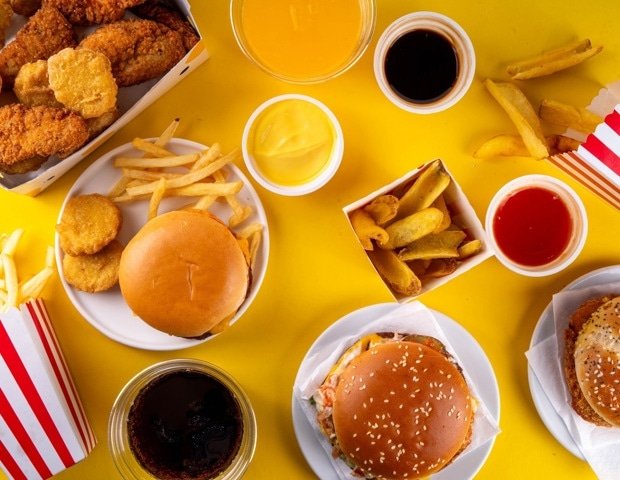
Highly processed foods are industrial concoctions made largely from refined ingredients and additives not commonly used in home cooking. In Canada, they make up almost half of preschool children’s caloric intake.
The researchers drew information from the CHILD Cohort Study, a longitudinal population-based study that recruited pregnant women between 2009 and 2012 and followed their children from before birth to adolescence at four sites across Canada.
Researchers looked at dietary data from more than 2,000 three-year-olds. Two years later, when the children were five, the team assessed the preschoolers’ scores on the validated Child Behavior Checklist, a widely used measure of emotional and behavioral well-being in children.
The research team — which included first authors Meaghan Kavanagh (a postdoctoral fellow) and Zheng Hao Chen (a doctoral student in Miliku’s lab) — found that for every 10 percent increase in calories from ultra-processed foods, children had higher scores on measures of internalizing behaviors (such as anxiety and hyperactivity, hyperactivity and fearfulness). behavioral difficulties.
Higher scores indicate more reported behavioral challenges.
Certain categories of highly processed foods showed stronger associations, particularly sugar-sweetened beverages and artificially sweetened beverages. Ready-to-eat and ready-to-heat foods such as French fries or macaroni and cheese were associated with higher scores.
In statistical models simulating dietary change, replacing 10 percent of energy from highly processed foods with minimally processed foods, such as fruits, vegetables and other whole foods, was associated with lower behavior scores.
Miliku, who is also a researcher at U of T’s Joannah & Brian Lawson Center for Child Nutrition, said the findings show that making even a few changes can make a difference in supporting healthier development.
“Our findings suggest that even modest shifts toward minimally processed foods, such as whole fruits and vegetables, in early childhood may support healthier behavioral and emotional development,” he said.
Miliku’s interest in the subject was sparked by daily observations as a parent.
“As a parent of a young child, I began to notice how often convenience foods appear in children’s diets, sometimes even in what we consider healthy environments,” she said.
A growing body of evidence links highly processed foods to increased risks of obesity and cardiometabolic disease in adults and children. Previous research has also suggested associations between these foods and negative behaviors and mental health outcomes in adolescents and adults.
“Parents are doing their best, and not all families have access to single-ingredient foods or the tools and time to incorporate them into their families’ diets,” Miliku said.
“Highly processed foods are widely available, affordable and convenient,” he added. “It’s important to look at how we can gradually increase whole and minimally processed options when possible.”
Miliku said even small changes, such as adding a piece of fruit or replacing a sugary drink with water, can support children’s emotional and behavioral development over time.
“The goal is to provide evidence that can help families make informed choices,” he said.
This study was funded by the Canadian Institutes of Health Research and a Temerty School of Medicine Pathway Grant.
