

Close Menu
Healthtost
  • News
  • Mental Health
  • Men’s Health
  • Women’s Health
  • Skin Care
  • Sexual Health
  • Pregnancy
  • Nutrition
  • Fitness
  • Recommended Essentials
What's Hot

How sugar affects your microbes

February 10, 2026

The health benefits of walking at any age

February 10, 2026

‘Partial reprogramming’ of engram neurons restores memory performance in mice

February 10, 2026
Facebook X (Twitter) Instagram
  • About Us
  • Contact Us
  • Privacy Policy
  • Terms and Conditions
  • Disclaimer
Facebook X (Twitter) Instagram
Healthtost
SUBSCRIBE
  • News

    ‘Partial reprogramming’ of engram neurons restores memory performance in mice

    February 10, 2026

    SPT Labtech and Bellbrook Labs Introduce High-Throughput Screening Platform for Cancer Research

    February 10, 2026

    The nervous system actively promotes precancerous lesions of the pancreas

    February 9, 2026

    UK Ambulance Intensive Care Expands But Unequal Access Still Limits Life-Saving Treatment

    February 9, 2026

    New neuroprotective drug improves recovery after acute ischemic stroke

    February 8, 2026
  • Mental Health

    Advancing the Future of Behavioral Health Data Exchange

    February 7, 2026

    How to avoid watching disturbing videos on social media and protect your peace of mind

    February 6, 2026

    Mental Health in the Black Community: Addressing…

    February 3, 2026

    Some people gain confidence when they think things through, others lose it – new research

    February 2, 2026

    3 practical ways to improve a writer’s mental health

    January 31, 2026
  • Men’s Health

    Air conditioning in nursing homes reduces heat-related risk

    February 6, 2026

    Analysis: What it’s like to have non-verbal autism and what helped me

    February 5, 2026

    Testicular cancer self-examination and why it could save your life

    February 2, 2026

    25-Minute Bodyweight Functional Training Program for Beginners

    February 1, 2026

    Turning everyday eggs into powerful nutrient delivery systems

    January 30, 2026
  • Women’s Health

    Perimenopause symptoms to watch out for in your 30s and 40s

    February 9, 2026

    Breast reduction surgery saved my life

    February 9, 2026

    2.6 Friday Faves – The Fitnessista

    February 7, 2026

    Enjoying Endorphins: How to Spoil Your Mood with Feel-Good Hormones

    February 5, 2026

    A critical maternal health data system is at risk

    February 5, 2026
  • Skin Care

    5 Signs Your Skin Needs a Drink (And What to Do About It)

    February 10, 2026

    Fraxel Laser in Philadelphia | About Facial Aesthetics

    February 10, 2026

    Complete serum that works: The nighttime routine for real results

    February 8, 2026

    How to avoid shaving irritation: 7 myths that keep your skin angry

    February 7, 2026

    TNW Rich Cream for Soft, Smooth Skin – The natural wash

    February 7, 2026
  • Sexual Health

    Australia is closer to ending cervical cancer

    February 9, 2026

    Adventurous intimacy is more common than you think — Alliance for Sexual Health

    February 5, 2026

    A guide to a comfortable cervical check with Dr. Unsworth

    February 1, 2026

    How “Bridgerton” and the Other Romances Evolved in Their Depictions of Consent

    January 30, 2026

    Extraction, gold mining and SRHR in Kenya

    January 29, 2026
  • Pregnancy

    18 places to get free baby products, samples and gear in 2026

    February 8, 2026

    Pregnant on Chhath Puja? Hydration and nutrition tips

    February 6, 2026

    The second trimester sweet spot is real. Here’s how to get the most out of it

    February 4, 2026

    Is it safe to drink milk during pregnancy? What to know

    January 31, 2026

    12 Expert Answers to Your Pregnancy Yoga Questions

    January 29, 2026
  • Nutrition

    How sugar affects your microbes

    February 10, 2026

    Stress and weight in midlife

    February 9, 2026

    Nutrient Loss in Modern Cooking: How Frying, Microwaving and Overcooking Deplete Vitamins

    February 9, 2026

    Intuitive Eating 101: It’s More Than ‘Eating When You’re Hungry’

    February 8, 2026

    The gut is not a tube

    February 8, 2026
  • Fitness

    The health benefits of walking at any age

    February 10, 2026

    The Orthopedic suggested cardio exercises that are easy on your joints

    February 8, 2026

    The Best Travel Products for Women Over 50 (Comfort and Convenience)

    February 8, 2026

    Ben Greenfield Weekly Update: January 30th

    February 7, 2026

    Smart Shoulder Solutions: An Evidence-based Approach

    February 7, 2026
  • Recommended Essentials
Healthtost
Home»Nutrition»Ferrous Chelate vs. Ferrous Sulfate: Which Is Best for a Plant-Based Diet?
Nutrition

Ferrous Chelate vs. Ferrous Sulfate: Which Is Best for a Plant-Based Diet?

healthtostBy healthtostDecember 4, 2025No Comments4 Mins Read
Facebook Twitter Pinterest LinkedIn Tumblr Reddit WhatsApp Email
Ferrous Chelate Vs. Ferrous Sulfate: Which Is Best For A
Share
Facebook Twitter LinkedIn Pinterest WhatsApp Email

Disclosure: This blog post is sponsored by Balchem. Thanks for supporting the brands that make this blog possible.

For many plant-based enthusiasts, protein gets all the attention, but getting enough iron can actually be the biggest challenge. This essential mineral boosts energy production, supports oxygen delivery to muscles and powers you through hard workouts.

However, although beans, lentils, nuts, seeds and leafy greens contain iron, plant-based athletes are at higher risk of not getting this important metal. The reason? Certain plant compounds, often called antinutrients, can block iron absorption.

The good news: choosing a supplement with the right form of iron, especially chelated minerals, can help you overcome these obstacles and keep your energy levels strong.

Why plant-based iron matters to athletes

Iron is essential for oxygen transport, energy production and endurance. Without enough iron, athletes may experience fatigue, slower recovery and reduced performance.

Plant-based athletes often have higher iron needs than the average person. In fact, the National Academy of Medicine Institute for Health recommends that vegetarians and vegans eat 1.8 times the daily recommended amount of iron (14 grams for men and 32 grams for women).

Runners, in particular, lose iron through sweat, gastrointestinal bleeding, and repetitive impact (leg hemolysis). When you add the fact that herbivores consume only non-heme iron, a less absorbable form, it’s easy to see why iron deficiency is a common concern.

Even mild iron deficiency can lead to lower energy levels, reduced VO2 max, and more frequent injuries or illnesses. That’s why monitoring your intake and choosing iron sources strategically is so important.

Iron Absorption: Why Form Matters

There are two dietary forms of iron:

  • Heme iron – found in animal-based foods; more easily absorbed.
  • Non-heme iron – found in plant foods. absorbed less efficiently, especially in the presence of phytates and oxalates.

For many plant-based athletes, food sources alone may not be sufficient to meet iron needs, especially during periods of intense training. That’s when supplements come in handy.

Unfortunately, traditional iron supplements (such as ferrous sulfate) can cause constipation, nausea, and upset stomach. They are also vulnerable to the same absorption inhibitors found in plant foods.

The plant-based paradox: plenty of iron, poor absorption

At first glance, plant-based diets seem rich in iron. Foods like beans, lentils, tofu, quinoa, nuts, seeds and spinach all contain iron. But here’s the paradox:

  • Phytonutrients, found in legumes, whole grains, nuts and seeds, bind to minerals such as iron and zinc, reducing absorption.
  • Oxalates, found in leafy greens, nuts and some vegetables, also block mineral absorption.

These natural compounds are often referred to as antinutrients. They don’t remove nutrients from your body, but they make it harder to absorb iron from the foods you eat.

This is why non-heme iron (from plants) has an absorption rate of 2–20%, compared to 15–35% for heme iron (from animal sources). Simple strategies like combining plant-based iron with vitamin C-rich foods (think beans and tomatoes or oatmeal with berries) can help, but absorption still tends to be lower overall.

What are chelated minerals?

To overcome this problem, scientists developed chelating minerals. Many of these minerals are bound to amino acids, which makes them more stable and easier for the body to absorb.

One of the best studied forms is Ferrochel® (ferrous diglycinate chelate) from Albion® Minerals. Unlike standard iron salts, chelated iron resists binding by phytates and oxalates, meaning more iron enters your bloodstream.

Benefits of chelated iron for athletes of plant origin:

  • Better absorption than traditional forms of non-heme iron.
  • Fewer digestive side effects, making it more tolerable for daily use.
  • Ideal for vegetarians, vegans and athletes, whose iron needs are higher but intake is often limited.
  • Greater resistance to antinutrients such as phytonutrients compared to traditionally used forms of iron (e.g. ferrous sulfate).

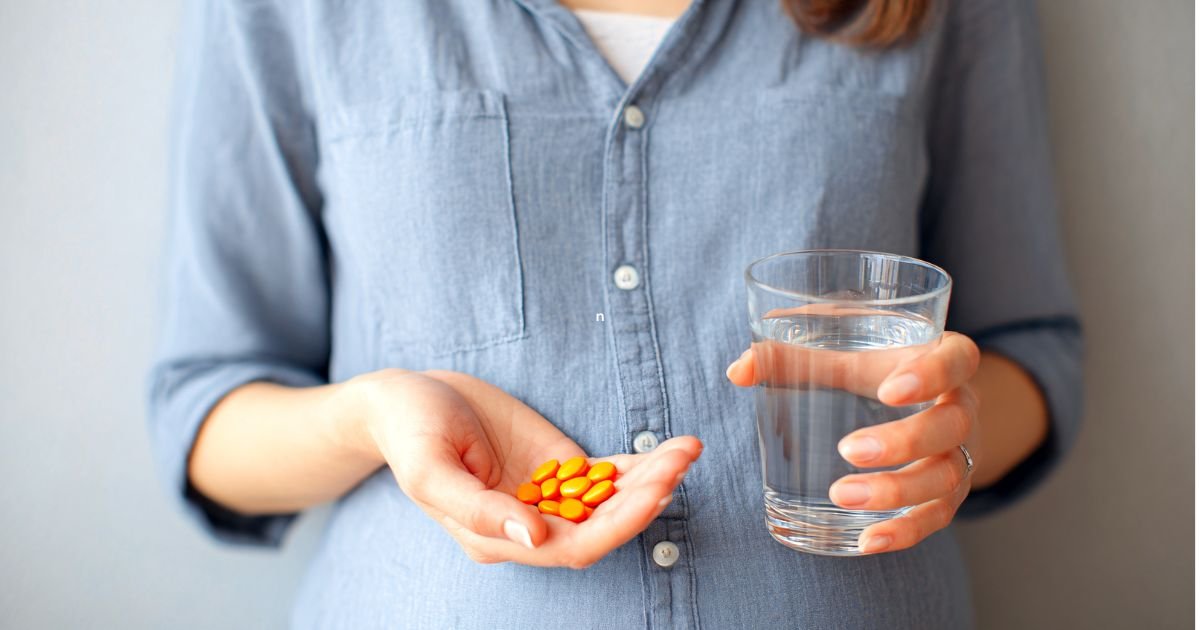
For athletes juggling training, recovery, and daily life, having a supplement that absorbs well without causing discomfort can make a huge difference in energy, focus, and consistency.

Practical Takeaway

Iron is one of the most critical plant-based nutrients for athletes, but it’s also one of the hardest to absorb. While whole-grain sources of iron remain important, the form of iron is just as important as the amount.

By choosing a chelated iron supplement, such as Ferrochel® Chelated iron can help bypass absorption barriers, ensuring your body gets the iron it needs to support oxygen transport, energy and performance.

Next time you buy a supplement, check the label for Ferrochel® for an athlete-friendly plant-based option.

Learn more:

Chelate Diet Ferrous plantbased Sulfate
bhanuprakash.cg
healthtost
  • Website

Related Posts

How sugar affects your microbes

February 10, 2026

Stress and weight in midlife

February 9, 2026

Nutrient Loss in Modern Cooking: How Frying, Microwaving and Overcooking Deplete Vitamins

February 9, 2026

Leave A Reply Cancel Reply

Don't Miss
Nutrition

How sugar affects your microbes

By healthtostFebruary 10, 20260

Understanding how added sugar shapes your gut microbiome and why balance mattersAuthor: Megan XipolitosWhen we…

The health benefits of walking at any age

February 10, 2026

‘Partial reprogramming’ of engram neurons restores memory performance in mice

February 10, 2026

5 Signs Your Skin Needs a Drink (And What to Do About It)

February 10, 2026
Stay In Touch
  • Facebook
  • Twitter
  • Pinterest
  • Instagram
  • YouTube
  • Vimeo
TAGS
Baby benefits body brain cancer care Day Diet disease exercise finds Fitness food Guide health healthy heart Improve Life Loss Men mental Natural Nutrition Patients People Pregnancy protein research reveals risk routine sex sexual Skin study Therapy Tips Top Training Treatment ways weight women Workout
About Us
About Us

Welcome to HealthTost, your trusted source for breaking health news, expert insights, and wellness inspiration. At HealthTost, we are committed to delivering accurate, timely, and empowering information to help you make informed decisions about your health and well-being.

Latest Articles

How sugar affects your microbes

February 10, 2026

The health benefits of walking at any age

February 10, 2026

‘Partial reprogramming’ of engram neurons restores memory performance in mice

February 10, 2026
New Comments
    Facebook X (Twitter) Instagram Pinterest
    • About Us
    • Contact Us
    • Privacy Policy
    • Terms and Conditions
    • Disclaimer
    © 2026 HealthTost. All Rights Reserved.

    Type above and press Enter to search. Press Esc to cancel.