

Close Menu
Healthtost
  • News
  • Mental Health
  • Men’s Health
  • Women’s Health
  • Skin Care
  • Sexual Health
  • Pregnancy
  • Nutrition
  • Fitness
  • Recommended Essentials
What's Hot

SPT Labtech and Bellbrook Labs Introduce High-Throughput Screening Platform for Cancer Research

February 10, 2026

Fraxel Laser in Philadelphia | About Facial Aesthetics

February 10, 2026

Stress and weight in midlife

February 9, 2026
Facebook X (Twitter) Instagram
  • About Us
  • Contact Us
  • Privacy Policy
  • Terms and Conditions
  • Disclaimer
Facebook X (Twitter) Instagram
Healthtost
SUBSCRIBE
  • News

    SPT Labtech and Bellbrook Labs Introduce High-Throughput Screening Platform for Cancer Research

    February 10, 2026

    The nervous system actively promotes precancerous lesions of the pancreas

    February 9, 2026

    UK Ambulance Intensive Care Expands But Unequal Access Still Limits Life-Saving Treatment

    February 9, 2026

    New neuroprotective drug improves recovery after acute ischemic stroke

    February 8, 2026

    Early treatment of tuberculosis reduces deaths from sepsis in HIV patients

    February 8, 2026
  • Mental Health

    Advancing the Future of Behavioral Health Data Exchange

    February 7, 2026

    How to avoid watching disturbing videos on social media and protect your peace of mind

    February 6, 2026

    Mental Health in the Black Community: Addressing…

    February 3, 2026

    Some people gain confidence when they think things through, others lose it – new research

    February 2, 2026

    3 practical ways to improve a writer’s mental health

    January 31, 2026
  • Men’s Health

    Air conditioning in nursing homes reduces heat-related risk

    February 6, 2026

    Analysis: What it’s like to have non-verbal autism and what helped me

    February 5, 2026

    Testicular cancer self-examination and why it could save your life

    February 2, 2026

    25-Minute Bodyweight Functional Training Program for Beginners

    February 1, 2026

    Turning everyday eggs into powerful nutrient delivery systems

    January 30, 2026
  • Women’s Health

    Perimenopause symptoms to watch out for in your 30s and 40s

    February 9, 2026

    Breast reduction surgery saved my life

    February 9, 2026

    2.6 Friday Faves – The Fitnessista

    February 7, 2026

    Enjoying Endorphins: How to Spoil Your Mood with Feel-Good Hormones

    February 5, 2026

    A critical maternal health data system is at risk

    February 5, 2026
  • Skin Care

    Fraxel Laser in Philadelphia | About Facial Aesthetics

    February 10, 2026

    Complete serum that works: The nighttime routine for real results

    February 8, 2026

    How to avoid shaving irritation: 7 myths that keep your skin angry

    February 7, 2026

    TNW Rich Cream for Soft, Smooth Skin – The natural wash

    February 7, 2026

    Inside Susie Ma’s Makeup | Founder of Tropic – Tropic Skincare

    February 6, 2026
  • Sexual Health

    Australia is closer to ending cervical cancer

    February 9, 2026

    Adventurous intimacy is more common than you think — Alliance for Sexual Health

    February 5, 2026

    A guide to a comfortable cervical check with Dr. Unsworth

    February 1, 2026

    How “Bridgerton” and the Other Romances Evolved in Their Depictions of Consent

    January 30, 2026

    Extraction, gold mining and SRHR in Kenya

    January 29, 2026
  • Pregnancy

    18 places to get free baby products, samples and gear in 2026

    February 8, 2026

    Pregnant on Chhath Puja? Hydration and nutrition tips

    February 6, 2026

    The second trimester sweet spot is real. Here’s how to get the most out of it

    February 4, 2026

    Is it safe to drink milk during pregnancy? What to know

    January 31, 2026

    12 Expert Answers to Your Pregnancy Yoga Questions

    January 29, 2026
  • Nutrition

    Stress and weight in midlife

    February 9, 2026

    Nutrient Loss in Modern Cooking: How Frying, Microwaving and Overcooking Deplete Vitamins

    February 9, 2026

    Intuitive Eating 101: It’s More Than ‘Eating When You’re Hungry’

    February 8, 2026

    The gut is not a tube

    February 8, 2026

    5 Ways You’re Sabotaging Your Metabolism

    February 2, 2026
  • Fitness

    The Orthopedic suggested cardio exercises that are easy on your joints

    February 8, 2026

    The Best Travel Products for Women Over 50 (Comfort and Convenience)

    February 8, 2026

    Ben Greenfield Weekly Update: January 30th

    February 7, 2026

    Smart Shoulder Solutions: An Evidence-based Approach

    February 7, 2026

    Ja’Marr Chase Offseason Training: The Explosive Workouts Fueling NFL Elite Performance

    February 6, 2026
  • Recommended Essentials
Healthtost
Home»News»Brain changes associated with Alzheimer’s risk may increase financial vulnerability in the elderly
News

Brain changes associated with Alzheimer’s risk may increase financial vulnerability in the elderly

healthtostBy healthtostSeptember 8, 2024No Comments4 Mins Read
Facebook Twitter Pinterest LinkedIn Tumblr Reddit WhatsApp Email
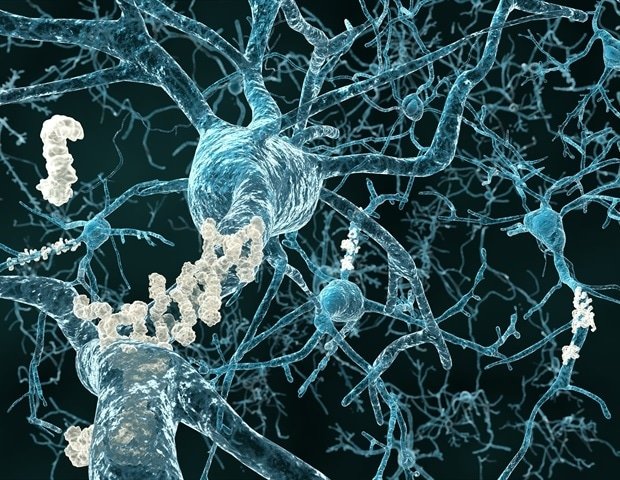
Brain Changes Associated With Alzheimer's Risk May Increase Financial Vulnerability
Share
Facebook Twitter LinkedIn Pinterest WhatsApp Email

Older adults who are more vulnerable to financial fraud may have brain changes linked to a higher risk of Alzheimer’s disease, according to a first-of-its-kind study led by researchers in the USC Dornsife College of Letters, Arts and Sciences.

Nearly 7 million Americans are living with Alzheimer’s disease, the fifth leading cause of death among those 65 and older. The disease will incur an estimated $360 billion in health care costs this year alone, according to the Alzheimer’s Association.

Researchers led by Duke Han, professor of psychology and family medicine at USC Dornsife, aimed to better understand the link between early-onset Alzheimer’s disease and financial vulnerability by using high-powered magnetic resonance imaging to examine the brains of 97 study participants over the age of 50 years.

The scientists focused on the entorhinal cortex, an area that acts as a relay station between the hippocampus. the learning and memory center of the brain -; and the medial prefrontal cortex, which regulates emotion, motivation, and other cognitive functions. It is often the first area to show changes in Alzheimer’s disease, usually becoming thinner as the disease progresses.

None of the study participants, aged 52 to 83, showed clinical signs of cognitive impairment, but all underwent an MRI to measure the thickness of their entorhinal cortex.

In addition, the researchers used a standardized tool called the Perceived Financial Exploitation Vulnerability Scale (PFVS) to assess participants’ financial awareness and susceptibility to poor financial decisions, which they call “financial exploitation vulnerability,” or FEV.

By comparing adults’ FEV with the thickness of their entorhinal cortex, Han and team found an important correlation: Those who were more vulnerable to financial fraud had thinner entorhinal cortex.

This was especially true for participants aged 70 and over. Previous research has linked FEV to mild cognitive impairment, dementia and certain molecular changes in the brain associated with Alzheimer’s disease.

Han, who holds a joint appointment at USC’s Keck School of Medicine, says the findings provide critical evidence supporting the idea that FEV could be a new clinical tool for detecting cognitive changes in older adults. changes that are often difficult to detect.

“Assessing financial vulnerability in older adults could help identify those in the early stages of mild cognitive decline or dementia, including Alzheimer’s disease.”


Duke Han, professor of psychology and family medicine at USC Dornsife

He added, however, that financial vulnerability alone is not a definitive indicator of Alzheimer’s disease or other cognitive decline. “But the assessment of FEV could become part of a broader risk profile,” he said.

Han also noted several limitations of the study. Most participants were older, white, highly educated women, making it difficult to generalize the findings to a more diverse population. Furthermore, while the study found a relationship between entorhinal cortex thickness and FEV, it does not prove it. Finally, the study does not include specific measures of Alzheimer’s disease pathology.

These limitations leave open the possibility that the relationship between FEV and entorhinal cortex thinning could be explained by other factors. Therefore, Han said more research is needed, including long-term studies with different populations, before FEV can be considered a reliable cognitive assessment tool.

About the study

In addition to Han, study authors include Laura Fenton, Aaron Lim, Jenna Axelrod and Daisy Noriega-Makarskyy of USC Dornsife. Lauren Salminen, Hussein Yassine and Laura Mosqueda of the USC Keck School of Medicine. Gali Weissberger of Bar-Ilan University, Israel. and Annie Nguyen of the University of California, San Diego.

Source:

University of Southern California

Journal Reference:

Fenton, L., et al. (2024) Lower entorhinal cortex thickness is associated with greater financial exploitation vulnerability in non-cognitively impaired older adults. Cerebral cortex. doi.org/10.1093/cercor/bhae360.

Alzheimers brain elderly financial increase risk vulnerability
bhanuprakash.cg
healthtost
  • Website

Related Posts

SPT Labtech and Bellbrook Labs Introduce High-Throughput Screening Platform for Cancer Research

February 10, 2026

The nervous system actively promotes precancerous lesions of the pancreas

February 9, 2026

UK Ambulance Intensive Care Expands But Unequal Access Still Limits Life-Saving Treatment

February 9, 2026

Leave A Reply Cancel Reply

Don't Miss
News

SPT Labtech and Bellbrook Labs Introduce High-Throughput Screening Platform for Cancer Research

By healthtostFebruary 10, 20260

SPT Labtech, a global leader in the design and development of automated instrumentation and consumables…

Fraxel Laser in Philadelphia | About Facial Aesthetics

February 10, 2026

Stress and weight in midlife

February 9, 2026

The nervous system actively promotes precancerous lesions of the pancreas

February 9, 2026
Stay In Touch
  • Facebook
  • Twitter
  • Pinterest
  • Instagram
  • YouTube
  • Vimeo
TAGS
Baby benefits body brain cancer care Day Diet disease exercise finds Fitness food Guide health healthy heart Improve Life Loss Men mental Natural Nutrition Patients People Pregnancy protein research reveals risk routine sex sexual Skin study Therapy Tips Top Training Treatment ways weight women Workout
About Us
About Us

Welcome to HealthTost, your trusted source for breaking health news, expert insights, and wellness inspiration. At HealthTost, we are committed to delivering accurate, timely, and empowering information to help you make informed decisions about your health and well-being.

Latest Articles

SPT Labtech and Bellbrook Labs Introduce High-Throughput Screening Platform for Cancer Research

February 10, 2026

Fraxel Laser in Philadelphia | About Facial Aesthetics

February 10, 2026

Stress and weight in midlife

February 9, 2026
New Comments
    Facebook X (Twitter) Instagram Pinterest
    • About Us
    • Contact Us
    • Privacy Policy
    • Terms and Conditions
    • Disclaimer
    © 2026 HealthTost. All Rights Reserved.

    Type above and press Enter to search. Press Esc to cancel.