


The Basics
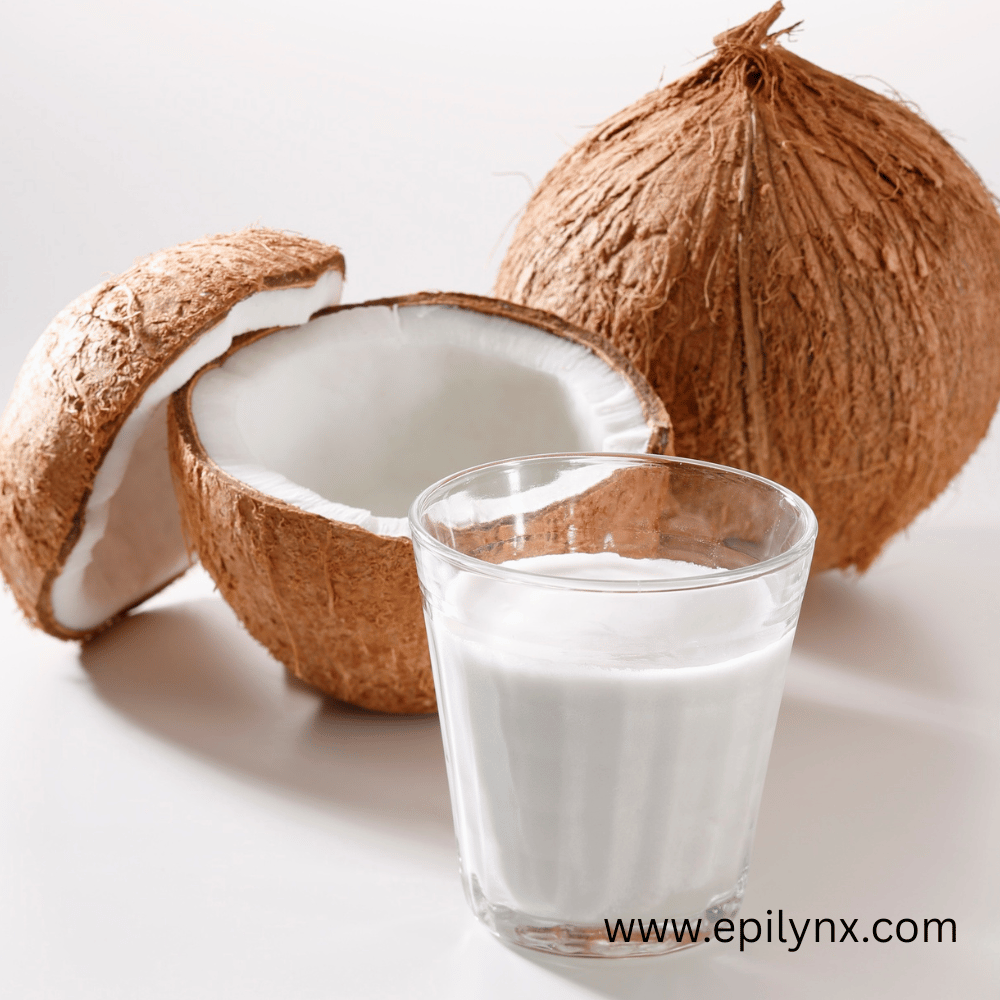
1. Is coconut a nut?
For regulatory purposes in the United States, the FDA classifies coconut as a nut under the Food Allergen Labeling and Consumer Protection Act. However, botanically, coconut (Cocos nucifera) is a drupe — a large fleshy fruit with a hard inner seed — rather than a true nut. The allergenic proteins of coconut (11S globulin, 2S albumin) differ from those of tree nuts (walnut, almond, hazelnut), meaning that cross-reactivity between coconut and tree nuts exists, but is not universal. Most people with nut allergies can tolerate coconut. Most people with a coconut allergy can tolerate tree nuts. These are generally distinct allergies that require a separate allergy test to be characterized.
2. What is the difference between a coconut IgE allergy and a CAPB contact allergy?
IgE-mediated coconut allergy is a Type I hypersensitivity reaction to coconut proteins (11S globulin, 2S albumin, nsLTP). Reactions usually occur within minutes of exposure and can range from urticaria to anaphylaxis. Contact allergy to cocamidopropyl betaine (CAPB) is a delayed Type IV hypersensitivity reaction to impurities in the CAPB formulation (3-dimethylaminopropylamine, DMAPA, and amidoamine) — not the coconut-derived fatty acid itself. The reaction occurs 24–72 hours after exposure and causes contact dermatitis, not immediate urticaria. These are immunologically distinct conditions that require different testing (skin prick/serum IgE for coconut allergy, patch testing for CAPB allergy) and have different product avoidance implications.
3. Can I be allergic to CAPB without being allergic to coconut?
Yes — and this is quite common. CAPB allergy is caused by manufacturing impurities (DMAPA, amidoamine), not coconut proteins. A person can have a positive CAPB patch (indicating Type IV contact sensitization) while being completely IgE negative to coconut and tolerating coconut oil in food and skin care without a problem. Avoidance of CAPB is required for patients with CAPB allergy regardless of their coconut IgE status.
Which products should you avoid?
4. Is coconut oil safe in my skin care if I have a coconut allergy?
For IgE-mediated coconut allergy, coconut oil should be avoided — especially unrefined virgin coconut oil, which has the highest protein content. Refined coconut oil has lower protein levels, but “lower” does not mean “zero” and patients with very low reaction thresholds may react. For contact allergy to CAPB (Type IV), coconut oil may be tolerated because CAPB is not present in unrefined coconut oil.
5. Is caprylic/capric triglyceride (MCT oil) safe for coconut allergy?
Caprylic/capric triglyceride is highly fractionated and distilled from coconut oil, producing a very low protein product. For most people with a coconut allergy, it is probably the best-tolerated coconut derivative. However, build quality varies between suppliers, some highly sensitized people have reacted to it, and for patients with a history of coconut-induced anaphylaxis, insertion under a doctor’s supervision is appropriate before using it daily in skin care. When in doubt, choose products that avoid it altogether.
6. Is ketoaryl alcohol safe for coconut allergy?
Cetaryl alcohol can be derived from coconut sources or synthetic petroleum sources. Most manufacturers do not state the source of origin on the INCI label. For coconut-allergic patients, the safest approach is to contact the brands directly to confirm that the cetaryl alcohol is not coconut-derived, or choose brands that are expressly made without coconut emulsifiers.
7. Which surfactants are safe for coconut allergy and CAPB contact allergy?
Safe alternatives include amino acid-based surfactants (sodium lauryl glutamate, sodium cocoyamlate from non-coconut sources), corn decylglucoside, and sodium laurylglucose carboxylate systems. These avoid both the coconut protein risk and the sensitizing impurities of CAPB. Always verify the specific source with the manufacturer.
8. Is sodium lauryl sulfate (SLS) safe for coconut allergy?
SLS is typically derived from coconut (from lauric acid). For IgE-mediated coconut allergy, this represents exposure to a coconut derivative. Specifically for CAPB allergy, SLS is not CAPB and does not contain DMAPA or amidoamine — so CAPB allergic patients may tolerate SLS. However, SLS is an aggressive surfactant that disrupts the skin barrier and is not recommended for sensitive or allergy-prone skin regardless.
Reading labels
9. What are all coconut-derived names that I should avoid on a label?
Cocos nucifera (any form including oil, water, milk, fruit extract), caprylic/capric triglyceride, caprylic acid, capric acid, lauric acid, cocamidopropyl betaine (CAPB), coco-glucoside, sodium cocoyl isathionate, cocamide DEA, cocamide MEA, sodium Coglutenderco-sulco-sulfuric acid PEG-7 glyceryl cocoate, caprylyl glycol (may be from coconut), glyceryl caprylate, coconut cetaryl alcohol, coconut cetyl alcohol, coconut alkanes, hydrogenated coconut oil, and sodium lauroylsarcosinate (from lauric acid).
10. How do I know if a product is truly coconut free?
There is no regulated “coconut-free” label on US or EU cosmetics. You must check the full INCI list against the above and contact the brand to confirm the source of the ambiguous ingredients (cetaryl alcohol, tocopherol, glycerin, caprylic glycol – all can be derived from coconut). Brands that explicitly state “coconut-free formulation” and can confirm production allergen tests are the most reliable choice.
Specific Product Categories
11. What cleanser can I use with a coconut allergy?
Look for cleansers that use amino acid-based surfactants or corn-derived glycoside surfactants with a confirmed non-coconut source. Avoid any cleanser with CAPB, coco-glucoside, sodium cocoyl isathionate or coconut SLS. A cleaner labeled unscented, CAPB-free, and with a non-coconut surfactant chemistry is a good choice.
12. What face scrub can I use?
Most “natural” face scrubs use coconut shell powder as an abrasive and CAPB as a surfactant – both problematic. Seek exfoliation using biodegradable jojoba beads (Simmondsia chinensis wax — not coconut) in a CAPB free, coconut oil free base.
13. Which eye cream is safe?
Make sure the eye cream base does not contain caprylic/capric triglyceride, coconut cetaryl alcohol or CAPB. Many “gentle” eye cream formulas use all three. Peptide-based eye creams in squalane-sunflower carrier bases avoid the coconut-derived emollient systems of conventional eye creams.
14. Which eyeliner is safe?
Most liquid and pencil eyeliners use caprylic/capric triglyceride as an emollient carrier in the base of the formula. Check the INCI list specifically for this ingredient. Fragrance-free, coconut oil-free, CAPB-free eyeliner made in allergen-aware facilities is the right choice.
Special Situations
15. Is coconut in shampoo a concern?
For IgE-mediated coconut allergy, yes — rinse-off shampoo still involves minutes of scalp contact and face wash exposure. Specifically for CAPB allergy, most “sulfate free” and “mild” shampoos use CAPB as the main surfactant, making them problematic even though the coconut protein content is low.
16. What about coconut in mineral makeup and powders?
Powder foundations and setting powders sometimes use caprylic/capric triglyceride as a binder for mica and pigment particles. Check specifically for this ingredient in pressed and loose powder products.
17. Can coconut allergy develop later in life?
Yes — IgE-mediated food allergies, including coconut, can develop into adulthood, even in people who have eaten or used coconut products without a reaction for years. Late-onset coconut allergy is increasingly documented. If you develop new skin reactions to products you’ve used without problem in the past, adult-onset contact allergy (CAPB or coconut IgE) is a possibility worth evaluating with an allergist.
18. I react to coconut in food but not in skin care — am I safe?
Oral and topical reaction thresholds may differ. A patient who reacts to dietary coconut (IgE pathway through the gastrointestinal mucosa) may tolerate topical coconut on intact skin if his topical threshold is higher. However, damaged or inflamed skin (eczema, rosacea, post-allergic reaction) dramatically increases local absorption of allergens. The safest approach for documented coconut food allergy is to apply the same standard of avoidance to topical products — especially leave-in products.
19. Is coconut allergy and celiac disease common?
They are not pathogenically linked, but occur together in a proportion of patients managing multiple immune-mediated conditions. The celiac population has a higher overall incidence of concurrent food allergies than the general population, reflecting the immune dysregulation associated with active celiac disease. Patients managing both need skin care that is both gluten-free, coconut-free, and (often) nut-free.
20. Where should I start if I just found out I have a coconut allergy?
Start with your cleaners and higher frequency products first — they have the highest cumulative daily exposure. Confirm your allergy type with an allergist (IgE vs CAPB contact allergy — they require different avoidance strategies). Then work through the INCI checklist above for all facial products. Choose brands that explicitly state and declare coconut-free status instead of just relying on an ingredient-by-ingredient review.
EpiLynx by Dr. Liia’s Antiaging peptide eye cream, Brightening Vitamin C Glow Serum, Gentle exfoliating face scruband Waterproof liquid eyeliner are made without coconut oil, caprylic/capric triglyceride, CAPB, coco-glucoside, coconut cetaryl alcohol, or any other coconut-derived ingredient — treating both IgE coconut allergy and CAPB contact allergy, in an allergen-segregated facility.
Use code EpiLynxglow25 for 25% off sitewide. Free shipping on orders $54+.
