

Close Menu
Healthtost
  • News
  • Mental Health
  • Men’s Health
  • Women’s Health
  • Skin Care
  • Sexual Health
  • Pregnancy
  • Nutrition
  • Fitness
  • Recommended Essentials
What's Hot

Gut-friendly diet linked to lower risk of coronary heart disease mortality

July 9, 2026

New Sunscreen Ingredient: Is This The SPF Upgrade We’ve Been Waiting For?

July 9, 2026

5 Easy High Fiber Bowl Recipes

July 8, 2026
Facebook X (Twitter) Instagram
  • About Us
  • Contact Us
  • Privacy Policy
  • Terms and Conditions
  • Disclaimer
Facebook X (Twitter) Instagram
Healthtost
SUBSCRIBE
  • News

    Socioeconomic status confers unequal reductions in metabolic disease among racial, ethnic groups

    July 8, 2026

    Only one in 10 Australians know the Black Triangle safety symbol

    July 8, 2026

    Study reveals why patients with rare leukemia develop resistance to tagraxofusp

    July 7, 2026

    Countable Labs and Promega Announce Collaboration Agreement to Facilitate End-to-End Biological Sample Preparation and Rare Variant Detection

    July 7, 2026

    New virus insights lay foundation for treatment of JC polyomavirus infection

    July 6, 2026
  • Mental Health

    Almost 20% of new mums have anxiety or depression, but a promising psychedelic treatment is on the horizon

    July 7, 2026

    How can ART help us improve our mental health? With 3 Ways

    July 5, 2026

    How much do friends affect the mental health of teenagers? What a new study can (and can’t) tell us

    July 3, 2026

    What happens in your blood when you are stressed? We put it to the test

    June 28, 2026

    Why negative news grabs our attention and what it means for our mental health

    June 25, 2026
  • Men’s Health

    Gut-friendly diet linked to lower risk of coronary heart disease mortality

    July 9, 2026

    Men don’t just avoid their health. Many lose themselves.

    July 8, 2026

    The Crazy Hard Standards of the Hardest PE Program in History

    July 8, 2026

    Why our relationships are becoming more dishonest and what we can do about it

    July 7, 2026

    Definitive Guide: The Primal Blueprint

    July 7, 2026
  • Women’s Health

    Taite Heller on Why Barre Became a Top-5 Fitness Trend

    July 8, 2026

    Sunscreen TikTok convinces young people

    July 7, 2026

    Biology, Myths and Real Care

    July 7, 2026

    The shape of the strong black woman

    July 6, 2026

    208: What Mold Really Does to Your Health and How to Find It with Brian Karr

    July 5, 2026
  • Skin Care

    New Sunscreen Ingredient: Is This The SPF Upgrade We’ve Been Waiting For?

    July 9, 2026

    How to achieve the perfect tan

    July 8, 2026

    How I did it: I plump the skin without fillers

    July 6, 2026

    Natural bug bite relief with herbal remedies

    July 4, 2026

    Why Jojoba Beads Beat Coconut Shell Pow

    July 3, 2026
  • Sexual Health

    Complete Career Guide — Sexual Health Alliance

    July 8, 2026

    Because your sexual health matters more than you think

    July 5, 2026

    Fildena 150 How It Works: Mechanism & Benefits

    July 4, 2026

    Climate justice is reproductive justice

    July 2, 2026

    5 STDs that can cause bruising

    July 2, 2026
  • Pregnancy

    Calf Raises During Pregnancy: Step-by-Step Guide and Benefits

    July 8, 2026

    Tri-Tri Triplet Pregnancy with Vaginal Birth Story – The Birth Hour Triplet Pregnancy and Vaginal Birth Story with Ashlie Holladay

    July 7, 2026

    Common pregnancy drugs linked to higher rates of autism diagnosis in large study

    July 6, 2026

    Monsoon Infections During Pregnancy: Safety Tips for Expectant Moms

    July 5, 2026

    How to be the support she really needs

    July 4, 2026
  • Nutrition

    5 Easy High Fiber Bowl Recipes

    July 8, 2026

    Salmon Teriyaki Recipe (Ridiculously Easy!) • Kath Eats

    July 8, 2026

    Can exercise counteract a high-fat meal?

    July 6, 2026

    Natural ways to boost energy throughout the day

    July 6, 2026

    My story with iron deficiency as a plant-based nutritionist and runner

    July 4, 2026
  • Fitness

    Using External Signaling to Improve Linear Acceleration – Tony Gentilcore

    July 8, 2026

    5 Simple Screen Changes That Can Improve Sleep and Focus

    July 7, 2026

    How to prevent muscle loss while losing weight

    July 5, 2026

    The role of nutrition in maintaining energy during regular exercise

    July 5, 2026

    Junior Nsemba’s 3 best drills for strength, speed and dominance on the rugby field

    July 3, 2026
  • Recommended Essentials
Healthtost
Home»Men's Health»Gut-friendly diet linked to lower risk of coronary heart disease mortality
Men's Health

Gut-friendly diet linked to lower risk of coronary heart disease mortality

healthtostBy healthtostJuly 9, 2026No Comments5 Mins Read
Facebook Twitter Pinterest LinkedIn Tumblr Reddit WhatsApp Email
Gut Friendly Diet Linked To Lower Risk Of Coronary Heart Disease
Share
Facebook Twitter LinkedIn Pinterest WhatsApp Email

A national analysis shows that diets that support a healthier gut microbiota may help identify coronary heart disease patients with a lower risk of death.

Study: Association between the Dietary Gut Microbiota Index and all-cause mortality in coronary heart disease: A retrospective cohort analysis of NHANES (2005–2018). Image credit: Maslova Valentina / Shutterstock

In a recent study published in the journal Medicinea group of researchers evaluated the association between the Dietary Index for Gut Microbiota (DI-GM) and all-cause mortality among adults with coronary artery disease using data from the National Health and Nutrition Examination Survey (NHANES) (2005-2018).

Background

Every year, millions of people die from coronary artery disease, making it one of the leading causes of death worldwide. While age and genetics contribute to disease risk, lifestyle factors such as diet offer opportunities to improve long-term health outcomes. Recent studies show that gut microbiota can affect heart health. These microbes help regulate inflammation, fat metabolism and blood vessel function. Diet can shape the types of gut microbes, which are likely to influence the course of the disease. However, evidence on diet quality and mortality in coronary heart disease focusing on the gut microbiota remains limited. Further research is needed to clarify this relationship.

About the Study

The study used data from NHANES, a nationally representative survey of the United States population conducted between 2005 and 2018. Initially, 70,190 participants were identified. Subjects with incomplete information on mortality, DI-GM scores, coronary artery disease, or relevant demographic and clinical variables were excluded. The final analysis included 1,537 participants with coronary heart disease, representing approximately 8,124,166 adults in the United States.

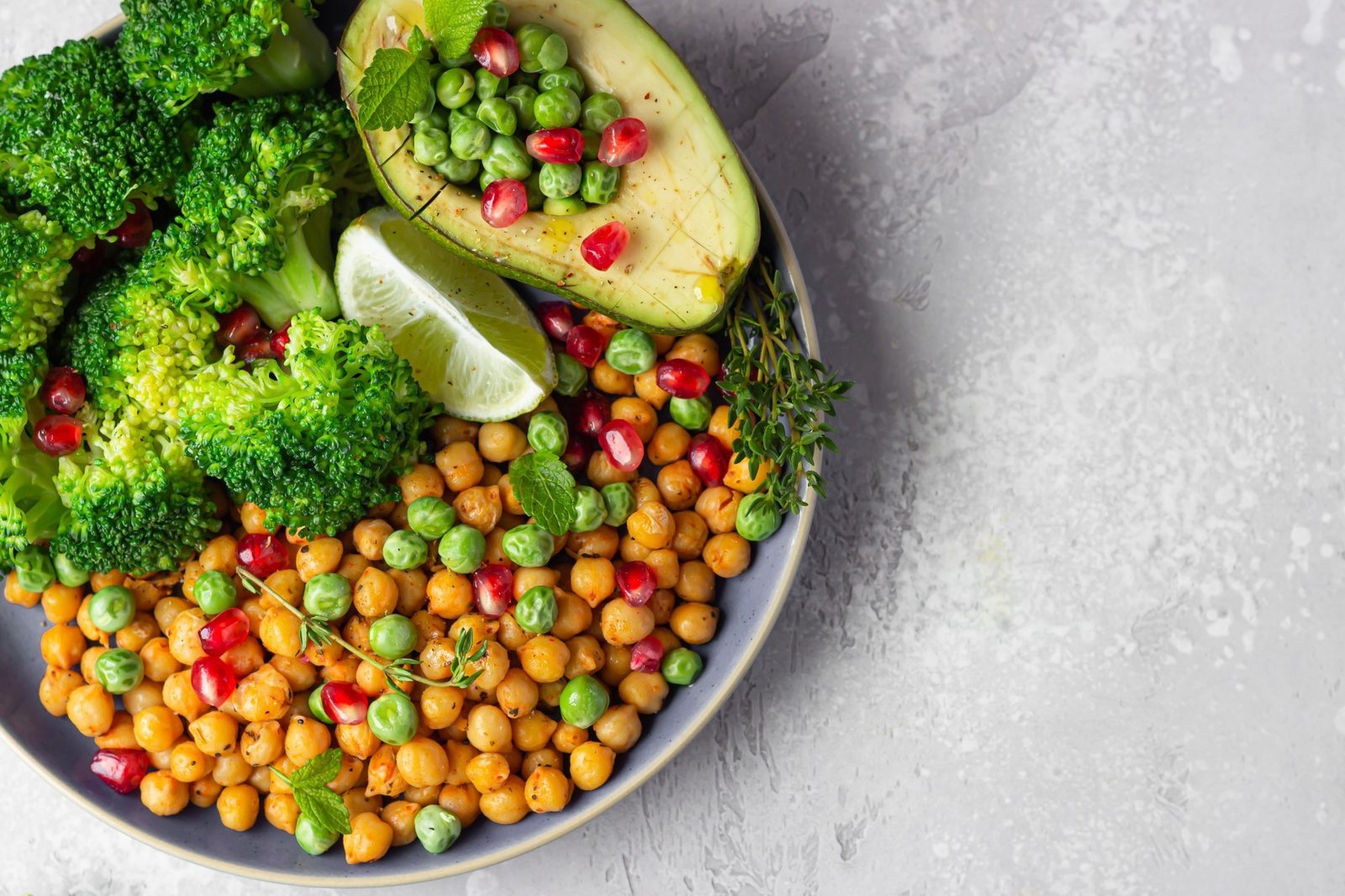
DI-GM scores were calculated based on 14 dietary components through a 24-hour food recall, which included avocados, broccoli, chickpeas, cranberries, fermented dairy products, dietary fiber, green tea, soybeans, whole grains and coffee, and unfavorable components such as high-fat and refined meats. grains. Participants were divided into four groups: 0–3, 4, 5, and ≥6 based on the score.

Information was obtained on demographics, body mass index, smoking and drinking habits, hypertension, diabetes, laboratory results, and socioeconomic conditions, including poverty-to-income ratio. Follow-up was calculated from the baseline interview until death or December 31, 2019, whichever occurred first. Cox proportional hazards models were used to analyze the relationship between DI-GM scores and all-cause mortality, while restricted cubic spline analysis was used to assess non-linear relationships between DI-GM scores and the investigated variables. Additionally, subgroup analyzes and interaction analyzes were performed to test whether associations differed across participant characteristics.

Study Results

A total of 1,537 participants with coronary artery disease, representing approximately 8,124,166 adults in the United States, were included in the analysis. The median age was 68 years, with an interquartile range of 61–77 years. The study group consisted of 66.34% males and 33.66% females and the overall mortality rate was 37.41%. Participants with higher DI-GM scores generally differed in age, race, poverty-to-income ratio, and body mass index, while sex, education level, marital status, smoking, alcohol consumption, monocyte count, neutrophil count, hypertension, lymphocyte count, hemoglobin, diet, hemoglobin, diet, and platelet count. rating groups. The median DI-GM score was 5.00, with an interquartile range of 4.00 to 7.00.

The association between DI-GM and all-cause mortality was examined using weighted Cox proportional hazards models. When the DI-GM was analyzed as a continuous score, each one-point increase was associated with a lower estimated risk of death in age- and sex-adjusted analysis. However, after the researchers accounted for additional demographic, socioeconomic, lifestyle, clinical and laboratory factors, the association weakened and was no longer statistically significant. This suggests that the overall trend indicated a potential benefit, but the evidence was not strong enough to confirm a clear independent relationship when DI-GM was analyzed as a continuous measure.

Higher DI-GM scores were associated with lower mortality rates when participants were grouped by score. Compared with the lowest-scoring group, participants with a DI-GM score of 5 and those with a score of 6 or higher had significantly lower risks of death during follow-up. A score of 4 showed a similar trend toward lower mortality, but the effect did not reach statistical significance.

Additional analysis suggested that the relationship was not linear, meaning that mortality risk did not decrease by the same amount with each increase in DI-GM score. Subgroup analyzes found no significant differences in this pattern across categories of age, sex, body mass index, smoking, alcohol consumption, hypertension, and poverty-to-income ratio, although diabetes status appeared to influence the association.

Conclusion

The study showed that people who have coronary heart disease and high DI-GM scores may have a lower risk of all-cause mortality, with the relationship showing a non-linear pattern. The association remained evident after extensive adjustment for potential confounders when participants were compared by diet score group, and diabetes status modified this relationship. These findings suggest that dietary patterns that support gut microbiota health may be related to dietary risk stratification and nutritional management in people with coronary artery disease, although causal effects remain unproven.

Improving overall nutrition and promoting healthier gut microbiota may be associated with lower all-cause mortality in this high-risk population. However, the authors noted limitations, including the retrospective design, reliance on a single 24-hour dietary recall, self-reported disease information, the study population in the United States, and potential residual confounding.

Journal Reference:

  • Cao, F., Zhang, G., Liu, J., Tian, ​​Y., Zhang, W., Zhang, S., Hou, F., Bao, Z., Liu, Z., Xiao, P., Jiang, J., Zhu, Y., & Wu, K. (2026). Association between the Dietary Gut Microbiota Index and all-cause mortality in coronary heart disease: A retrospective cohort analysis of NHANES (2005-2018). Medicine. 105(27). DOI: 10.1097/MD.0000000000049532,
coronary Diet disease Gutfriendly heart linked mortality risk
bhanuprakash.cg
healthtost
  • Website

Related Posts

Socioeconomic status confers unequal reductions in metabolic disease among racial, ethnic groups

July 8, 2026

Men don’t just avoid their health. Many lose themselves.

July 8, 2026

The Crazy Hard Standards of the Hardest PE Program in History

July 8, 2026

Leave A Reply Cancel Reply

Don't Miss
Men's Health

Gut-friendly diet linked to lower risk of coronary heart disease mortality

By healthtostJuly 9, 20260

A national analysis shows that diets that support a healthier gut microbiota may help identify…

New Sunscreen Ingredient: Is This The SPF Upgrade We’ve Been Waiting For?

July 9, 2026

5 Easy High Fiber Bowl Recipes

July 8, 2026

Using External Signaling to Improve Linear Acceleration – Tony Gentilcore

July 8, 2026
Stay In Touch
  • Facebook
  • Twitter
  • Pinterest
  • Instagram
  • YouTube
  • Vimeo
TAGS
Baby benefits body brain cancer care Day Diet disease exercise finds Fitness food Guide health healthy heart Improve Life Loss Men mental Natural Nutrition Patients People Pregnancy research reveals risk routine sex sexual Skin Skincare study Therapy Tips Top Training Treatment ways weight women Workout
About Us
About Us

Welcome to HealthTost, your trusted source for breaking health news, expert insights, and wellness inspiration. At HealthTost, we are committed to delivering accurate, timely, and empowering information to help you make informed decisions about your health and well-being.

Latest Articles

Gut-friendly diet linked to lower risk of coronary heart disease mortality

July 9, 2026

New Sunscreen Ingredient: Is This The SPF Upgrade We’ve Been Waiting For?

July 9, 2026

5 Easy High Fiber Bowl Recipes

July 8, 2026
New Comments
    Facebook X (Twitter) Instagram Pinterest
    • About Us
    • Contact Us
    • Privacy Policy
    • Terms and Conditions
    • Disclaimer
    © 2026 HealthTost. All Rights Reserved.

    Type above and press Enter to search. Press Esc to cancel.