


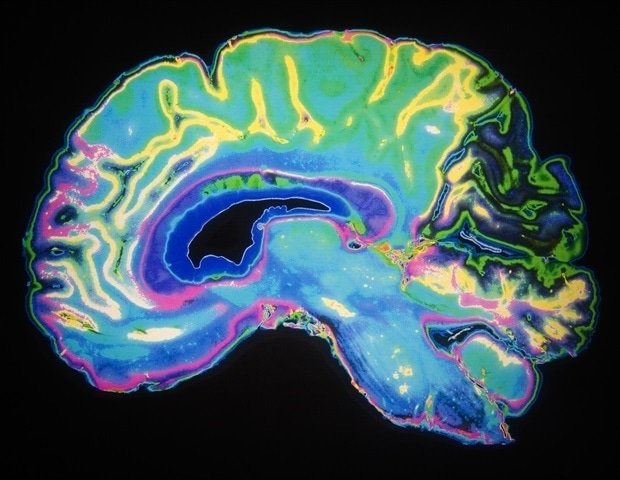
Psychiatric disorders affect millions worldwide, but their diagnosis is still based on clinical observation rather than standard biological tests. In an effort to identify reliable biomarkers, scientists in China have now launched the Brain-Gut Health Initiative, a large-scale longitudinal study combining neuroimaging, electrophysiology, microbiome sequencing, blood biomarkers and clinical assessments in major psychiatric disorders. The findings revealed coordinated changes linking gut microbes, brain networks and symptoms – supporting the development of AI-assisted diagnosis and personalized treatments.
Psychiatric disorders such as schizophrenia, depression and bipolar disorder affect around one in seven people worldwide. While these disorders represent a significant and growing global health challenge, their underlying biological mechanisms remain poorly understood. Current diagnostic practices are largely based on the assessment of clinical symptoms rather than underlying causes, highlighting the urgent need to identify reliable biomarkers that can guide clinical decision-making for improved treatment outcomes.
To fill this gap, a research team consisting of Professors Fengchun Wu and Yuanyuan Huang from the Department of Psychiatry of The Affiliated Brain Hospital of Guangzhou Medical University, together with Professor Kai Wu from South China University of Technology, China and other researchers, launched the Brain-Gut Health Initiative (BIGHI). BIGHI is an ongoing long-term clinical study designed to investigate how interactions between the brain and the gut microbiome contribute to psychiatric disorders. The findings of their study were published in Volume 9 of Research on January 1, 2026 and available online on March 3, 2026.
Highlighting the novelty of their study, Professor Wu, Professor Huang and Professor Kai Wu say, “To our knowledge, BIGHI is the first prospective group in China dedicated to investigating MGBA in psychiatric disorders.”
“Currently, the BIGHI includes more than 1,200 participants aged between 18 and 45 years, diagnosed with psychiatric disorders along with healthy controls,Note the corresponding authors, Prof. Wu, Prof. Huang and Prof. Kai Wu.Participants undergo multiple assessments, including clinical assessments, neurocognitive testing, resting-state electroencephalography, structural and functional magnetic resonance imaging (MRI), blood-based inflammatory and metabolic profiling, fecal genomic sequencing, and detailed lifestyle and dietary research to uncover potential biomarkers.”
Early findings from the study suggest that certain features seen on EEG may serve as non-invasive biomarkers that indicate disease severity and potential response to treatment. For example, changes in neural microstates (patterns of brain electrical activity) are associated with improvement in schizophrenia symptoms following neuromodulation therapy. Similarly, depressed patients often showed reduced alpha-band brain activity, suggesting a reduction in relaxed alertness.
Neuroimaging investigations have also revealed extensive changes in brain network structure in various psychiatric conditions. When trained on the MRI data, the machine learning models demonstrated high accuracy in distinguishing schizophrenia patients from healthy individuals and identified distinct connectivity patterns associated with suicidal ideation in bipolar disorder and the impact of childhood trauma on depression.
“We also observed distinct changes in gut bacteria within the cohort”, please add the corresponding authors.Patients with psychiatric disorders showed a decrease in beneficial fatty acid-producing microbes and an increase in pro-inflammatory microbes. Specifically, these microbial shifts were linked to symptom severity, oxidative stress, and cognitive performance, highlighting the importance of microbiome alterations in psychiatry..”
One of the most important contributions of the study lies in the integration of the brain and gut datasets, which have helped to reveal the underlying mechanisms of various disorders. When patients were grouped using combined brain and gut data, brain-derived profiles were more closely related to symptom severity, while gut-based profiles showed stronger links to cognitive performance. The researchers found that differences in gut bacteria were linked to changes in brain functions. The combined analysis of neuroimaging, microbiome and blood biomarkers also revealed accelerated biological aging in patients with schizophrenia, supporting the growing view that psychiatric disorders can affect multiple body systems and not just the brain.
While the cohort is currently based at only a single research center and longitudinal follow-up is ongoing, the BIGHI represents one of the most comprehensive efforts to characterize psychiatric disorders using integrated multi-omic approaches. The study highlighted that psychiatric disorders are highly complex and heterogeneous conditions with distinct pathological features appearing in different systems, such as the gut microbiome, neuroimaging, EEG signals and blood biomarkers.
The researchers believe that expanding the BIGHI initiative may enable the development of reliable diagnostic tools, microbiome-based therapies, neuromodulation strategies, and artificial intelligence-driven strategies for the management of psychiatric disorders. By providing exciting insights into the microbiota-gut-brain axis in psychiatric disorders, the initiative supports advances in biomarker-based diagnosis and personalized treatment strategies, paving the way for better mental health care.
Source:
Journal Reference:
