


Workshop note — The UMERE Journal
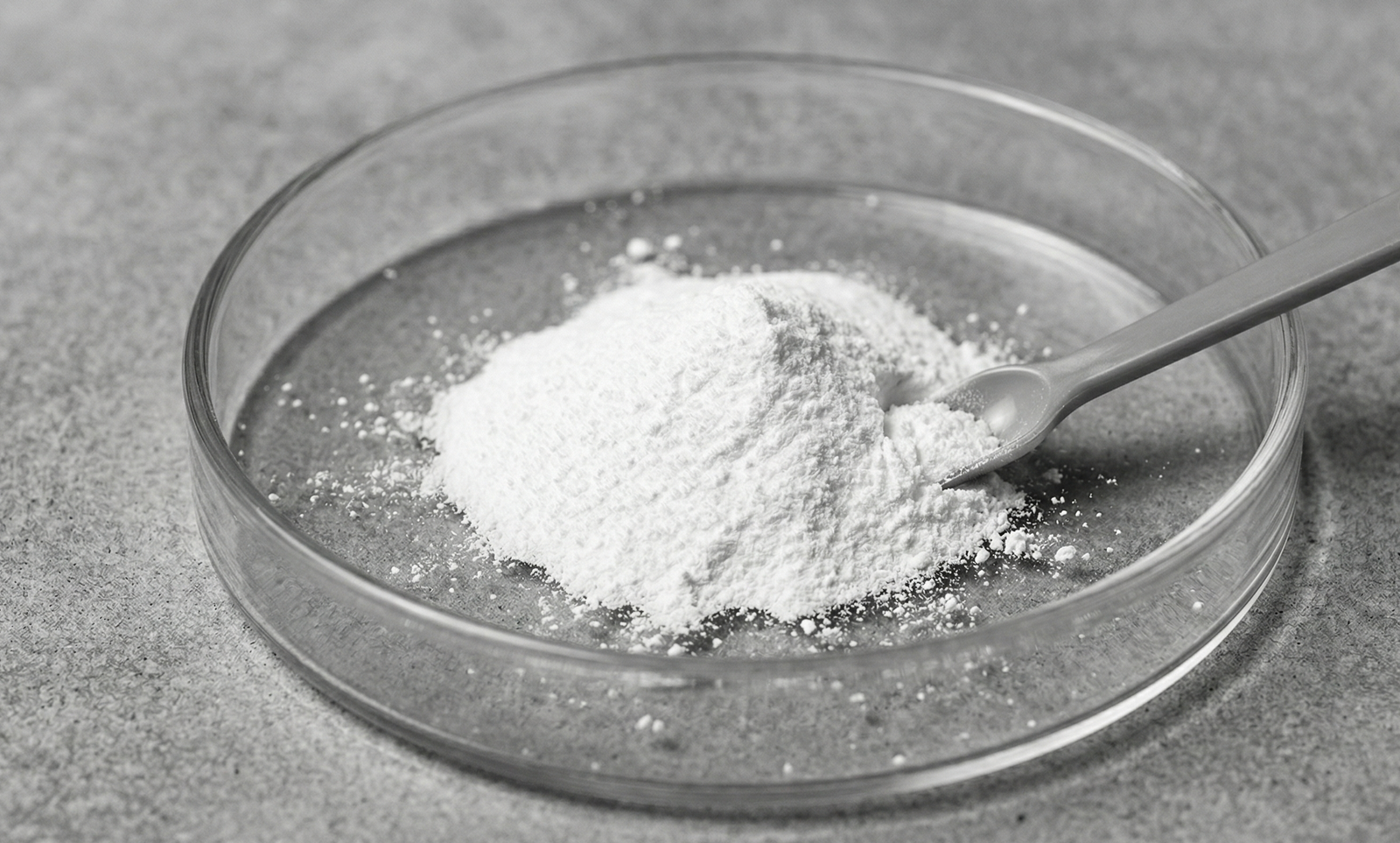
Hyaluronic acid is the most common ingredient in modern skin care. It is found in serums, moisturizers, cleansers, masks, eye creams and lip products. Recommended by almost every dermatologist, beauty editor and skin care influencer. And yet — when you stop using it, something interesting happens.
The Immediate Feeling
Most people who stop using hyaluronic acid report that their skin feels drier at first—sometimes dramatically so. This is falsely interpreted as evidence that HA was working. But the truth is much worse because this dryness actually represents: skin that had become dependent on a topical ingredient for surface moisture created through a thick chemical gel, instead of maintaining its own hydration through its natural mechanisms.
Topical hyaluronic acid is hygroscopic – it draws water. But the problem is that you’re drawing water from the skincare products you’ve applied and from your own skin. HA draws moisture from the deeper layers of the skin to the surface. This moisture sits on top for a while and then evaporates. The result: a temporary feeling of plumpness followed by a net loss of internal hydration.
When you stop applying HA, you feel the absence of fake moisture. What you’re really experiencing is your skin without the borrowed hydration it was drawing from its own deeper layers.
The adjustment period
After a few weeks without topical YA, many people report that their skin starts to feel more balanced—less reactive, less puffy in the morning, less dry in the afternoon. This is no accident. Without the osmotic pull of topical HA constantly pulling internal moisture outward, the skin begins to retain its own hydration more effectively.
The swelling many people experience in the morning—often attributed to sleeping position or salt intake—can sometimes be linked to the water-drawing effect of HA applied the night before. Removing it from your evening routine and seeing if morning puffiness goes down is a simple experiment worth doing.
A different approach to hydration
The alternative to local HA is not to give up hydration – it’s to support it differently. The skin produces its own moisture through what are known as natural moisturizing factors (NMFs). Supporting this process, rather than overriding it with an external moisturizer, results in a more consistent, sustainable level of hydration that doesn’t depend on constant product application.
Certain botanical compounds, lipid-rich oils, and gentle exfoliation with alpha-hydroxy acids can support the skin’s hydration mechanisms. A properly formulated lipid seal—applied over a hydrating foundation—helps the skin retain moisture instead of borrowing it from itself.
This is the approach that informs UMERE’s design philosophy. Every UMERE Protocol product is made without hyaluronic acid. Hydration is addressed through botanical lipid complexes, glycerin, fermented extracts and a dual-phase finishing serum (Serum Bioluminelle) that seals moisture in place without the osmotic stress that HA can create.
Because this matters
The skin care industry has built a huge infrastructure around hyaluronic acid. It is cheap to source, easy to formulate and produces an immediate effect on the skin — which makes it ideal for marketing. The customer applies it, feels plump and attributes the effect to the product. The fact that this obesity can come at the cost of deeper hydration over time is rarely discussed.
This is not a call to panic or to throw out every product that contains HA. It’s an observation from a cell biology perspective: the most popular approach to hydration in modern skin care may not be the most effective for long-term skin health and appearance. And the only way to know if it works for your skin is to try going without it.
OUMERE is a complete anti-aging skin care system without hyaluronic acid, vitamin C, fragrance or silicones. Each product is hand-synthesized by cell biologist Wendy Ouriel in a private laboratory in Palm Beach. Learn more at oumere.com.
This article is part of OUMERE Magazine — observations from the lab on skin biology, composition and the science behind the OUMERE Protocol.
