


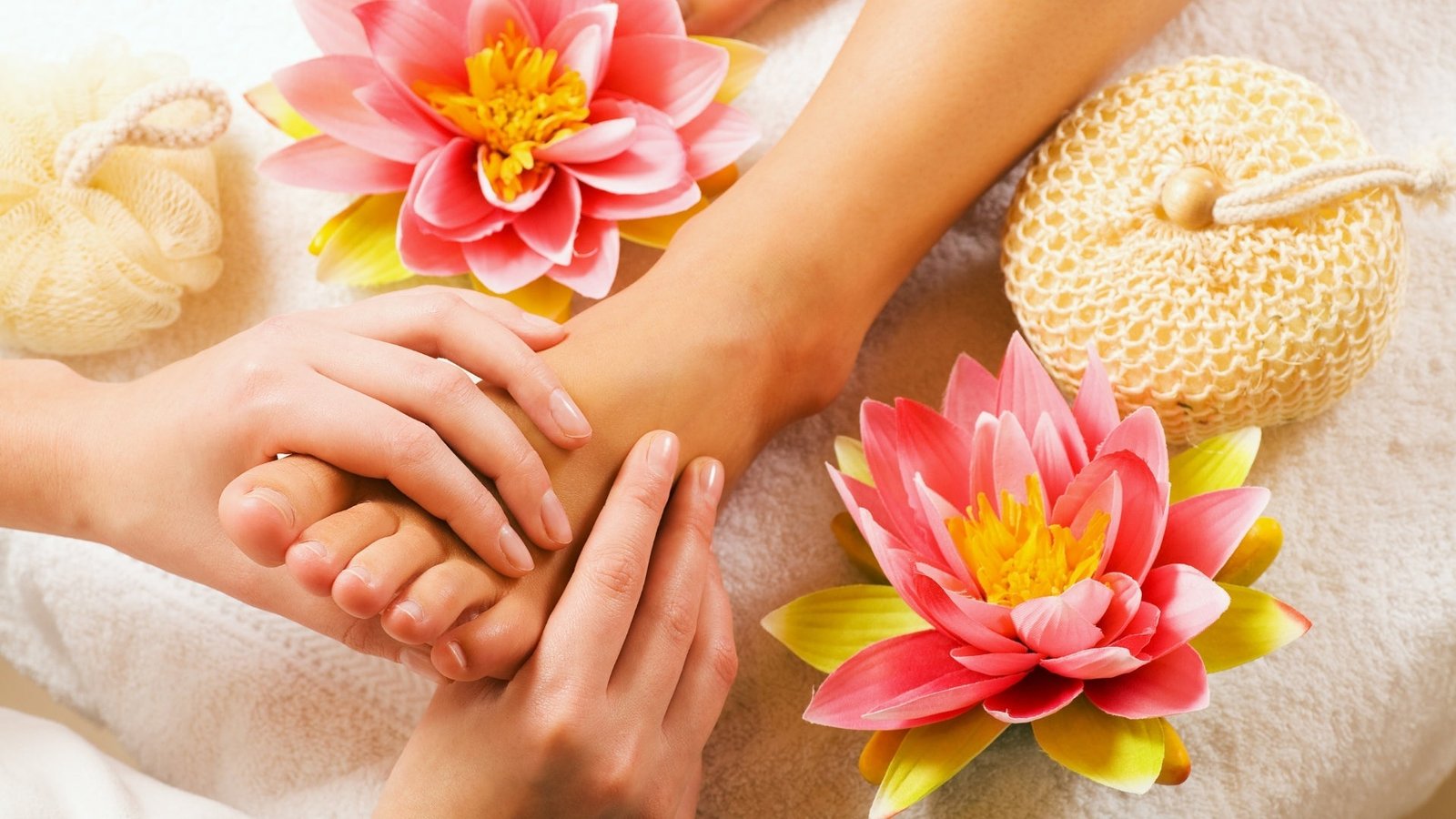
A postpartum massage it may feel like the first deep breath you’ve taken in months. After pregnancy and birth, your body isn’t just “tired.” It adjusts to a completely new baseline. Hormones shift, sleep is disrupted, muscles compensate, posture changes, and even simple things like carrying a baby or feeding can stress your neck, shoulders, hips, and lower back in ways you didn’t expect.
The best postpartum massage isn’t about ‘spoil yourself’. It’s about recovery. It can help your body feel more supported, more comfortable and like you again.
1. What is postpartum massage?
A postpartum massage is a massage designed for the postpartum period. It usually focuses on relieving muscle tension, supporting circulation, reducing stress and helping the body recover from the physical strain of pregnancy and childbirth.
It is not the same as a general relaxation massage. A good therapist understands common postpartum problem areas and adjusts pressure, position, and technique based on your body’s needs and the stage you’re at postpartum.
2. Benefits of postpartum massage
The most remarkable postpartum massage The benefits are usually physical, but the mental relief is also real. Here’s what it can help with:
- Neck and shoulder tension: feeding, rocking and holding a baby constantly loads these areas.
- Tightness in the waist and hips: Postural changes and core recovery can make the hips and back feel unstable or painful.
- Fatigue of legs and feet: swelling, extra weight and long days on your feet can make you heavy and sore.
- Stress relief: Your nervous system gets a chance to wind down, which can help you feel less “wired.”
- Better sleep: Many people sleep more deeply at night after a massage, even if sleep is still broken.
- A lighter feel: Improved circulation and muscle release often make you feel less stiff and more mobile.
A postpartum massage isn’t a cure for every postpartum challenge, but it can make your body feel more manageable and supported, which makes all the difference.
3. When can you have a postpartum massage?
This depends on your delivery, your treatment and your healthcare provider’s guidance. Some people feel ready soon enough, while others take longer. If you had a complicated birth or C-section, it is especially important to follow medical instructions and communicate clearly with the therapist.
When you book, tell the spa that you are postpartum and how long it has been since giving birth. A good therapist will adjust the session and position to make you comfortable and safe.

4. What to book based on how you feel
The best postnatal massage booking depends on what your main concern is at the moment. Here are the most common “postpartum body” scenarios and what usually helps:
- If your shoulders and neck are constantly tight: book a therapeutic massage with focused upper body work.
- If your hips and lower back hurt or are unstable: Book a massage that targets the hips, buttocks and lower back with supportive positioning.
- If you feel bloated or heavy: ask for gentler techniques that support circulation and a lighter feel.
- If you are emotionally drained: book a relaxing full body massage with a slower pace and nervous system support.
Pro tip: postpartum is not the time to “get through” the pain. You should feel relief during the massage, not like you are being punished. If the pressure is too much, speak up.
5. What to expect during your appointment
A good one postpartum massage it should feel thoughtful, not generic. Expect the therapist to ask questions such as:
- How long are you postpartum?
- Was it a vaginal delivery or a cesarean?
- Where do you feel the most tension?
- Breastfeeding or experiencing breast/chest tightness?
- Are there medical concerns, areas of swelling or pain to avoid?
Placement matters. Side support, bolsters and gentle adjustments can make a huge difference in comfort, especially if you’re still tender or your core feels weak.
6. How often should you book a postnatal massage?
There is no perfect number. What matters is the consistency that fits your life.
- If you are too tight or uncomfortable: once a week for a short time can help.
- If you want maintenance: every two to four weeks is realistic for many people.
- If time is limited: Even one session a month can make a noticeable difference in how your body feels.
Shorter sessions can still be powerful if they focus on the main areas of tension.

7. Simple aftercare to make it last
To get the most out of a postpartum massage:
- Hydrate: Massage and postpartum life dehydrate you quickly.
- Move gently: a short walk can help keep you feeling “relaxed.”
- Stretch lightly: The chest, shoulders, hips and calves usually benefit the most.
- Prioritize sleep when you can: Massage helps, but recovery still needs rest.
Final thoughts
A postpartum massage is one of the most practical recovery tools you can book after giving birth. The benefits aren’t just relaxation. It’s a relief: less tension, less weight, better mobility and a nervous system that finally gets a chance to wind down. If your body feels like it’s carrying everything, a good postpartum massage can help you feel supported again.
