


By tracking how adaptive genes sweep gut bacteria across continents, researchers are uncovering a hidden evolutionary response to modern diets and lifestyles and a powerful new way to study microbiome evolution.
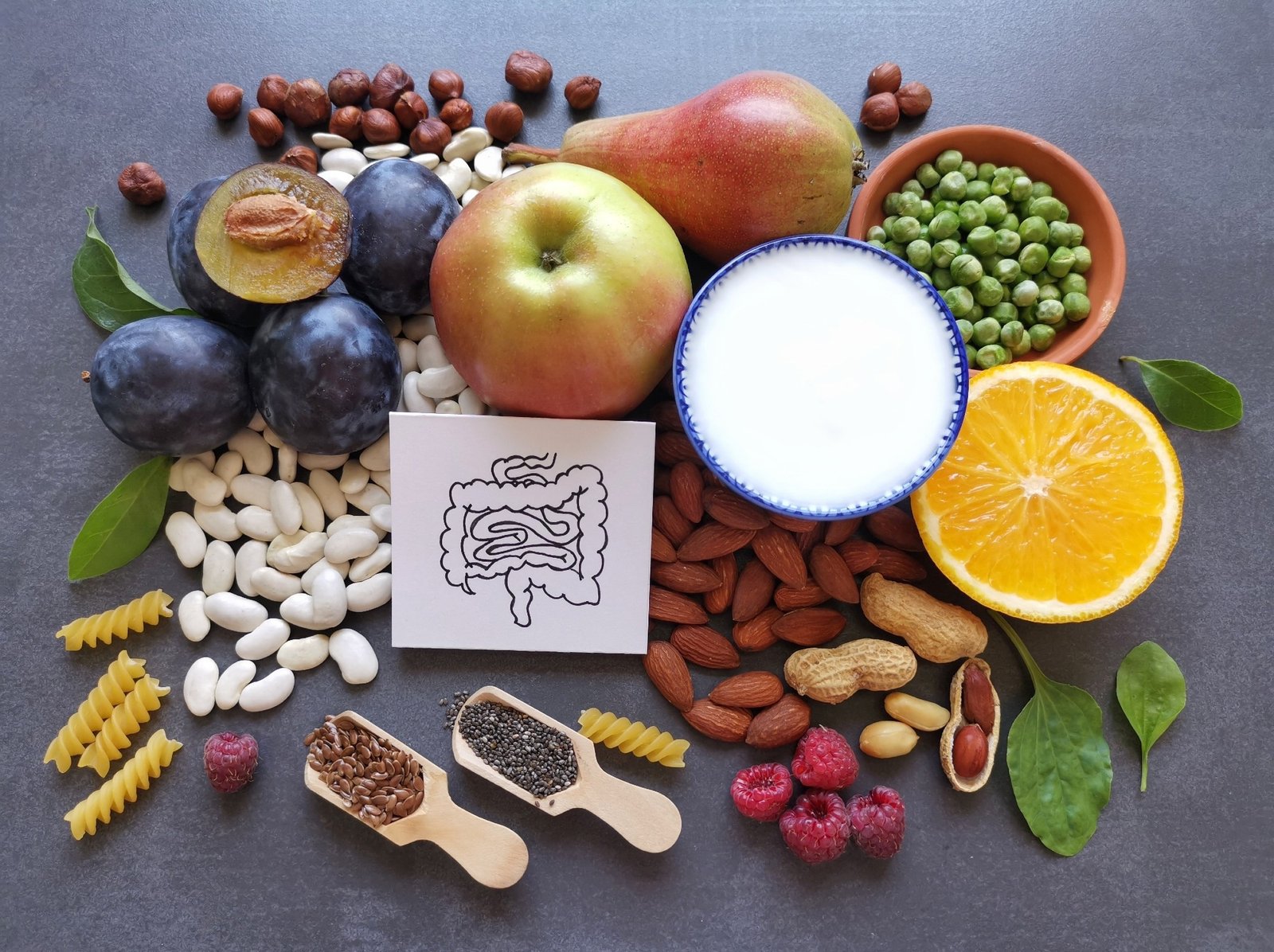
Study: Gene-selective scans are pervasive in human gut microbiomes. Image credit: Danijela Maksimovic/Shutterstock.com
A recent study in Nature developed a comprehensive linkage disequilibrium score (iLDS), a novel scan selection statistic, to identify adaptive alleles that spread in host microbiomes through recombination-driven processes, including migration and horizontal gene transfer (HGT). This emphasizes common selective pressures and their role in shaping microbiome diversity and function.
Genetic adaptations to the gut microbiome
The different species in the human gut microbiome change and evolve over a person’s lifetime and even across generations. Studies show that gut bacteria often evolve rapidly, with new mutations becoming common in healthy adults within days or months, even without antibiotic treatment. Further research is needed to understand how these changes spread across individuals over time.
When a new adaptation arises in one person’s gut microbiome, it can spread to others through horizontal gene transfer (HGT). The human gut is a known hotspot for HGT, facilitating the incorporation of useful genes into new bacterial strains. HGT is important for the spread of certain genes, such as those for antibiotic resistance, especially between different species. To date, it remains unclear how much HGT facilitates the movement of adaptive genes between strains of the same species, particularly through homologous recombination.
When an adaptive gene spreads through a population through a process called “gene-specific” selective sweep, nearby genetic variants, which may be harmless or possibly harmful, can be carried along with it. This means that the same DNA segment, including both the adaptive gene and these “hitchhikers”, can appear in unrelated bacterial strains living in the gut microbiomes of different people. This sharing of DNA creates a remarkable pattern called elevated linkage disequilibrium (LD), meaning that certain combinations of genes appear together more often than expected near the adaptive gene.
LD-based scans for selection in bacteria have been limited, possibly due to the penetrance and dynamics of recombination in many bacterial species, particularly enteric bacteria. Furthermore, LD-based statistics can be confounded by other non-selective evolutionary forces, including demographic contractions, which can increase LD20.
Revealing forces of selection on gut bacterial populations through patterns of linkage disequilibrium
The researchers used simulations to test whether positive selection and hitchhiking increase LD between non-synonymous variants compared to synonymous, and whether this pattern is unique to selection or can occur by chance. They found that this genetic pattern does not arise without positive selection, even under various evolutionary scenarios. The signature appeared only when purifying selection was stronger than drift and positive selection was stronger than purifying selection. In such cases, weakly deleterious variants could hitchhike during a scan, resulting in increased LD between shared non-synonymous variants.
After simulations showed that selective sweeps can increase LD between shared variants, the researchers measured LD in human gut bacteria to determine whether this pattern occurs in natural populations. They analyzed metagenomic data from 693 people on three continents. By aligning sequence reads and identifying samples with a dominant strain, they reliably identified haplotypes. This allowed calculation of LD between pairs of alleles. A total of 3,316 haplotypes from 32 species were analyzed. Additional evidence was collected using metagenomic assembled genomes (MAGs) and isolates from 24 global populations. Since LD can be affected by population structure, only haplotypes from the largest branch of each species were considered.
In most species analyzed, LD was significantly higher among common non-synonymous variants, suggesting positive selection. For rare variants, LD was lower, indicating purifying selection. These patterns indicate extensive purification and positive selection at non-synonymous sites in gut bacteria.
Application of iLDS to examine gut microbial gene adaptations
The iLDS statistic was designed to identify candidate genomic regions under recent positive selection by measuring total and non-synonymous LD. Calculated in genome-wide sliding windows and flagged outliers after normalization. The current study tested iLDS in simulated and real Clostridioides difficile data, demonstrating sensitivity to recent and ongoing scans while maintaining a low false positive rate. The 135 C. difficile isolates, iLDS detected known scanning regions such as tcdB and the S-layer cassette, with most regions showing no signal, while some indicated selection.
Six brooms were found, including tcdb and S-layer. iLDS outperformed other statistics, often matching known virulence genes and revealing sweeps consistent with recombination-mediated spread of adaptive alleles. Its effectiveness was confirmed in Helicobacter pylori and Drosophila melanogaster also.
iLDS applied to 32 gut microbiome species identified 155 scans affecting 447 genes, with some gene classes, such as the susC/susD starch utilization genes and glycoside hydrolases, repeatedly under selection. This indicated that carbohydrate metabolism and transport genes were frequently targeted by selection.
The mdxE and mdxF genes, involved in maltodextrin transport, were under selection in starch-metabolizing gut bacteria and showed signs of recent recombination and horizontal transfer. Previous studies have shown that industrialization is associated with reduced microbiome diversity and increased rates of gene transfer. iLDS scans revealed 309 scans in 24 populations and 16 species, with most unique to one population, suggesting local adaptation.
35 percent of scans were shared between populations, with some globally distributed. Industrialized groups shared scans more often with each other than with nonindustrialized groups, indicating shared ecology and dietary selection pressures.
Only three scans were shared between the two groups, while 32 were unique to either the industrialized or non-industrialized populations. THE R. bromii The mdxEF locus was under selection in all industrial but not non-industrial groups, suggesting adaptation to modern lifestyles. Scan numbers per population were similar between groups, indicating comparable rates of adaptation.
conclusions
The development and application of iLDS revealed how selective pressures shape the gut microbiome and how gut bacteria adapt. Although hundreds of selective scans were detected, conservative calibration of the iLDS likely missed some true positives, suggesting that positive selection in the intestinal tract may be more widespread than observed. Further studies of the loci identified by iLDS are needed to elucidate how microbiome genetics influence host phenotypes, aid disease diagnosis and treatment, and inform the design of targeted probiotics.
