

Close Menu
Healthtost
  • News
  • Mental Health
  • Men’s Health
  • Women’s Health
  • Skin Care
  • Sexual Health
  • Pregnancy
  • Nutrition
  • Fitness
  • Recommended Essentials
What's Hot

If you can still do these 7 things at 60, your body is aging better than most

May 2, 2026

AI scribes save doctors time, but fail to reduce overtime

May 2, 2026

Every mental health journey starts with being seen

May 2, 2026
Facebook X (Twitter) Instagram
  • About Us
  • Contact Us
  • Privacy Policy
  • Terms and Conditions
  • Disclaimer
Facebook X (Twitter) Instagram
Healthtost
SUBSCRIBE
  • News

    AI scribes save doctors time, but fail to reduce overtime

    May 2, 2026

    Identifying the ages at which Alzheimer’s biomarkers change sharply

    May 1, 2026

    Timing of food may shape how T cells respond to infection and therapy

    May 1, 2026

    UCLA researchers build programmable artificial organs using RNA

    April 30, 2026

    Sapio Sciences brings Claude Cowork to the lab

    April 30, 2026
  • Mental Health

    Every mental health journey starts with being seen

    May 2, 2026

    What animal studies teach us about toxic work environments

    April 27, 2026

    I hate hope: How to manage hope when you have treatment-resistant bipolar disorder

    April 19, 2026

    Rose Byrne is raw, magnetic and unfiltered as a woman in crisis

    April 18, 2026

    Can a single mother change her child’s surname in India?

    April 16, 2026
  • Men’s Health

    3 Day Home Workout Plan: Build Muscle and Burn Fat

    April 30, 2026

    GLP-1 drugs promise broader health benefits, but experts advise caution on use

    April 28, 2026

    Trauma patients recover faster when medical teams know each other well, new study finds

    April 28, 2026

    I did red light therapy for 3 months so I shouldn’t have

    April 27, 2026

    Sex Secrets for Men Over 40: Surviving Male Menopause

    April 27, 2026
  • Women’s Health

    What is the difference between UVA and UVB rays?

    May 1, 2026

    Are you a fungus fanatic? We unpack the nutritional trend of mushroom mania

    April 29, 2026

    What the Patients’ Bill of Rights Could Mean for Black Women

    April 29, 2026

    Navigating sexual health during and after cancer

    April 28, 2026

    Do tampons break the hymen? Facts, Myths and What You Need to Know – Vuvatech

    April 27, 2026
  • Skin Care

    The truth about waterless care: What your skin really needs

    May 2, 2026

    What happens to your skin while you sleep? (the science of “Beauty Sle

    May 1, 2026

    Face Peeling Mask Guide: Shine Without Irritation

    April 28, 2026

    Is your moisturizing face mist really drying out your skin?

    April 28, 2026

    Uses and Benefits of TNW Natural Aloe Vera Face Gel – The Natural Wash

    April 27, 2026
  • Sexual Health

    Boost erectile health and confidence

    May 1, 2026

    Judicial Restrictions on Abortion COVID-19 < SRHM

    April 30, 2026

    Can herpes affect fertility?

    April 29, 2026

    The Importance of Personalized Care in Medication Assisted Therapy (MAT) Programs I Novus

    April 28, 2026

    Your favorite mold is lying to you (a little) — Sexual Health Alliance

    April 28, 2026
  • Pregnancy

    5 things you need for the third trimester

    May 1, 2026

    Eating disorders in pregnancy and breastfeeding: Why “healthy eating” is not always easy

    May 1, 2026

    Comprehensive yoga for pregnancy, birth and beyond

    April 29, 2026

    Midwifery and Life – The postnatal health check New mums don’t know they can ask for

    April 28, 2026

    Epidural and unmedicated delivery with two different deliveries

    April 26, 2026
  • Nutrition

    How to create a self-care plan when you’re stressed

    May 1, 2026

    I answer the most HOT Questions about Fatty Liver

    April 29, 2026

    Why You’re Not Losing Weight After 35 (Even When You Eat Less)

    April 28, 2026

    Where to eat in London

    April 27, 2026

    Dr. Will Cole on Why Hire FDN Professionals

    April 26, 2026
  • Fitness

    If you can still do these 7 things at 60, your body is aging better than most

    May 2, 2026

    A Hike Leader’s Must-Have Kit

    April 30, 2026

    Menopausal Hair Loss Solutions: 10 Expert Tips

    April 29, 2026

    Identity Inversion: Part 1 – Ben Greenfield Life

    April 29, 2026

    How to improve accessibility in your gym

    April 28, 2026
  • Recommended Essentials
Healthtost
Home»Mental Health»Stress and anxiety before a marathon can leave runners at risk of getting sick – new research
Mental Health

Stress and anxiety before a marathon can leave runners at risk of getting sick – new research

healthtostBy healthtostNovember 15, 2025No Comments5 Mins Read
Facebook Twitter Pinterest LinkedIn Tumblr Reddit WhatsApp Email
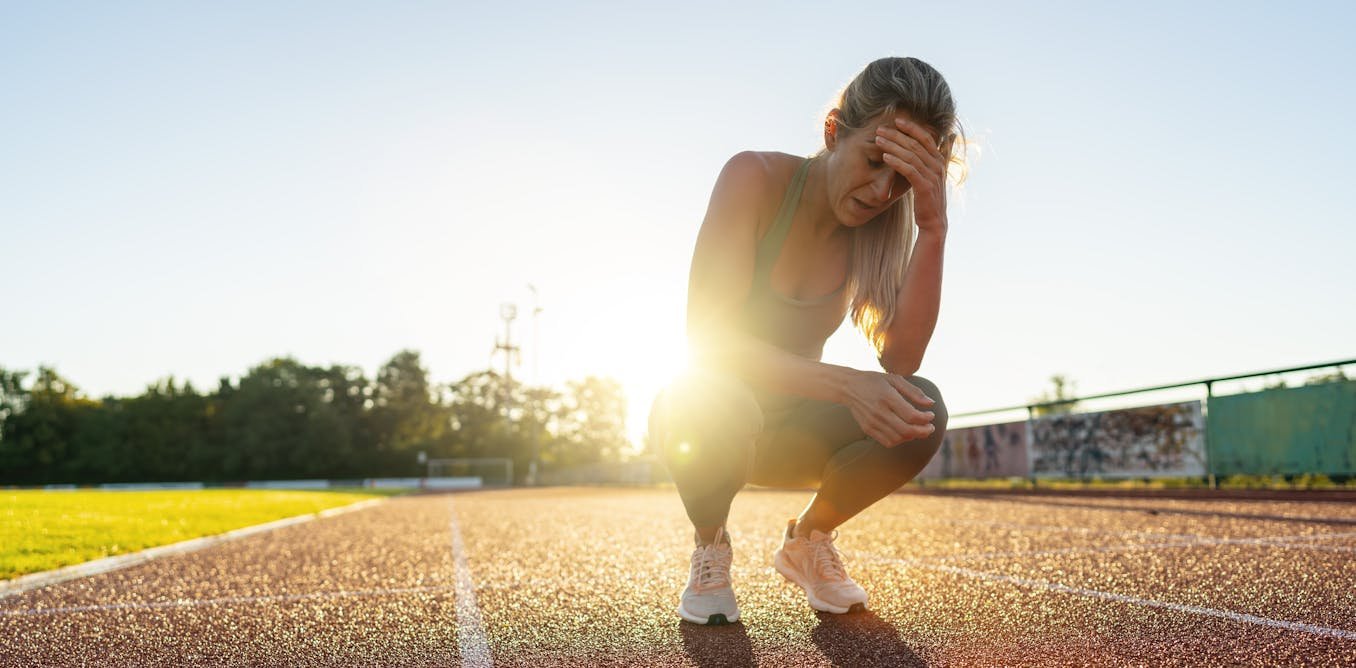
Stress And Anxiety Before A Marathon Can Leave Runners At
Share
Facebook Twitter LinkedIn Pinterest WhatsApp Email

Marathoners have fast become a popular pursuit. Hundreds of thousands of people submit ballots every year to enter some of the most famous races. In 2024, a record number of people has crossed the finish line in some of the world’s greatest marathons. If you haven’t run a marathon yourself, chances are you know someone who has.

While we know that running has a number of health benefits, including reducing the risk of disease, research also shows that runners are more likely to get cold after completing a marathon.

Scientists thought this was caused by reduced immune function after prolonged exercise, along with increased exposure to infection due to the large crowds that marathons attract. But our latest survey shows that a person’s anxiety, stress and mood can also play a role in whether or not they are more vulnerable to getting sick after a long run or marathon.

In our first study, we asked 406 runners to fill out questionnaires about their stress and mood in the month and days before running a marathon. We also asked them to provide saliva samples before and after the race.

The mouth is one of the main routes of access for the majority of viruses and bacteria that cause respiratory infections. The saliva samples allowed us to detect whether there were signs that the defense systems that normally prevent these pathogens from entering the body (known as mucosal immunity) had been suppressed.

We then monitored common cold symptoms during the two weeks following the marathon.

Runners who were generally more anxious and those who experienced more mood disturbance before the race (such as anger, frustration or tension) were more likely to develop a respiratory infection in the two weeks after the marathon. They also had a greater reduction in mucosal immunity.

In the second study, we asked 45 adults to run on a treadmill for one hour in our laboratory. We asked them to fill out questionnaires about their anxiety, stress and mood before completing the run. We also measured salivary mucosal immunity before and after the run.

Men with higher levels of anxiety, stress levels, and greater mood disturbance were more likely to have decreased mucosal immunity after the run compared to men who had lower levels of anxiety and stress before the run.

When examining the effect of stress, anxiety and mood on the immune response to a one-hour run in women, the findings were less clear-cut. There are many possible reasons for this – with factors such as hormonal fluctuations, contraceptive use and differences in immune response depending on the phase of the menstrual cycle, all potentially affect. It will be important for future studies to examine this.

Together, the findings from our studies suggest that people who are more stressed or anxious before a run may be at greater risk of getting sick or catching a cold. This effect seems to hold true not only for marathon-length runs, but also for moderate runs of around an hour.

Immune function

One possible reason for this link between stress and immunity is because of how stress changes the way the immune system works.

Both psychological and physical stressors affect the body through similar mechanisms – specifically through the hypothalamic-pituitary axis and the sympathetic-medullary axis. These pathways connect the nervous system to the brain and play a role in the stress response. High psychological stress or prolonged exercise can suppress these axes and reduce immune function.

Thus, when runners experience both psychological and physical stress, the effects on the immune system may be more significant than if they experienced only psychological or physical stress.

Stress can make our bodies less able to fight infections.
Dirima/Shutterstock

For example both mucosal immunity and the immune system’s ability to respond to new foreign pathogens are reduced after prolonged running in individuals with higher levels of anxiety and stress. This shows how important the effects of both psychological stress and physical stress are when it comes to immune function.

But before you cancel that 10,000 or withdraw your marathon ballot, it’s important to remember that physical activity still reduces risk of respiratory infection compared to not exercising at all.

Physical activity it also reduces the risk of many other serious health conditions, including cardiovascular disease, cancer and diabetes. Running can also be beneficial for reduction of psychological stress and anxiety.

Instead, it’s important to prepare well before the run by dealing with your stress and anxiety beforehand. Finding ways to reduce stress before a run should be treated the same way as making sure you’re hydrated and fueled well.

Some things you can do to reduce stress include relaxation exercises (such as breathing, awareness or yoga) and get a good sleep.

It can also help track stress, anxiety and mood so you can recognize when your stress or anxiety starts to rise – or when your mood starts to take a turn for the worse. This will help you identify triggers and take proactive steps to reduce the impact before things progress and get worse.

If you’re participating in a race or marathon, some easy ways to reduce stress include:

  • Plan your travel route in advance and allow more time to avoid rush and stress
  • If you can, try to arrive the night before the race to clear your route
  • Plan some “what if” or “if/then” strategies so you’re ready to deal with anything unexpected on race day.

Of course, some of the better ways to avoid getting sick, you need to stick to tried and tested techniques – such as washing your hands properly (and avoid touching your eyes, nose and mouth), aim to get at least seven hours of sleep every night, eat a balanced diet, plan a recovery week into your training every second or third week, and never train if you have an injury.

anxiety Leave Marathon research risk Runners sick stress
bhanuprakash.cg
healthtost
  • Website

Related Posts

Every mental health journey starts with being seen

May 2, 2026

Research shows women are confused about when to start mammograms

April 29, 2026

What animal studies teach us about toxic work environments

April 27, 2026

Leave A Reply Cancel Reply

Don't Miss
Fitness

If you can still do these 7 things at 60, your body is aging better than most

By healthtostMay 2, 20260

Aging has a way of slowing down your body. It can affect your muscles, strength…

AI scribes save doctors time, but fail to reduce overtime

May 2, 2026

Every mental health journey starts with being seen

May 2, 2026

The truth about waterless care: What your skin really needs

May 2, 2026
Stay In Touch
  • Facebook
  • Twitter
  • Pinterest
  • Instagram
  • YouTube
  • Vimeo
TAGS
Baby benefits body brain cancer care Day Diet disease exercise finds Fitness food Guide health healthy heart Improve Life Loss Men mental Natural Nutrition Patients Pregnancy protein research reveals risk routine sex sexual Skin Skincare study Therapy Tips Top Training Treatment ways weight women Workout
About Us
About Us

Welcome to HealthTost, your trusted source for breaking health news, expert insights, and wellness inspiration. At HealthTost, we are committed to delivering accurate, timely, and empowering information to help you make informed decisions about your health and well-being.

Latest Articles

If you can still do these 7 things at 60, your body is aging better than most

May 2, 2026

AI scribes save doctors time, but fail to reduce overtime

May 2, 2026

Every mental health journey starts with being seen

May 2, 2026
New Comments
    Facebook X (Twitter) Instagram Pinterest
    • About Us
    • Contact Us
    • Privacy Policy
    • Terms and Conditions
    • Disclaimer
    © 2026 HealthTost. All Rights Reserved.

    Type above and press Enter to search. Press Esc to cancel.