

Close Menu
Healthtost
  • News
  • Mental Health
  • Men’s Health
  • Women’s Health
  • Skin Care
  • Sexual Health
  • Pregnancy
  • Nutrition
  • Fitness
  • Recommended Essentials
What's Hot

9 Easy Chia Pudding Recipes (+ The Perfect Pudding Ratio) • Kath Eats

May 4, 2026

Randomized controlled trial validates total hip arthroplasty to improve functional capacity

May 4, 2026

Dr. William O. Brant on male sexual health and the risks and benefits of supplements

May 4, 2026
Facebook X (Twitter) Instagram
  • About Us
  • Contact Us
  • Privacy Policy
  • Terms and Conditions
  • Disclaimer
Facebook X (Twitter) Instagram
Healthtost
SUBSCRIBE
  • News

    Randomized controlled trial validates total hip arthroplasty to improve functional capacity

    May 4, 2026

    New genetic risk report reveals hidden risk of heart disease before symptoms appear

    May 3, 2026

    Five-target drug beats GLP-1/GIP therapy in obese diabetic mice

    May 3, 2026

    How fast your face ages can predict cancer survival outcomes

    May 2, 2026

    AI scribes save doctors time, but fail to reduce overtime

    May 2, 2026
  • Mental Health

    Every mental health journey starts with being seen

    May 2, 2026

    What animal studies teach us about toxic work environments

    April 27, 2026

    I hate hope: How to manage hope when you have treatment-resistant bipolar disorder

    April 19, 2026

    Rose Byrne is raw, magnetic and unfiltered as a woman in crisis

    April 18, 2026

    Can a single mother change her child’s surname in India?

    April 16, 2026
  • Men’s Health

    Dr. William O. Brant on male sexual health and the risks and benefits of supplements

    May 4, 2026

    3 Day Home Workout Plan: Build Muscle and Burn Fat

    April 30, 2026

    GLP-1 drugs promise broader health benefits, but experts advise caution on use

    April 28, 2026

    Trauma patients recover faster when medical teams know each other well, new study finds

    April 28, 2026

    I did red light therapy for 3 months so I shouldn’t have

    April 27, 2026
  • Women’s Health

    How to do a breast self-exam and spot lumps

    May 4, 2026

    Finding the best lupus treatments

    May 3, 2026

    What is the difference between UVA and UVB rays?

    May 1, 2026

    Are you a fungus fanatic? We unpack the nutritional trend of mushroom mania

    April 29, 2026

    What the Patients’ Bill of Rights Could Mean for Black Women

    April 29, 2026
  • Skin Care

    How I Did It: Fading Hormonal Hyperpigmentation Without Lasers

    May 3, 2026

    The truth about waterless care: What your skin really needs

    May 2, 2026

    What happens to your skin while you sleep? (the science of “Beauty Sle

    May 1, 2026

    Face Peeling Mask Guide: Shine Without Irritation

    April 28, 2026

    Is your moisturizing face mist really drying out your skin?

    April 28, 2026
  • Sexual Health

    Early signs of Peyronie’s disease and when to seek help

    May 3, 2026

    Boost erectile health and confidence

    May 1, 2026

    Judicial Restrictions on Abortion COVID-19 < SRHM

    April 30, 2026

    Can herpes affect fertility?

    April 29, 2026

    The Importance of Personalized Care in Medication Assisted Therapy (MAT) Programs I Novus

    April 28, 2026
  • Pregnancy

    Why is anemia during pregnancy high in Indian women?

    May 2, 2026

    5 things you need for the third trimester

    May 1, 2026

    Eating disorders in pregnancy and breastfeeding: Why “healthy eating” is not always easy

    May 1, 2026

    Comprehensive yoga for pregnancy, birth and beyond

    April 29, 2026

    Midwifery and Life – The postnatal health check New mums don’t know they can ask for

    April 28, 2026
  • Nutrition

    9 Easy Chia Pudding Recipes (+ The Perfect Pudding Ratio) • Kath Eats

    May 4, 2026

    A cancer-causing contaminant in drugs and meat

    May 3, 2026

    How Nutrition Supports Mood, Energy and Gut Health

    May 2, 2026

    How to create a self-care plan when you’re stressed

    May 1, 2026

    I answer the most HOT Questions about Fatty Liver

    April 29, 2026
  • Fitness

    The most underrated skill I wish everyone learned

    May 3, 2026

    Landmine Training and Why I Love It – Tony Gentilcore

    May 3, 2026

    9 Powerful Fitness Tips for Pear Shaped Bodies

    May 2, 2026

    If you can still do these 7 things at 60, your body is aging better than most

    May 2, 2026

    A Hike Leader’s Must-Have Kit

    April 30, 2026
  • Recommended Essentials
Healthtost
Home»News»Covid -9 can reduce behavior problems in infants
News

Covid -9 can reduce behavior problems in infants

healthtostBy healthtostSeptember 11, 2025No Comments5 Mins Read
Facebook Twitter Pinterest LinkedIn Tumblr Reddit WhatsApp Email
Covid 9 Can Reduce Behavior Problems In Infants
Share
Facebook Twitter LinkedIn Pinterest WhatsApp Email

Despite fears that pandemic anxiety will harm children’s development, new research shows that young children have had less emotional and behavioral problems, especially in families with lower mother education, implying hidden resilience factors.

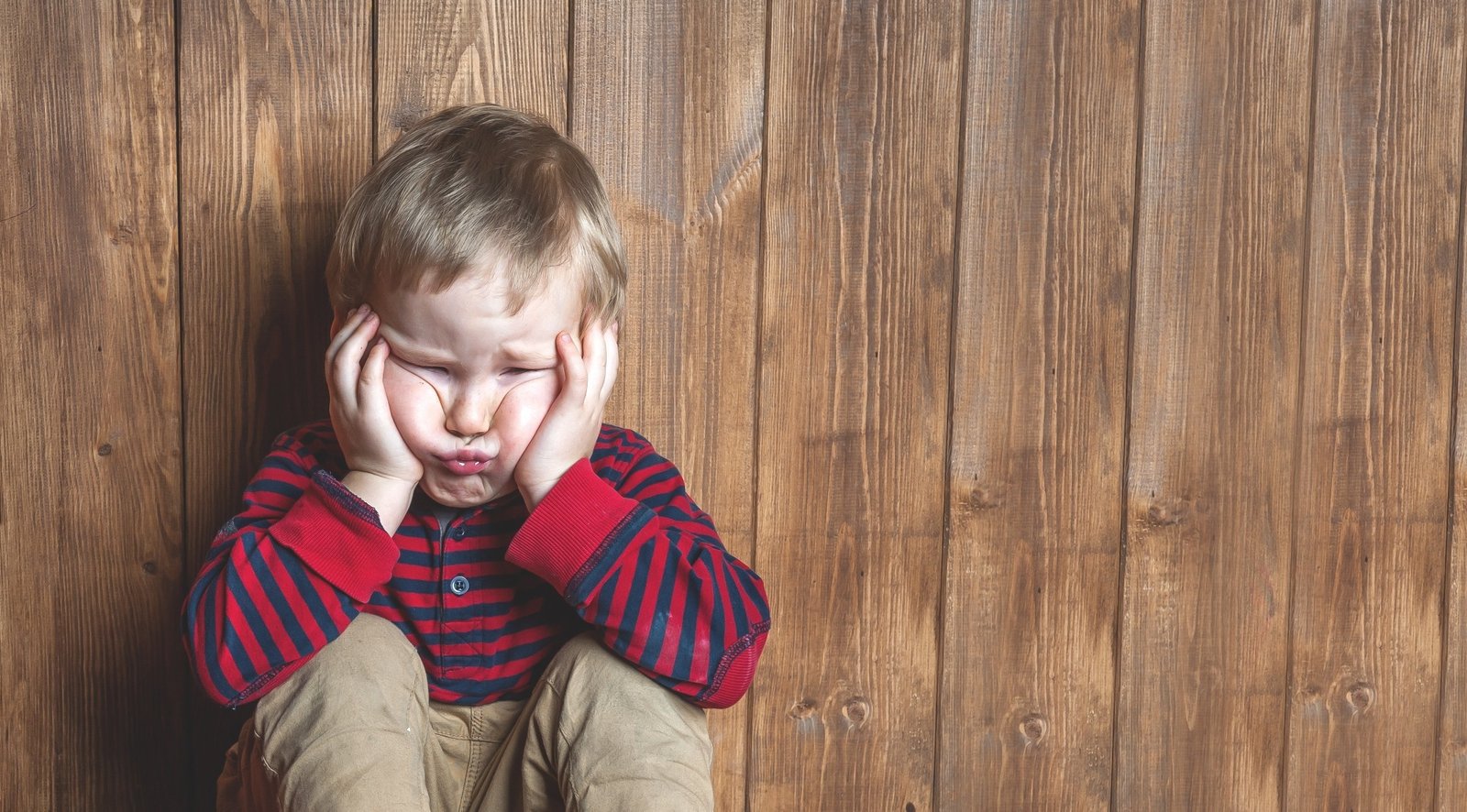
Study: Exposure to COVID-19 pandemic and young child’s behavior in the ECHO program. Credit Picture: Sharmka/Shutterstock.com

A new study published in Open the Jama Network It states that exposure to the Crown Disease 2019 (Covid-19) The pandemic has been associated with less, not larger, emotional and behavioral problems in infants, rather than significant their behavioral health.

Background

The Covid-19 pandemic has burdened the health and economic systems between countries and has greatly influenced family and social dynamics. Both family and social environments play an important role in shaping a child’s health and well -being, as childhood is a period of increased brain plasticity and sensitivity to environmental influences. This is a concern for possible behavior changes to children after the exposure of the pandemic.

Existing elements have linked the Covid-19 pandemic to increased psychological discomfort in younger and older adults. However, studies investigating the impact of pandemic on childhood behavior changes have caused mixed results. Some studies have reported higher problem -solving skills and subtle motor skills and lower personal social skills in children with pandemic. On the contrary, some did not mention a significant impact of the pandemic on internalization problems and external children.

Given these deviations in the findings, the current study aimed to investigate the impact of the COVID-19 pandemic on internalization and external problems on infants. Internalization problems and external reactions are emotional (anxiety, depression and withdrawal) and behavioral problems (aggression, hyperactivity and rule) that can significantly affect a person’s mental health and social function.

Design planning

The study analyzed data from environmental influences on the children’s health program (ECHO), which recruits children from multiple US and Puerto Rico with a variety of geographical and socio -dimensional backgrounds.

This study included 3438 toddlers, which were divided into three groups: the prophetic team, the team evaluated by a pandemic and the group born in the pandemic. The preparation of the children was born and evaluated before the pandemic. The group team team was born before the pandemic, but was evaluated during the pandemic. And the group born in Pandemic were born and evaluated during the pandemic.

A widely certified care reference tool was used to evaluate infant and behavioral problems in infants, assuming that pandemic -related stressors, such as family disorder, social isolation and increased family stress, will contribute to increased and high -behavioral problems.

Basic findings

The analysis of the study revealed that young children born before the pandemic but were evaluated during the pandemic or tosses born and evaluated during the pandemic, had lower levels of emotional and behavioral problems by their peer -born peers.

These differences were more intense among mothers with less than a degree than the children of mothers with higher educational achievements. The authors stressed that the protective model was only important between the lower education group, rather than proven that these toddlers overall had less problems than those of the most educated mothers.

Importance

This study is one of the first to explore these associations in various US and Puerto Rico between three groups of young children who differ in the pandemic report.

A growing group of evidence suggests that the impact of the pandemic on children’s mental health depends on family characteristics, such as socio -economic status and parental care practices. Consistent family routines within households, such as normal play people and family meals, have been found to reduce depressed symptoms in preschool children during the pandemic.

Although pre-existing studies have linked the poor socio-economic situation with higher emotional and behavioral difficulties in young adults, studies conducted during the pandemic have reported greater emotional discomfort and discontent for life in families with higher-economic families.

These observations and current findings of the study indicate that the stress -related stressors do not necessarily contribute to the most adverse nervous in children.

Specifically, the study notes that the correlations between the exhibition pandemic and less emotional and behavioral problems were important only in the infants of mothers with a lower educational background. The researchers performed carefully, indicating a possible explanation that families with a lower educational achievement may have experienced fewer lifestyle disorders during the pandemic, which could provide a relatively more stable care environment.

However, a previous study conducted during the Covid-19 pandemic reported that mothers with a college or 4-year degree had higher psychological discomfort than those with the least and highest educational achievement. This emphasizes the complexity of the correlation between education and pandemic stress and the possible contributions of other factors to these results.

The findings of the study are based on the behavior of the behavior of children mentioned by the carer, who can introduce critical errors due to parental mental health, prejudice and expectations. The pandemic may have further influenced these perceptions, possibly leading parents to see behaviors less in terms of wider stress factors.

The study included toddlers between 18 and 39 months. This narrow age range can limit the generality of findings to older children, who may have faced more severe behavioral problems due to the disorder associated with pandemic in peer interactions, school studies and other social activities.

The study does not analyze parental mental health or specific pandemic stressors, such as health concerns, economic crisis, social isolation or disturbed routines. These factors can potentially affect the effects of behavior in children.

Despite these limitations, the findings of the study have a significant impact on public health, stressing the need to identify protective factors that can eliminate the impact of pandemic on children’s behavior.

Download your PDF copy now!

behavior COVID infants problems reduce
bhanuprakash.cg
healthtost
  • Website

Related Posts

Randomized controlled trial validates total hip arthroplasty to improve functional capacity

May 4, 2026

New genetic risk report reveals hidden risk of heart disease before symptoms appear

May 3, 2026

Five-target drug beats GLP-1/GIP therapy in obese diabetic mice

May 3, 2026

Leave A Reply Cancel Reply

Don't Miss
Nutrition

9 Easy Chia Pudding Recipes (+ The Perfect Pudding Ratio) • Kath Eats

By healthtostMay 4, 20260

Looking for easy chia pudding recipes that you can make overnight? These healthy chia pudding…

Randomized controlled trial validates total hip arthroplasty to improve functional capacity

May 4, 2026

Dr. William O. Brant on male sexual health and the risks and benefits of supplements

May 4, 2026

How to do a breast self-exam and spot lumps

May 4, 2026
Stay In Touch
  • Facebook
  • Twitter
  • Pinterest
  • Instagram
  • YouTube
  • Vimeo
TAGS
Baby benefits body brain cancer care Day Diet disease exercise finds Fitness food Guide health healthy heart Improve Life Loss Men mental Natural Nutrition Patients Pregnancy protein research reveals risk routine sex sexual Skin Skincare study Therapy Tips Top Training Treatment ways weight women Workout
About Us
About Us

Welcome to HealthTost, your trusted source for breaking health news, expert insights, and wellness inspiration. At HealthTost, we are committed to delivering accurate, timely, and empowering information to help you make informed decisions about your health and well-being.

Latest Articles

9 Easy Chia Pudding Recipes (+ The Perfect Pudding Ratio) • Kath Eats

May 4, 2026

Randomized controlled trial validates total hip arthroplasty to improve functional capacity

May 4, 2026

Dr. William O. Brant on male sexual health and the risks and benefits of supplements

May 4, 2026
New Comments
    Facebook X (Twitter) Instagram Pinterest
    • About Us
    • Contact Us
    • Privacy Policy
    • Terms and Conditions
    • Disclaimer
    © 2026 HealthTost. All Rights Reserved.

    Type above and press Enter to search. Press Esc to cancel.