

Close Menu
Healthtost
  • News
  • Mental Health
  • Men’s Health
  • Women’s Health
  • Skin Care
  • Sexual Health
  • Pregnancy
  • Nutrition
  • Fitness
  • Recommended Essentials
What's Hot

Dealing with customer misconceptions with Ask-Offer-Ask

May 7, 2026

Non-hormonal treatments for vasomotor symptoms

May 7, 2026

Skin Spa NYC: What to book for radiance, pore cleansing and lifting

May 7, 2026
Facebook X (Twitter) Instagram
  • About Us
  • Contact Us
  • Privacy Policy
  • Terms and Conditions
  • Disclaimer
Facebook X (Twitter) Instagram
Healthtost
SUBSCRIBE
  • News

    Non-hormonal treatments for vasomotor symptoms

    May 7, 2026

    Targeted RAS inhibitor shows promise against pancreatic cancer mutations

    May 7, 2026

    Teenagers consider cannabis safer than alcohol, vaping and cigarettes

    May 6, 2026

    Popular GLP-1 drugs significantly reduce major cardiovascular events,

    May 6, 2026

    Poor mental health is associated with poorer quality of care and lower trust in the health care system

    May 5, 2026
  • Mental Health

    Every mental health journey starts with being seen

    May 2, 2026

    What animal studies teach us about toxic work environments

    April 27, 2026

    I hate hope: How to manage hope when you have treatment-resistant bipolar disorder

    April 19, 2026

    Rose Byrne is raw, magnetic and unfiltered as a woman in crisis

    April 18, 2026

    Can a single mother change her child’s surname in India?

    April 16, 2026
  • Men’s Health

    35 Minute High Rep Bodyweight Full Body Workout Challenge

    May 7, 2026

    Study reveals neglected crisis of paternal deaths after childbirth

    May 5, 2026

    Aging in place takes more than good intentions — It takes smart infrastructure

    May 5, 2026

    Dr. William O. Brant on male sexual health and the risks and benefits of supplements

    May 4, 2026

    3 Day Home Workout Plan: Build Muscle and Burn Fat

    April 30, 2026
  • Women’s Health

    How to insert a tampon: Step by step guide

    May 7, 2026

    Eat the Vitamins, Kids: A Guide to Kids Vitamins | The Wellness Blog

    May 6, 2026

    Breaking Barriers, Building Strength: The Maya Nassar Story

    May 5, 2026

    How to do a breast self-exam and spot lumps

    May 4, 2026

    Finding the best lupus treatments

    May 3, 2026
  • Skin Care

    Skin Spa NYC: What to book for radiance, pore cleansing and lifting

    May 7, 2026

    What is Skinification? A simple guide to this beauty trend

    May 6, 2026

    How I Did It: Fading Hormonal Hyperpigmentation Without Lasers

    May 3, 2026

    The truth about waterless care: What your skin really needs

    May 2, 2026

    What happens to your skin while you sleep? (the science of “Beauty Sle

    May 1, 2026
  • Sexual Health

    how do you tell them apart?

    May 7, 2026

    What is Sexology? Complete guide to the field — Sexual Health Alliance

    May 6, 2026

    5 Ways to Improve Heart Health for Men

    May 5, 2026

    Early signs of Peyronie’s disease and when to seek help

    May 3, 2026

    Boost erectile health and confidence

    May 1, 2026
  • Pregnancy

    Transforming birth through informed, empowered support

    May 6, 2026

    4 Key Steps to Reconnecting with Your Core

    May 5, 2026

    Why is anemia during pregnancy high in Indian women?

    May 2, 2026

    5 things you need for the third trimester

    May 1, 2026

    Eating disorders in pregnancy and breastfeeding: Why “healthy eating” is not always easy

    May 1, 2026
  • Nutrition

    How living with joy becomes a powerful act of rebellion

    May 5, 2026

    Can magnesium help you lose weight?

    May 4, 2026

    9 Easy Chia Pudding Recipes (+ The Perfect Pudding Ratio) • Kath Eats

    May 4, 2026

    A cancer-causing contaminant in drugs and meat

    May 3, 2026

    How Nutrition Supports Mood, Energy and Gut Health

    May 2, 2026
  • Fitness

    Dealing with customer misconceptions with Ask-Offer-Ask

    May 7, 2026

    A must-have pre-wedding diet plan for every bride-to-be

    May 7, 2026

    Kemari Copeland’s Explains His Strategy for Squatting 605 Pounds for 10 Reps

    May 6, 2026

    The most underrated skill I wish everyone learned

    May 3, 2026

    Landmine Training and Why I Love It – Tony Gentilcore

    May 3, 2026
  • Recommended Essentials
Healthtost
Home»Pregnancy»Understanding Gestational Diabetes and Pregnancy – Pink Stork
Pregnancy

Understanding Gestational Diabetes and Pregnancy – Pink Stork

healthtostBy healthtostJuly 12, 2024No Comments6 Mins Read
Facebook Twitter Pinterest LinkedIn Tumblr Reddit WhatsApp Email
Understanding Gestational Diabetes And Pregnancy – Pink Stork
Share
Facebook Twitter LinkedIn Pinterest WhatsApp Email

What is gestational diabetes?

Gestational diabetes is a condition that occurs in pregnant women who did not have diabetes before their pregnancy. It causes high blood sugar levels that can be harmful to you and your baby. Gestational diabetes usually occurs during the second or third trimester.

What causes gestational diabetes?

Insulin is a hormone produced by your pancreas. It helps your body break down glucose, or sugar, into energy. As your body and hormones change with pregnancy, your cells have a harder time using insulin and blood sugar levels rise. This is called insulin resistance. All women will develop some degree of insulin resistance when they are pregnant, but most can overcome this by producing more insulin. Women who can’t develop gestational diabetes.

We don’t know why some women develop gestational diabetes and others don’t. But being overweight before and gaining weight during pregnancy seems to play an important role. Another risk factors include:

  • History of gestational diabetes with previous pregnancy
  • Family history of diabetes
  • Not be physically active
  • Having polycystic ovary syndrome (PCOS)
  • Having given birth to a baby weighing more than 9 kg during a previous pregnancy

Women of certain races and ethnicities are also more likely to develop gestational diabetes. If you are African American, Hispanic, Asian American, or American Indian, your risk is higher.

What are the symptoms of gestational diabetes?

There are usually no obvious symptoms associated with gestational diabetes. Some women may notice that they are more thirsty or need to go to the bathroom more often. These are also normal pregnancy symptoms. It can be difficult to tell whether these symptoms are caused by pregnancy or gestational diabetes.

How to test for gestational diabetes?

If you don’t have any risk factors, your healthcare provider will test you for gestational diabetes between 24 and 28 weeks of pregnancy. If you or your family have a history of diabetes or gestational diabetes, you will likely be tested much earlier.

The test generally includes a initial glucose test. During this test, you will drink a sugary drink. An hour later you will have blood drawn and your blood sugar levels checked. If your blood sugar level is above 190 mg/dl, this indicates gestational diabetes. A blood sugar level of less than 140 mg/dl is within normal limits and you have passed the glucose tolerance test.

If your blood sugar levels were higher than expected, you will have a second glucose tolerance test. This time you will drink a substance with even more sugar and have blood drawn every hour for the next three hours. If you fail two of the three measurements, you have gestational diabetes.

What are the complications of gestational diabetes?

Untreated gestational diabetes can cause problems for both mom and baby. Some complications Your baby is at increased risk of including:

  • High birth weight – babies who are over 9kg can get stuck in the birth canal and require a caesarean section.
  • Low blood sugar – sometimes the baby’s blood sugar levels drop too low after birth. If it is a severe fall, seizures may occur.
  • Premature labor – High blood sugar can cause the baby to be born prematurely, or the size of the baby may require premature delivery.
  • Breathing problems – babies born too early may have trouble breathing because their lungs are not fully developed.
  • Mortality – The risk of stillbirth is higher in women with gestational diabetes
  • Higher risk of obesity and type II diabetes later in life

Possible complications for mom include:

  • Increased risk of hypertension and pre-eclampsia
  • Increased risk of needing a C-section because the baby is too big to fit through the birth canal
  • The risk of developing gestational diabetes in another pregnancy is higher
  • Higher risk of type II diabetes after delivery

What are the treatments for gestational diabetes?

Treatments for gestational diabetes include lifestyle changes, monitoring your blood sugar levels, and medications, if needed. Lifestyle changes, such as watching what you eat and exercising, can help you maintain and gain an appropriate amount of weight. Limiting sweets and processed carbohydrates will help prevent spikes and crashes in your blood sugar levels.

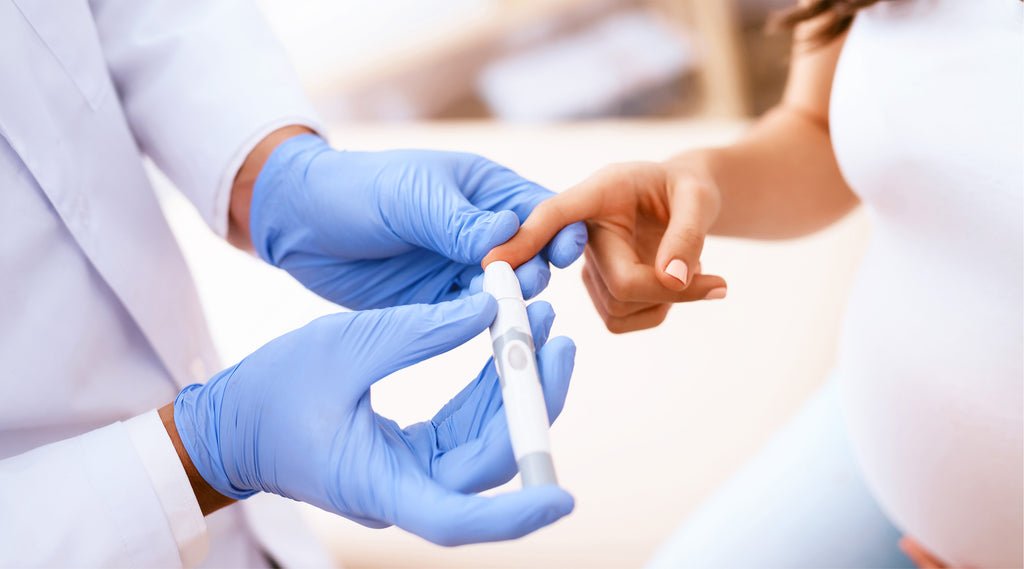
Your healthcare provider may ask you to monitor your blood sugar levels with a blood glucose meter. These meters measure blood sugar with a small drop of blood from a finger prick. You will check yourself several times a day to make sure your blood sugar levels are within normal limits.

Sometimes your blood sugar levels can’t be maintained with diet and exercise alone. If this is the case, your provider may prescribe oral diabetes medications or insulin injections. Insulin injections are the preferred treatment because they are safe for you and your baby. Research is still ongoing to find out the long-term effects of oral medications

Can I prevent gestational diabetes?

Unfortunately, there is no surefire way to prevent gestational diabetes. There are a few lifestyle changes you can make to lower your risk. Eating healthy, exercising and watching your weight gain are important changes to make, especially if you had gestational diabetes in a previous pregnancy.

Along with healthy eating, Pink Stork’s Total Prenatal + DHA can start you on a healthy path to pregnancy. Adding to ours Myo/Chiro Inositol Blend 40:1 can help support your hormones before, during and after your pregnancy.

What happens after the baby is born?

For most women, gestational diabetes goes away shortly after the baby is born. Your health care provider should test you for diabetes 6 to 12 weeks after delivery. If your blood sugar is still high, you may have type II diabetes. Even if your blood sugar levels return to normal, you should be screened for diabetes every 1 to 3 years, as your risk of developing type II diabetes is greater. Eating healthy and losing weight can help prevent diabetes in the future.

Bibliographical references:

Centers for Disease Control and Prevention. (2022). Gestational diabetes and pregnancy.

National Institute of Diabetes and Digestive and Kidney Diseases. (2017). Gestational diabetes symptoms and causes.

Mayo Clinic. (2022). Gestational Diabetes.

Diabetes Gestational Pink Pregnancy Stork Understanding
bhanuprakash.cg
healthtost
  • Website

Related Posts

Transforming birth through informed, empowered support

May 6, 2026

4 Key Steps to Reconnecting with Your Core

May 5, 2026

Why is anemia during pregnancy high in Indian women?

May 2, 2026

Leave A Reply Cancel Reply

Don't Miss
Fitness

Dealing with customer misconceptions with Ask-Offer-Ask

By healthtostMay 7, 20260

Basic Takeaways Correcting customer misconceptions can be difficult, but using motivational…

Non-hormonal treatments for vasomotor symptoms

May 7, 2026

Skin Spa NYC: What to book for radiance, pore cleansing and lifting

May 7, 2026

how do you tell them apart?

May 7, 2026
Stay In Touch
  • Facebook
  • Twitter
  • Pinterest
  • Instagram
  • YouTube
  • Vimeo
TAGS
Baby benefits body brain cancer care Day Diet disease exercise finds Fitness food Guide health healthy heart Improve Life Loss Men mental Natural Nutrition Patients Pregnancy protein research reveals risk routine sex sexual Skin Skincare study Therapy Tips Top Training Treatment ways weight women Workout
About Us
About Us

Welcome to HealthTost, your trusted source for breaking health news, expert insights, and wellness inspiration. At HealthTost, we are committed to delivering accurate, timely, and empowering information to help you make informed decisions about your health and well-being.

Latest Articles

Dealing with customer misconceptions with Ask-Offer-Ask

May 7, 2026

Non-hormonal treatments for vasomotor symptoms

May 7, 2026

Skin Spa NYC: What to book for radiance, pore cleansing and lifting

May 7, 2026
New Comments
    Facebook X (Twitter) Instagram Pinterest
    • About Us
    • Contact Us
    • Privacy Policy
    • Terms and Conditions
    • Disclaimer
    © 2026 HealthTost. All Rights Reserved.

    Type above and press Enter to search. Press Esc to cancel.