

Close Menu
Healthtost
  • News
  • Mental Health
  • Men’s Health
  • Women’s Health
  • Skin Care
  • Sexual Health
  • Pregnancy
  • Nutrition
  • Fitness
  • Recommended Essentials
What's Hot

Tranexamic Acid – Esthetic Approved Ingredient

February 4, 2026

New immunotherapy could replace daily pills after kidney transplant

February 3, 2026

Capable of creating warmth for every skin tone

February 3, 2026
Facebook X (Twitter) Instagram
  • About Us
  • Contact Us
  • Privacy Policy
  • Terms and Conditions
  • Disclaimer
Facebook X (Twitter) Instagram
Healthtost
SUBSCRIBE
  • News

    New immunotherapy could replace daily pills after kidney transplant

    February 3, 2026

    Hopeful climate commitment can reduce mental distress

    February 3, 2026

    The young fall behind, the old thrive

    February 2, 2026

    Simple hemiarch surgery effective for elderly patients with aortic dissection

    February 2, 2026

    Embedded Monte Carlo and deep learning improve radiotherapy QA

    February 1, 2026
  • Mental Health

    Mental Health in the Black Community: Addressing…

    February 3, 2026

    Some people gain confidence when they think things through, others lose it – new research

    February 2, 2026

    3 practical ways to improve a writer’s mental health

    January 31, 2026

    Your phone is not a weakness. It’s a distraction machine. Here’s how to regain your focus.

    January 25, 2026

    Find out how you can support people with eating and substance use disorders

    January 24, 2026
  • Men’s Health

    Testicular cancer self-examination and why it could save your life

    February 2, 2026

    25-Minute Bodyweight Functional Training Program for Beginners

    February 1, 2026

    Turning everyday eggs into powerful nutrient delivery systems

    January 30, 2026

    Affordable food can be better, both for you and the planet

    January 30, 2026

    Full Body Kettlebell Complex for Strength and Muscle Definition

    January 25, 2026
  • Women’s Health

    Prenatal care in 2026: New recommendations for healthy pregnancy

    February 1, 2026

    3 Teens Quit Social Media for a Week — and Loved It

    February 1, 2026

    Exercises for Prevention, Symptoms & Recovery

    January 31, 2026

    Cómo puedo saberlo: ¿Es tristeza o depresión?

    January 31, 2026

    Over 40 Body Rebuild – How to Build Muscle and Lose Fat

    January 30, 2026
  • Skin Care

    Tranexamic Acid – Esthetic Approved Ingredient

    February 4, 2026

    Capable of creating warmth for every skin tone

    February 3, 2026

    The Perfect Nighttime Skincare Routine, Edited by About Face Aesthetics

    February 1, 2026

    Cleaners that make a difference: How to choose yours

    January 30, 2026

    How to Layer Hyaluronic Toner + Serums for G – The Natural Wash

    January 29, 2026
  • Sexual Health

    A guide to a comfortable cervical check with Dr. Unsworth

    February 1, 2026

    How “Bridgerton” and the Other Romances Evolved in Their Depictions of Consent

    January 30, 2026

    Extraction, gold mining and SRHR in Kenya

    January 29, 2026

    How the Wabi-Sabi Body Frame is Rewriting Body Image Therapy — Sexual Health Alliance

    January 28, 2026

    Is an HPV vaccine enough?

    January 25, 2026
  • Pregnancy

    Is it safe to drink milk during pregnancy? What to know

    January 31, 2026

    12 Expert Answers to Your Pregnancy Yoga Questions

    January 29, 2026

    Best Pregnancy and Postpartum Fitness Course 2026

    January 27, 2026

    The best baby travel products for visiting family

    January 26, 2026

    The top 3 pregnancy facials that are safe and effective

    January 25, 2026
  • Nutrition

    5 Ways You’re Sabotaging Your Metabolism

    February 2, 2026

    How to Save Money on Travel • Kath Eats

    February 1, 2026

    How low can LDL cholesterol go on PCSK9 inhibitors?

    January 31, 2026

    Signs that your body is ready to reset

    January 31, 2026

    Healthy Pakistani Recipes: Low-Oil Versions of Beloved Classics

    January 30, 2026
  • Fitness

    Can your customers actually do what you want them to do? – Tony Gentilcore

    February 2, 2026

    7 Essential Mental Health Tips for Healthy Aging

    February 2, 2026

    Beginner-friendly menopause workouts to build strength

    February 1, 2026

    Best Cereals for Weight Loss: 7 Healthy, Satisfying Choices

    February 1, 2026

    Inside the OPEX Mentorship Method Week 7: Lifestyle & Nutrition

    January 31, 2026
  • Recommended Essentials
Healthtost
Home»News»Human microlungs mimic animal response to nanomaterials
News

Human microlungs mimic animal response to nanomaterials

healthtostBy healthtostApril 27, 2024No Comments3 Mins Read
Facebook Twitter Pinterest LinkedIn Tumblr Reddit WhatsApp Email
Human Microlungs Mimic Animal Response To Nanomaterials
Share
Facebook Twitter LinkedIn Pinterest WhatsApp Email

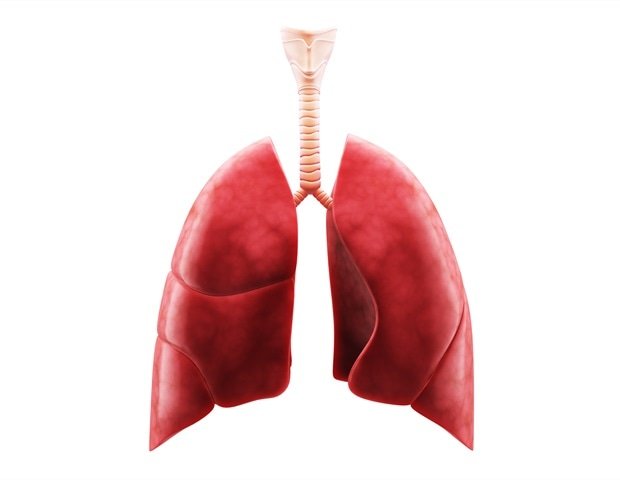
Human mini-lungs developed by scientists at the University of Manchester can mimic the response of animals when exposed to certain nanomaterials.

The study at the University’s NanoCell Biology Laboratory at the Center for Nanotechnology in Medicine is published in the influential journal Nano Today.

Although not expected to fully replace animal models, human organoids could soon lead to significant reductions in the number of research animals, argues the team led by cell biologist and nanotoxicologist Dr Sandra Vranic.

Grown in a dish from human stem cells, lung organoids are multicellular, three-dimensional structures that aim to recreate key features of human tissues, such as cellular complexity and architecture.

They are increasingly being used to better understand various lung diseases, from cystic fibrosis to lung cancer and infectious diseases including SARS-CoV-2.

However, their ability to capture tissue responses to nanomaterial exposure has so far not been demonstrated.

To expose the organoid model to carbon-based nanomaterials, Dr Rahaf Issa, lead scientist in Dr Vranic’s group, developed a method to precisely dose and microinject nanomaterials into the lumen of the organoid.

It simulated the actual exposure of the apical pulmonary epithelium, the outermost layer of cells that line the respiratory passages inside the lungs.

Existing animal research data have shown that one type of long and rigid multiwalled carbon nanotubes (MWCNTs) can cause adverse effects in the lungs, leading to persistent inflammation and fibrosis – a severe type of irreversible lung scarring.

Using the same biological endpoints, the group’s human lung organoids showed a similar biological response, which validates them as tools for predicting nanomaterial-driven responses in lung tissue.

Human organoids allowed a better understanding of the interactions of nanomaterials with the model tissue, but at the cellular level.

Graphene oxide (GO), a flat, thin and flexible form of carbon nanomaterial, was found to be momentarily trapped out of harm’s way in a substance produced by the respiratory system called secretory mucin.

In contrast, MWCNT induced a more persistent interaction with alveolar cells, with more limited mucin secretion and leading to fibrous tissue growth.

In a further development, Dr. Issa and Vranic based at the University’s Center for Nanotechnology in Medicine are developing and studying a pioneering human lung organoid that also contains an integrated immune cell component.

Dr Vranic said: “With further validation, prolonged exposure and the incorporation of an immune component, human lung organoids could significantly reduce the need for animals used in nanotoxicology research.

“The 3Rs of replacement, reduction and improvement, developed to encourage humane animal research, are now enshrined in UK law and many other countries.

“Public attitudes consistently show that support for animal research depends on implementation of the 3Rs.”

Current “2D tests” of nanomaterials using 2D cell culture models provide some understanding of cellular effects, but are so simplistic that they can only partially depict the complex way cells communicate with each other. It certainly does not represent the complexity of the human lung epithelium and may misrepresent the toxic potential of nanomaterials, for better or worse.

“Although animals will continue to be needed in research for the foreseeable future, ‘3D’ organoids are nevertheless an exciting prospect in our research field and in research in general as a human equivalent and an animal alternative.”

Professor Costas Kostarelos, Chair of Nanomedicine, University of Manchester

Source:

Journal Reference:

Issa, R., et al. (2024). Functional human lung organoids model lung tissue response to carbon nanomaterial exposures. Nano Today. doi.org/10.1016/j.nantod.2024.102254.

animal human microlungs mimic nanomaterials response
bhanuprakash.cg
healthtost
  • Website

Related Posts

New immunotherapy could replace daily pills after kidney transplant

February 3, 2026

Hopeful climate commitment can reduce mental distress

February 3, 2026

The young fall behind, the old thrive

February 2, 2026

Leave A Reply Cancel Reply

Don't Miss
Skin Care

Tranexamic Acid – Esthetic Approved Ingredient

By healthtostFebruary 4, 20260

Why beauticians love this ingredient for hyperpigmentation Hyperpigmentation is one of the most frustrating skin…

New immunotherapy could replace daily pills after kidney transplant

February 3, 2026

Capable of creating warmth for every skin tone

February 3, 2026

Hopeful climate commitment can reduce mental distress

February 3, 2026
Stay In Touch
  • Facebook
  • Twitter
  • Pinterest
  • Instagram
  • YouTube
  • Vimeo
TAGS
Baby benefits body brain cancer care Day Diet disease exercise finds Fitness food Guide health healthy heart Improve Life Loss Men mental Natural Nutrition Patients People Pregnancy protein research reveals risk routine sex sexual Skin study Therapy Tips Top Training Treatment ways weight women Workout
About Us
About Us

Welcome to HealthTost, your trusted source for breaking health news, expert insights, and wellness inspiration. At HealthTost, we are committed to delivering accurate, timely, and empowering information to help you make informed decisions about your health and well-being.

Latest Articles

Tranexamic Acid – Esthetic Approved Ingredient

February 4, 2026

New immunotherapy could replace daily pills after kidney transplant

February 3, 2026

Capable of creating warmth for every skin tone

February 3, 2026
New Comments
    Facebook X (Twitter) Instagram Pinterest
    • About Us
    • Contact Us
    • Privacy Policy
    • Terms and Conditions
    • Disclaimer
    © 2026 HealthTost. All Rights Reserved.

    Type above and press Enter to search. Press Esc to cancel.