

Close Menu
Healthtost
  • News
  • Mental Health
  • Men’s Health
  • Women’s Health
  • Skin Care
  • Sexual Health
  • Pregnancy
  • Nutrition
  • Fitness
  • Recommended Essentials
What's Hot

Susie Ma’s winter skincare routine

February 15, 2026

The P90X Factor – A Closer Look at Pillar 2: Neuro-Performance Training (NPT)

February 14, 2026

Universal hunger thresholds may cover evolving hunger

February 14, 2026
Facebook X (Twitter) Instagram
  • About Us
  • Contact Us
  • Privacy Policy
  • Terms and Conditions
  • Disclaimer
Facebook X (Twitter) Instagram
Healthtost
SUBSCRIBE
  • News

    Universal hunger thresholds may cover evolving hunger

    February 14, 2026

    Vitamin A and thyroid hormones in the retina shape fetal vision

    February 14, 2026

    AI tool predicts optimal feeding tube timing for people with MND

    February 13, 2026

    Hamilton Storage Completes Full Transition to Green Refrigeration Across Automated Portfolio

    February 13, 2026

    Innovative methods detect aggressive prostate cancer

    February 12, 2026
  • Mental Health

    Bipolar Disorder: Why It Happens (and How to Snap It Off)

    February 12, 2026

    Exercise may be as effective as drugs for depression and anxiety – new study

    February 11, 2026

    Advancing the Future of Behavioral Health Data Exchange

    February 7, 2026

    How to avoid watching disturbing videos on social media and protect your peace of mind

    February 6, 2026

    Mental Health in the Black Community: Addressing…

    February 3, 2026
  • Men’s Health

    The power of sprint-based exercise

    February 12, 2026

    Why Biohack? Acceptance of our Mortality

    February 11, 2026

    Air conditioning in nursing homes reduces heat-related risk

    February 6, 2026

    Analysis: What it’s like to have non-verbal autism and what helped me

    February 5, 2026

    Testicular cancer self-examination and why it could save your life

    February 2, 2026
  • Women’s Health

    Why you should avoid empty calories in 2026

    February 14, 2026

    Beyond hot flashes: Why menopause symptoms are a heart health problem

    February 13, 2026

    “You have cancer” – Three words that change everything

    February 13, 2026

    What are the signs of nutritional deficiencies in hair, skin and nails? | The Wellness Blog

    February 12, 2026

    What is mental wellness and how does it differ from mental health?

    February 11, 2026
  • Skin Care

    Susie Ma’s winter skincare routine

    February 15, 2026

    Skin Turnover: What it is and how to support it

    February 14, 2026

    The Real Causes of Hyperpigmentation in Melanin Rich Skin and How Xcap – MYXCAPE

    February 13, 2026

    How to Look Sophisticated When You’re Running Late

    February 12, 2026

    5 Signs Your Skin Needs a Drink (And What to Do About It)

    February 10, 2026
  • Sexual Health

    Why I masturbate on Valentine’s Day

    February 14, 2026

    The global Gage rule expanded

    February 14, 2026

    Can cystitis be caused by stress?

    February 13, 2026

    Sex doesn’t have to end when it’s over

    February 12, 2026

    THANK YOU FOR ASKING: First Time Sex Tips

    February 11, 2026
  • Pregnancy

    Signs of labor every mom-to-be should know

    February 13, 2026

    Because the second trimester is like a deep breath

    February 11, 2026

    18 places to get free baby products, samples and gear in 2026

    February 8, 2026

    Pregnant on Chhath Puja? Hydration and nutrition tips

    February 6, 2026

    The second trimester sweet spot is real. Here’s how to get the most out of it

    February 4, 2026
  • Nutrition

    What to eat during GLP-1 weeks 5–12: stable, balanced, sustainable | glp-1, weight loss, weight loss and more

    February 14, 2026

    Why is the food pyramid being discussed (again).

    February 12, 2026

    How to Use Toner for Healthy, Glowing Skin • Kath Eats

    February 12, 2026

    What foods help leaky gut?

    February 11, 2026

    How sugar affects your microbes

    February 10, 2026
  • Fitness

    The P90X Factor – A Closer Look at Pillar 2: Neuro-Performance Training (NPT)

    February 14, 2026

    It’s a good idea to reduce visceral fat – BionicOldGuy

    February 14, 2026

    10 Health Benefits of Using a CPAP Machine

    February 11, 2026

    The health benefits of walking at any age

    February 10, 2026

    The Orthopedic suggested cardio exercises that are easy on your joints

    February 8, 2026
  • Recommended Essentials
Healthtost
Home»Fitness»10 Tips for Adjusting to Daylight Saving Time
Fitness

10 Tips for Adjusting to Daylight Saving Time

healthtostBy healthtostMarch 16, 2024No Comments6 Mins Read
Facebook Twitter Pinterest LinkedIn Tumblr Reddit WhatsApp Email
10 Tips For Adjusting To Daylight Saving Time
Share
Facebook Twitter LinkedIn Pinterest WhatsApp Email

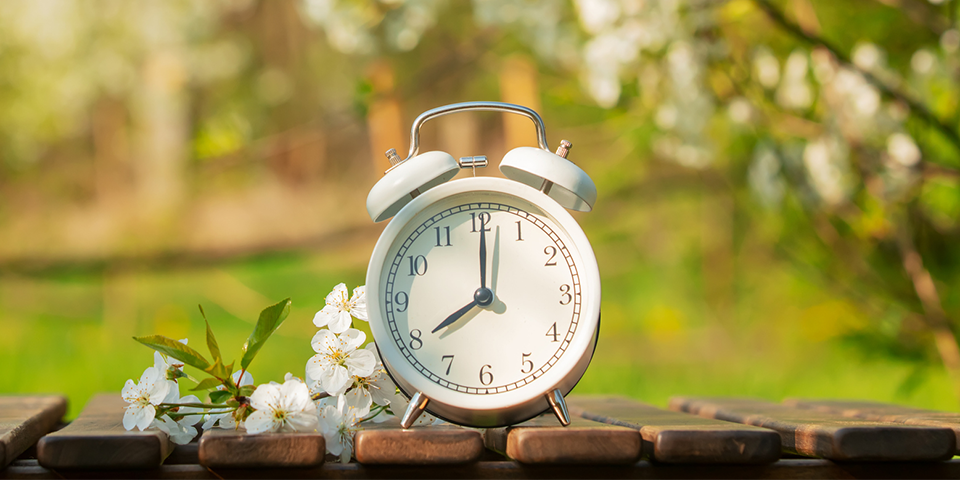
For many of us, daylight saving time marks a shift to better things: longer days… warmer nights… emptier gyms. But while moving the clocks forward prepares us for spring, the resulting lost sleep can wreak havoc on your schedule.

Check out our 10 expert-approved transition tips on how to adjust to daylight saving time.

1. Reset your evening routine

“Start going to bed and getting up 15 to 30 minutes earlier for two to three nights before DST,” he says Morgan Bettini, MS, RDN, LD/N.

Bettini believes that an evening routine prepares the body for a good night’s rest. Here’s a sample routine he suggests:

  • Dim the lights.
  • Lay out your clothes for the next day.
  • Do some easy stretches.
  • Read to put yourself in the mood for sleep.

2. Sleep freely

Sleep when you’re tired so you don’t catch up on yesterday’s work. A nap can positively affect your mental clarity and emotional wellness.

Studies show that there is one increase in traffic accidents after the summer time change due to fatigue. Instead of pushing for a long day, take a break and catch some z’s before driving anywhere.

3. Adjust your caffeine intake

Coffee, soft drinks and energy drinks are popular sources of caffeine, which is a known fact affect your sleep schedule. Functional nutritionist Jessica Tate, CNCrecommends the following ways to keep your caffeine intake in check during the time change:

  • Cut out caffeine after 2pm
  • Limit coffee consumption to one cup a day.
  • Consider drinking green tea, matcha tea, and herbal teas.

4. Meal preparation
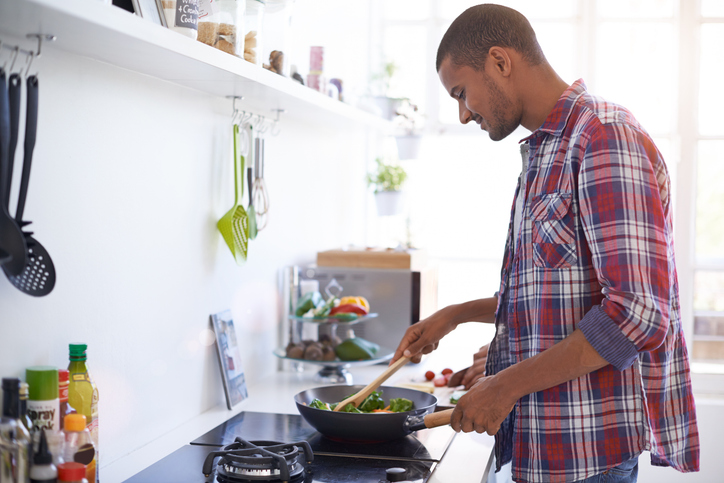
Cooking is one of the last things we want to do when we’re tired from the time change. Preparing meals makes us eat a little bit.

“Start meal prep with simple steps, like bringing snacks to work or roasting a big pan of broccoli to eat for a few days. You don’t have to prepare these elaborate meals to enjoy the benefit of a little advanced planning,” says Bettini.

5. Resist Cyberloafing

“People are more tired and less focused because the kind of light our phones emit disrupts our circadian rhythms before bed,” says Tate. “While some sleep apps and supplements can help people get into a restful state, they’re just Band-Aids for a deeper problem going on internally.”

Studies show that our circadian rhythm is the result of physical, mental and behavioral changes that follow a daily cycle. When we mess with this rhythm with poor sleep hygiene, we can throw off our body’s biological clock.

“The body was innately designed to sleep naturally. So, if you’re having trouble sleeping, be sure to talk to a holistic health care provider to help you get to the root cause of the problem,” says Tate.

6. Reduce cravings for daylight
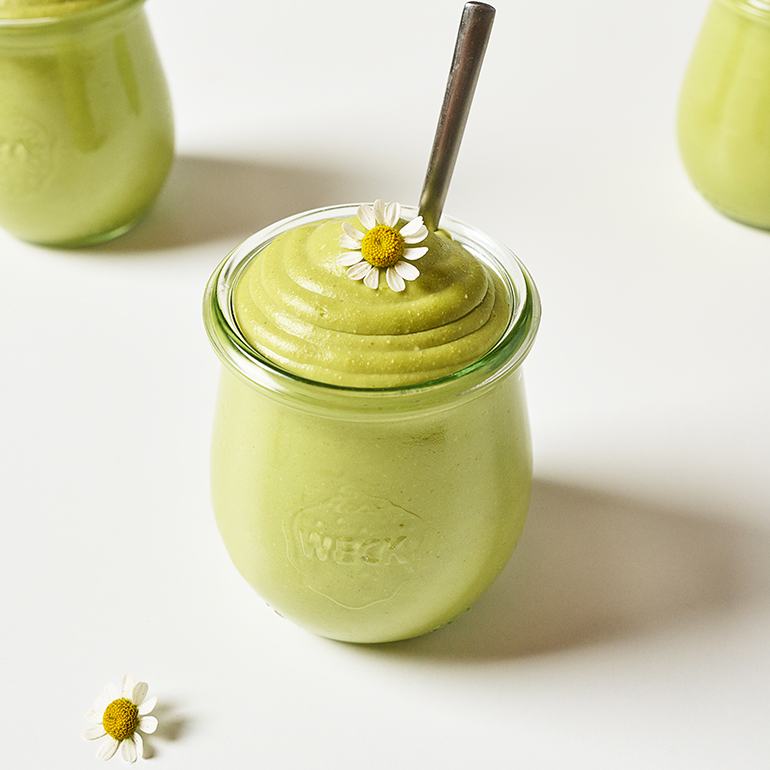
Daylight saving time can negatively affect appetite, resulting in unwanted cravings. Research shows that sleep deprivation activates the reward center in our brains, causing us to consume more calories than those extra waking hours warrant.

To curb cravings, Tate suggests limiting carbs and eating more healthy fats, which will keep your body full longer. Some examples of fats recommended by Tate include:

  • Avocado (considered one of the healthiest foods on the planet for its well-rounded nutritional profile).
  • Fatty fish (choose wild-caught white fish for higher nutrition and fewer toxins).
  • Nut and seed butters (any nut or seed will work, choose one without added oils or sugars).
  • Pasture-raised eggs (the whole egg is essential for key nutrients for the brain and overall system).

7. Stay Hydrated (No, Really)

“Our bodies are mostly water, so it makes sense that we need a lot and on a regular basis,” says Bettini. “Otherwise, it can lower our blood pressure and make us feel drowsy,” further exacerbating existing jet lag-related exhaustion.

By the time you’re thirsty, you’re already dehydrated. So drink plenty of water after the time change to get through your to-do list.

“Everyone’s water needs are different, but a good goal is 8 to 10 cups a day for most people,” says Bettini. “If someone isn’t used to that amount, it’s important to adjust slowly and over time so the body can get used to it.”

Another good method to measure your water intake is to weigh half your body weight in ounces daily. If you weigh 150 pounds, that means you should try to drink 75 ounces of water each day.

8. Recharge with a morning workout
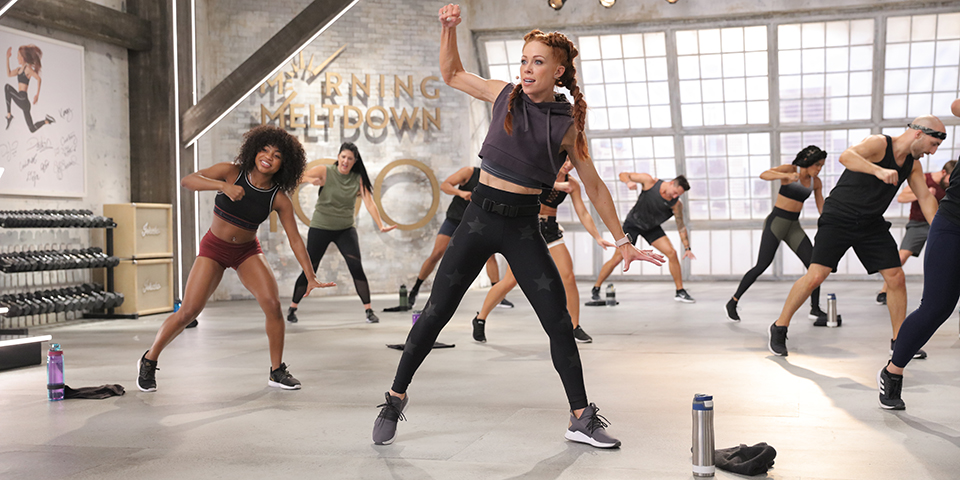
Jericho McMatthews shows the Brawler move

Lack of sleep after DST can trouble you dopamine levels. Fight burnout and get a boost of happiness by sticking to a morning workout routine (even when it’s still dark outside!).

“Exercising energy first thing in the morning can wake you up, make you feel better, and release dopamine,” she says. Wayne Stewart, NASM-CPT, CYT. “Dopamine can help you focus and relieve stress caused by changes in your schedule.”

Stewart’s morning workout is high-intensity intervals (after a 10- to 15-minute warm-up). But even just challenging yourself with a few sets of total-body exercises like burpees or bear crawls will do the trick.

Morning Meltdown 100 with the BODi Super Trainer, Jericho McMatthews can help you start your day with a 20- to 30-minute workout that will leave you feeling stronger, more accomplished, and less stressed. In each workout, you’ll get a mix of HIIT, resistance training, active recovery and mobility, so you’ll have enough variety to prevent plateaus and keep having fun.

9. Try Myofascial Massage

Sudden stress caused by disruptions in your routine – such as a change in sleep pattern – can create muscle tension. Foam rolling can reduce this tension by massaging and increasing blood flow to your muscles and fascia (connective tissue).

“Foam rolling is essential for healthy muscle function to release tension from strain or stress placed on the body,” says Stewart. “Allows manual manipulation of fascia within the body.”

Stewart likes to use the foam roller on these areas of the body:

  • Upper leg (hamstrings and quads) and lower leg (calves) — avoid the knee.
  • Upper back and shoulders because these areas are usually tight from stress and poor posture.
  • Buttocks, the tension in which can lead to tight hips and more pressure on your spine. Sit on the foam roller in a figure-four position, leaning into the glute of your crossed leg and rolling back and forth. After several rolls, switch legs and repeat on the other side.

10. Get out!

Exposure to sunlight boosts serotonin levels and reduces mental distress caused by disruptions to your schedule. Spending time outdoors can also help your mood. “Nature is proven to be calmer than the mind. It’s invigorating physically, mentally and physiologically,” says Tate.

“Step outside for even five minutes, take three deep breaths and share a moment of gratitude. You’ll walk into your office a happier person!”

Adjusting Daylight Saving time Tips
bhanuprakash.cg
healthtost
  • Website

Related Posts

The P90X Factor – A Closer Look at Pillar 2: Neuro-Performance Training (NPT)

February 14, 2026

It’s a good idea to reduce visceral fat – BionicOldGuy

February 14, 2026

10 Health Benefits of Using a CPAP Machine

February 11, 2026

Leave A Reply Cancel Reply

Don't Miss
Skin Care

Susie Ma’s winter skincare routine

By healthtostFebruary 15, 20260

moisture and indoor heating can remove moisture, leaving the skin tight, flakes or dim. The…

The P90X Factor – A Closer Look at Pillar 2: Neuro-Performance Training (NPT)

February 14, 2026

Universal hunger thresholds may cover evolving hunger

February 14, 2026

Skin Turnover: What it is and how to support it

February 14, 2026
Stay In Touch
  • Facebook
  • Twitter
  • Pinterest
  • Instagram
  • YouTube
  • Vimeo
TAGS
Baby benefits body brain cancer care Day Diet disease exercise finds Fitness food Guide health healthy heart Improve Life Loss Men mental Natural Nutrition Patients People Pregnancy protein research reveals risk routine sex sexual Skin study Therapy Tips Top Training Treatment ways weight women Workout
About Us
About Us

Welcome to HealthTost, your trusted source for breaking health news, expert insights, and wellness inspiration. At HealthTost, we are committed to delivering accurate, timely, and empowering information to help you make informed decisions about your health and well-being.

Latest Articles

Susie Ma’s winter skincare routine

February 15, 2026

The P90X Factor – A Closer Look at Pillar 2: Neuro-Performance Training (NPT)

February 14, 2026

Universal hunger thresholds may cover evolving hunger

February 14, 2026
New Comments
    Facebook X (Twitter) Instagram Pinterest
    • About Us
    • Contact Us
    • Privacy Policy
    • Terms and Conditions
    • Disclaimer
    © 2026 HealthTost. All Rights Reserved.

    Type above and press Enter to search. Press Esc to cancel.