



If you feel like everyone is talking about GLP-1 drugs lately, you’re wrong. Medicines like Ozempic and Wegovy are not just trendy. They have become a useful tool for people who want to support their metabolic health and lose weight in a more sustainable way. In a short period of time, they have significantly influenced the way people approach weight loss.
But beyond the visible results, there is a shift that often catches people off guard and has nothing to do with the number on the scale.
It’s how different food suddenly feels. Cravings that once felt urgent? Quieter. Constantly thinking about meals? Less consuming.
For many, GLP-1s do more than just suppress appetite. They transform your relationship with food.
How GLP-1 silences mental attraction to food
One of the most unexpected changes people experience on GLP-1 is the disappearance (or at least a dramatic reduction) of “food noise.” These are the constant, nagging thoughts about food: what to eat next, how much to eat, whether to snack, and the overall feeling of being in control around meals.
These drugs mimic glucagon-like peptide-1, which helps regulate appetite and enhance communication between the gut and the brain. As these signals become more effective, mental chatter around food often softens.
Instead of feeling like food is always on the mind, many people experience a sense of stillness. Meals become something you respond to physically, not mentally, and that in itself can be a major change in your daily life.
Cravings begin to disappear
Another noticeable change is how cravings—especially for sugar and high-fat foods—begin to fade. GLP-1s slow stomach emptying and affect reward pathways in the brain, including those linked to dopamine. Together, these effects make it easier to feel satisfied while reducing the intensity of food-based reward signals.
Foods that once felt hard to resist may no longer have the same urgency. You can still enjoy them, but the need for them is weaker, less emotional, and easier to manage. This change often creates a new sense of control over food choices, one that feels less reactive and more intentional.
Fullness is cleaner (and comes faster)
An important benefit of taking GLP-1 drugs is how they affect the feeling of fullness. Because digestion is slowed, your body has more time to register satiety signals, allowing you to feel full sooner and stay full longer.
This leads to naturally smaller portions and a clearer awareness of when you are full. Instead of relying on external rules or willpower, your body begins to guide the process more directly. Many people notice that they stop eating sooner, not because they have to tell themselves, but because they simply don’t feel the need to keep eating.
Healthy habits feel easier
As hunger cues and cravings become more regulated, behavior often follows with it. Patterns that once felt difficult, like late-night snacking or habitual overeating, can begin to fade without the same level of effort.
You may find yourself:
What makes this shift so impressive is that it doesn’t feel forced. Instead of constantly negotiating with yourself, your body begins to support the habits you are trying to build.
A new relationship with emotional eating
Eating is rarely just about hunger. It is also associated with comfort, stress, celebrations and routine. While GLP-1s can reduce the intensity of emotional eating by reducing cravings, they don’t completely remove the emotional drive behind it.
What really changes is your awareness behind the urge. With a GLP-1, emotional food urges can feel less automatic, giving you a minute to recognize what your body really needs. Over time, this can create space to build new coping strategies that are not solely based on food.
Food becomes more for fuel
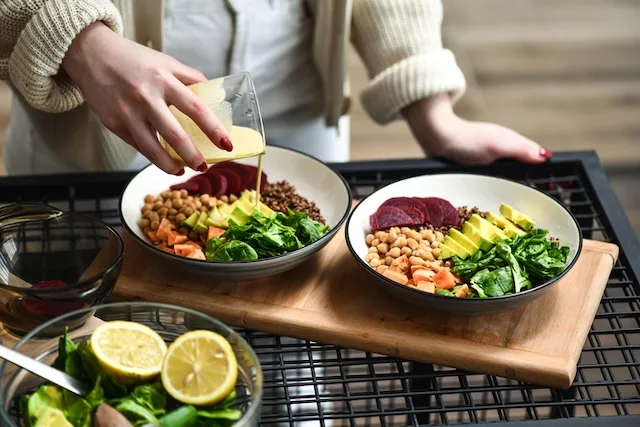
One of the biggest changes you may notice is how your mindset about food evolves. With fewer cravings and clearer signs of fullness, eating often starts to feel more functional—which supports your energy, focus, and overall well-being. Meals may start to revolve more around how they make you feel later, rather than satisfying a craving in the moment.
This does not mean that the enjoyment disappears completely. Instead, it becomes a part of the experience, rather than the driving force behind every decision. Food becomes simpler, more intuitive and less emotionally charged. Over time, this change can make it easier to build consistent habits and approach eating with a sense of balance rather than restriction.
The Takeaway
GLP-1s don’t just change your eating habits. they redefine your relationship with food as a whole, offering a calmer, more intuitive way to nourish yourself. Embracing this new normal can be both empowering and transformative.
By reducing food noise, reducing cravings, and helping your body regulate hunger and fullness more effectively, these drugs create a new foundation where eating is calmer and more aligned with your body’s needs. And while this change can feel liberating, it can also take time to adjust to being the new “normal.”
