

Close Menu
Healthtost
  • News
  • Mental Health
  • Men’s Health
  • Women’s Health
  • Skin Care
  • Sexual Health
  • Pregnancy
  • Nutrition
  • Fitness
  • Recommended Essentials
What's Hot

The FDA-cleared ADHD device is not effective in reducing symptoms

January 16, 2026

Escape Gym Groundhog Day: Why your workout takes seasons

January 16, 2026

Your ultimate guide to climax and orgasm control

January 16, 2026
Facebook X (Twitter) Instagram
  • About Us
  • Contact Us
  • Privacy Policy
  • Terms and Conditions
  • Disclaimer
Facebook X (Twitter) Instagram
Healthtost
SUBSCRIBE
  • News

    The FDA-cleared ADHD device is not effective in reducing symptoms

    January 16, 2026

    Incretin-based diabetes drugs show possible protective effects against dementia

    January 16, 2026

    Does night work increase the risk of osteoporosis?

    January 15, 2026

    Scientists uncover promising therapeutic target for autoimmune disease that affects the brain

    January 15, 2026

    Long-term singles experience a sharper decline in life satisfaction and well-being

    January 14, 2026
  • Mental Health

    How to apply for a fully funded PhD in the UK

    January 8, 2026

    9 Secrets on How to Stop Procrastinating

    January 6, 2026

    Setting boundaries for self-care in 2026

    January 4, 2026

    In a world of digital money, what is the proper etiquette for splitting the bill with friends?

    January 1, 2026

    Rest is essential during the holidays, but it can mean getting active, not crashing on the couch

    December 26, 2025
  • Men’s Health

    Escape Gym Groundhog Day: Why your workout takes seasons

    January 16, 2026

    What is Blue Collar Guilt?

    January 14, 2026

    Glucose stability in diabetes is enhanced by natural daylight

    January 10, 2026

    I reconcile my father’s anger and mine: some hills don’t deserve to die

    January 10, 2026

    How to get enough sunlight in winter

    January 9, 2026
  • Women’s Health

    What really works? – Vuvatech

    January 16, 2026

    What is mental wellness and how does it differ from mental health?

    January 14, 2026

    Beyond weight loss: How GLP-1 ‘miracle drugs’ are revolutionizing whole-body health

    January 14, 2026

    8 Simple Food Swaps to Improve Your Health

    January 13, 2026

    Ways Omega-3s Benefit Women Specifically

    January 13, 2026
  • Skin Care

    An OUMERE Scientific and Regul – OUMERE

    January 16, 2026

    Collagen Induction Treatments in Rittenhouse Square

    January 15, 2026

    🥜⚠️ Why nut allergies are on the rise—and what it means for its future

    January 14, 2026

    Postnatal massage: Benefits, timing and what to book

    January 13, 2026

    Prepare your lips for the cold with TNW Lip Balm – The Natural Wash

    January 12, 2026
  • Sexual Health

    Your ultimate guide to climax and orgasm control

    January 16, 2026

    Stillbirths may be more common in US than previously known—Study

    January 14, 2026

    COVID-19 heightens vulnerabilities for women asylum seekers and refugee women in South Africa < SRHM

    January 14, 2026

    What does an unclear test result mean?

    January 13, 2026

    Relationship diversity, conflict, and why it matters for sex counselor certification — Sexual Health Alliance

    January 12, 2026
  • Pregnancy

    Weighing in: How GLP-1s fit into your pregnancy plans

    January 15, 2026

    5 foods, 4 habits, 3 reminders

    January 14, 2026

    I’m pregnant… Now what? 13 Things You Should Do Right Now

    January 14, 2026

    Which vitamins and minerals are important to consume during pregnancy?

    January 12, 2026

    Supporting emotional development in our children and ourselves – Podcast Ep 194

    January 11, 2026
  • Nutrition

    Sliced ​​meatballs | The Nutritionist Reviews

    January 16, 2026

    5-ingredient skillet dinner recipe

    January 15, 2026

    Family sheet-Gnocchi pan with vegetables and chicken sausage (30 minutes!)

    January 15, 2026

    3 Easy, Nutritious Salads – JSHealth

    January 13, 2026

    What to Eat During Weeks 2-4 on GLP-1: Simple Protein Plan | glp-1, weight loss, medical weight loss and more

    January 13, 2026
  • Fitness

    Not sure your multivitamin is working? 3 ways the signal could be missing

    January 16, 2026

    Barbell RDL: Proper Form & Benefits

    January 15, 2026

    Lazy high protein dinners that I make when I don’t feel like cooking

    January 15, 2026

    Behavioral health 101: What it means and why it matters

    January 14, 2026

    Snack smarter this New Year: 5 healthy low-calorie options

    January 13, 2026
  • Recommended Essentials
Healthtost
Home»News»Smile satisfaction after whitening: The personality factor
News

Smile satisfaction after whitening: The personality factor

healthtostBy healthtostAugust 12, 2025No Comments6 Mins Read
Facebook Twitter Pinterest LinkedIn Tumblr Reddit WhatsApp Email
Smile Satisfaction After Whitening: The Personality Factor
Share
Facebook Twitter LinkedIn Pinterest WhatsApp Email

A new study shows that the glow from teeth whitening often fades within a year, but if you still love your smile it may depend more on your personality on your teeth shade.

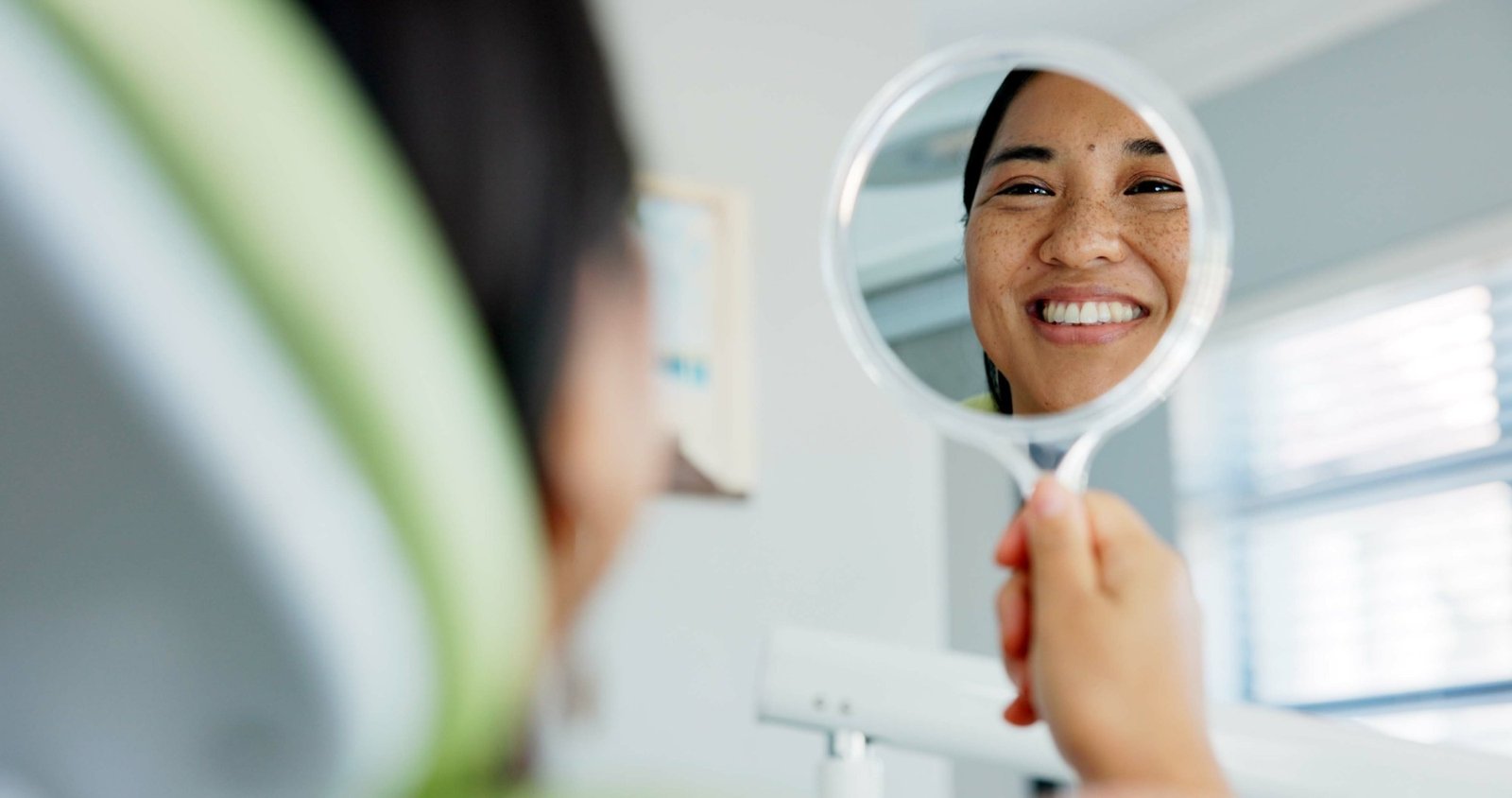
Study: Effect of personality traits on perception of the outcome of teeth whitening in young adults over the long run. Credit Picture: Peopleimages.com – Yuri A/Shutterstock.com

Teeth whitening is a common practice, but its effectiveness in the long run remains unclear. Similarly, its impact on psychological and social health is poorly understood. A study published in Head and medicine He examined these aspects of teeth whitening over one year to evaluate how the specific personality characteristics influenced the results.

Import

People often feel unhappy with the color of the teeth, which prevents their willingness to smile. Such attitudes are greatly influenced by culture, demographic profile, age -related factors and even education.

Dentists often use standard shade guides to evaluate tooth color, but this may not always provide satisfactory results. Spectotomyometry is a more objective and more reproducible method based on organs of tooth perception. CIE LAB color quantitates color by applying lightness, red green and yellow-blue colors. This system has been validated and aligned with the perception of the human eye.

There is no proven direct relationship between a more cosmetically attractive smile and quality of life. However, personality factors such as neuroticism, conscience and perfectionism can be more important in determining the satisfaction of a person from one’s smile. In this context, the current study also examined how personality characteristics could change the perceived effects of bleaching, regardless of the actual degree of color change achieved.

For the study

The study included 50 participants between 19 and 28 years, randomized either in intervention or in a control group. The first received a light gel -activated gel, while the latter received an inactive gel.

Participants were evaluated for the color of the teeth, personality characteristics and the psychosocial effects of intervention at three times: basic line, one week after treatment and one year after treatment.

Study findings

Both intervention groups and control groups were similar to age distribution, gender ratio, quality of life, spectrum of personality, lightness and transparency characteristics. However, the control group had significantly lower color (color saturation) at start (p = 0.001). Specifically, the high lightness and the low color prediction of satisfaction with how the person’s smile looks.

The team exposed to the whitening gel showed an improved teeth color one week after treatment compared to witnesses. The degree of whitening was reduced over time, but even in one year, it was above the base line.

Chroma decreased in the intervention team in the first week, but increased a year after intervention. The final price Chroma remained lower than start. The translucent decreased both in the short and in the long run.

The control team showed no difference in lightness or color after a week, but decreased in one year. The translucent increased in the first week after intervention, but decreased in the first year after. Thus, the short -term color change was greater in the intervention team than the control group. However, the difference between them was in the long run.

A week after intervention, the whitening team significantly reduced psychological and social concerns, but did not statistically improve aesthetic concerns or dental confidence. This could reflect the unrealistic expectations, the initial discomfort or the need to get used to the change in the color of the teeth. The intervention team did not feel that their teeth seemed much better, nor did they feel more confident about their teeth. This may be due to the fact that the difference in the color of the teeth does not match the high expectations of the patient. Compared, the checks reported a significant psychological improvement, which continued in the long run.

In one year, the intervention group was more distressed as they perceived a recurrence of their teeth discoloration, especially in participants with detectable recurrence (DE ≥ 3). Perceived recurrence could have increased psychological stress in this group over time. On the contrary, the psychological improvement continued in the control group after this time.

“Maintaining tooth color and addressing expectations and adaptation issues are vital to optimizing the psychological results of dental aesthetic processes. ”

When they were stratified by personality characteristics, the researchers found that people who were more perfectionists and less neurotic had more benefits one week after whitening. Less neurotic individuals were more satisfied with the effects of the whitening gel, in both groups.

Extremely perfectionist people were more likely to feel more socially comfortable after teeth whitening, as they are more conscious of improving their self-reversed previous unwanted situation. On the contrary, the most conscientious people have continued to experience more improvements in the long run. These effects were equally strong in both whitening and placebo groups, indicating that personality affected psychosocial effects regardless of the actual bleaching.

Personality characteristics affect psychosocial health more than the actual amount of teeth whitening. People who show less responsible behaviors are more likely to act impulsively and may feel less aggravating than the appearance of their smiles, so improvements due to tooth whitening are less likely to benefit them psychosocial.

Conclusions

In this study, participants could not accurately evaluate the improvements in their teeth color after a teeth intervention. They often perceived a relapse in the discolored state over time. A strong placebo appeared, with the control group participants showing satisfaction with color change.

Personality characteristics have played a strong role in the impact of the process on the psychosocial effects of patients. The differences between the groups in psychosocial scores were not statistically significant overall, probably due to the high volatility of individual responses. This indicates the need to adopt a personalized approach to cosmetic dental treatments, including personalized advice, to ensure that patients’ expectations are realistic and that patients are satisfied with the treatment provided.

The authors also noted the restrictions of the study, including the small size of the sample, the focus on a single tooth, the possible effects of dehydration on enamel that leads to temporary lightness changes and technical challenges on repetitive color measurements.

Download your PDF copy now!

factor Personality satisfaction Smile whitening
bhanuprakash.cg
healthtost
  • Website

Related Posts

The FDA-cleared ADHD device is not effective in reducing symptoms

January 16, 2026

Incretin-based diabetes drugs show possible protective effects against dementia

January 16, 2026

Does night work increase the risk of osteoporosis?

January 15, 2026

Leave A Reply Cancel Reply

Don't Miss
News

The FDA-cleared ADHD device is not effective in reducing symptoms

By healthtostJanuary 16, 20260

A large multicenter clinical trial led by King’s College London with 150 children and adolescents…

Escape Gym Groundhog Day: Why your workout takes seasons

January 16, 2026

Your ultimate guide to climax and orgasm control

January 16, 2026

Sliced ​​meatballs | The Nutritionist Reviews

January 16, 2026
Stay In Touch
  • Facebook
  • Twitter
  • Pinterest
  • Instagram
  • YouTube
  • Vimeo
TAGS
Baby benefits body brain cancer care Day Diet disease exercise finds Fitness food Guide health healthy heart Improve Life Loss Men mental Natural Nutrition Patients People Pregnancy protein research reveals risk routine sex sexual Skin study Therapy Tips Top Training Treatment ways weight women Workout
About Us
About Us

Welcome to HealthTost, your trusted source for breaking health news, expert insights, and wellness inspiration. At HealthTost, we are committed to delivering accurate, timely, and empowering information to help you make informed decisions about your health and well-being.

Latest Articles

The FDA-cleared ADHD device is not effective in reducing symptoms

January 16, 2026

Escape Gym Groundhog Day: Why your workout takes seasons

January 16, 2026

Your ultimate guide to climax and orgasm control

January 16, 2026
New Comments
    Facebook X (Twitter) Instagram Pinterest
    • About Us
    • Contact Us
    • Privacy Policy
    • Terms and Conditions
    • Disclaimer
    © 2026 HealthTost. All Rights Reserved.

    Type above and press Enter to search. Press Esc to cancel.