

Close Menu
Healthtost
  • News
  • Mental Health
  • Men’s Health
  • Women’s Health
  • Skin Care
  • Sexual Health
  • Pregnancy
  • Nutrition
  • Fitness
  • Recommended Essentials
What's Hot

Inside the OPEX Method Coaching Week 8: How to Become a True Fitness Professional

January 21, 2026

Peer-supported clinic visits strengthen reproductive choices in rural India

January 21, 2026

Facts about TikTok health trends

January 21, 2026
Facebook X (Twitter) Instagram
  • About Us
  • Contact Us
  • Privacy Policy
  • Terms and Conditions
  • Disclaimer
Facebook X (Twitter) Instagram
Healthtost
SUBSCRIBE
  • News

    Peer-supported clinic visits strengthen reproductive choices in rural India

    January 21, 2026

    Suppression of brain immune cells enhances memory recall in young mice

    January 21, 2026

    New genetic insights reveal the role of vitamin B1 in gut health and motility

    January 20, 2026

    Genomic screening reveals hidden risk of cancer and heart disease in young adults

    January 20, 2026

    Perceived injustice exacerbates trauma symptoms following the October 7 attack

    January 19, 2026
  • Mental Health

    Alcohol abuse prevention: A conversation for everyone

    January 19, 2026

    How to apply for a fully funded PhD in the UK

    January 8, 2026

    9 Secrets on How to Stop Procrastinating

    January 6, 2026

    Setting boundaries for self-care in 2026

    January 4, 2026

    In a world of digital money, what is the proper etiquette for splitting the bill with friends?

    January 1, 2026
  • Men’s Health

    30 minute dumbbell chest routine without a bench

    January 19, 2026

    Father’s early behavior linked to child’s heart and metabolic health years later

    January 17, 2026

    Why it still makes sense to limit saturated fat

    January 17, 2026

    Escape Gym Groundhog Day: Why your workout takes seasons

    January 16, 2026

    What is Blue Collar Guilt?

    January 14, 2026
  • Women’s Health

    Facts about TikTok health trends

    January 21, 2026

    The best way to work out over 40: Build strength, muscle and shape

    January 20, 2026

    Community EquiLife detox – The Fitnessista

    January 20, 2026

    Urea Body Lotion for Dry & Rough Skin

    January 19, 2026

    Women’s Primary Care Physicians in Alexandria, VA: Wellness

    January 18, 2026
  • Skin Care

    Postpartum massage near me: How to know it’s right

    January 21, 2026

    The Skin Barrier and Acne: Why Breakouts Are Back!

    January 20, 2026

    Choose the perfect SPF – The natural wash

    January 20, 2026

    Reduce shine areas – Tropic Skincare

    January 19, 2026

    Under Eye Caffeine: What It Is, How It Works, and Why It Matters

    January 19, 2026
  • Sexual Health

    Sharing menstruation stories to advance human rights < SRHM

    January 21, 2026

    Insights on Men, Intimacy and Emerging Relationship Cultures by Laura Ramadei — Sexual Health Alliance

    January 20, 2026

    HPV vaccination and screening help Australia move closer to eliminating cervical cancer

    January 17, 2026

    Your ultimate guide to climax and orgasm control

    January 16, 2026

    Stillbirths may be more common in US than previously known—Study

    January 14, 2026
  • Pregnancy

    What your physical therapist should tell you about your pelvic floor

    January 20, 2026

    20 sweet Valentine’s Day gifts for the first baby on February 14th

    January 19, 2026

    10 Ways Pomegranate Can Support a Healthy Pregnancy

    January 18, 2026

    Do you need fitness insurance?

    January 17, 2026

    15 Safe Home Remedies for Pregnancy Acne

    January 17, 2026
  • Nutrition

    All about Allulose

    January 21, 2026

    5 Dietitian-Approved Healthy School Snacks Kids Eat

    January 20, 2026

    How to Support Your Liver Naturally—Without a Juice Cleanse!

    January 20, 2026

    Chicken Biryani Recipes: The Timeless Desi Classic that rules every table

    January 19, 2026

    Is it okay to skip meals? This is what could happen.

    January 18, 2026
  • Fitness

    Inside the OPEX Method Coaching Week 8: How to Become a True Fitness Professional

    January 21, 2026

    Resistance vs. Strength Training – Total Gym Pulse

    January 21, 2026

    Why Your Body Isn’t Responding After 40 (And What’s Working Now)

    January 20, 2026

    Ben Greenfield Weekly Update: January 9th

    January 19, 2026

    Butt Targets: An Evidence-Based Butt Workout

    January 19, 2026
  • Recommended Essentials
Healthtost
Home»News»Setting the tone for the creatine safety debate
News

Setting the tone for the creatine safety debate

healthtostBy healthtostDecember 3, 2025No Comments5 Mins Read
Facebook Twitter Pinterest LinkedIn Tumblr Reddit WhatsApp Email
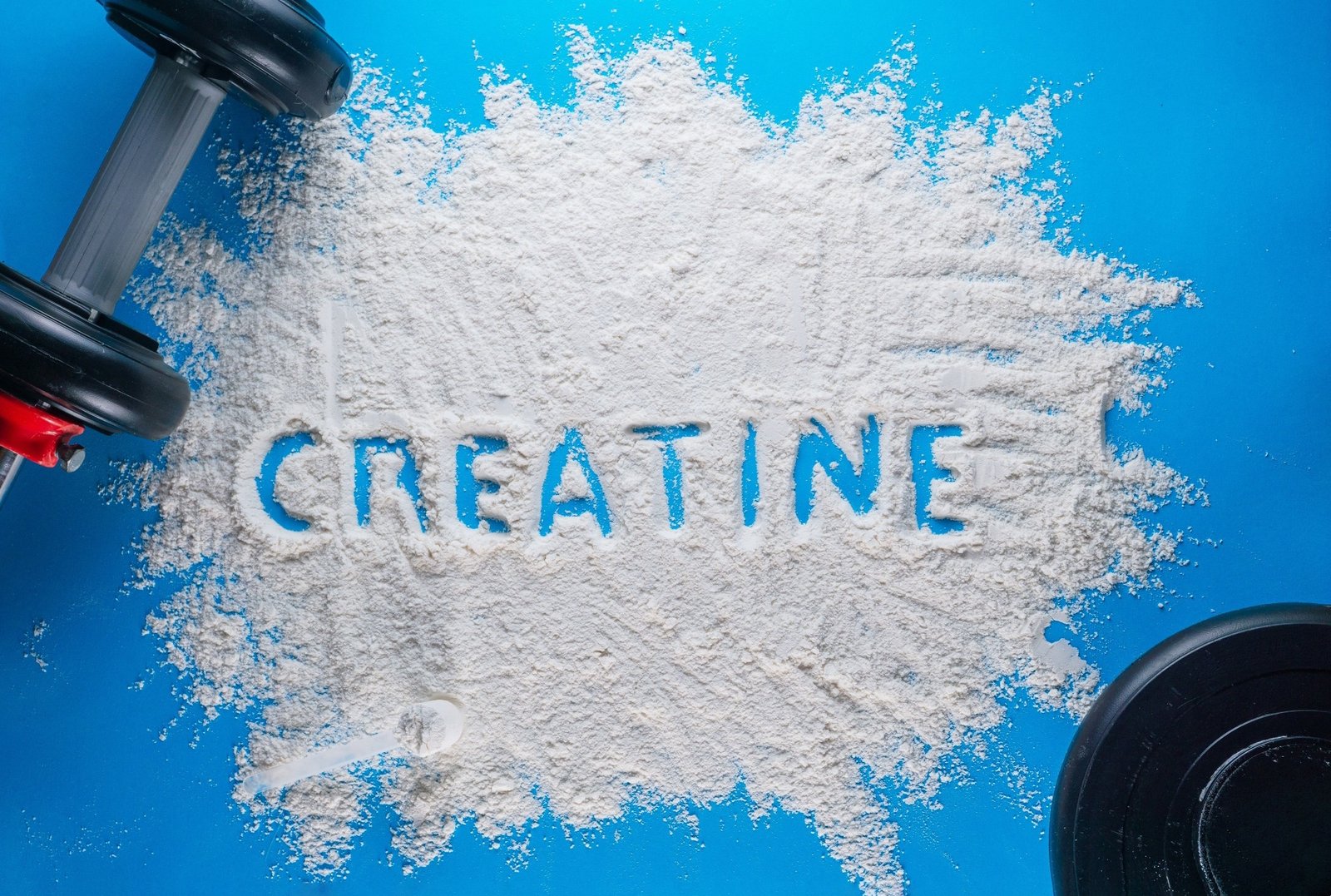
Setting The Tone For The Creatine Safety Debate
Share
Facebook Twitter LinkedIn Pinterest WhatsApp Email

New analysis overturns decades of debate, revealing that creatine’s biggest threats aren’t cancer or kidney failure, but misinformation and poor quality supplements.

Study: A brief review of the most common safety concerns about ingesting creatine. Image credit: djavan rodriguez/Shutterstock.com

In a recent review published on Frontiers in Nutritionresearchers evaluated long-standing health concerns about creatine monohydrate, a widely used supplement.

Their findings show that when taken appropriately, creatine appears to be safe. Any side effects are generally mild and most often associated with consuming high single doses. However, further research is needed to understand the risks for those who are pregnant or have kidney disease.

Creatine and Cancer Risk

The debate over creatine’s potential carcinogenicity often centers on heterocyclic amines (HCAs), compounds formed when creatine, amino acids and sugars react at high temperatures during cooking.

Although HCAs can be mutagenic at very high concentrations in laboratory models, the amounts found in cooked meat (and even more so in creatine supplements) are much lower. Human evidence showing direct harm is almost non-existent. In a human trial examining the effect of creatine on HCA formation, only nine urine samples contained measurable HCA, and the majority were from placebo recipients, suggesting that creatine does not increase mutagen production.

Some mechanistic studies raise theoretical concerns that increased creatine availability may support cancer cell energy metabolism or metastasis through creatine kinase-related pathways. Evidence from some mouse models suggests that there are increases in metastatic potential due to Smad2/3.

However, other experiments report exactly the opposite results: creatine and its analog, cyclocreatine, often slow tumor growth, enhance the activity of cytotoxic T lymphocytes (CD8 T-cells), which are crucial for targeting and destroying cancer cells and may even increase the effectiveness of chemotherapy.

These inconsistencies reflect the large variability in cancer types and experimental models. As a result, current evidence does not support claims that creatine increases the risk of cancer in humans. Instead, the primary safety issue lies in the purity of the supplement, as some commercial products may contain contaminants or even unapproved medicinal ingredients if they have not been tested by a third party.

Creatine and renal function

Concerns about kidney damage date back to isolated case reports in the 1990s, many of which involved individuals with pre-existing kidney disease, extreme training loads, or concomitant use of nephrotoxic substances. Some early animal models also suggested possible damage. However, interspecific differences make extrapolation of such findings difficult.

A large body of human research now demonstrates that creatine does not harm kidney function in healthy individuals. Serum creatinine often increases during supplementation, but this increase reflects increased creatine turnover rather than decreased filtration. When more accurate renal markers such as cystatin C, urine proteins, electrolytes, or direct glomerular filtration techniques are used, renal function remains stable. Studies using doses up to 20 grams per day and lasting up to five years have shown no evidence of kidney damage.

Even in higher-risk groups, including adults on dialysis, the elderly with diabetes, people with rheumatic diseases, and even a person with a single kidney, creatine has not caused clinically significant decreases in kidney health when properly monitored. However, because the evidence in people with significant renal impairment is limited, the authors advise close monitoring and the use of creatinine-independent biomarkers if supplementation is considered.

Hydration, thermoregulation and muscle cramps

Creatine is osmotically active and increases intracellular water, especially during loading phases involving high daily doses. This observation led to speculation that creatine may decrease extracellular water, reduce heat dissipation, and contribute to dehydration-related injuries, particularly after anecdotal reports involving athletes training in hot environments.

However, controlled studies have consistently refuted these fears. Research involving intense exercise in heat, dehydration protocols, and high humidity found that creatine did not worsen plasma volume loss, electrolyte balance, body temperature, or heart rate responses.

Sweat rates, total body water, intracellular water, and thermoregulatory responses remain comparable to placebo, and in some cases, creatine users maintain plasma volume slightly better during early dehydration. Long-term tests in soccer players even suggest that creatine may reduce the risk of cramps and muscle injury, likely because increased intracellular water helps maintain cellular function under heat stress.

Gastrointestinal problems

Gastrointestinal discomfort, including diarrhea, bloating, and stomach upset, is the most commonly reported adverse event, but appears to be dose-related. Large single doses (over 10g at one time) may leave excess creatine unabsorbed in the gut, drawing water into the gut and speeding transit.

Controlled trials have shown that when daily doses are kept between 2 and 5 grams, or when higher doses are divided into multiple smaller portions, symptoms are generally comparable to those of a placebo. Meta-analyses of hundreds of trials involving more than 26,000 participants similarly found no significant difference in gastrointestinal event rates between the creatine and placebo groups. Some discomfort may come from impurities or additives in poorly formulated supplements rather than the creatine itself.

Use of creatine in pregnancy

Although human data are limited, the review notes that animal studies consistently show protective effects of creatine against fetal hypoxia and other stressors, with no maternal or offspring harm observed.

However, because there are no randomized controlled trials in pregnant humans and physiological changes during pregnancy could alter creatine handling, the authors emphasize that creatine supplementation should not currently be recommended in routine prenatal care.

conclusions

According to this review, the evidence overwhelmingly shows that creatine monohydrate is safe when used in recommended doses. Mild gastrointestinal side effects may occur with large single intakes, and more research is needed in pregnant women and people with severe kidney disease.

For the general population, however, creatine remains one of the most well-supported and safest nutritional supplements out there. The authors also stress that only third-party tested creatine products should be used to avoid potential contamination with undeclared or unapproved ingredients.

Download your PDF copy now!

Creatine debate safety Setting Tone
bhanuprakash.cg
healthtost
  • Website

Related Posts

Peer-supported clinic visits strengthen reproductive choices in rural India

January 21, 2026

Suppression of brain immune cells enhances memory recall in young mice

January 21, 2026

New genetic insights reveal the role of vitamin B1 in gut health and motility

January 20, 2026

Leave A Reply Cancel Reply

Don't Miss
Fitness

Inside the OPEX Method Coaching Week 8: How to Become a True Fitness Professional

By healthtostJanuary 21, 20260

From technical skills to professional coachingMentoring spends its first seven weeks in training. Topics include:How…

Peer-supported clinic visits strengthen reproductive choices in rural India

January 21, 2026

Facts about TikTok health trends

January 21, 2026

Sharing menstruation stories to advance human rights < SRHM

January 21, 2026
Stay In Touch
  • Facebook
  • Twitter
  • Pinterest
  • Instagram
  • YouTube
  • Vimeo
TAGS
Baby benefits body brain cancer care Day Diet disease exercise finds Fitness food Guide health healthy heart Improve Life Loss Men mental Natural Nutrition Patients People Pregnancy protein research reveals risk routine sex sexual Skin study Therapy Tips Top Training Treatment ways weight women Workout
About Us
About Us

Welcome to HealthTost, your trusted source for breaking health news, expert insights, and wellness inspiration. At HealthTost, we are committed to delivering accurate, timely, and empowering information to help you make informed decisions about your health and well-being.

Latest Articles

Inside the OPEX Method Coaching Week 8: How to Become a True Fitness Professional

January 21, 2026

Peer-supported clinic visits strengthen reproductive choices in rural India

January 21, 2026

Facts about TikTok health trends

January 21, 2026
New Comments
    Facebook X (Twitter) Instagram Pinterest
    • About Us
    • Contact Us
    • Privacy Policy
    • Terms and Conditions
    • Disclaimer
    © 2026 HealthTost. All Rights Reserved.

    Type above and press Enter to search. Press Esc to cancel.