



My wives complain all the time that it’s so hard to get enough protein. I always reply, “it’s really easy”, but you have to eat real food, good variety and make good choices. Protein is more than just a muscle-building macronutrient, it plays a critical role in keeping your metabolism elevated.
As we age, we naturally lose muscle mass (a process called sarcopenia), which slows metabolism. That’s just one of the reasons I do a lot differently at 60 versus 40.
Strength training helps combat this, but without enough protein, your body won’t have the building blocks it needs to repair and grow muscle.
More muscle = higher resting metabolic rate, which means you burn more calories even at rest.
In addition, protein is essential for hormone regulation, recovery and satiety. If you’re in middle age, keeping muscle mass intact also helps with bone density, joint health, and overall strength so you can continue to do the activities you love without injury or fatigue.
It is also an important part of preventing menopausal weight gain.
Read on to see how I hit my goal of at least 30 grams of protein per meal, 100+ grams of protein per day.
What is protein?
Protein is made up of amino acids, which are the building blocks of muscle repair, tissue, and enzymes that regulate bodily functions.
There are complete proteins (containing all nine essential amino acids, such as those from animal sources) and incomplete proteins (plant-based sources that may lack one or more essential amino acids).
Whether you eat animal products or prefer to stay plant-based, it’s easy to get the mix of amino acids you need. To maximize benefits, aim for a variety of high-quality proteins throughout your day.
How do I get 30 grams of protein in every meal?
Here is a brief description of the protein sources I add to my meals on a daily basis. I change what I eat, but for ease of explanation, here’s a typical day:
Keep in mind that what you cook and store your food with matters. Check out these 10 everyday kitchen items that are actually harmful to your health.
Wake up
Note: Collagen is not a complete protein, so combining it with another protein source in the morning can help complete your amino acid profile. After my workout, I have my breakfast which contains more protein.
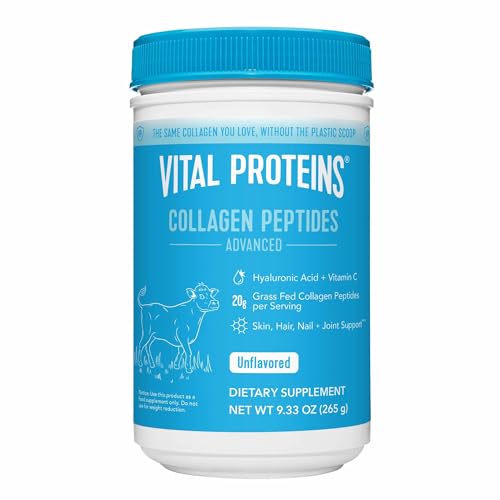
Breakfast: protein sources I add to my morning smoothie for breakfast.
Total: ~31g protein
(Excellent balance of complete protein, fiber and healthy fats!)
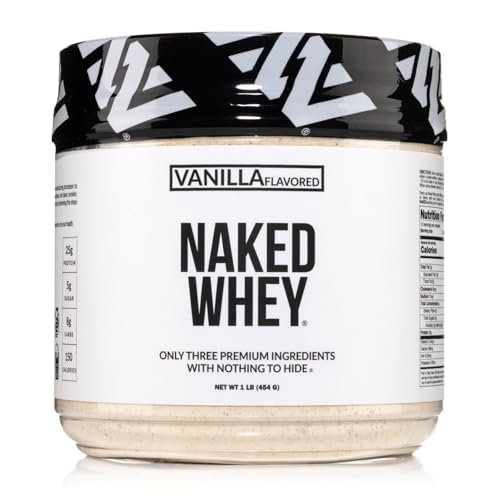
Lunch protein sources
Total: ~32g protein
(Chicken is a powerhouse! Hummus adds a little something extra, but mostly provides healthy fats and fiber.)
Snack
Total: ~20g protein
(Greek yogurt is a great midday protein boost. Plus, it’s rich in probiotics for better gut health!)
Protein sources for dinner
- 4oz of fish, chicken or beef: ~30g
- Vegetables: ~ 2 g
- ½ cup cooked quinoa: ~ 4 g
Total: ~36g protein
(Quinoa is a complete plant-based protein, and pairing it with a main protein makes this a well-rounded meal!)
Daily Total: ~139g Protein

More protein ideas
So this is just a snapshot of the different sources of protein I could add to my day. This plan is not only rich in protein but also well balanced with fiber, healthy fats and nutrients. But that’s like I said, just one day. I often change it. Here are some other ideas for adding protein to your day.
With these swaps and snack options below, you can mix things up each day so you’re not eating the same thing over and over again. If you need an extra protein boost, just add a high-protein snack or switch to one of the plant-based options for variety.
Protein exchange of plant origin
If you want to switch things up or prefer some plant-based meals, here are some easy swaps:
Breakfast exchange
Instead of protein powder, try:
Instead of nut butter + seeds, try:
- 2 tablespoons of hemp seeds (6 g)
- 2 tablespoons of powdered peanut butter (8 g)
- 1 tablespoon of flax seeds (2 g)
Lunch and dinner exchanges
Instead of chicken, fish or beef, try:
- 6 oz tempeh (36 g)
- 1 cup cooked lentils (18g)
- 1 cup black beans + ¼ cup quinoa (20g total)
Instead of hummus, try:
- ¼ cup edamame (9 g)
- 3 oz (21 g) seitan
Instead of quinoa, try:
- ½ cup cooked farro (6 g)
- 1 whole wheat pita (6 g.)
High Protein Snacks (Because I Like to Indulge!)
These are easy options that will keep you full and energized.
- Boiled egg (6 g)
- 1 ounce cheese (cheddar, feta, or mozzarella) (6-7 g)
- 2 tablespoons peanut butter with apple or celery (8 g)
- Handful of almonds (¼ cup) (7 g)
- Roasted chickpeas (½ cup) (10 g)
- Cottage cheese with berries (½ cup) (14 g)
- Pumpkin seeds (¼ cup) (7 g)
- Protein bar (look for the ones with 15-20g of protein)
- Beef or Turkey (1 oz) (10g)
- Edamame (½ cup) (9 g)
Hopefully this helps you figure out how to hit 100+ grams of protein a day without getting bored or stuck.
These are just ideas, but I wanted to share with you how I get at least 30 grams of protein every meal. It’s not hard, it just takes preparation and a little shopping commitment!
