


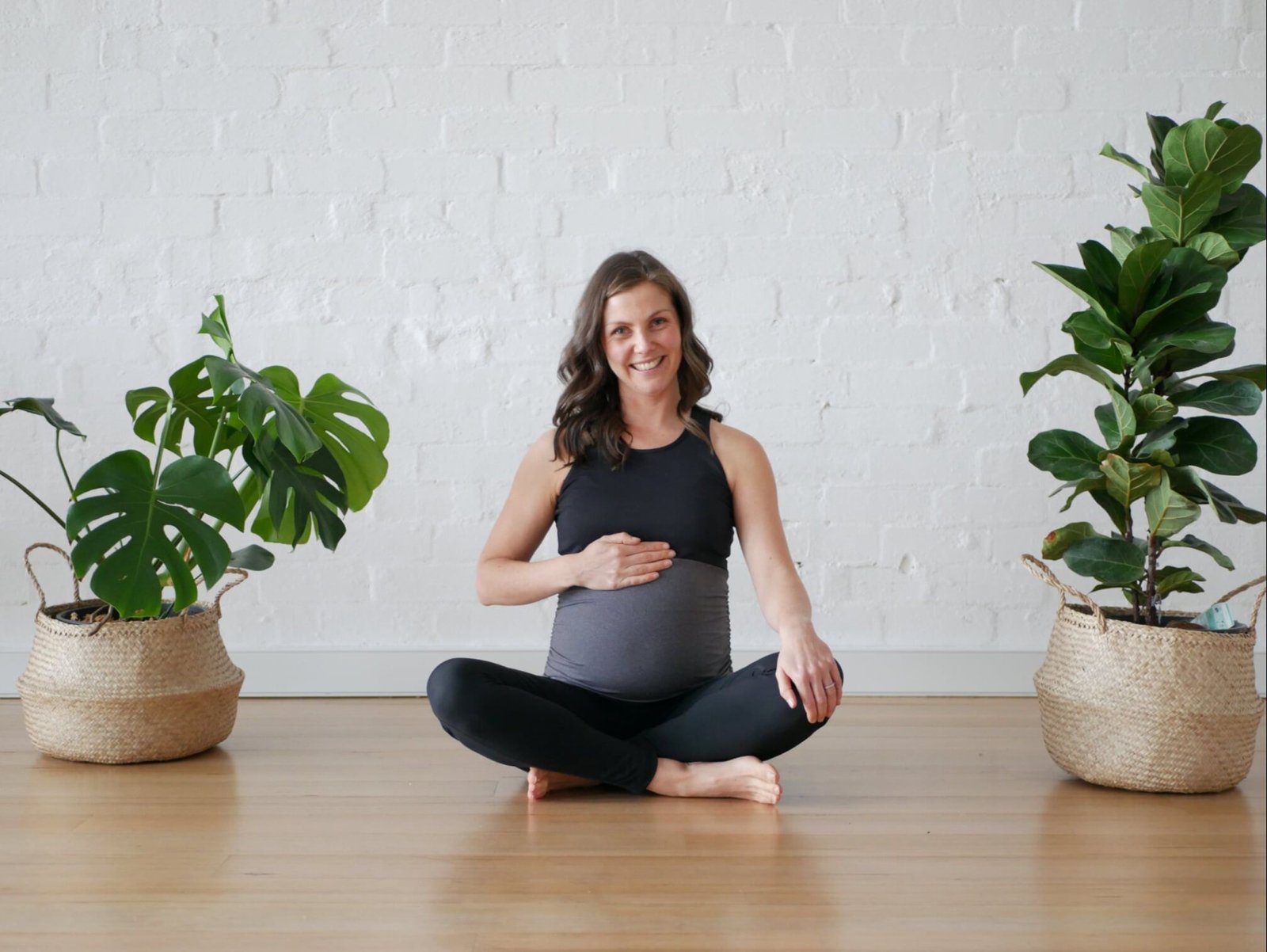
Kegel exercises, also known as pelvic floor muscle training, are essential for pregnancy. In your PregActive APP you will find an entire section dedicated to Kegal exercises.
These pelvic floor exercises strengthen the muscles that support your bladder, uterus and bowels, helping to prevent urinary incontinence, making labor easier and faster postpartum recovery.
Research benefits
Research shows regularly, right Kegels during pregnancy reducing urine leakage and improving pelvic floor function.
However, many women struggle – studies show that up to 50% perform them incorrectly without guidance, leading to little benefit or even worsening symptoms such as pain or tightness.
If your Kegels feel ineffective, you may be making common mistakes. This guide highlights the top mistakes pregnant women make and simple fixes for better results.
Top mistakes and how to fix them
- Using the Wrong Muscles
One of the most common issues is contracting the abdominals, thighs, buttocks, or inner thighs instead of the pelvic floor. This happens when you try too hard for a strong squeeze, engaging the accessory muscles.
Correct:
Identify the right muscles first. Imagine you’re stopping urine mid-stream or holding in gas – the lift should feel in and up around your vagina and anus.
Insert a clean finger vaginally and press it to feel the tightness. Avoid sucking the belly, squeezing the legs or squeezing the buttocks.
Place a hand on your abdomen or buttocks to check that they remain relaxed.
- Carry down or stretch instead of lifting
Many push down (as during a bowel movement), which further stresses and weakens the pelvic floor, increasing the risk of prolapse or incontinence.
Correct:
Focus on lifting and pulling like a marble up with your vagina.
Contract in/up, not out/down. Breathe normally. never hold your breath as this increases intra-abdominal pressure.
- Holding your breath
Breath holding is frequent and harmful, disrupting diaphragm-pelvic floor coordination, adding pressure instead of support.
Correct:
Breathe freely. Count out loud or exhale during the pushes to prevent holding. Tune into natural breathing: inhale to relax, exhale to gently contract.
- Only compression, not full relaxation
Compression is half the story. a strong pelvic floor needs complete relaxation between contractions. Fast pulse without rest leads to fatigue or hypertonicity (muscles that are too tight).
Correct:
Always relax completely after each hold. For long holds: press 5-10 seconds, relax equally. Include quick movements (1-2 seconds) and complete rest. A balanced routine prevents pain or discomfort associated with tightness.
- Making them incorrect or inconsistent
Performing while urinating (risk of incomplete voiding and infections), excessive repetitions or skipping relaxation phases reduce effectiveness.
Many start strong but lose consistency.
Correct:
Never practice midstream urine. Aim for 3 sets of 8-10 daily: mix slow holds (up to 10 seconds) and fast compressions.
Build gradually. Do them first lying down to focus, then sitting/standing. Consistency matters – tied to routines like meals.
Getting it right: Proper Kegel technique
1. Empty the bladder first.
2. Sit/lie comfortably, knees bent.
3. Press as if stopping gas/urine: lift in/up.
4. Hold 3-10 seconds, fully relax.
5. Breathe normally.
6. Start small: 10 repetitions, 3 times a day.
Progress as comfortable.
If you’re not sure, consult a pelvic floor physical therapist—biofeedback or guidance ensures accuracy. For some with tight muscles, reverse Kegels (relaxation) may help first.
Our PregActive PF programs include:
- 14 Day Pelvic Pain Relief Program
- 5 day relief from tight pelvic floor
- 14 day weak pelvic floor reset
Why correct Kegels matter in pregnancy
Done right, Kegels strengthen bladder control (reducing stress incontinence that affects 40-50% of pregnancies), support easier labor, and aid recovery.
Mistakes waste effort or cause problems – correct them early for optimal benefits.
Don’t let common pitfalls derail your progress. Master proper technique, stay consistent, and enjoy a stronger pelvic floor throughout pregnancy and beyond.
Talk to your provider for personalized advice – your body and baby will thank you!
References:
