


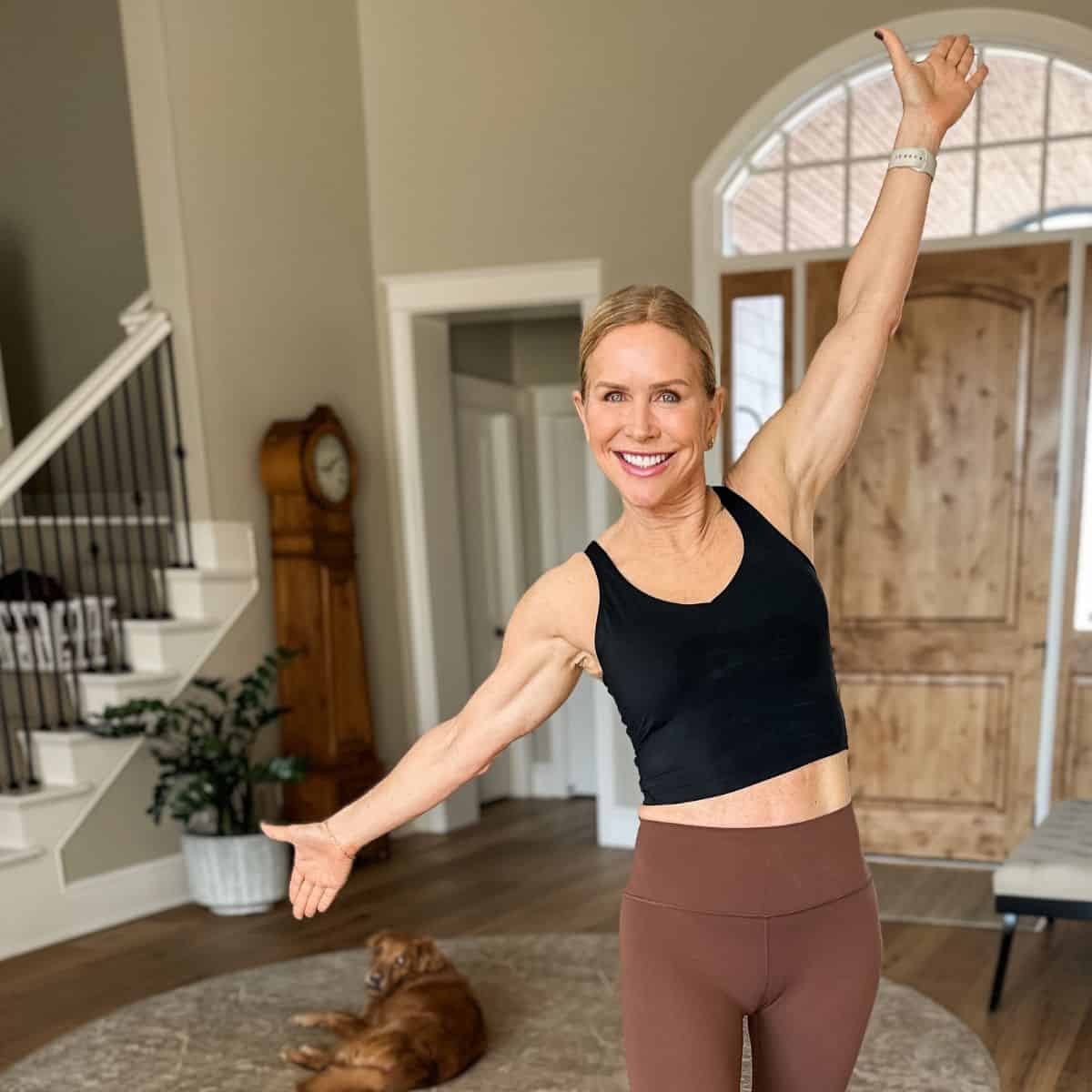
I am a 60-year-old personal trainer and health coach with over three decades of experience helping women navigate their fitness at every stage of life. And let me tell you, I’ve been through it all — from marathon miles in my 30s to discovering the power of walking in my 50s.
These days, I proudly call myself a walker. Why? Because as I got older, running started to feel like a battle with my joints—especially my back and hips (yes, your spine has joints too!). But slowing down didn’t mean stopping. Instead, it meant changing my approach and leaning into smarter, joint-friendly habits.
I get it—so many women tell me, “I’d love to work out, but my joints just won’t take it.” And believe me, I’ve been there! By the time I hit my 50s, those little aches and pains were hard to ignore, and I knew it was time to prioritize self-care in a whole new way.
The good news? Stay active without pain it is possible. By avoiding common training mistakes and using the right strategies, you can move more, hurt less, and keep doing what you love.
In this post, I’ll share my favorite ways to protect your joints while exercising—simple, actionable tips that help me stay strong, mobile, and pain-free in my 50s and beyond.
Let’s dive in – because taking care of your joints now means staying active for life.
Understanding the causes of joint pain in your 50s and beyond
Let’s talk about why joint pain can sneak up on us in middle age. Trust me, I know how frustrating it is when your body starts to creak more than usual—especially when you’re trying to stay active! But understanding Why happening is the first step to keeping those joints happy and healthy.
Here’s what’s going on beneath the surface:
- Hormonal changes: Estrogen is like a natural joint protector—it helps reduce inflammation and keeps tissues strong. But as estrogen declines during menopause, many women begin to feel more achy and stiff. It’s one reason why joint pain is such a common (and often surprising!) symptom in middle age.
- Cartilage wear and tear: After decades of movement, squatting, and maybe a few mistakes (hello, high heels and marathon workouts!), the cartilage that cushions your joints begins to thin. Less cushioning means more friction—causing stiffness, swelling, and those “ouch” moments when you move.
- Old injuries that reappear: Have you ever sprained your ankle or tweaked your knee years ago? Unfortunately, these past injuries can come back to haunt you. Scar tissue, imbalances, or untreated problems from your younger years can make certain joints more vulnerable to pain now.
- Inflammation and arthritis: One of the most common culprits is osteoarthritis – a condition where the cartilage in your joints wears down, leading to pain and swelling. My brother is an orthopedic surgeon and he keeps reminding me, “You’re 60, and so are your joints and bones. Every woman your age will develop some degeneration and maybe some arthritis. Don’t feel bad about it – do something about it.” And guess what? Inflammation from stress, poor diet or lack of exercise can also make it worse.
But here’s the best news:
You No you have to stop moving! In fact, the right kind of exercise—combined with some smart self-care—really can joint reduction pain. Movement is lotion (one of my favorite sayings!) and staying active is key to keeping your joints strong, flexible and well lubricated.
So don’t let joint pain scare you away from your workouts. With a few careful adjustments—which I’ll share next—you can stay active, feel better, and keep doing what you love for years to come.
My top tips for preventing joint pain during exercise
When it comes to staying active without joint pain, I always say – it’s not about that doing less it’s about moves smarter. I have learned firsthand that small adjustments can make a large difference. Here are my favorite strategies for protecting your joints while you continue to do these workouts:
1. Warm up like you mean it
I’ll be honest — when I was younger, I used to skip my warm-ups (big mistake!). But now? Non-negotiable! A proper warm-up gets your blood flowing, lubricates your joints and prepares your muscles for movement. It really is your first line of defense against joint pain.
Try this quick 5-minute routine before every workout:
- Dynamic movements: Arm circles, leg swings and torso twists to wake up your muscles.
- Gentle Cardio: A brisk walk or some easy cycling to boost circulation.
- Common mobility exercises: Roll those ankles, circle those wrists and bend those knees. These are my favorite four moves I recommend for women over 50 before exercise!
You might also want to explore these warm-up moves for middle-aged women that I recommend before every workout!
2. Select Joint Friendly Workouts
You don’t have to give up high-impact exercises forever—but it’s about there balance. Mix things up with these low-impact options that are easy on your joints and effective for your body:
- Walk: My personal favorite – especially on grass, trails or a padded treadmill. See why I use my pillow every day, in addition to my regular workouts!
- Cycling: Great for your heart and legs without hitting your knees hard.
- Swimming: Whole-body, zero-impact goodness (and it feels amazing, too!).
- Elliptical: A fantastic alternative for runners with less stress on your joints.
And if you do love high-impact activities like running or HIIT, don’t worry! Just sprinkle in these low-impact workouts and always prioritize the correct format.
3. Strength training to support your joints
Here’s the truth: Strong muscles = Happy joints. Why? Because muscles absorb shock and protect your joints from wear and tear. That’s why I’m in the weight room 3-4 times a week. My moves include:
- Bodyweight exercises: Squats, lunges and push-ups (simple but effective!)
- Resistance bands: Ideal for strength training without stressing the joints.
- Dumbbells or light weights: Focus on controlled, slow movements over heavy lifts.
Quick tip: Form is everything! If you’re not sure, work with an instructor or follow my guided videos—because good technique keeps your joints safe.
Check out my favorite exercises that tone your arms without push ups. And learn more about how functional fitness can keep you strong for everyday life!
4. Stretch and stay mobile—each. Single. Day.
Tight muscles pull on your joints and cause pain—it’s that simple. So I make flexibility and mobility training a part of me daily routine. Here’s what works for me:
Daily stretches: Especially for my hips, thighs, and shoulders—my tight spots! I use this sciatica stretch for women over 50 to keep lower back pain at bay!
Yoga or Pilates: Great for flexibility and building muscles that stabilize the joints.
Foam board: I call this my DIY (myofascial release) massage—it releases tension and keeps my joints happy.
5. Tune into your body’s signals
Pain is your body’s way of talking to you, so listen! Here’s how I distinguish between good and bad types of pain:
✔️ Good pain: That post-workout muscle soreness (hello, progress!).
❌ Bad pain: Sharp, persistent, or stabbing discomfort—especially around the joints.
If your joints feel weak, modify, balance, or ice the area—and if it persists, see a professional. Your body’s voice matters—honor it.
6. Cool down—Because recovery counts
You’ve warmed up—now finish strong with proper relaxation. It prevents stiffness and keeps your joints mobile. I always I finish my workouts with:
- Gentle stretching: Hold each stretch for 20-30 seconds.
- Deep breathing: It calms your body and helps you recover faster.
- Short ride: It gradually lowers your heart rate.
7. Eat and drink for joint health
Healthy joints start from the inside out — so what’s on your plate (and in your water bottle) issues. Here’s how I fuel my body to keep my joints strong and pain-free:
Anti-inflammatory foods: Salmon, berries, nuts and leafy greens are my staples.
Smart Hydration: Your joints need lubrication! I aim for at least 8 glasses of water a day.
Supplements: I personally include collagen and omega-3 to support my joints—but always consult your doctor first! (see my exact supplement routine!)
8. Infrared Light Therapy (Yes, Every Day!)
Infrared light therapy has become part of my daily wellness routine. Helps reduce inflammation, relieve stiffness, and promote healing—like giving my joints some love before they start complaining. I have a flex pad that I usually put on my back. But it bends to go over the hips and/or joints.
Learn more about how I use infrared light therapy to manage pain in midlife!
9. Don’t overlook hormone health
For me, managing joint pain in midlife also meant dealing with my hormones. Estrogen plays a huge role in joint health (who knew?!), so after careful research and discussions with my doctor, I chose to incorporate hormone replacement therapy (HRT). It’s been a game changer in reducing inflammation and keeping my joints (and the rest of me!) strong. For more information, see the book The New Menopause.
Bottom line:
You box prevent joint pain and stay active in your 50s and beyond—it just takes the right tools and a little TLC. And guess what? You don’t have to go it alone! I have tons of free videos to help you with mobility, stretching, strength, and low-intensity cardio — so no excuses! 😉
