

Close Menu
Healthtost
  • News
  • Mental Health
  • Men’s Health
  • Women’s Health
  • Skin Care
  • Sexual Health
  • Pregnancy
  • Nutrition
  • Fitness
  • Recommended Essentials
What's Hot

Why GLP-1s change your relationship with food

March 15, 2026

How to build a simple home gym that supports long-term healthy living

March 15, 2026

Study reveals how disordered proteins function without fixed structure

March 15, 2026
Facebook X (Twitter) Instagram
  • About Us
  • Contact Us
  • Privacy Policy
  • Terms and Conditions
  • Disclaimer
Facebook X (Twitter) Instagram
Healthtost
SUBSCRIBE
  • News

    Study reveals how disordered proteins function without fixed structure

    March 15, 2026

    The study highlights the benefits of specialized resource centers for autistic students

    March 15, 2026

    Selfish Chromosomes Tease Overdrive Gene to Eliminate Rival Sperm

    March 14, 2026

    App-based therapy helps men improve control of premature ejaculation

    March 14, 2026

    Scientists win prizes for discovery of genomic imprinting and tumor feeding network

    March 13, 2026
  • Mental Health

    How Mental Health Professionals Can Earn CE…

    March 13, 2026

    what teenage girls told us

    March 12, 2026

    The tryptophan switch? Because exercise boosts your mood

    March 8, 2026

    Are you stressed about politics? You wouldn’t expect it, and research shows that social media is largely to blame

    March 4, 2026

    Is It Sadness or Depression? Understand it…

    March 1, 2026
  • Men’s Health

    20 Minute Kettlebell HIIT Full Body Workout That Works

    March 12, 2026

    How social and environmental exposures across the lifespan affect mental health risk

    March 11, 2026

    Insurance covering male infertility procedures improves opportunities for family building

    March 10, 2026

    The fitness test of America’s most elite Citizen Search and Rescue Team

    March 10, 2026

    Love 6.0: Exploring an 82-year-old male therapist

    March 9, 2026
  • Women’s Health

    5 Myths About Trauma and Fitness (What the Research Really Shows)

    March 15, 2026

    Outpatient versus inpatient addiction treatment: How to choose the right level of care

    March 15, 2026

    Stop Making These 10 Weight Loss Mistakes

    March 14, 2026

    7 Natural Alternatives and Supplements to Ozempic, According to Doctors

    March 14, 2026

    Facts about HIV and osteoporosis

    March 13, 2026
  • Skin Care

    Your top 5 skincare questions answered

    March 14, 2026

    How to prevent UV damage and keep your skin healthy

    March 14, 2026

    The ultimate guide to transformative facials in New York

    March 12, 2026

    Is it eczema or acne? How to tell the difference

    March 12, 2026

    Shea Butter Body Wash for Dry Skin – The Natural Wash

    March 11, 2026
  • Sexual Health

    Positive porn, sedentary behavior and consensual non-monogamy — Sexual Health Alliance

    March 15, 2026

    Navigating identity and sexual health as a Vietnamese immigrant

    March 12, 2026

    Affected by lack of estrogen patch? Here are your options.

    March 9, 2026

    SRHM for International Women’s Day

    March 9, 2026

    Can an STD come back after treatment?

    March 8, 2026
  • Pregnancy

    I’ll say it again: Don’t kiss the baby

    March 15, 2026

    The baby is listening to you! Here’s why it matters

    March 13, 2026

    Gentle, supportive care for mothers, through pregnancy, labor and delivery

    March 11, 2026

    Stress and Fertility with Dr Haider Najjar

    March 10, 2026

    Budget Baby Items: The Dos and Don’ts of Buying Used

    March 8, 2026
  • Nutrition

    Why GLP-1s change your relationship with food

    March 15, 2026

    March 2026 • Kath Eats

    March 15, 2026

    Do pomegranates live up to their health claims?

    March 14, 2026

    Natural strategies for women to restore energy and balance hormones

    March 13, 2026

    How much sodium do you need?

    March 12, 2026
  • Fitness

    How to build a simple home gym that supports long-term healthy living

    March 15, 2026

    How to prevent joint pain during exercise after 50

    March 14, 2026

    What you need to know before you inject anything

    March 13, 2026

    Here’s why – Tony Gentilcore

    March 9, 2026

    10 Healthy Things to Do While Fasting

    March 9, 2026
  • Recommended Essentials
Healthtost
Home»News»Fred Hutch scientists reach critical milestone in blocking Epstein Barr virus
News

Fred Hutch scientists reach critical milestone in blocking Epstein Barr virus

healthtostBy healthtostFebruary 17, 2026No Comments4 Mins Read
Facebook Twitter Pinterest LinkedIn Tumblr Reddit WhatsApp Email
Fred Hutch Scientists Reach Critical Milestone In Blocking Epstein Barr
Share
Facebook Twitter LinkedIn Pinterest WhatsApp Email

Scientists at the Fred Hatch Cancer Center have reached a critical milestone in blocking the Epstein Barr virus (EBV), a pathogen that infects an estimated 95% of the world’s population and is linked to many types of cancer, neurodegenerative diseases and other chronic conditions.

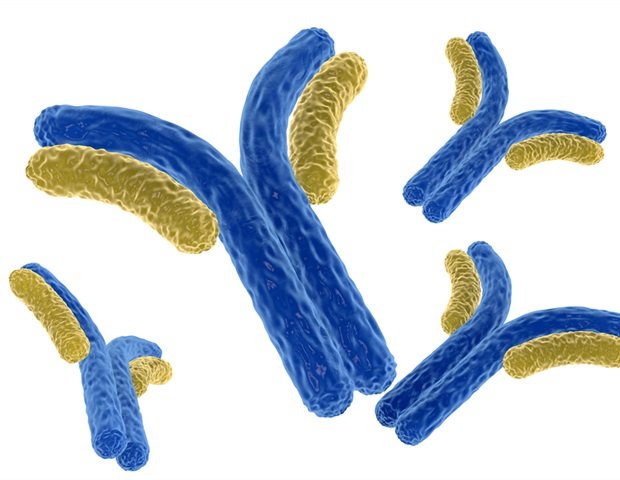
Using mice with human antibody genes, the research team developed new genetic human monoclonal antibodies that prevent two key antigens on the surface of the virus from binding to and entering human immune system cells. Posted on Cell Reports Medicinethe study highlights one of the newly identified monoclonal antibodies that successfully blocked infection in mice with human immune systems when challenged with EBV.

Finding human antibodies that prevent Epstein Barr virus from infecting our immune cells is particularly difficult because, unlike other viruses, EBV finds a way to bind to almost every one of our B cells. We decided to use new technologies to try to fill this knowledge gap and ended up taking a critical step towards blocking one of the world’s most common viruses.”


Andrew McGuire, PhD, biochemist and cell biologist in the Division of Vaccines and Infectious Diseases at Fred Hutch

A new scientific approach provides answers to a puzzling challenge

A key challenge in the study was to find human monoclonal antibodies that could successfully stop EBV infection without triggering an anti-drug response to the antibodies themselves, a common response among patients treated with antibodies raised in other animals. The researchers targeted two antigens, gp350, which helps EBV bind to cell receptors, and gp42, which allows EBV to enter and infect human cells through a process called fusion. Using a novel mouse model carrying human antibody genes, the effort yielded two monoclonal antibodies against gp350 and eight against gp42.

“Not only did we identify important antibodies against Epstein Barr virus, but we also validated an innovative new approach to discover protective antibodies against other pathogens,” noted Crystal Chhan, a pathobiology postdoctoral fellow in the McGuire Lab. “As an early career scientist, it was an exciting find and helped me appreciate how science often leads to unexpected discoveries.”

With the help of Fred Hutch’s Antibody Tech Core, further analysis found vulnerabilities that could be useful in future vaccine development. In the final step of the study, the research team discovered that one of the monoclonal antibodies against gp42 successfully prevented EBV infection. Another anti-gp350 monoclonal antibody provided partial protection.

Hope for patients at highest risk of Epstein Barr virus

More than 128,000 people in the US receive solid organ and bone marrow transplants annually. However, there are no specific treatments to prevent EBV infection or reactivation in patients undergoing immunosuppression for transplant procedures. Post-transplant lymphoproliferative disorders (PTLD) is an aggressive and sometimes life-threatening lymphoma that can develop after immunosuppression and is most often caused by uncontrolled EBV infection.

“Posttransplant lymphoproliferative disorders (PTLD), most of which are EBV-related lymphomas, are a common cause of morbidity and mortality after organ transplantation,” noted Rachel Bender Ignacio, MD, MPH, associate professor and infectious disease specialist at Fred Hutch School of Medicine and University of Washington. “Prevention of EBV viremia has strong potential to reduce the incidence of PTLD and limit the need for tapering immunosuppression, thereby helping to preserve graft function while improving overall patient outcomes. Effective prevention of EBV viremia remains an important unmet need in transplant medicine.”

Transplant recipients can develop infection if their donor was exposed to EBV and latent virus is transmitted through the donor’s cells, or for transplant patients who already have EBV infection, immunosuppression can cause the latent virus in their body to replicate out of control. Children undergoing immunosuppression for transplantation could particularly benefit from a specific treatment to prevent EBV, as a higher proportion of children have not yet been exposed to EBV.

The next mile

Scientists envision a future treatment in which an infusion of these monoclonal antibodies could prevent PTLD by inhibiting EBV infection and activation in patient populations at highest risk of EBV-related complications.

Fred Hutch has applied for intellectual property rights covering the monoclonal antibodies identified in the study, and McGuire and Chhan are working with scientific collaborators and an industrial partner to advance a potential treatment for immunocompromised patients. A potential treatment could be tested for safety in healthy adult volunteers and, if acceptable, proceed to clinical trials in the relevant patient population.

“There is momentum to advance our discovery into a treatment that would make a huge difference for transplant patients,” said McGuire. “After many years of searching for a viable way to protect against Epstein Barr virus, this is an important step for the scientific community and the people who are at the highest risk of complications from this virus.”

Source:

Fred Hutchinson Cancer Center

Barr Blocking critical Epstein Fred Hutch milestone reach Scientists virus
bhanuprakash.cg
healthtost
  • Website

Related Posts

Study reveals how disordered proteins function without fixed structure

March 15, 2026

The study highlights the benefits of specialized resource centers for autistic students

March 15, 2026

Selfish Chromosomes Tease Overdrive Gene to Eliminate Rival Sperm

March 14, 2026

Leave A Reply Cancel Reply

Don't Miss
Nutrition

Why GLP-1s change your relationship with food

By healthtostMarch 15, 20260

If you feel like everyone is talking about GLP-1 drugs lately, you’re wrong. Medicines like…

How to build a simple home gym that supports long-term healthy living

March 15, 2026

Study reveals how disordered proteins function without fixed structure

March 15, 2026

5 Myths About Trauma and Fitness (What the Research Really Shows)

March 15, 2026
Stay In Touch
  • Facebook
  • Twitter
  • Pinterest
  • Instagram
  • YouTube
  • Vimeo
TAGS
Baby benefits body brain cancer care Day Diet disease exercise Fitness food Guide health healthy heart Improve Life Loss Men mental Natural Nutrition Patients People Pregnancy protein research reveals risk routine sex sexual Skin Skincare study Therapy Tips Top Training Treatment ways weight women Workout
About Us
About Us

Welcome to HealthTost, your trusted source for breaking health news, expert insights, and wellness inspiration. At HealthTost, we are committed to delivering accurate, timely, and empowering information to help you make informed decisions about your health and well-being.

Latest Articles

Why GLP-1s change your relationship with food

March 15, 2026

How to build a simple home gym that supports long-term healthy living

March 15, 2026

Study reveals how disordered proteins function without fixed structure

March 15, 2026
New Comments
    Facebook X (Twitter) Instagram Pinterest
    • About Us
    • Contact Us
    • Privacy Policy
    • Terms and Conditions
    • Disclaimer
    © 2026 HealthTost. All Rights Reserved.

    Type above and press Enter to search. Press Esc to cancel.