

Close Menu
Healthtost
  • News
  • Mental Health
  • Men’s Health
  • Women’s Health
  • Skin Care
  • Sexual Health
  • Pregnancy
  • Nutrition
  • Fitness
  • Recommended Essentials
What's Hot

Facts about HIV and osteoporosis

March 13, 2026

The baby is listening to you! Here’s why it matters

March 13, 2026

Using blood proteins to make living brains transparent

March 13, 2026
Facebook X (Twitter) Instagram
  • About Us
  • Contact Us
  • Privacy Policy
  • Terms and Conditions
  • Disclaimer
Facebook X (Twitter) Instagram
Healthtost
SUBSCRIBE
  • News

    Using blood proteins to make living brains transparent

    March 13, 2026

    Structured exercise helps chemotherapy patients maintain cognitive function and mental clarity

    March 12, 2026

    The immune switch plays a critical role in successful pregnancies

    March 12, 2026

    The Viagra ingredient improves symptoms in patients with Leigh syndrome

    March 11, 2026

    Inhaler overuse study highlights urgent need for better objective asthma monitoring

    March 11, 2026
  • Mental Health

    How Mental Health Professionals Can Earn CE…

    March 13, 2026

    what teenage girls told us

    March 12, 2026

    The tryptophan switch? Because exercise boosts your mood

    March 8, 2026

    Are you stressed about politics? You wouldn’t expect it, and research shows that social media is largely to blame

    March 4, 2026

    Is It Sadness or Depression? Understand it…

    March 1, 2026
  • Men’s Health

    20 Minute Kettlebell HIIT Full Body Workout That Works

    March 12, 2026

    How social and environmental exposures across the lifespan affect mental health risk

    March 11, 2026

    Insurance covering male infertility procedures improves opportunities for family building

    March 10, 2026

    The fitness test of America’s most elite Citizen Search and Rescue Team

    March 10, 2026

    Love 6.0: Exploring an 82-year-old male therapist

    March 9, 2026
  • Women’s Health

    Facts about HIV and osteoporosis

    March 13, 2026

    Complete Holi Care Guide for Women

    March 11, 2026

    Do not repeat your recovery. Improve your recovery level with these tips

    March 10, 2026

    Why your body needs a nervous system reset and how to start it this weekend

    March 9, 2026

    Breathwork for Stress Relief: Techniques to Remember Under Pressure

    March 7, 2026
  • Skin Care

    The ultimate guide to transformative facials in New York

    March 12, 2026

    Is it eczema or acne? How to tell the difference

    March 12, 2026

    Shea Butter Body Wash for Dry Skin – The Natural Wash

    March 11, 2026

    She took a chance to share beauty – Today she made Tropic’s Bigge – Tropic Skincare

    March 11, 2026

    How to tell if a skin care ingredient really works

    March 10, 2026
  • Sexual Health

    Navigating identity and sexual health as a Vietnamese immigrant

    March 12, 2026

    Affected by lack of estrogen patch? Here are your options.

    March 9, 2026

    SRHM for International Women’s Day

    March 9, 2026

    Can an STD come back after treatment?

    March 8, 2026

    Making Sense of Sexual Ambivalence — Alliance for Sexual Health

    March 7, 2026
  • Pregnancy

    The baby is listening to you! Here’s why it matters

    March 13, 2026

    Gentle, supportive care for mothers, through pregnancy, labor and delivery

    March 11, 2026

    Stress and Fertility with Dr Haider Najjar

    March 10, 2026

    Budget Baby Items: The Dos and Don’ts of Buying Used

    March 8, 2026

    The study finds that each pregnancy leaves a unique mark on a mother’s brain

    March 8, 2026
  • Nutrition

    How much sodium do you need?

    March 12, 2026

    Anorexia atypical: Eating disorders in larger bodies

    March 11, 2026

    Why women are sicker than ever — and why it’s not just a hormone problem

    March 11, 2026

    3-ingredient dinner kids will actually eat (picky eater friendly)

    March 9, 2026

    Leftover Turkey Orzo Soup (Kid Approved!)

    March 8, 2026
  • Fitness

    Here’s why – Tony Gentilcore

    March 9, 2026

    10 Healthy Things to Do While Fasting

    March 9, 2026

    Over 50 and not sleeping well? These simple mobility moves can help

    March 8, 2026

    Inside the OPEX Method Guide Week 4: Dr. David Skolnick: Aerobic Training That Changes Training

    March 7, 2026

    Boosting mood and building community through movement

    March 5, 2026
  • Recommended Essentials
Healthtost
Home»Women's Health»Facts about HIV and osteoporosis
Women's Health

Facts about HIV and osteoporosis

healthtostBy healthtostMarch 13, 2026No Comments6 Mins Read
Facebook Twitter Pinterest LinkedIn Tumblr Reddit WhatsApp Email
Facts About Hiv And Osteoporosis
Share
Facebook Twitter LinkedIn Pinterest WhatsApp Email

Osteoporosis is known as the silent disease for good reason. People rarely experience symptoms of bone disease before a break or fracture occurs.

The word “osteoporosis” literally means porous bone because it causes the natural holes in your bones to enlarge, which makes your bones thinner and weaker and more likely to break.

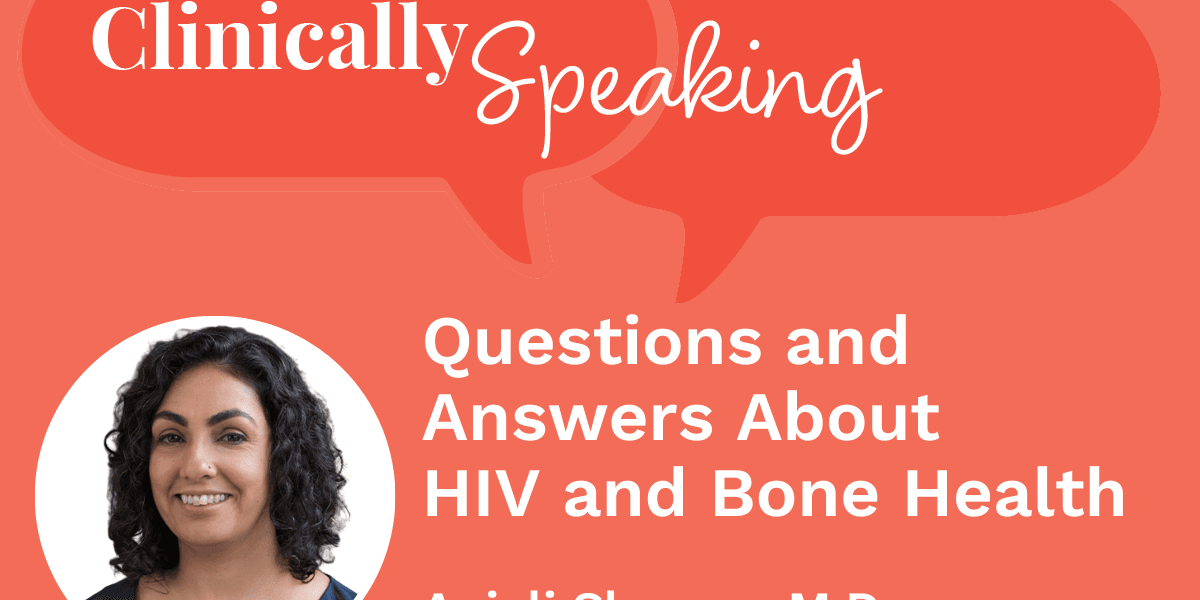
The risk for osteoporosis is particularly high among people living with HIV. “There are several ways that having HIV contributes to bone changes,” he said Anjali Sharma, MD, MSprofessor and researcher focusing on HIV in women at the Albert Einstein College of Medicine.

We asked Sharma to discuss the different ways HIV can affect bone health and what people living with HIV can do to prevent osteoporosis.

Does HIV itself contribute to bone changes?

Yes, it does. Bone is constantly being renewed, which keeps the skeleton strong. When old bone is removed and new bone is replaced in the same place, it is called bone remodeling. This repairs skeletal damage and prevents the build-up of old, brittle bones.

With osteoporosis, the balance between bone formation and bone loss shifts, so more and more bone is lost but not replaced. As a result, the bone becomes weak and more likely to break over time.

HIV can directly infect cells that remove old bone. HIV can also increase the activity of bone-removing cells and signal the body to make more bone-removing cells, which leads to bone loss.

Even with effective treatment, HIV proteins remain in the body and can signal the body to make fewer bone-forming cells or disrupt how well they make new bone, tipping the balance toward less new bone formation.

HIV also disrupts the body’s immune system, which improves but does not disappear completely with treatment that controls the virus. The low levels of chronic inflammation associated with HIV affect the cells that remove bone, which also leads to bone loss over time.

How does HIV medication contribute to bone changes and osteoporosis risk?

Treatment of HIV with antiretroviral therapy (ART) it has led to huge health benefits for people with HIV, but it also affects bones.

When a person starts ART for the first time, along with the reduction of circulating HIV levels in the blood to undetectable levels, the immune system quickly returns to recovery. This process leads to increased inflammation throughout the body. For about a year after starting any ART regimen, this inflammation leads to bone loss, with more bone being removed than being formed at the same time.

Some HIV drugs cause more bone loss than others. Switching to a newer drug formulation with fewer bone-related side effects has been shown to improve bone density.

Are there other factors that contribute to bone loss in people with HIV?

Certain medical conditions that are more common in people with HIV, such as chronic liver or kidney disease and early menopause (before age 45), put people at higher risk for osteoporosis.

In addition, certain behaviors such as smoking and alcohol use have been linked to osteoporosis and may be more common in people with HIV.

Older age is a risk factor for osteoporosis, especially for women. While it is known that people lose bone and have an increased risk for osteoporosis as they age, this is especially true for people with HIV who are not only at higher risk for osteoporosis than people without HIV, but may also develop osteoporosis at a younger age.

How can people with HIV prevent bone loss?

There are many ways people can maintain their bone health and prevent bone loss, and all of them apply to people with HIV. Getting the recommended amount of calcium in your diet is important to keep your bones strong. Because the body’s ability to absorb calcium decreases as they age, older adults need higher amounts of dietary calcium.

Vitamin D also plays a key role in bone health. It helps the body absorb calcium from food, helps the skeleton to regenerate and mineralize, and helps keep muscles strong to reduce the risk of falls. People with low vitamin D levels may need to take a vitamin D supplement and a calcium supplement to make sure they get enough of both.

Quitting smoking and limiting alcohol intake are also important for maintaining both overall and bone health.

Hormone therapy (HT) with estrogen after menopause or for trans women has been shown to improve bone mineral density, while less is known about the bone effects of HT with testosterone for trans men.

Exercise plays a vital role in bone health and the prevention of osteoporosis. Bones and muscles respond and strengthen when stressed by weight-bearing exercises (such as running or dancing). Regular exercise can help build and maintain bone and muscle strength and improve balance to prevent falls. Because osteoporosis is more common in people with HIV, they may be more likely to suffer a serious injury after a fall, such as a fracture. Taking safety precautions at home, such as removing trip hazards, ensuring good lighting, making sure your glasses have the right prescription and fit, and wearing comfortable flat shoes are all ways to prevent falls.

Tell your healthcare provider if you feel dizzy or have had a fall, and discuss whether any of your medications may be playing a role in your risk of falling, especially if you take many different types of medications. Also ask your HCP if your HIV medications are the most bone-friendly or if there are other options for you that have fewer bone side effects.

Read: 6 Ways to Strengthen Your Musculoskeletal System >>

Are there specific recommendations for bone health screening for people with HIV?

Because people living with HIV are at higher risk for osteoporosis and fractures compared to people not living with HIV, there are specific recommendations for bone health screening for their routine health care.

The most common way to check for osteoporosis is to use a dual-energy x-ray absorptiometry (DEXA) scan, which measures bone density levels. The results can also be used to help predict a person’s risk of having a serious fracture.

A DEXA scan is recommended for all women with HIV after menopause and for all women with HIV from the age of 50.

People with HIV who take certain medications such as steroids, have a history of fracture, or have conditions that put them at high risk for osteoporosis and fracture should have a DEXA scan at an earlier age.

This educational resource was created with the support ofm Merck.

From your website articles

Related articles around the web

Facts HIV Osteoporosis
bhanuprakash.cg
healthtost
  • Website

Related Posts

Complete Holi Care Guide for Women

March 11, 2026

Do not repeat your recovery. Improve your recovery level with these tips

March 10, 2026

Why your body needs a nervous system reset and how to start it this weekend

March 9, 2026

Leave A Reply Cancel Reply

Don't Miss
Women's Health

Facts about HIV and osteoporosis

By healthtostMarch 13, 20260

Osteoporosis is known as the silent disease for good reason. People rarely experience symptoms of…

The baby is listening to you! Here’s why it matters

March 13, 2026

Using blood proteins to make living brains transparent

March 13, 2026

How Mental Health Professionals Can Earn CE…

March 13, 2026
Stay In Touch
  • Facebook
  • Twitter
  • Pinterest
  • Instagram
  • YouTube
  • Vimeo
TAGS
Baby benefits body brain cancer care Day Diet disease exercise Fitness food Guide health healthy heart Improve Life Loss Men mental Natural Nutrition Patients People Pregnancy protein research reveals risk routine sex sexual Skin Skincare study Therapy Tips Top Training Treatment ways weight women Workout
About Us
About Us

Welcome to HealthTost, your trusted source for breaking health news, expert insights, and wellness inspiration. At HealthTost, we are committed to delivering accurate, timely, and empowering information to help you make informed decisions about your health and well-being.

Latest Articles

Facts about HIV and osteoporosis

March 13, 2026

The baby is listening to you! Here’s why it matters

March 13, 2026

Using blood proteins to make living brains transparent

March 13, 2026
New Comments
    Facebook X (Twitter) Instagram Pinterest
    • About Us
    • Contact Us
    • Privacy Policy
    • Terms and Conditions
    • Disclaimer
    © 2026 HealthTost. All Rights Reserved.

    Type above and press Enter to search. Press Esc to cancel.