


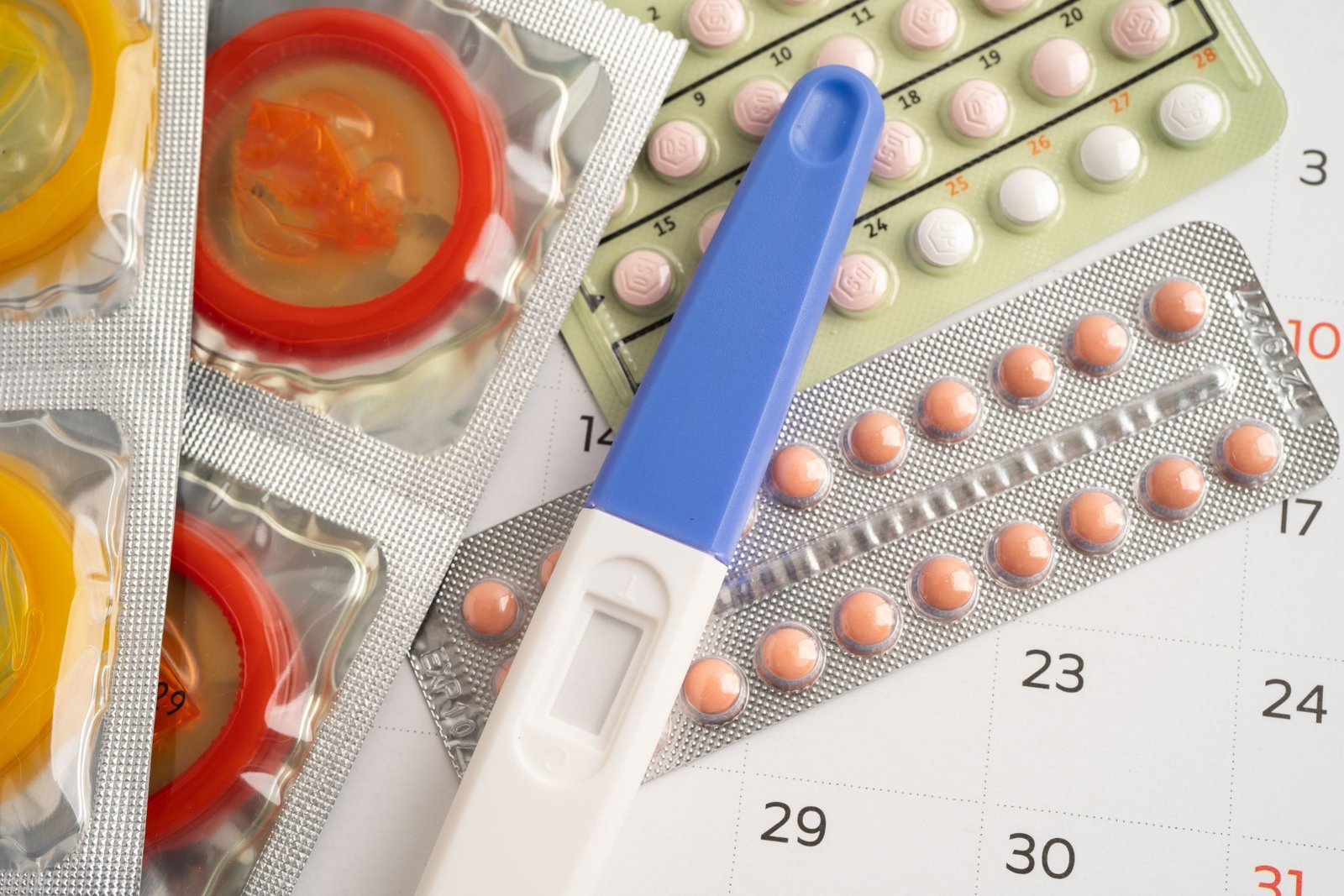
Visits for contraception and cancer screenings at Planned Parenthood clinics have dropped by double digits since the passage of a bill that limited Medicaid funding to some reproductive health providers last year, according to new Report of the Democratic Congress.
Between July 1 and the end of December, the report said, distribution of emergency contraception fell by 10%, distribution of oral contraception fell by 27% and IUD insertions fell by 10%.
Republican members of the House and Senate approved a sweeping budget reconciliation bill in July that included a one-year provision barring clinics from receiving reimbursement from federal Medicaid if they provided abortion services and billed Medicaid more than $800,000 in fiscal year 2023. The rule largely Planned Parenthood was affected because of the high dollar amount, but some large independent clinics were also affected, such as Maine Family Planning and Health Imperatives in Massachusetts.
Since July, Planned Parenthood reported that 20 clinics have been forced to close due to the cuts. That was in addition to the numerous clinics that had to close after the loss of Title X funds and other factors, bringing the total to 51 last year. The report said nearly 75 percent of those closures were in rural, medically underserved areas. About half were in the Midwest, including Indiana, Michigan and Ohio, affecting about 25,000 patients.
“Nearly all, 48 of the 51, that closed between January and December offered primary care and almost half were in primary care underserved areas,” the report said.
In recent months, the decline in services has increased. The report also notes that there were 20 percent fewer visits for birth control pills in November and a 36 percent drop for IUDs in December, the biggest drop of all services measured. Some clinics have reported dropping their IUD offerings because it is an expensive birth control device that was normally covered by Medicaid, but it is also the most popular and preferred form of birth control.
The number of visits for breast cancer screening tests fell 25 percent in December, according to the report, and tests for sexually transmitted infections fell 11 percent in November, both of which could lead to delayed treatment that increases overall health care costs.
A dozen states have pledged their own funding to help cover the roughly $300 million gap left by federal Medicaid cuts, according to the report. This includes Californiacolorado, ConnecticutHawaii, Illinois, Massachusetts, MaineNevada, New Jersey, New MexicoNew York, Oregonand Washington. But Planned Parenthood supporters say it still leaves a significant shortfall because health centers nationwide provided about $700 million in care annually to Medicaid patients before the law took effect.
U.S. Sen. Ron Wyden, D-Oregon and the ranking member of the Senate Finance Committee, said at a press conference on March 19 that he would strongly oppose any reconciliation effort to make the cuts permanent.
“We’re here to say to the people who oppose access to health care for women, no way. It’s not going to happen under my watch on the Finance Committee, period. It’s not going to happen,” Wyden said.
Federal law already prohibits providers from using federal dollars to pay for abortion care, with limited exceptions. Medicaid dollars paid for all other types of care the clinics provide, including contraception, testing and treatment for sexually transmitted infections, and screenings for breast and cervical cancer. Maine Family Planning also provided primary care services to about 1,000 patients statewide, but had to to stop this program in October because of the cuts.
“The report makes it clear that it really costs money to see all of these Planned Parenthood offices or providers close, and once they close, it’s not like you can bring them back,” U.S. Senator Mazie Hirono, a Democrat representing Hawaii, said at a March 19, 2026 press conference.
The Planned Parenthood Federation of America and two of its affiliates sued to block the law, but the effort was unsuccessful. Republicans in Congress have flagged a goal to extend the cuts and make them permanent, as outlined in the Republican Study Committee framework for the next fiscal reconciliation billwhich was released in January.
A coalition of major anti-abortion advocacy organizations, including Live Action, Heritage Action, National Right to Life and Susan B. Anthony Pro-Life America, signed a letter sent to House Republican leadership urging them to immediately begin the reconciliation process and make the cuts permanent.
“Since the enactment of the 2025 Reconciliation Act, many abortion businesses have already closed facilities or curtailed operations, demonstrating the measurable impact of the defunding provision,” the letter said.
This article was republished by News from the United Statespart of States Newsroom. Read the original story by Kelcie Moseley-Morris here.
