


|
Basic Takeaways
Physical activity, especially group exercise, can play a vital role as both a mood booster and a way to combat social isolation and loneliness. Here are some strategies to incorporate into your work with clients:
This blog offers an evidence-based approach to boosting mood and improving mental health through movement and community building. Read on for expert insights.
Check out this lesson: ACE RRAMP Approach™: Cultivating behavior change through group fitness
|
This time of year can be unpleasant for many people. The holidays are long gone, the energy behind New Year’s resolutions is starting to die down, and the short days and cold temperatures are getting a little heavy. If your customers express concerns about their mental health, you can remind them Physical activity can play a vital role as both a mood booster and a way to combat social isolation and loneliness.
To learn more about the role of physical activity, particularly group exercise experiences, in boosting mood and improving mental health status, I reached out to Katie Heinrich, PhD, whose research focuses on improving lives through addiction recovery, sense of community, exercise, and physical activity.
According to Dr. Heinrich, “What matters is finding something you enjoy. For some people, that might be lifting weights and doing CrossFit. For others, it might be putting on a song they love and dancing around the room or dancing with their kids.”
If something makes a customer feel good, then it’s a safe bet they’ll want to do it again.
“If we’re talking about it in terms of exercise,” continues Dr. Heinrich, “then ideally it becomes something they can repeat and it’s structured, so maybe they progress and improve their fitness over time.”
That said, it’s important to note that there are immediate benefits from just one exercise session, as some clients may be looking for a short-term mood boost rather than long-term mental health benefits from consistently participating in an exercise program.
“Movement creates blood flow and stimulates areas in the brain that can begin to feel these effects immediately,” says Dr. Heinrich. Additionally, if something is difficult to accomplish, whether it’s a tough workout at the gym or a challenging hike, the sense of accomplishment can do wonders for a person’s mood, as well as their self-efficacy for continued participation.
Building a sense of community
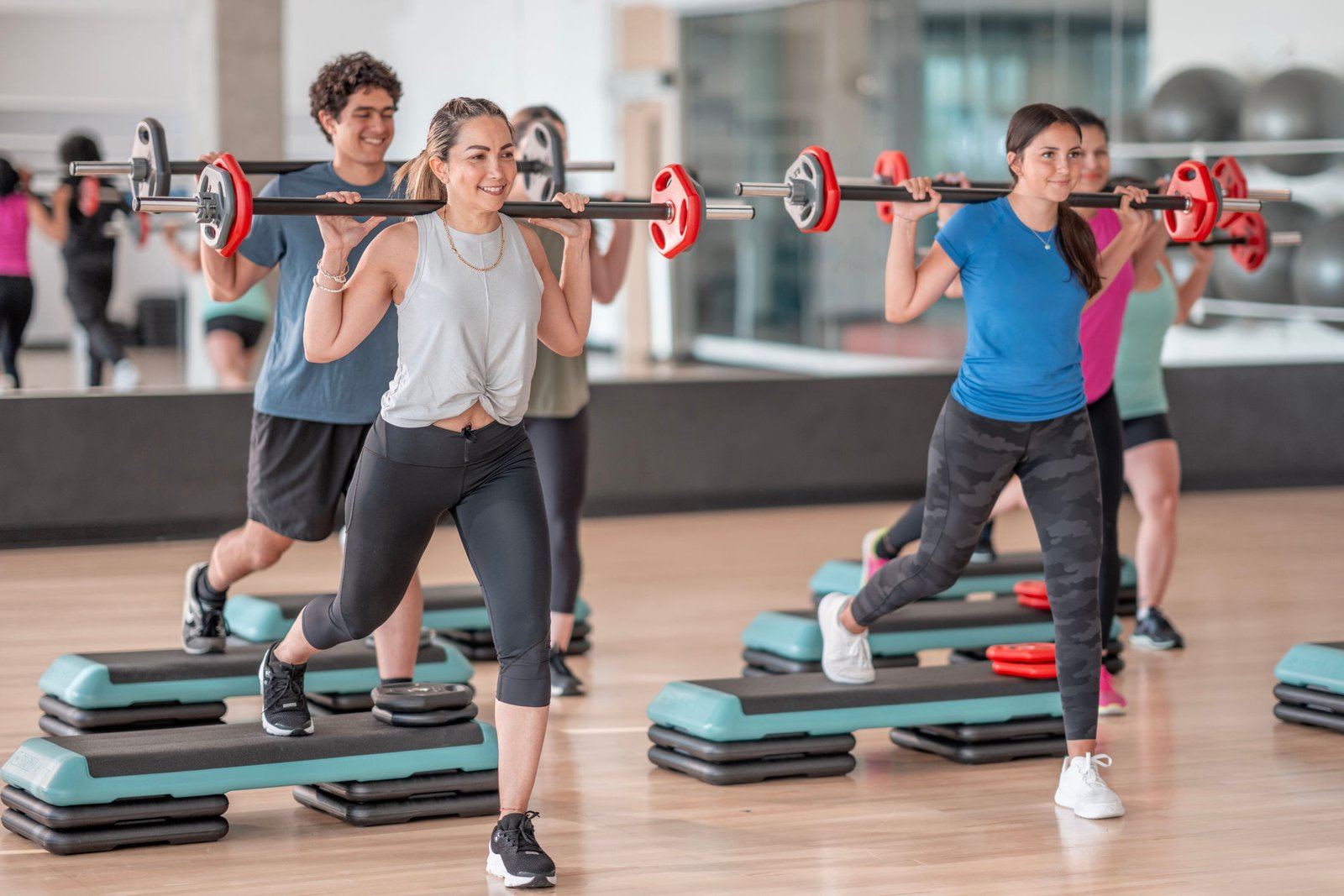
There’s no denying the power of the ‘we’re-in-this-together’ feeling that people have during hard training sessions, challenging group fitness classes and sporting events. So is there a cumulative effect, where the benefits of physical activity are enhanced by the group experience? If so, what drives this result?
There are many different things going on in these scenarios, explains Dr. Heinrich. “You become part of something bigger than yourself, right? So sometimes if you’re anxious or depressed or stuck in a negative mental health spiral, it makes you focus outside of yourself. Being part of a community where you support other people gives you a sense of belonging, a sense of purpose where you can contribute and help other people as they support you.”
Companionship leads to both accountability and social support. And, sometimes, those feelings can develop into friendships that extend beyond the gym. Shared experiences, particularly shared struggles and feelings of accomplishment that arise when clients overcome these obstacles together, can be a great way to help clients combat social isolation and loneliness.
|
What research reveals about the importance of community
In a study by Dr. Heinrich who evaluated the way of integration a sense of community (SOC) in a group exercise intervention affects adherence, an 11-week high-intensity functional training program that incorporated SOC strategies had an extremely high compliance rate of 97% among 30 participants.
ACE-supported research evaluating the effectiveness of the ACE RRAMP™ approach found that using this approach to create a caring and working climate empowers clients and positively impacts adherence. Participants in a class where instructors used the ACE RRAMP approach had a compliance rate of nearly 80%, compared to 56% in a control group.
Collectively, this type of research reveals that being part of a group exercise experience in a supportive and empowering environment improves adherence to an exercise program, which can lead to significant changes in both physical and mental health.
|
Final Thoughts: Strength Training
A term that often comes up in discussions about how to boost mood and mental health through physical activity and exercise is ’empowerment’. When customers feel a sense of ownership and control over what they do, it boosts their mood, self-efficacy and motivation.
In one study of strength trainingresearchers defined this term as “Both a process and an outcome in which individuals acquire skills and abilities to acquire poops and control…. Empowerment at the individual level is conceptually related to self-efficacy, autonomy and power’.
This is where you, as a health coach or exercise professional, can impact both the short-term mood and long-term mental health of your clients. By creating an empowering environment, you give customers autonomy over the experience and challenge them to step outside their comfort zone and achieve something new. Combine all of this with the camaraderie, accountability and social support found in a team environment and you have a recipe for real success.
