

Close Menu
Healthtost
  • News
  • Mental Health
  • Men’s Health
  • Women’s Health
  • Skin Care
  • Sexual Health
  • Pregnancy
  • Nutrition
  • Fitness
  • Recommended Essentials
What's Hot

5 Dietitian-Approved Healthy School Snacks Kids Eat

January 20, 2026

New genetic insights reveal the role of vitamin B1 in gut health and motility

January 20, 2026

The best way to work out over 40: Build strength, muscle and shape

January 20, 2026
Facebook X (Twitter) Instagram
  • About Us
  • Contact Us
  • Privacy Policy
  • Terms and Conditions
  • Disclaimer
Facebook X (Twitter) Instagram
Healthtost
SUBSCRIBE
  • News

    New genetic insights reveal the role of vitamin B1 in gut health and motility

    January 20, 2026

    Genomic screening reveals hidden risk of cancer and heart disease in young adults

    January 20, 2026

    Perceived injustice exacerbates trauma symptoms following the October 7 attack

    January 19, 2026

    Research shows that bamboo-based foods could support metabolic health

    January 19, 2026

    Global Alzheimer’s Platform Foundation Announces Strategic Partnership and Collaboration with Spear Bio on Bio-Hermes-002 Transformative Study

    January 18, 2026
  • Mental Health

    Alcohol abuse prevention: A conversation for everyone

    January 19, 2026

    How to apply for a fully funded PhD in the UK

    January 8, 2026

    9 Secrets on How to Stop Procrastinating

    January 6, 2026

    Setting boundaries for self-care in 2026

    January 4, 2026

    In a world of digital money, what is the proper etiquette for splitting the bill with friends?

    January 1, 2026
  • Men’s Health

    30 minute dumbbell chest routine without a bench

    January 19, 2026

    Father’s early behavior linked to child’s heart and metabolic health years later

    January 17, 2026

    Why it still makes sense to limit saturated fat

    January 17, 2026

    Escape Gym Groundhog Day: Why your workout takes seasons

    January 16, 2026

    What is Blue Collar Guilt?

    January 14, 2026
  • Women’s Health

    The best way to work out over 40: Build strength, muscle and shape

    January 20, 2026

    Community EquiLife detox – The Fitnessista

    January 20, 2026

    Urea Body Lotion for Dry & Rough Skin

    January 19, 2026

    Women’s Primary Care Physicians in Alexandria, VA: Wellness

    January 18, 2026

    You’re Not Failing: Navigating Student Loan Debt, Mental Health, and Paycheck Garnishment

    January 17, 2026
  • Skin Care

    The Skin Barrier and Acne: Why Breakouts Are Back!

    January 20, 2026

    Choose the perfect SPF – The natural wash

    January 20, 2026

    Reduce shine areas – Tropic Skincare

    January 19, 2026

    Under Eye Caffeine: What It Is, How It Works, and Why It Matters

    January 19, 2026

    An OUMERE Scientific and Regul – OUMERE

    January 16, 2026
  • Sexual Health

    Insights on Men, Intimacy and Emerging Relationship Cultures by Laura Ramadei — Sexual Health Alliance

    January 20, 2026

    HPV vaccination and screening help Australia move closer to eliminating cervical cancer

    January 17, 2026

    Your ultimate guide to climax and orgasm control

    January 16, 2026

    Stillbirths may be more common in US than previously known—Study

    January 14, 2026

    COVID-19 heightens vulnerabilities for women asylum seekers and refugee women in South Africa < SRHM

    January 14, 2026
  • Pregnancy

    20 sweet Valentine’s Day gifts for the first baby on February 14th

    January 19, 2026

    10 Ways Pomegranate Can Support a Healthy Pregnancy

    January 18, 2026

    Do you need fitness insurance?

    January 17, 2026

    15 Safe Home Remedies for Pregnancy Acne

    January 17, 2026

    Weighing in: How GLP-1s fit into your pregnancy plans

    January 15, 2026
  • Nutrition

    5 Dietitian-Approved Healthy School Snacks Kids Eat

    January 20, 2026

    How to Support Your Liver Naturally—Without a Juice Cleanse!

    January 20, 2026

    Chicken Biryani Recipes: The Timeless Desi Classic that rules every table

    January 19, 2026

    Is it okay to skip meals? This is what could happen.

    January 18, 2026

    When should you see a physical therapist? 7 Signs You Shouldn’t Ignore

    January 17, 2026
  • Fitness

    Why Your Body Isn’t Responding After 40 (And What’s Working Now)

    January 20, 2026

    Ben Greenfield Weekly Update: January 9th

    January 19, 2026

    Butt Targets: An Evidence-Based Butt Workout

    January 19, 2026

    Superathlete Alvaro Núñez Alfaro shares his methods for staying lean, focused and consistent all year round

    January 18, 2026

    Not sure your multivitamin is working? 3 ways the signal could be missing

    January 16, 2026
  • Recommended Essentials
Healthtost
Home»News»ADHD medication reduces the risk of abuse of substances and accidents
News

ADHD medication reduces the risk of abuse of substances and accidents

healthtostBy healthtostAugust 18, 2025No Comments6 Mins Read
Facebook Twitter Pinterest LinkedIn Tumblr Reddit WhatsApp Email
Adhd Medication Reduces The Risk Of Abuse Of Substances And
Share
Facebook Twitter LinkedIn Pinterest WhatsApp Email

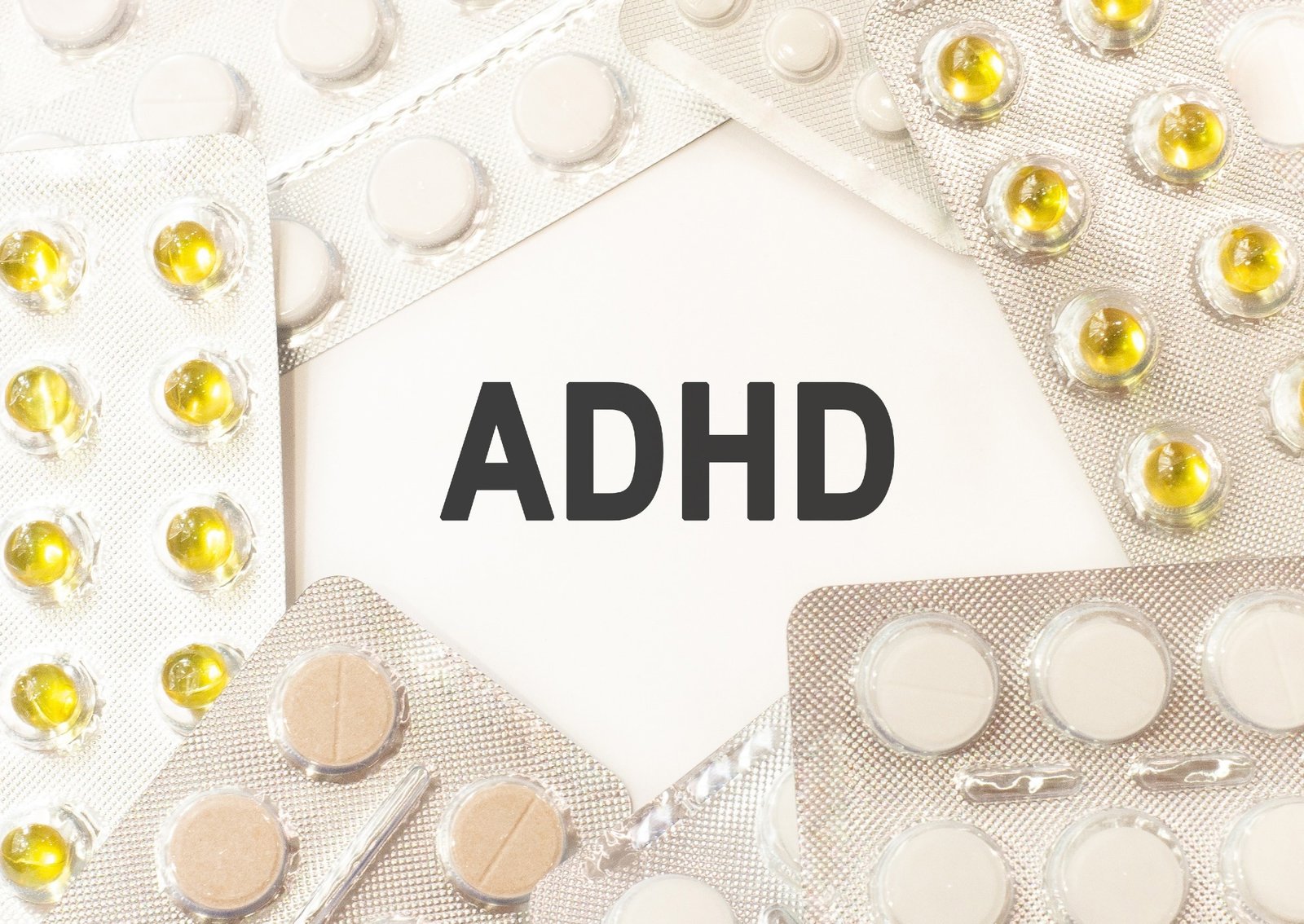
A study using Swedish national data shows that ADHD medicines, especially stimulants, not only facilitate basic symptoms but also linked to lower risk of dangerous results such as suicide efforts, substance abuse, accidents and crime.

Study: ADHD drugs and risk of suicidal behaviors, substance abuse, random injuries, accidents and crime accidents:. Credit Picture: Mobility Movies/Shutterstock.com

The hyperactivity disorder (ADHD) is a common neurodevelopmental condition. Its adverse effects on normal operation is well established, including increased risk of suicidal and addictive behaviors. The impact of the drug therapy on ADHD on such results is slightly understandable, preventing treatment decisions. A recent study at The bmj conducted in a test assimilation design aimed at taking light in the compounds of such results with medical treatment for ADHD.

Import

About 5% of children and 2.5% of adults have ADHD worldwide. It is mainly diagnosed in childhood. Its negative impacts include a higher risk of suicidal behavior, substance abuse, random injuries, transport accidents and criminal tendencies.

ADHD treatment includes pharmaceutical and non -pharmaceutical approaches, as well as combined strategies. Younger children, especially those in milder ADHD forms, are often treated without medication. However, ADHD medication, whether stimulant or non -stimulant, is widely used to treat older patients and can mitigate the severity of the basic symptoms.

The effect of treatment with drugs on other functional results remains unclear. Previous research is usually limited to groups that fulfill strict eligibility criteria, with the exception of about half of patients taking medicines in clinical practice. Epidemiological studies indicate that these functional results are improved when the patient is placed on ADHD drugs. However, these have not been tested for the effects of time and include only patients who have experienced one or more of these results.

Therefore, the current study attempted to imitate a randomized controlled test using observation data from Swedish national registries. This is called the target assimilation frame. He focused on first and repetitive events, choosing results based on discussions with people with ADHD.

Study findings

The researchers identified 148,581 people who were recently diagnosed with ADHD, 60% were men. The average age was 17.4 years. They watched for two years for the five results already mentioned.

About 57% of patients were placed in ADHD medication within three months of diagnosis. The most common primary drug was methylphenidate, prescribed at 88%, followed by a personal (non -stimulant) for 8%and Lisdexamfetamine for about 3%.

ADHD medicinal therapy was associated at a reduced rate of four of the five results, all except random injuries.

Overall, the risk of suicidal behavior was 17% smaller in the drug treatment group, after adjusting for other confusion factors. The incidence of substances was 85% of this non -drug treatment group and the incidence of transport accidents was 88%. The incidence of crime was 13% smaller in the drug treatment group.

Repeated Frequency of Events

Repeating these unwanted results is a common finding in ADHD. When only repetitive events were analyzed, the risk was reduced for all results. The risk of suicide behavior was 15% lower, crime and substance abuse was 25% less likely and transporting accidents were 16% lower, while accidental injuries showed a moderate reduction of 4%. This could reflect the highest chances of these patients to have severe ADHD and thus respond more easily to medicinal therapy.

The effect of starting the drug was more intense among those patients who had a history of any of these effects. For example, while medication was associated with 13% lower rates of suicidal behavior in people who have not taken into account history, a 21% decrease in those with a history of suicide behaviors. This is applied to all results.

Type

In comparing stimulants against non -stimulants, the former seemed to be more beneficial, with the impact rates of these results being between 71% and 97% of the rates with the latter. The most important difference was for substance abuse and crime, the least for random injuries.

Previous research supports these findings, with stimulants proven to improve the symptoms of the ADHD core better than non -stimulants. This could mitigate the risk of adverse functional results in the long run. Therefore, most guidelines advise the use of stimulants as a first -line treatment for ADHD.

Demographic agents

Adults were likely to have more significant improvements in the addiction and crime of substances compared to children. Female patients had a more significant reduction in crime than men, although previous studies suggest that males are more likely to have criminal behavior with ADHD. This can reflect a higher risk of such behavior among female patients with ADHD.

The risk of recurrent suicide behavior has been significantly improved by treatment with younger drugs compared to adults.

Conclusions

The study shows for the first time that the treatment of ADHD with medicines is associated with a reduced risk of suicidal behaviors and transport accidents in patients without a prior history. The effects on substance abuse, random injuries and crime were not important in this subgroup. In cases where such an event has already occurred, the risk of the five results that came back was reduced with drug treatment.

The stimulants seemed to be associated with a greater overall improvement. Separately, the reductions of recurrent suicidal behavior were important in children and young people. These changes may be due to lower impulsivity and better care and executive treatment, as previously randomized controlled tests have been proposed. Less impulsive behavior can prevent criminal acts and increased attention can prevent transport accidents.

While these findings confirm the findings of previous studies, the changes observed are smaller. Perhaps this is due to the design of the careful study that provided the full range of ADHD patients and not just those with a history of such effects that were drug -treatment. In addition, in current practice, drug therapy easily starts even with less severe symptoms.

As a result, this study attributed “The average effects of treatment reflect more the whole patient population and closer to estimates expected from randomized controlled tests. ”

The highest reduction in incident rates for repetitive events compared to events for the first time may indicate that “ADHD medicines can be associated with a actual decrease in events and not just postpone the appearance of these results. ”

The researchers also included type 1 diabetes as a result of negative control, which did not show correlation with ADHD medication, enhancing confidence in causal interpretation. These findings could help develop practical guidelines for such a treatment.

Download your PDF copy now!

Magazine report:

  • Zhang, L., Zhu, N., Sjolander, A., et al. (2025). ADHD therapy for drugs and a risk of suicidal behaviors, substance maltreatment, random injuries, transport accidents and crime: Target testing. The bmj. DOI: https://doi.org/10.1136/BMJ-2024-083658. https://www.bmj.com/content/390/BMJ-2024-083658
abuse accidents ADHD Medication reduces risk substances
bhanuprakash.cg
healthtost
  • Website

Related Posts

New genetic insights reveal the role of vitamin B1 in gut health and motility

January 20, 2026

Genomic screening reveals hidden risk of cancer and heart disease in young adults

January 20, 2026

Perceived injustice exacerbates trauma symptoms following the October 7 attack

January 19, 2026

Leave A Reply Cancel Reply

Don't Miss
Nutrition

5 Dietitian-Approved Healthy School Snacks Kids Eat

By healthtostJanuary 20, 20260

As a registered dietitian, my snacking rules are simple: Taste comes first. The has taste…

New genetic insights reveal the role of vitamin B1 in gut health and motility

January 20, 2026

The best way to work out over 40: Build strength, muscle and shape

January 20, 2026

The Skin Barrier and Acne: Why Breakouts Are Back!

January 20, 2026
Stay In Touch
  • Facebook
  • Twitter
  • Pinterest
  • Instagram
  • YouTube
  • Vimeo
TAGS
Baby benefits body brain cancer care Day Diet disease exercise finds Fitness food Guide health healthy heart Improve Life Loss Men mental Natural Nutrition Patients People Pregnancy protein research reveals risk routine sex sexual Skin study Therapy Tips Top Training Treatment ways weight women Workout
About Us
About Us

Welcome to HealthTost, your trusted source for breaking health news, expert insights, and wellness inspiration. At HealthTost, we are committed to delivering accurate, timely, and empowering information to help you make informed decisions about your health and well-being.

Latest Articles

5 Dietitian-Approved Healthy School Snacks Kids Eat

January 20, 2026

New genetic insights reveal the role of vitamin B1 in gut health and motility

January 20, 2026

The best way to work out over 40: Build strength, muscle and shape

January 20, 2026
New Comments
    Facebook X (Twitter) Instagram Pinterest
    • About Us
    • Contact Us
    • Privacy Policy
    • Terms and Conditions
    • Disclaimer
    © 2026 HealthTost. All Rights Reserved.

    Type above and press Enter to search. Press Esc to cancel.