

Close Menu
Healthtost
  • News
  • Mental Health
  • Men’s Health
  • Women’s Health
  • Skin Care
  • Sexual Health
  • Pregnancy
  • Nutrition
  • Fitness
  • Recommended Essentials
What's Hot

5 Dietitian-Approved Healthy School Snacks Kids Eat

January 20, 2026

New genetic insights reveal the role of vitamin B1 in gut health and motility

January 20, 2026

The best way to work out over 40: Build strength, muscle and shape

January 20, 2026
Facebook X (Twitter) Instagram
  • About Us
  • Contact Us
  • Privacy Policy
  • Terms and Conditions
  • Disclaimer
Facebook X (Twitter) Instagram
Healthtost
SUBSCRIBE
  • News

    New genetic insights reveal the role of vitamin B1 in gut health and motility

    January 20, 2026

    Genomic screening reveals hidden risk of cancer and heart disease in young adults

    January 20, 2026

    Perceived injustice exacerbates trauma symptoms following the October 7 attack

    January 19, 2026

    Research shows that bamboo-based foods could support metabolic health

    January 19, 2026

    Global Alzheimer’s Platform Foundation Announces Strategic Partnership and Collaboration with Spear Bio on Bio-Hermes-002 Transformative Study

    January 18, 2026
  • Mental Health

    Alcohol abuse prevention: A conversation for everyone

    January 19, 2026

    How to apply for a fully funded PhD in the UK

    January 8, 2026

    9 Secrets on How to Stop Procrastinating

    January 6, 2026

    Setting boundaries for self-care in 2026

    January 4, 2026

    In a world of digital money, what is the proper etiquette for splitting the bill with friends?

    January 1, 2026
  • Men’s Health

    30 minute dumbbell chest routine without a bench

    January 19, 2026

    Father’s early behavior linked to child’s heart and metabolic health years later

    January 17, 2026

    Why it still makes sense to limit saturated fat

    January 17, 2026

    Escape Gym Groundhog Day: Why your workout takes seasons

    January 16, 2026

    What is Blue Collar Guilt?

    January 14, 2026
  • Women’s Health

    The best way to work out over 40: Build strength, muscle and shape

    January 20, 2026

    Community EquiLife detox – The Fitnessista

    January 20, 2026

    Urea Body Lotion for Dry & Rough Skin

    January 19, 2026

    Women’s Primary Care Physicians in Alexandria, VA: Wellness

    January 18, 2026

    You’re Not Failing: Navigating Student Loan Debt, Mental Health, and Paycheck Garnishment

    January 17, 2026
  • Skin Care

    The Skin Barrier and Acne: Why Breakouts Are Back!

    January 20, 2026

    Choose the perfect SPF – The natural wash

    January 20, 2026

    Reduce shine areas – Tropic Skincare

    January 19, 2026

    Under Eye Caffeine: What It Is, How It Works, and Why It Matters

    January 19, 2026

    An OUMERE Scientific and Regul – OUMERE

    January 16, 2026
  • Sexual Health

    Insights on Men, Intimacy and Emerging Relationship Cultures by Laura Ramadei — Sexual Health Alliance

    January 20, 2026

    HPV vaccination and screening help Australia move closer to eliminating cervical cancer

    January 17, 2026

    Your ultimate guide to climax and orgasm control

    January 16, 2026

    Stillbirths may be more common in US than previously known—Study

    January 14, 2026

    COVID-19 heightens vulnerabilities for women asylum seekers and refugee women in South Africa < SRHM

    January 14, 2026
  • Pregnancy

    20 sweet Valentine’s Day gifts for the first baby on February 14th

    January 19, 2026

    10 Ways Pomegranate Can Support a Healthy Pregnancy

    January 18, 2026

    Do you need fitness insurance?

    January 17, 2026

    15 Safe Home Remedies for Pregnancy Acne

    January 17, 2026

    Weighing in: How GLP-1s fit into your pregnancy plans

    January 15, 2026
  • Nutrition

    5 Dietitian-Approved Healthy School Snacks Kids Eat

    January 20, 2026

    How to Support Your Liver Naturally—Without a Juice Cleanse!

    January 20, 2026

    Chicken Biryani Recipes: The Timeless Desi Classic that rules every table

    January 19, 2026

    Is it okay to skip meals? This is what could happen.

    January 18, 2026

    When should you see a physical therapist? 7 Signs You Shouldn’t Ignore

    January 17, 2026
  • Fitness

    Why Your Body Isn’t Responding After 40 (And What’s Working Now)

    January 20, 2026

    Ben Greenfield Weekly Update: January 9th

    January 19, 2026

    Butt Targets: An Evidence-Based Butt Workout

    January 19, 2026

    Superathlete Alvaro Núñez Alfaro shares his methods for staying lean, focused and consistent all year round

    January 18, 2026

    Not sure your multivitamin is working? 3 ways the signal could be missing

    January 16, 2026
  • Recommended Essentials
Healthtost
Home»Men's Health»A concussion can increase the risk of a car accident by almost 50%
Men's Health

A concussion can increase the risk of a car accident by almost 50%

healthtostBy healthtostNovember 10, 2025No Comments5 Mins Read
Facebook Twitter Pinterest LinkedIn Tumblr Reddit WhatsApp Email
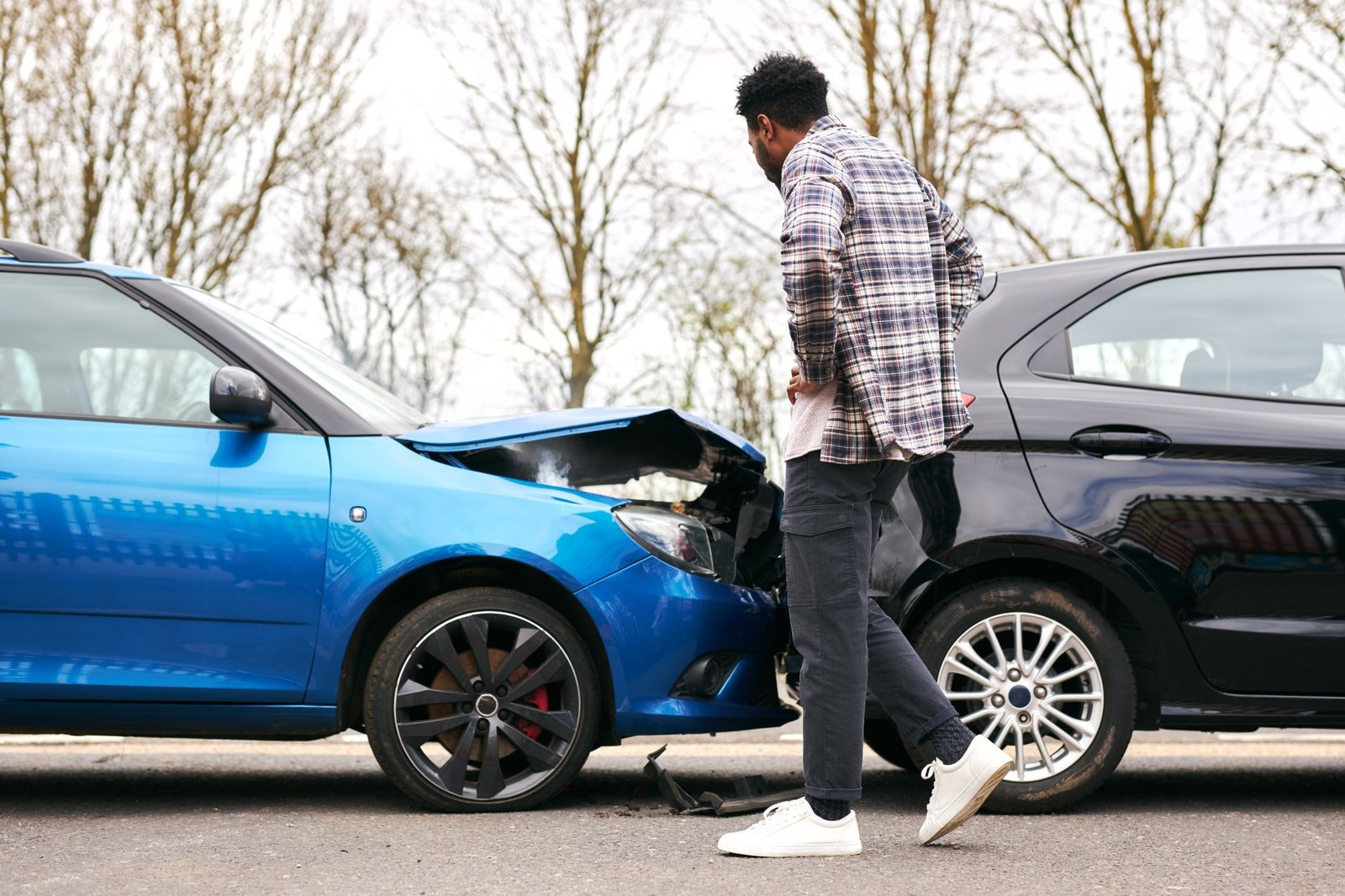
A Concussion Can Increase The Risk Of A Car Accident
Share
Facebook Twitter LinkedIn Pinterest WhatsApp Email

Researchers analyzing more than three million patients in Ontario found that even a concussion can leave permanent impairments to driving, increasing the risk of a crash far more than conditions such as sleep apnea or epilepsy.

Study: Concussion and risk of subsequent traffic accident: retrospective cohort analysis in Ontario, Canada. Image credit: Southworks/Shutterstock.com

Concussion, a form of mild traumatic brain injury, can significantly increase the risk of a subsequent motor vehicle crash, according to a new study published in BMJ Open.

Understanding concussions and driving

Road traffic accidents are a major cause of morbidity and mortality worldwide. Certain medical conditions, such as epilepsy, sleep apnea, or substance use disorder, that cause cognitive and functional impairments can potentially increase the risk of a motor vehicle crash.

Thoughtful counseling and medical care for people living with these conditions can potentially reduce traffic accidents and save lives. In some countries, policies mandate that clinicians provide safety warnings to patients who are medically unfit to drive due to functional deficits.

A concussion is a type of mild traumatic brain injury caused by a direct blow to the head. The condition is associated with temporary deficits in function after which the affected individual recovers. Symptoms sometimes last for weeks, including headaches, insomnia, dizziness, amnesia, fatigue, confusion, irritability, depression, delayed reaction time, and difficulty concentrating.

Although most people recover without long-term effects, there is still uncertainty about whether recovery is complete and whether there is no ongoing damage. Another difficulty is that one concussion can predispose patients to another concussion with further neurological consequences.

Given the potential association of concussion with neurocognitive and functional deficits, the current study aimed to investigate whether a prior concussion increases the risk of a subsequent traffic accident.

A total of 3,037,028 patients were analyzed, including 425,158 with concussion and 2,611,870 with ankle sprain (active controls). The risk of motor vehicle accidents requiring emergency medical care was compared between patients with concussion and ankle sprain.

Concussions increase the risk of a crash

The study identified a total of 200,603 patients with a concussion or ankle sprain who suffered a subsequent traffic accident during a 10-year follow-up period. This estimate equated to an absolute risk of 1 in 15 patients.

The risk of a car accident was 49% higher in patients with concussions compared to those with ankle sprains. The risk was particularly high in the first month after concussion, showing an approximately sixfold increase compared to controls.

Other factors significantly associated with an increased risk of a post-concussion traffic accident were younger age, male sex, rural home location, lower socioeconomic status, late-night driving, and alcohol abuse diagnosis.

A separate analysis that included patients with more than one concussion revealed a 73% higher risk of a traffic accident after a single concussion. 114% higher risk after two concussions. and a 124% higher risk after three strokes. However, such a strong dose-response relationship was not observed in patients with multiple ankle sprains.

Artificial intelligence (XGBoost) models were applied to adjust for potential confounders and confirmed that concussed patients still had an approximately 40% higher crash risk compared to controls, supporting the robustness of the association. “Negative control” analyzes for unrelated medical emergencies such as conjunctivitis and kidney stones showed no excess risk. Furthermore, they reported that the observed relationship between concussion and crash risk was specific and not general across all medical conditions.

Implications for safer driving

The study reveals that concussion significantly increases the risk of a subsequent motor vehicle crash, particularly during the first few weeks after a concussion. The risk is greatest after two or more concussions.

Previous simulation studies suggest that concussion is associated with specific neurological impairments that may result in reduced vehicle control, changes in driving skills, or persistent driving impairments. A study of adults reported an association between mild traumatic brain injury and abnormal driving behaviors. These impairments may contribute to the risk of a car accident.

The magnitude of concussion-related crash risk observed in the study is significantly higher than previously estimated risks associated with sleep apnea or uncontrolled epilepsy, warranting a safety warning from clinicians.

Overall, the findings of the current study suggest that current mitigation efforts are insufficient. Since driving has become an essential part of modern life, clinicians should advise concussed patients to be cautious about the increased risk of a traffic accident.

Post-concussion risks can also be reduced by effective symptom care, such as treating headaches, sleep disorders, depression, and substance abuse. Other risk mitigation strategies include temporarily reducing exposure to traffic by avoiding high-speed, long-distance road trips or late-night driving. Campaigns that raise awareness about concussion-related traffic accidents can also protect the patient and the community.

Since the causality of the observed associations could not be determined, it is possible that factors that predispose patients to concussion may also predispose patients to car accident. This possibility of reverse causation highlights that concussion is not necessarily the cause of a subsequent crash and that prioritizing concussion treatment may not necessarily improve road safety.

The presence of potential confounders makes it difficult to identify the mechanisms underlying the association between past concussion and future risk of a traffic accident. Additionally, each concussion is unique in anatomy, energy, angularity, and severity. Therefore, average risks may not apply to individual patients.

Since a concussion is often associated with impaired attention, delayed reactions, transient confusion, mood disturbances, cardiac arrhythmia, memory deficits, and sleep difficulties, future research is needed to assess neurocognitive deficits after concussion.

Download your PDF copy now!

accident car concussion increase risk
bhanuprakash.cg
healthtost
  • Website

Related Posts

Genomic screening reveals hidden risk of cancer and heart disease in young adults

January 20, 2026

30 minute dumbbell chest routine without a bench

January 19, 2026

Father’s early behavior linked to child’s heart and metabolic health years later

January 17, 2026

Leave A Reply Cancel Reply

Don't Miss
Nutrition

5 Dietitian-Approved Healthy School Snacks Kids Eat

By healthtostJanuary 20, 20260

As a registered dietitian, my snacking rules are simple: Taste comes first. The has taste…

New genetic insights reveal the role of vitamin B1 in gut health and motility

January 20, 2026

The best way to work out over 40: Build strength, muscle and shape

January 20, 2026

The Skin Barrier and Acne: Why Breakouts Are Back!

January 20, 2026
Stay In Touch
  • Facebook
  • Twitter
  • Pinterest
  • Instagram
  • YouTube
  • Vimeo
TAGS
Baby benefits body brain cancer care Day Diet disease exercise finds Fitness food Guide health healthy heart Improve Life Loss Men mental Natural Nutrition Patients People Pregnancy protein research reveals risk routine sex sexual Skin study Therapy Tips Top Training Treatment ways weight women Workout
About Us
About Us

Welcome to HealthTost, your trusted source for breaking health news, expert insights, and wellness inspiration. At HealthTost, we are committed to delivering accurate, timely, and empowering information to help you make informed decisions about your health and well-being.

Latest Articles

5 Dietitian-Approved Healthy School Snacks Kids Eat

January 20, 2026

New genetic insights reveal the role of vitamin B1 in gut health and motility

January 20, 2026

The best way to work out over 40: Build strength, muscle and shape

January 20, 2026
New Comments
    Facebook X (Twitter) Instagram Pinterest
    • About Us
    • Contact Us
    • Privacy Policy
    • Terms and Conditions
    • Disclaimer
    © 2026 HealthTost. All Rights Reserved.

    Type above and press Enter to search. Press Esc to cancel.