


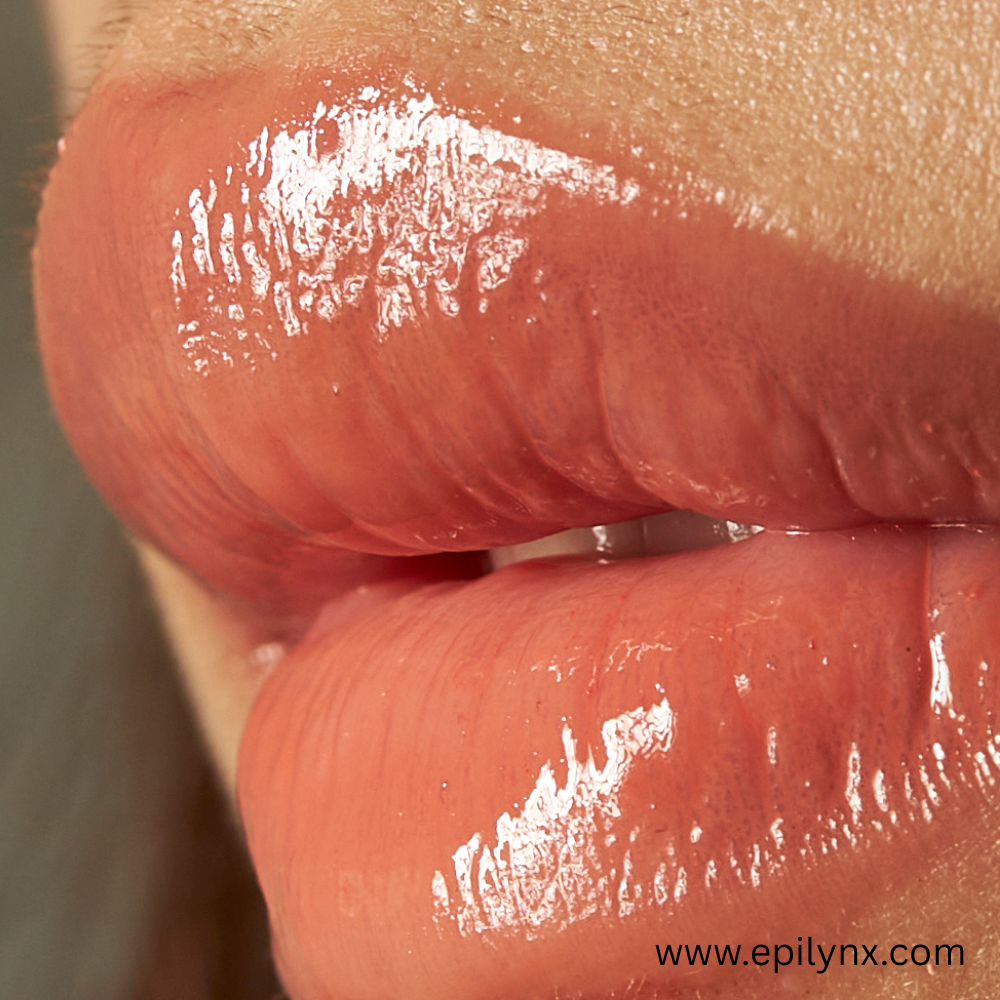
Lanolin has been used in skin care for centuries. It is derived from sheep’s wool – specifically the waxy secretion that coats the wool fibers – and is an extremely effective conditioner. Its fatty acid and sterol composition is very similar to human sebum, it penetrates the skin barrier well and has genuine healing and moisturizing properties that are difficult to reproduce synthetically.
It is also one of the most common contact allergens in skin care, with sensitization rates disproportionately high in people with eczema, leg ulcers, and skin conditions—the very populations for which it is most often prescribed or recommended.
If you have eczema and your emollient cream seems to make it worse. If your lip balm is causing chronic chapping rather than curing it. If the nipple cream recommended for breastfeeding is irritating rather than soothing. Lanolin allergy is a diagnosis worth pursuing.
What is lanolin and where does it come from?
Lanolin (also called wool wax or wool grease) is a complex mixture of esters, diesters and hydroxy esters of high molecular weight alcohols and fatty acids. It is secreted by the sebaceous glands of sheep and is collected during the wool washing process.
In its raw form, lanolin is a yellow, waxy, slightly unpleasant substance. Lanolin used in cosmetics and pharmaceuticals is refined and purified — the degree of refinement is of enormous importance for both performance and allergenicity.
The allergenic components of lanolin are primarily the lanolin alcohols (also called wool alcohols) — a fraction of the total lanolin composition that includes sterols and high molecular weight aliphatic alcohols. These are the compounds most likely to cause contact sensitization.
Who is most at risk of a lanolin allergy?
Allergy to lanolin is not evenly distributed in the population. It is significantly more common in:
People with eczema or atopic dermatitis: Both because the compromised barrier in eczema skin allows deeper penetration of allergenic proteins, and because emollient creams containing lanolin are often recommended as first-line eczema treatment — creating repeated high-concentration exposure.
People with chronic leg ulcers or venous eczema: Lanolin is widely used in wound care and emollient preparations for the management of leg ulcers. Sensitization rates in patients with leg ulcers are among the highest on record for lanolin allergy — a particularly harsh irony given how often the product is prescribed for this population.
People who frequently use lip balm: Lanolin is a classic lip balm ingredient. Frequent application to the lips – which have thinner skin than facial skin and are directly adjacent to mucous membranes – creates high-exposure contact. Chronic dermatitis of the lips (“cheilitis”) that does not go away despite using a lip balm is a red flag for lanolin allergy.
Health workers: Frequent use of hand creams and gloves containing lanolin creates occupational exposure.
Allergy to lanolin in breastfeeding products
This is a specific and emotionally charged scenario that deserves immediate attention: nipple creams for breastfeeding are one of the most common products containing lanolin, and lanolin allergy that develops during breastfeeding is a recognized clinical phenomenon.
Lanolin-based nipple creams (the world’s most famous brand is Lansinoh, which uses high-purity anhydrous lanolin) are recommended by lactation consultants and midwives around the world. For most people, they are effective and safe. For a smaller group, they cause or worsen nipple dermatitis—creating a situation where something prescribed for pain relief causes additional pain and inflammation.
If you experience persistent nipple pain or dermatitis while breastfeeding despite using a nipple cream, the problem may be the cream itself. There are lanolin-free alternatives — coconut-free and fragrance-free options based on sunflower oil or shea butter.
The Cleansing Question: Does Ultra-Refined Lanolin Still Cause Allergy?
Some lanolin products – including Lansinoh – use high purity anhydrous lanolin that has been refined to remove or significantly reduce the fraction of lanolin alcohol (wool alcohol) responsible for sensitization. The claim is that ultra-purified lanolin is hypoallergenic.
Clinical evidence supports this to some extent – highly purified lanolin has a lower sensitization rate than raw or partially refined lanolin. However, it is not zero. Sensitization to ultrapurified lanolin has been documented in the dermatological literature, and for someone already sensitized to lanolin alcohols, even highly purified lanolin can cause a reaction.
The practical guideline: ultra-purified lanolin is a lower-risk form of lanolin, not a risk-free form. For people who have already developed a lanolin allergy, avoiding all forms is the conservative and usually recommended approach.
How to identify lanolin on labels
Lanolin appears under many names in cosmetic formulations:
Direct lanolin derivatives:
- Lanolin
- Anhydrous lanolin
- Wax wool
- Lanolin
- Adeps Lanae (the INCI Latin name for lanolin)
- Lanolin (the liquid fraction of lanolin)
- Lanolin wax (the solid fraction)
Lanolin alcohols (the main allergenic fraction):
- Lanolin Alcohol
- Wool spirit
- Laneth-5, Laneth-10, Laneth-16 (ethoxylated lanolin alcohols — reduced allergy risk but still derived from lanolin)
- Acetylated lanolin alcohol
Processed lanolin derivatives (variable allergy risk — lower than raw lanolin but not zero):
- Acetylated lanolin
- Ethoxylated lanolin (the “Laneth-” series)
- Hydrogenated Lanolin
- Isopropyl lanolate
- PEG-75 Lanolin (used as a humectant)
The safest approach for a person with a confirmed lanolin allergy is to avoid all forms—including processed and ethoxylated derivatives—unless advised otherwise by a dermatologist.
Products most likely to contain lanolin
- Lip balms and lip treatments — one of the most prevalent lanolin product categories
- Hand creams and intensive moisturizers — especially those marketed for “very dry”, “cracked” or “working hands”
- Nipple creams for breastfeeding — see above
- Medicated emollient creams — including those prescribed for eczema, psoriasis and leg ulcers
- Eye creams and eyelid treatments — Lanolin is used in some eye preparations and products for the eye area
- Mascara and eyeliner — Lanolin wax appears in some eyeliner and mascara formulations as a softening and film-forming ingredient
- Baby skin care — especially “barrier” creams and diaper rash preparations
- Some foundations and liquid makeup — as a skin-feeling emollient
Safe alternatives to lanolin
The good news is that there are great conditioner options without lanolin:
For lip care:
- Shea butter (very low allergy risk)
- Candelilla candle (vegetable, hypoallergenic)
- Carnauba wax (derived from palm trees, well tolerated)
- Sunflower oil
- Squalane
For intensive skin hydration:
- White soft paraffin (petroleum jelly) — one of the most effective emollients. virtually no risk of allergens
- Glycerin – excellent humectant
- Ceramide-based creams — barrier repair without lanolin
- Compositions based on sunflower oil
For wound care and damaged skin:
- Medical grade petroleum jelly
- Emollients based on sunflower oil (well proven for eczema)
EpiLynx is completely lanolin-free — using glycerin, squalane and ceramides for softness, not wool-derived ingredients. Free of lanolin in all forms and the 14 most common contact allergens.
Get an official diagnosis
The patch test for lanolin allergy uses lanolin alcohol (wool alcohol) as the standard test substance in the European standard patch test series. A positive reaction at 48 and/or 96 hours confirms sensitization. If you suspect a lanolin allergy, a formal patch test is recommended because:
- Confirmed allergy means avoiding lanolin in pharmaceuticals and wound care products, not just cosmetics
- Prevents continuous exposure over years and worsening sensitization
- It opens up appropriate treatment options if lanolin was in a prescription emollient used for eczema
EpiLynx is completely lanolin-free and free of the 14 most common contact allergens — designed for the skin conditions that make lanolin both commonly prescribed and commonly problematic. Take the Skin Quiz at epilynx.com for your personalized lanolin-free routine.
