Scroll through social media and you’ll see posts about the Pilates vs. Weightlifting debate. One side promises long, lean muscles and perfect posture. The other swears by lifting weights for metabolism, bone health and strength.
But after more than 35 years of training women at every stage of life, here’s what I know for sure:
You don’t have to choose.
And honestly? It shouldn’t.
Pilates and weightlifting are not rivals, they are partners. When carefully combined, they create a body that is strong, mobile, durable and built to last. And for women in midlife, this combination can be a game changer.
As I always say: Fitness is medicine and the best medicine is balanced.
Pilates and weightlifting: not opposites, but complementary
One of the biggest myths in fitness is that you have to commit to a “style” of training. But the body doesn’t work in silos and neither should your workouts.
Here’s how I explain it to my clients:
- Pilates teaches you how to move well
- Lifting weights teaches you how to move more
Together, they build strength from the inside out.
What Pilates does best
Pilates trains the muscles that support your spine, hips and shoulders – the ones that protect you during everyday life and during strength training.
Pilates focuses on:
- Core stability and deep abdominal strength
- Rational alignment
- Breath awareness
- Controlled, functional movement
- Joint-friendly mobility
What Weightlifting does best
Strength training offers:
- Increased muscle mass
- Stronger bones (critical after 40!)
- Improved insulin sensitivity and metabolism
- Greater strength and confidence
- Protection against age-related muscle loss
This is even more important during perimenopause and menopause, when hormonal changes naturally challenge muscle and bone health.
Combine them and you have a training approach that supports strength, mobility, balance, posture and long-term independence.
This is the sweet spot.
Why Pilates makes you a better exerciser
If you’ve ever felt wobbly in a squat, strained your back during a deadlift, or struggled with balance during a lunge, Pilates can help.
At the heart of Pilates is core stability, and I don’t mean core. I mean the deep stabilizing muscles:
- Transverse abdomen
- Pelvic floor
- Multifidus
- Deep hip stabilizers
These muscles act like your body’s internal support system.
When they are strong:
- You are better supported during lifts
- Your spine remains protected
- Your form is improving
- The risk of injury is reduced
Pilates also improves proprioception—the awareness of your body in space. This awareness helps you:
- Maintain alignment
- Control the pace
- Move through full, safe ranges of motion
All of these are essential when lifting weights, especially as joints become more sensitive with age.
Pilates also improves mobility. Mobility is what allows strength to feel good instead of stiff or painful.
When women commit to mobility, I consistently see:
- Less joint pain
- Better posture
- Improved balance
- More confidence lifting weights
- Workouts that energize instead of exhaust
Why lifting weights makes you better at Pilates
The relationship works both ways.
While Pilates improves your movement, lifting weights empowers you to express it fully.
With more muscles:
- You can hold Pilates positions longer
- Move with more control and power
- Advanced exercises feel accessible rather than frustrating
Equally important, muscle mass is one of the strongest predictors of healthy aging. The:
- Supports metabolic health
- Protects the joints
- Reduces the risk of falling
- Helps maintain independence
This is why I am such a strong advocate of women lifting weights — especially in middle age. Muscles have nothing to do with aesthetics. It’s about freedom.
How to Combine Pilates and Strength Training (Without Overdoing It)
You don’t need extreme workouts or endless gym time to benefit from both.
Here’s a realistic, sustainable approach I recommend:
Aim for 5 days of strength
You don’t have to do Pilates and lifting every day. A balanced week might look like:
- 2-3 strength training sessions
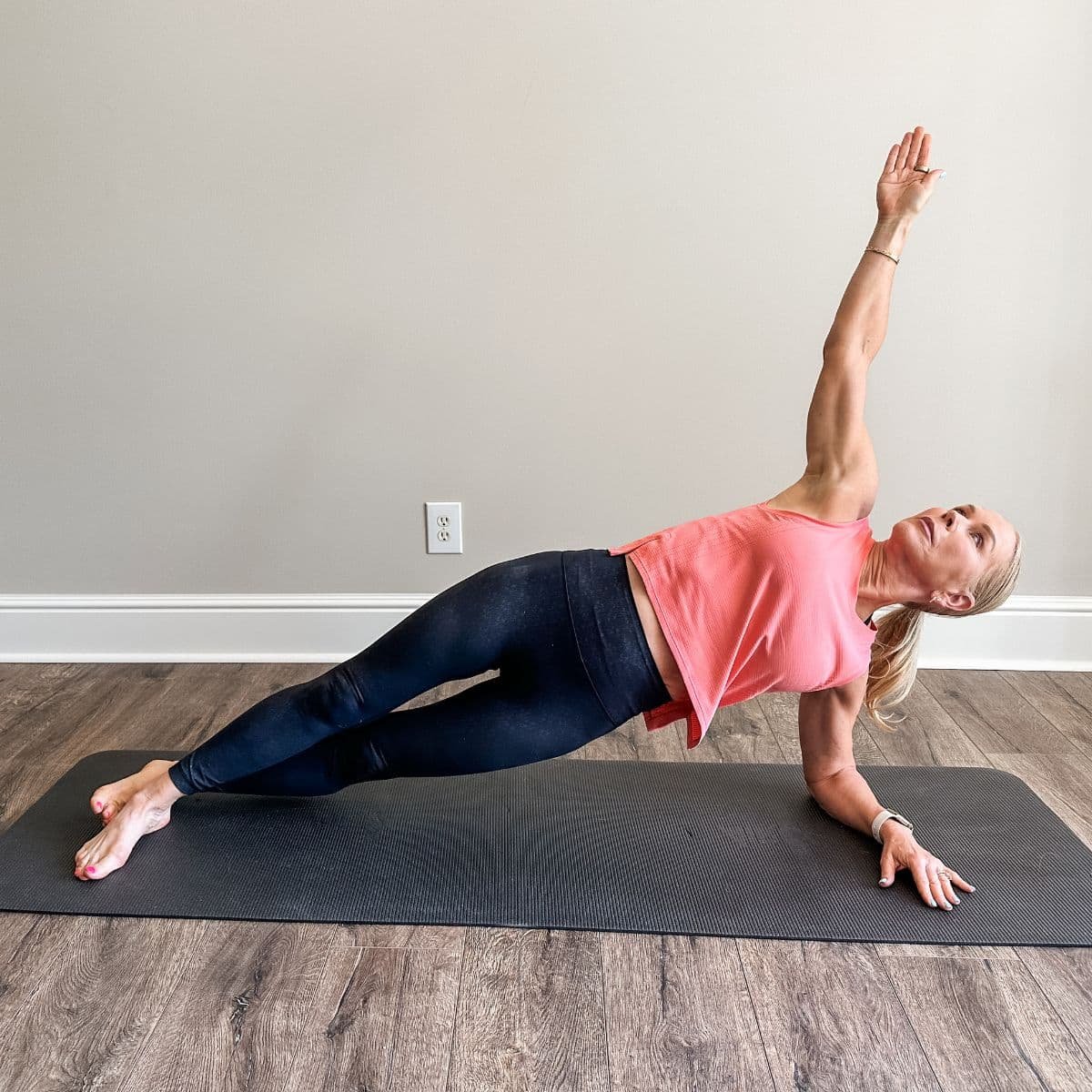
- 1-2 Pilates or mobility-focused sessions (Keep scrolling for Pilates workouts to get started!)
Listen to your body and adjust as needed.
Use Pilates as Active Recovery
On days when lifting causes you pain, Pilates can:
- Increase blood flow
- Improve mobility
- Reduce stiffness
- Help you recover faster
It’s the movement that supports your training, not in competition with it.
Focus on Form
Whether you’re on the mat or holding dumbbells:
- Quality beats quantity
- Alignment matters
- Progress gradually
If you are new to either method, learning the proper technique is well worth the investment.
Prioritize Recovery
Strength and Pilates place demands on your body. Support your workouts with:
Remember: Progress happens when the body recovers.
“But I don’t have time” – Let’s talk about reality
One of the biggest obstacles I hear from women is time. And I get it — busy schedules, family responsibilities, work and life add up.
Here is my honest opinion:
You don’t need perfect workouts.
You need steady movement.
I encourage women to:
- Adapt the movement to the “cracks” of the day
- Let go of the “all or nothing” mentality.
- Stop waiting for the perfect 60 minute window
Ten minutes of Pilates in the morning.
A power short later in the day.
A longer session when time permits.
Small steps add up.
Your body responds to frequency, not perfection.
The long-term payoff: Power that lasts a lifetime
At this stage in life, fitness is not about punishment or chasing ends. It’s about building a body that supports you now and in the future.
As we grow older, priorities change:
- From aesthetics to longevity
- From intensity to sustainability
- From pushing harder to training smarter
The combination of Pilates and weight lifting gives you:
- Power for everyday life
- Mobility for healthy joints
- Balance for confidence
- Resilience for what comes next
This is the kind of fitness that lasts.
You don’t have to choose between Pilates and weightlifting.
The smartest training programs include both.
When you combine the muscle-building benefits of strength training with the alignment, core stability, and mobility of Pilates, you create a routine that’s effective, joint-friendly, and sustainable, especially for women in their 40s and 50s.
Move well. Move hard. Move for life.
And remember: Listen to your body. Be consistent. And always choose joy in movement.
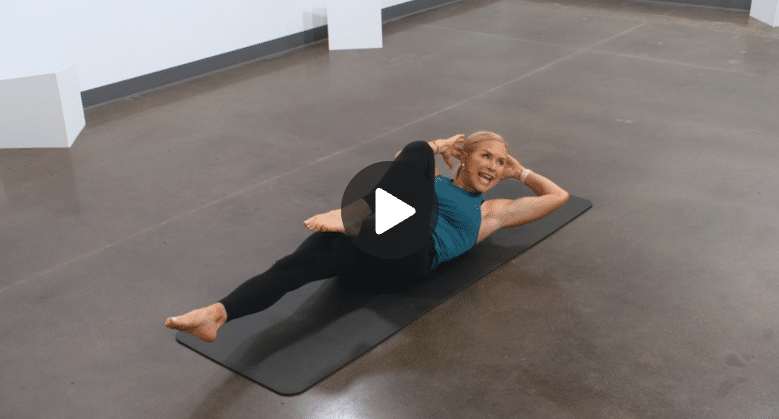
Get started with our free 10-minute Pilates workout
If you have ten minutes, you can do this 10 minute Mat Pilates workout. These mindful Pilates-inspired moves will help you engage more core muscles than you would with plain old crunches.