


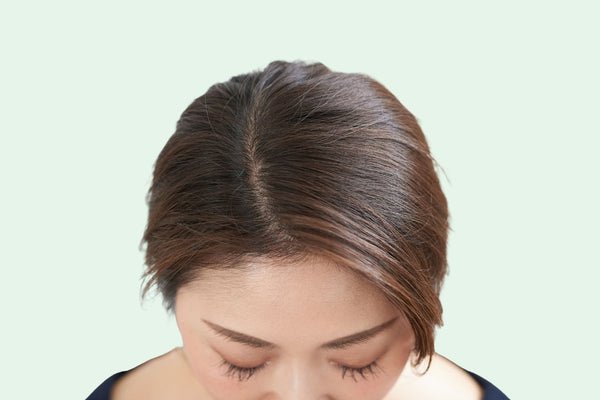
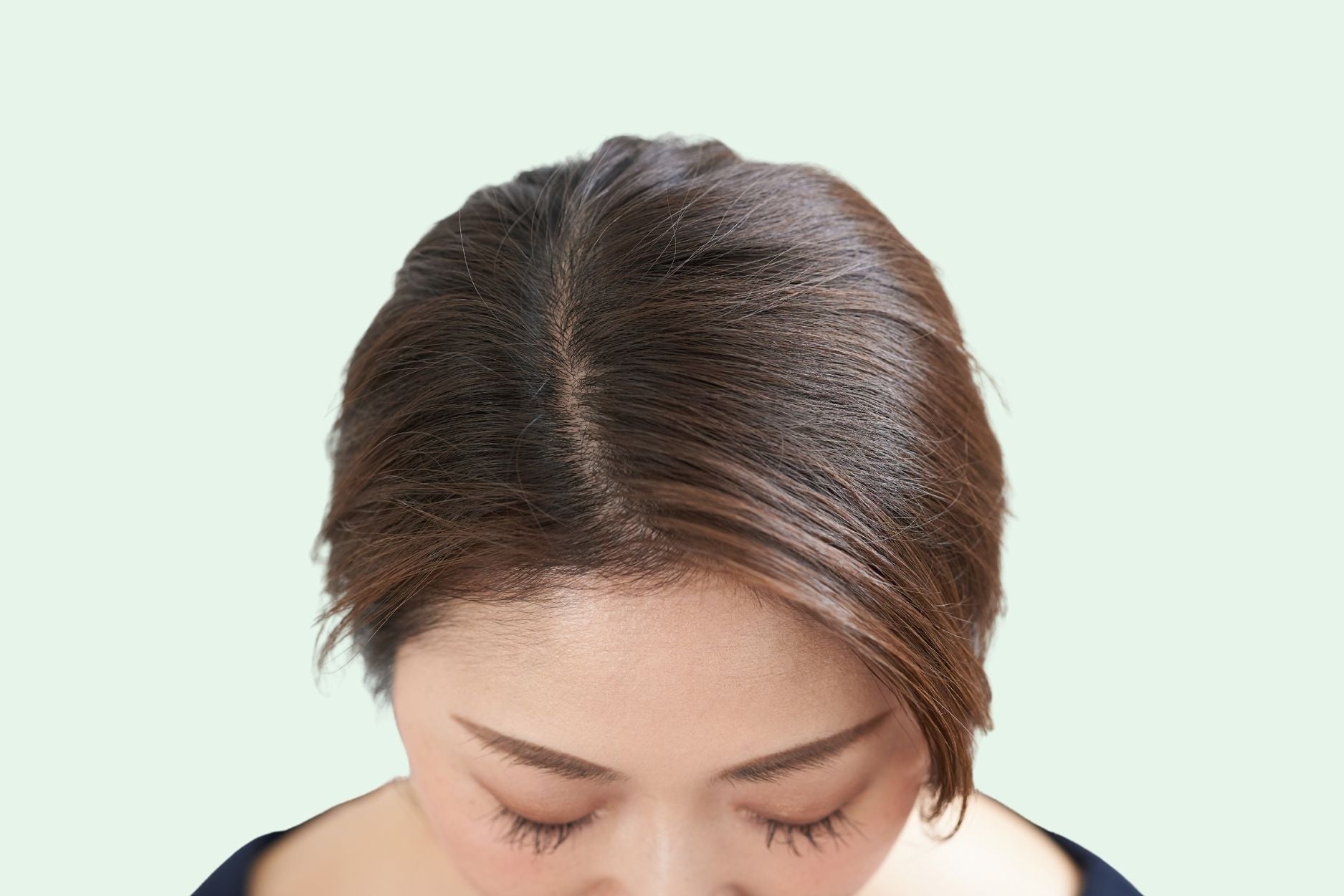
Your scalp tends to be a part of your body that you pay very little attention to.
And yet it is the foundation for healthy, happy hair.
You see, your scalp is an extension of your skin, with thousands of sebaceous glands, hair follicles and sweat glands.
When your scalp is healthy (just like the healthy soil of a garden bed), hair follicles can flourish and produce strong, luscious locks. On the other hand, a sensitive scalp can lead to all kinds of hair woes (aka, weeds!).
What causes a sensitive scalp?
There are many different causes of a sensitive scalp, including an unhealthy lifestyle, not-so-good hair habits, skin conditions such as seborrheic dermatitis, scalp psoriasis, eczema, and reactions to hair products.
Aging is another factor.
Your scalp ages just like the rest of your skin. Aging skin tends to lose its ability to form an oily protective barrier (called an acid mantle) on the surface of the skin. This barrier is very important because it keeps all the good stuff in and moisture and the bad stuff out.
If your scalp’s protective barrier is damaged, you can face all kinds of drama – itchiness, redness, dandruff and brittle, dry or thin hair. Who knew our skulls could be such divas?
Other causes of a sensitive scalp can be a bit more serious and may require an appointment with a medical professional to help clear them up.
Understand your scalp type
Just like there are different skin types, there are different scalp types.
To better understand scalp care and plan a routine to keep sensitivity at bay, you need to understand what type of scalp you have.
The three dogs of the sensitive scalp:
1. DRY HAIR
If you have irritated skin on your scalp and/or are constantly scratching your head and shedding more flakes than a pastry chef, you may be dealing with a dry scalp. This happens when your pH levels are too high and your scalp produces less sebum. This can disrupt the scalp’s protective barrier, making it harder to fight pesky bacteria and other skin conditions. A dry scalp needs moisture to restore its protective barrier and keep flaking, itching and breakage at bay.
2. OILY COAT
If your hair is greasy enough to fry an egg on it after a few days of washing it, then you may have an oily scalp. When your sebaceous glands go into overdrive, producing more sebum (your skin’s natural oil) than it needs, your hair becomes a magnet for dirt and grime, often leading to dandruff. And then there’s the microbe, Malassezia Globosa, which loves to party on an oily scalp by producing more oleic acid in response to the extra sebum. This causes even more irritation, causing your scalp to flake off to get rid of the irritant, which can cause dandruff and sensitivity. Therefore, an oily scalp requires a hair routine that balances sebum production, fights dandruff and reduces itchy scalp all-in-one.
3. COMBINED HAIR
Combination scalps are tough! It’s when you have greasy roots and dry, frizzy ends, making your hair feel like a science experiment gone wrong. This is due to overactive sebaceous glands and poor scalp conditions, preventing your hair from getting the essential oils it needs to thrive. Combination scalps need shampoos and conditioners that will gently cleanse your scalp and moisturize your follicles at the same time, helping to maintain a good pH of around 5.5 and balancing your scalp microbiome with good bacteria.
And if I don’t have Any of these scalp types?
Congratulations! You probably have a normal scalp, which is the MVP of the hair game. It’s the perfect foundation for gorgeous, healthy strands and has just the right amount of sebum and an ideal pH level. Chances are you don’t have a sensitive scalp, so you can skip the tips below. Oh, you’re lucky.
How to take care of your sensitive scalp
Fortunately, just like you used to treat sensitive skin, making some adjustments can help stop scalp sensitivity.
Here are some not-too-difficult changes that all scalp types can benefit from.
Wait for the hot showers
Sure, soaking in a hot bath or standing under a hot shower might be relaxing, but it’s not the best for your skin – or your scalp. You heat the moisture from your skin leaving it dry, tight and maybe even a little itchy (not great if you have a dry scalp!). So turn that dial down and opt for lukewarm water instead.
Avoid harsh products and excessive washing
The biggest culprits for scalp sensitivity are hair products. Yes, your new hairspray may make your hair look super shiny, but your scalp is crying out for mercy. There are many common hair care ingredients that can actually irritate an already sensitive scalp. Regular offenders include parabens, phthalates, dyes, fragrance and some alcohols (although fatty alcohols in hair care are fine!).
Strong cleansing agents (such as sodium laureth sulfate and sodium laurel sulfate, eg SLS/SLES) are not ideal for sensitive skin either, as they can over-wash your hair and strip the scalp of its natural protective oils and strengthening proteins. So, if possible, switch to a sulfate-free shampoo and conditioner like these.
Avoid product build-up
If you’re a fan of dry shampoo or any styling product, listen up! Overuse of hair products can quickly cause a build-up of residue, which can lead to clogged pores, itching and sebum build-up. Excess sebum on the scalp can lead to fungal growth as the sebum and dead skin cells have nowhere to go with the product layer that builds up, causing the scalp to become dry and flaky, leading to sensitivity and irritation . The best way to avoid this is to wash your hair (with a gentle shampoo) often enough to reduce the amount of build-up that builds up over time. But do not overdo it!
Neat styling
Excessive straightening, heat styling and chemical treatments can cause dryness and irritation to your scalp. So, hold on to the blow dryer and step away from the straightener. Your best bet is to let your hair dry naturally if you can. Be extra gentle when brushing your hair as well. Pulling knots and tangles will put pressure on your scalp.
While your choice of hairstyle may not be the first thing that comes to mind when dealing with scalp sensitivity, it can add to your annoyance. Tight styling techniques like super high ponytails and updos that require a trillion bobby pins to stay in place are likely to put stress on your strands and scalp. Be gentle with your tresses and opt for a loose style like a low bun or a ‘clean’ ponytail. You never know, laid-back style might just be your new ‘cream!’
Check your diet
It’s not just your hair habits – what you eat can also play a major role in scalp sensitivity. An unbalanced diet lacking in nutrients can cause your hair to become dull and limp as well as cause scalp problems.
To support your hair and scalp health, be sure to eat a diet that is colorful and varied. Think of it as a party for your tummy! Eat foods full of vitamins A, C, D and E, zinc, B vitamins, iron, biotin, protein and essential fatty acids are essential for scalp health. Brazil nuts, avocados, and berries are all great (and delicious!) options. Eggs and oily fish are also great options if you’re not vegan.
When you’re healthy on the inside, you’re much more likely to be healthy on the outside — and that includes your skin and hair.
Less stress (if you can!)
Stress is another big factor that can affect our overall well-being, and therefore your skin (which includes the skin of your core). How come? Well, stress boosts the body’s cortisol (stress hormone) levels and this directly affects hair follicle function. But stress can also affect the nervous system and cause the skin — including the scalp — to itch and burn. Jeez, if you were looking for an excuse to book a relaxing massage, now you have one. It’s all in the name of scalp wellness!
Invest in the best products for your scalp.
Us Respect My Roots Natural Shampoo and Conditioner. are purposefully formulated to promote hair and scalp health, without the ingredients that aggravate sensitive scalps.
Our formulas leave out your usual shady characters (sulfates, parabens, artificial fragrances and colors) and are gentle on sensitive scalps – dry, oily and combination – so they won’t leave you with crazy itches or irritations.
Enriched with amino acids and hydrating identical skin conditioners, they maintain moisture levels and help prevent dryness so your hair and scalp feel happy and oh-so-healthy!
Remember, a healthy scalp = healthy hair. Follow these tips and you’ll be on your way to peak glory in no time!
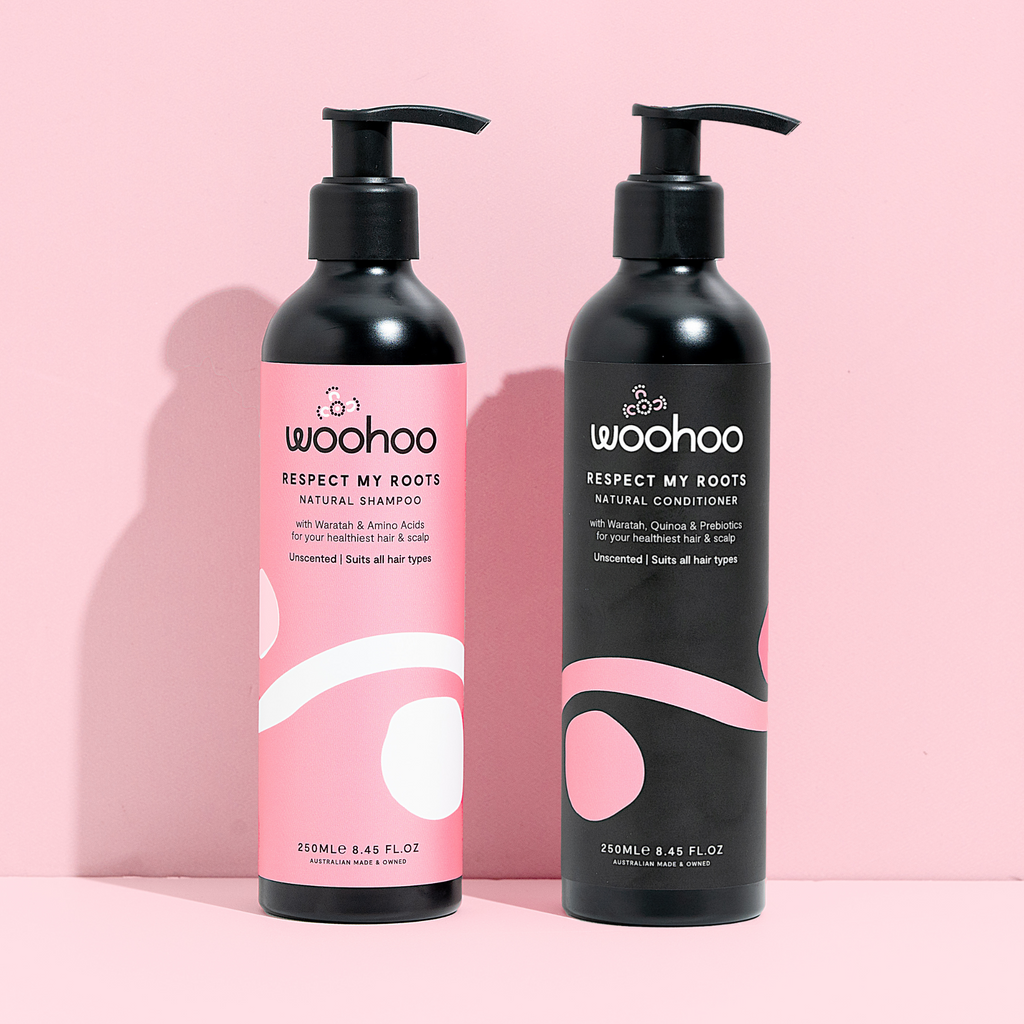
“Respect My Roots” natural shampoo and conditioner pack.
$55.90
SHOP NOW
