

Close Menu
Healthtost
  • News
  • Mental Health
  • Men’s Health
  • Women’s Health
  • Skin Care
  • Sexual Health
  • Pregnancy
  • Nutrition
  • Fitness
  • Recommended Essentials
What's Hot

Because cooling potatoes reduces their glycemic load

April 12, 2026

Inside The OPEX Method Mentorship: A Coach’s POV with Dr David Skolnik (Week 1)

April 12, 2026

Genetic variations may reduce the effectiveness of popular diabetes drugs

April 12, 2026
Facebook X (Twitter) Instagram
  • About Us
  • Contact Us
  • Privacy Policy
  • Terms and Conditions
  • Disclaimer
Facebook X (Twitter) Instagram
Healthtost
SUBSCRIBE
  • News

    Genetic variations may reduce the effectiveness of popular diabetes drugs

    April 12, 2026

    Europe faces increasing health threats from fossil fuel dependence

    April 12, 2026

    Brain pathways combine memory and reward to guide behavior

    April 11, 2026

    New research leads to increased understanding of longevity gains in the United States

    April 11, 2026

    University of Cincinnati begins clinical trial to test new drug for prosthetic joint infections

    April 10, 2026
  • Mental Health

    Understanding the different types of treatment: C…

    April 10, 2026

    How does Medicare’s new Mental Health Check In work? Is this low-intensity CBT likely to help?

    April 10, 2026

    the surprisingly common condition with a scary name

    April 6, 2026

    How yoga helps heal emotional wounds

    April 4, 2026

    Will medicinal cannabis help my mental health? Here are the facts and the risks

    April 1, 2026
  • Men’s Health

    Traveling by plane with BPH

    April 9, 2026

    30 Minute Kettlebell Full Body Workout for Over 50

    April 9, 2026

    The study shows that male depression is not just a pattern of men’s mental health

    April 7, 2026

    Dr. Jason Snibbe: Men’s health from a doctor who does it the right way

    April 6, 2026

    Coping with sexual health and erectile dysfunction as a couple

    April 3, 2026
  • Women’s Health

    Beyond fitness: Why exercise is vital to improving cardiovascular health

    April 12, 2026

    5 ways to put your health dollars to work this spring

    April 11, 2026

    “Fueling the Fight” — Nutrition during and after cancer treatment

    April 11, 2026

    Navigating the Void of Intimacy – Vuvatech

    April 10, 2026

    Midlife Weight Gain Isn’t Just Willpower: Understanding Your Second Adolescence With WONDERBIOTICS

    April 8, 2026
  • Skin Care

    Why Your Skin Barrier Is The Most Important Thing You’re Ignoring – Lifeline Skin Care

    April 12, 2026

    Spa Los Angeles: Best Services to Book for Real Results

    April 12, 2026

    Spring skincare: Why your skin needs more support, not less

    April 11, 2026

    How to reduce skin redness | Skin care routine for skin prone to redness

    April 10, 2026

    The dreamiest nighttime skin care routine step by step

    April 10, 2026
  • Sexual Health

    Endometriosis procedures are reimbursed at lower rates, doctors say

    April 8, 2026

    Reflections two years later in a global context < SRHM

    April 8, 2026

    Can exercise improve HIV symptoms?

    April 7, 2026

    An Introduction to the Kink Literature Database — Sexual Health Alliance

    April 6, 2026

    No, abortion pills do not poison your drinking water

    April 1, 2026
  • Pregnancy

    Serious maternal complications affect nearly 3 per cent of pregnancies, Ontario study finds

    April 11, 2026

    Third Trimester Nutrition Guide for Indian Moms

    April 10, 2026

    How your partner can support a happier pregnancy

    April 9, 2026

    Exposure to plastic during pregnancy may be linked to more premature births than expected

    April 4, 2026

    How to relieve numbness and tingling in the legs in the third trimester?

    April 3, 2026
  • Nutrition

    Because cooling potatoes reduces their glycemic load

    April 12, 2026

    The mind-body connection of fertility

    April 12, 2026

    Greens that make you glow: The detox-hormone connection

    April 11, 2026

    Recovery Movement: How to Exercise While Fat

    April 10, 2026

    Pediatric neurology and therapeutic carbohydrate restriction

    April 9, 2026
  • Fitness

    Inside The OPEX Method Mentorship: A Coach’s POV with Dr David Skolnik (Week 1)

    April 12, 2026

    Active summer camps that build healthy lifelong habits in 6 US states

    April 12, 2026

    Bridging Clinical and Community Care

    April 10, 2026

    5 pull-up alternatives to build upper body strength and correct weaknesses

    April 9, 2026

    Best Health & Fitness Certifications (My Favorites After 17+ Years in the Industry)

    April 6, 2026
  • Recommended Essentials
Healthtost
Home»News»Study shows antipsychotic drugs increase health risks in dementia patients
News

Study shows antipsychotic drugs increase health risks in dementia patients

healthtostBy healthtostApril 19, 2024No Comments5 Mins Read
Facebook Twitter Pinterest LinkedIn Tumblr Reddit WhatsApp Email
Study Shows Antipsychotic Drugs Increase Health Risks In Dementia Patients
Share
Facebook Twitter LinkedIn Pinterest WhatsApp Email

In a recent British Medical Journal study, researchers are evaluating side effects associated with the use of antipsychotic drugs in people with dementia.

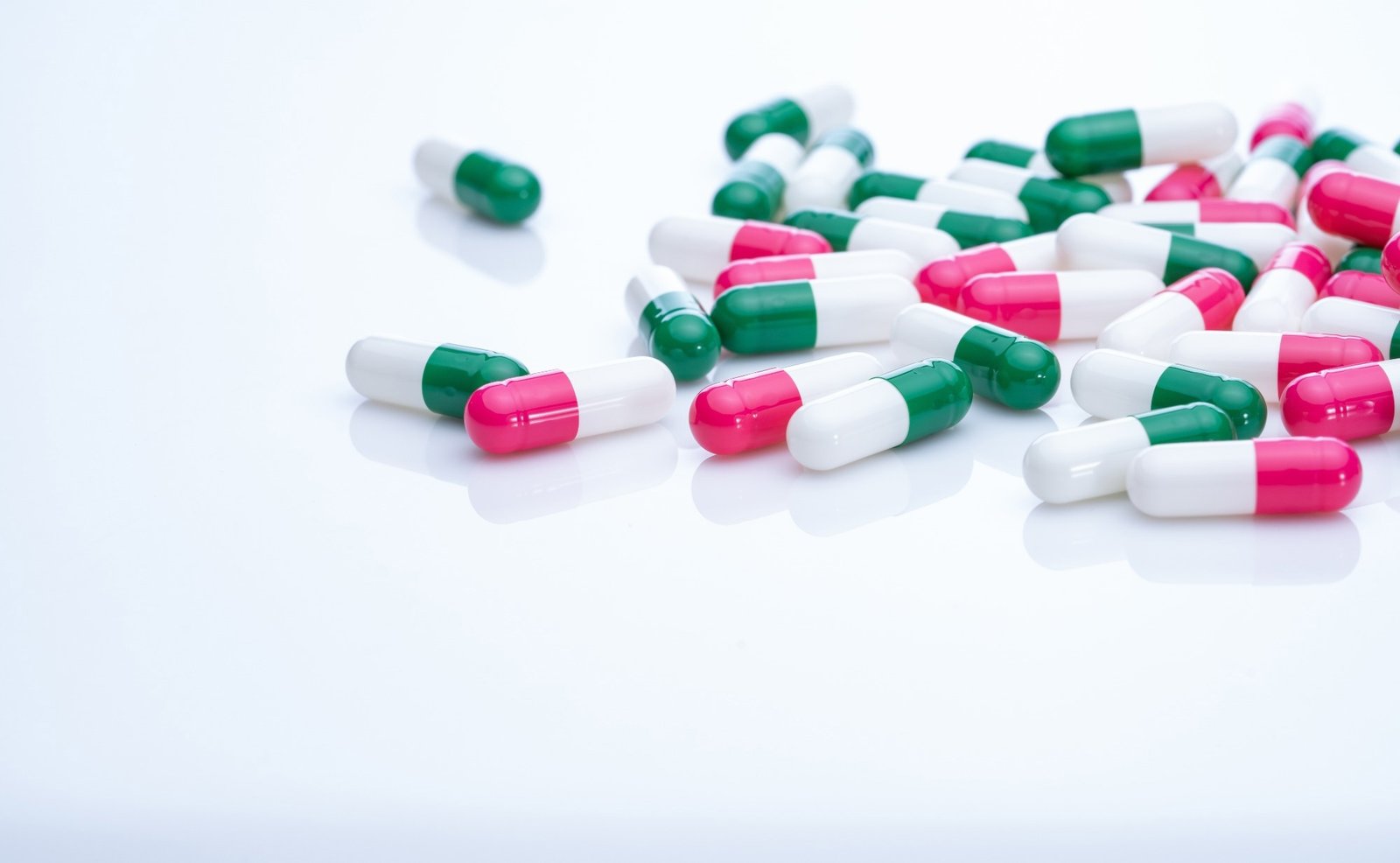
Study: Multiple adverse events associated with antipsychotic use in people with dementia: a population-based matched cohort study. Image credit: Fahroni / Shutterstock.com

The role of antipsychotics in the management of dementia

People diagnosed with dementia experience functional disability and progressive cognitive decline. Some common psychological and behavioral symptoms of dementia include anxiety, depression, apathy, aggression, delirium, irritability, and psychosis.

To manage the psychological and behavioral symptoms of dementia, patients are usually treated with antipsychotics. The UK National Institute for Health and Care Excellence currently recommends the use of antipsychotics only when non-pharmacological interventions are ineffective in alleviating the behavioral and psychological symptoms of dementia. However, there has been an increase in the use of antipsychotics during the recent coronavirus disease 2019 (COVID-19) pandemic, which has been attributed to containment measures and the unavailability of non-pharmacological treatments.

In the UK, risperidone and haloperidol are the only antipsychotics approved for the treatment of behavioral or psychological symptoms of dementia. In 2003, the United States Food and Drug Administration (FDA) highlighted the risks, including stroke, transient ischemic attack, and mortality, associated with the use of risperidone in older adults with dementia.

Based on many study reports, regulatory guidelines have been formulated in the UK, USA and Europe to reduce the inappropriate prescribing of antipsychotics for the treatment of behavioral and psychological symptoms of dementia. To date, few studies have provided evidence of the association between antipsychotic drug prescription in older adults with dementia and risks of multiple diseases, including myocardial infarction, venous thromboembolism, ventricular arrhythmia, and acute kidney injury.

About the study

The current study investigated the risk of adverse outcomes associated with antipsychotics in a large cohort of adults with dementia. Some adverse outcomes examined in this study were venous thromboembolism, stroke, heart failure, ventricular arrhythmia, fracture, myocardial infarction, pneumonia, and acute kidney injury.

Over 98% of the UK population is registered with a National Health Service (NHS) Primary Care General Practice. All relevant data were collected from electronic health records held in the Clinical Practice Research Datalink (CPRD), which is associated with more than 2,000 general practices. The CPRD includes the Aurum and GOLD databases, which can be considered to be broadly representative of the UK population.

People over the age of 50 and diagnosed with dementia were selected. Importantly, none of the study participants were under antipsychotic intervention in the year prior to their diagnosis.

The researchers used a cohort-matching design, in which every patient who used antipsychotics after their initial diagnosis of dementia was matched using the incidence density sampling method. This method looked at up to 15 randomly selected patients who were diagnosed with dementia on the same date but were not prescribed antipsychotic medication.

Antipsychotics increase the risk of adverse effects in patients with dementia

Across both groups, the mean age of participants was 82.1 years. A total of 35,339 participants were prescribed an antipsychotic during the study period.

The mean number of days between the first diagnosis of dementia and the date of the first antipsychotic prescription was 693.8 and 576.6 days for Aurum and GOLD, respectively. The most commonly prescribed antipsychotics were risperidone, haloperidol, olanzapine and quetiapine.

The current population-based study revealed that adults with dementia who were prescribed antipsychotics were at greater risk of venous thromboembolism, myocardial infarction, stroke, heart failure, pneumonia, fracture, and acute kidney injury than nonusers. This observation was based on the analysis of 173,910 adults with dementia selected from both databases.

The increased risk of adverse outcomes was more prevalent among current and recent users of antipsychotic medications. After 90 days of antipsychotic use, the risk of venous thromboembolism, pneumonia, acute kidney injury and stroke was higher than non-users. However, antipsychotic drugs did not affect the risk of ventricular arrhythmia, appendicitis, and cholecystitis.

Compared with the use of risperidone, haloperidol was significantly associated with an increased risk of pneumonia, fracture, and acute kidney injury. Although the adverse effects of haloperidol were higher than quetiapine, no significant differences were observed between risperidone and quetiapine for the risk of fracture, heart failure, and myocardial infarction. The risk of pneumonia, stroke, acute kidney injury and venous thromboembolism was lower for quetiapine compared to risperidone.

conclusions

The current study highlights how antipsychotic drugs affect older people with dementia. The use of these drugs was associated with many serious adverse outcomes, including stroke, acute kidney injury, pneumonia, venous thromboembolism, heart failure, and myocardial infarction.

In the future, these risks should be considered, along with stroke and mortality, when making regulatory decisions about the use of antipsychotic drugs to treat dementia in older adults.

Journal Reference:

  • Mok, LHP, Carr, MJ, Guthrie, B., et al. (2024) Multiple adverse outcomes associated with antipsychotic use in people with dementia: a population-based matched cohort study. BMJ. doi:10.1136/bmj.2023.076268
antipsychotic dementia drugs health increase Patients Risks shows study
bhanuprakash.cg
healthtost
  • Website

Related Posts

Genetic variations may reduce the effectiveness of popular diabetes drugs

April 12, 2026

Europe faces increasing health threats from fossil fuel dependence

April 12, 2026

Beyond fitness: Why exercise is vital to improving cardiovascular health

April 12, 2026

Leave A Reply Cancel Reply

Don't Miss
Nutrition

Because cooling potatoes reduces their glycemic load

By healthtostApril 12, 20260

If you eat potatoes when they are cold, as in potato salad, or frozen and…

Inside The OPEX Method Mentorship: A Coach’s POV with Dr David Skolnik (Week 1)

April 12, 2026

Genetic variations may reduce the effectiveness of popular diabetes drugs

April 12, 2026

Why Your Skin Barrier Is The Most Important Thing You’re Ignoring – Lifeline Skin Care

April 12, 2026
Stay In Touch
  • Facebook
  • Twitter
  • Pinterest
  • Instagram
  • YouTube
  • Vimeo
TAGS
Baby benefits body brain cancer care Day Diet disease exercise finds Fitness food Guide health healthy heart Improve Life Loss Men mental Natural Nutrition Patients People Pregnancy research reveals risk routine sex sexual Skin Skincare study Therapy Tips Top Training Treatment ways weight women Workout
About Us
About Us

Welcome to HealthTost, your trusted source for breaking health news, expert insights, and wellness inspiration. At HealthTost, we are committed to delivering accurate, timely, and empowering information to help you make informed decisions about your health and well-being.

Latest Articles

Because cooling potatoes reduces their glycemic load

April 12, 2026

Inside The OPEX Method Mentorship: A Coach’s POV with Dr David Skolnik (Week 1)

April 12, 2026

Genetic variations may reduce the effectiveness of popular diabetes drugs

April 12, 2026
New Comments
    Facebook X (Twitter) Instagram Pinterest
    • About Us
    • Contact Us
    • Privacy Policy
    • Terms and Conditions
    • Disclaimer
    © 2026 HealthTost. All Rights Reserved.

    Type above and press Enter to search. Press Esc to cancel.