

Close Menu
Healthtost
  • News
  • Mental Health
  • Men’s Health
  • Women’s Health
  • Skin Care
  • Sexual Health
  • Pregnancy
  • Nutrition
  • Fitness
  • Recommended Essentials
What's Hot

The new molecular framework paves the way for targeted therapeutic interventions for Parkinson’s disease

May 5, 2026

Aging in place takes more than good intentions — It takes smart infrastructure

May 5, 2026

Breaking Barriers, Building Strength: The Maya Nassar Story

May 5, 2026
Facebook X (Twitter) Instagram
  • About Us
  • Contact Us
  • Privacy Policy
  • Terms and Conditions
  • Disclaimer
Facebook X (Twitter) Instagram
Healthtost
SUBSCRIBE
  • News

    The new molecular framework paves the way for targeted therapeutic interventions for Parkinson’s disease

    May 5, 2026

    The use of symptom dimensions may provide more accurate, personalized mental health care

    May 4, 2026

    Randomized controlled trial validates total hip arthroplasty to improve functional capacity

    May 4, 2026

    New genetic risk report reveals hidden risk of heart disease before symptoms appear

    May 3, 2026

    Five-target drug beats GLP-1/GIP therapy in obese diabetic mice

    May 3, 2026
  • Mental Health

    Every mental health journey starts with being seen

    May 2, 2026

    What animal studies teach us about toxic work environments

    April 27, 2026

    I hate hope: How to manage hope when you have treatment-resistant bipolar disorder

    April 19, 2026

    Rose Byrne is raw, magnetic and unfiltered as a woman in crisis

    April 18, 2026

    Can a single mother change her child’s surname in India?

    April 16, 2026
  • Men’s Health

    Aging in place takes more than good intentions — It takes smart infrastructure

    May 5, 2026

    Dr. William O. Brant on male sexual health and the risks and benefits of supplements

    May 4, 2026

    3 Day Home Workout Plan: Build Muscle and Burn Fat

    April 30, 2026

    GLP-1 drugs promise broader health benefits, but experts advise caution on use

    April 28, 2026

    Trauma patients recover faster when medical teams know each other well, new study finds

    April 28, 2026
  • Women’s Health

    Breaking Barriers, Building Strength: The Maya Nassar Story

    May 5, 2026

    How to do a breast self-exam and spot lumps

    May 4, 2026

    Finding the best lupus treatments

    May 3, 2026

    What is the difference between UVA and UVB rays?

    May 1, 2026

    Are you a fungus fanatic? We unpack the nutritional trend of mushroom mania

    April 29, 2026
  • Skin Care

    How I Did It: Fading Hormonal Hyperpigmentation Without Lasers

    May 3, 2026

    The truth about waterless care: What your skin really needs

    May 2, 2026

    What happens to your skin while you sleep? (the science of “Beauty Sle

    May 1, 2026

    Face Peeling Mask Guide: Shine Without Irritation

    April 28, 2026

    Is your moisturizing face mist really drying out your skin?

    April 28, 2026
  • Sexual Health

    5 Ways to Improve Heart Health for Men

    May 5, 2026

    Early signs of Peyronie’s disease and when to seek help

    May 3, 2026

    Boost erectile health and confidence

    May 1, 2026

    Judicial Restrictions on Abortion COVID-19 < SRHM

    April 30, 2026

    Can herpes affect fertility?

    April 29, 2026
  • Pregnancy

    Why is anemia during pregnancy high in Indian women?

    May 2, 2026

    5 things you need for the third trimester

    May 1, 2026

    Eating disorders in pregnancy and breastfeeding: Why “healthy eating” is not always easy

    May 1, 2026

    Comprehensive yoga for pregnancy, birth and beyond

    April 29, 2026

    Midwifery and Life – The postnatal health check New mums don’t know they can ask for

    April 28, 2026
  • Nutrition

    Can magnesium help you lose weight?

    May 4, 2026

    9 Easy Chia Pudding Recipes (+ The Perfect Pudding Ratio) • Kath Eats

    May 4, 2026

    A cancer-causing contaminant in drugs and meat

    May 3, 2026

    How Nutrition Supports Mood, Energy and Gut Health

    May 2, 2026

    How to create a self-care plan when you’re stressed

    May 1, 2026
  • Fitness

    The most underrated skill I wish everyone learned

    May 3, 2026

    Landmine Training and Why I Love It – Tony Gentilcore

    May 3, 2026

    9 Powerful Fitness Tips for Pear Shaped Bodies

    May 2, 2026

    If you can still do these 7 things at 60, your body is aging better than most

    May 2, 2026

    A Hike Leader’s Must-Have Kit

    April 30, 2026
  • Recommended Essentials
Healthtost
Home»Nutrition»The importance of limiting salt intake and choosing low sodium options.
Nutrition

The importance of limiting salt intake and choosing low sodium options.

healthtostBy healthtostDecember 23, 2023No Comments6 Mins Read
Facebook Twitter Pinterest LinkedIn Tumblr Reddit WhatsApp Email
The Importance Of Limiting Salt Intake And Choosing Low Sodium
Share
Facebook Twitter LinkedIn Pinterest WhatsApp Email

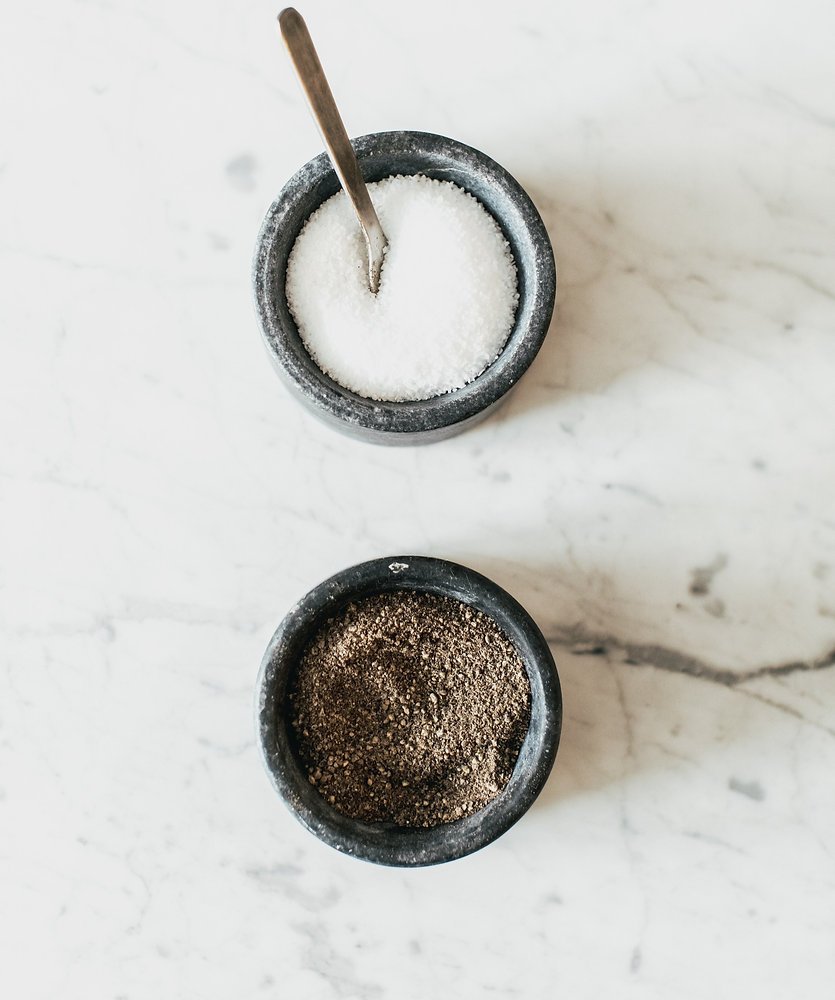
Sodium chloride, also known as salt, is found naturally in food and is often added to improve taste, but too much can be harmful to the body. The body needs sodium in small amounts to conduct nerve impulses, maintain proper mineral and water balance, and contract and relax muscles. The recommended average daily nutrient intake level for sodium is 1,500 mg/day, although most Canadians eat much more than that!

Eating too much salt can lead to high blood pressure which contributes to a higher risk of heart disease, stroke and kidney failure. Therefore, it is important to limit your salt intake.

The World Health Organization (WHO) recommends limiting sodium intake to less than 2000 mg/day, to reduce the risk of high blood pressure and related cardiovascular diseases. That’s the equivalent of less than a teaspoon!

Where Canadians consume most of their sodium each day

The World Health Organization recently stated that Canadians consume almost twice the recommended amount of sodium on average. But where does everyone get that high salt intake?

  • Restaurant meals and processed foods (75%)

  • Added salt (13%)

  • Naturally occurring (12%)

As you can see, rRestaurant meals and processed foods contribute a high percentage of Canadians’ daily salt intake. Canadians also consume high amounts of sodium from foods such as baked goods, processed meats, dishes such as pizza, lasagna, frozen dinners, canned soups and cheeses.

Risks associated with high blood pressure

Understanding the importance of maintaining a healthy blood pressure can help you limit your salt intake, so let’s take a closer look at the risks associated with high blood pressure.

Sodium is essential for mineral and water balance in our bodies, but too much can be harmful. Sodium in our body helps draw water into our bloodstream, however high amounts of sodium will draw too much water into the bloodstream increasing blood volume leading to higher blood pressure.

High blood pressure can increase your risk for:

  • Strokes: A stroke is when something blocks the blood supply to part of the brain or a blood vessel in the brain bursts. Sustained high blood pressure can damage your blood vessels leading to clots that can cause a stroke.

  • Heart disease: High blood pressure can damage your arteries (blood vessels that carry oxygen-rich blood throughout the body). Damage to the arteries can reduce the flow of blood and oxygen to the heart, increasing the risk of heart disease.

  • Kidney Disease: Over time, high blood pressure can cause the arteries around the kidney to weaken, meaning a decrease in blood flow to the kidneys. If the kidneys do not receive enough blood, their functions (regulating fluids, hormones and salts in the body) will be compromised. The kidneys also help regulate blood pressure, so if they aren’t working properly due to high blood pressure, this can create a negative feedback loop.

If you have high blood pressure, a personal or family history of heart or kidney disease diseaseor would you like to know more about reducing salt in your diet – close a session with one of our dietitians today!

Ways to reduce your salt intake

1. Eating at home

  • Try it to limit how often you eat out, such as restaurant meals often high sodium content

  • Focus on eating home-cooked meals with mostly fresh ingredients, instead of packaged foods

2. Limit your intake:

  • Processed cured meats

  • Canned soups

  • Salty snacks (eg chips, pretzels, popcorn)

  • High-sodium sauces (eg, soy sauce, ketchup, teriyaki sauce, canned pasta sauces)

3. Reducing added salt

  • Season your foods with herbs, spices, garlic and citric juices instead of salt. Click here for a salmon recipe that uses cilantro, lime, garlic and paprika to season with a little salt!

  • Choose to either salt your food while cooking or at the table, not both. Always taste your food before adding salt – you may find you need less than you think!

  • When eating out, try to choose options with lower sodium content (see The list of high in sodium food at #2!)

4. Choose “Low Sodium” Ingredients.

  • When shopping for low-sodium options, many canned and packaged foods have these available, including: salt-free broth, reduced-salt soy sauce, etc.

  • Be careful when choosing low-sodium options, as they can still be high in sodium per serving.

Reading Nutrition Labels

When you’re grocery shopping, reading it Nutrition facts table is vital to buy healthy options. Sodium content will be listed in both milligrams (mg) and percent daily value (%). When comparing foods, first keep in mind the serving size listed at the top, as the sodium content is listed as “per serving” (not the whole package!) and products may list a different serving size on their labels.

If a product contains 5% or less of the Daily Value of sodium per serving, it is considered low sodium, 15% and higher of the Daily Value is considered high. Next time you’re at the grocery store, try comparing nutrition labels on similar products to see if there’s a low-sodium option!

Sodium can be hard to cut because it’s so abundant in packaged foods and restaurant meals, and it helps make food taste good. However, you cook most of your food at home and use other ingredients such as fresh herbs, spices, garlic, ginger and citrus juices to add plenty of taste in your food can help you significantly reduce your sodium intake. Research has also found that if you gradually reduce your sodium intake, over time your taste buds can begin to adapt and become more sensitive to the taste of salt, so you find that you don’t need as much to enjoy your meal. It doesn’t have to be all or nothing, gradually reducing your salt intake over time can be effective and help reduce your risk of heart disease.

The tasks listed:

  1. Chung, ML, TA Lennie, and DK Moser. “A stepwise taste adjustment intervention reduced dietary sodium intake in adults with hypertension”. European Journal of Cardiovascular Nursing 21.Supplement_1 (2022): zvac060-077. Available from:

  2. Fraser Health. Limiting sodium (salt). (November 2021). Available from:

  3. National Center for Chronic Disease Prevention and Health Promotion, Department of Cardiovascular Diseases and Stroke Prevention. (May 13, 2021). Available from:

  4. The World Health Organization. Salt reduction. (2023 September 14). Available from:

Choosing importance intake limiting Options salt sodium
bhanuprakash.cg
healthtost
  • Website

Related Posts

Can magnesium help you lose weight?

May 4, 2026

9 Easy Chia Pudding Recipes (+ The Perfect Pudding Ratio) • Kath Eats

May 4, 2026

A cancer-causing contaminant in drugs and meat

May 3, 2026

Leave A Reply Cancel Reply

Don't Miss
News

The new molecular framework paves the way for targeted therapeutic interventions for Parkinson’s disease

By healthtostMay 5, 20260

A new study led by researchers from VIB and KU Leuven shows that Parkinson’s disease…

Aging in place takes more than good intentions — It takes smart infrastructure

May 5, 2026

Breaking Barriers, Building Strength: The Maya Nassar Story

May 5, 2026

5 Ways to Improve Heart Health for Men

May 5, 2026
Stay In Touch
  • Facebook
  • Twitter
  • Pinterest
  • Instagram
  • YouTube
  • Vimeo
TAGS
Baby benefits body brain cancer care Day Diet disease exercise finds Fitness food Guide health healthy heart Improve Life Loss Men mental Natural Nutrition Patients Pregnancy protein research reveals risk routine sex sexual Skin Skincare study Therapy Tips Top Training Treatment ways weight women Workout
About Us
About Us

Welcome to HealthTost, your trusted source for breaking health news, expert insights, and wellness inspiration. At HealthTost, we are committed to delivering accurate, timely, and empowering information to help you make informed decisions about your health and well-being.

Latest Articles

The new molecular framework paves the way for targeted therapeutic interventions for Parkinson’s disease

May 5, 2026

Aging in place takes more than good intentions — It takes smart infrastructure

May 5, 2026

Breaking Barriers, Building Strength: The Maya Nassar Story

May 5, 2026
New Comments
    Facebook X (Twitter) Instagram Pinterest
    • About Us
    • Contact Us
    • Privacy Policy
    • Terms and Conditions
    • Disclaimer
    © 2026 HealthTost. All Rights Reserved.

    Type above and press Enter to search. Press Esc to cancel.