


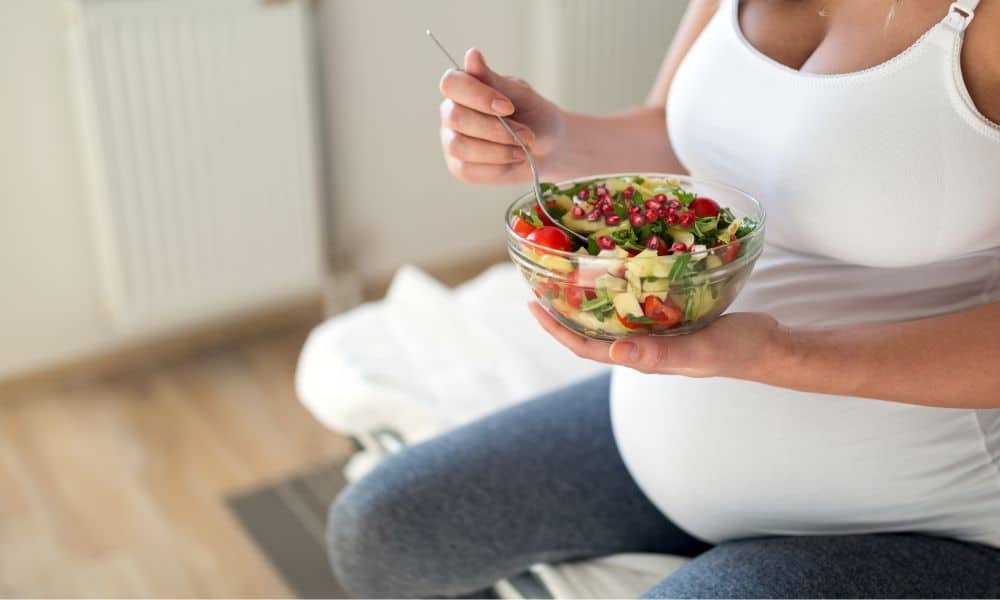
Pomegranates are bright, juicy fruits known for their deep red seeds and sweet tart flavor.
Rich in vitamins, fiber and plant compounds known as polyphenols, pomegranates offer nutritional value that can easily be incorporated into a healthy pregnancy diet. While research on pomegranate specifically in pregnancy is limited and ongoing, early studies suggest some promising benefits.
Note: Always check with your doctor before making any dietary changes during pregnancy, especially if you are taking medication – pomegranate juice and extracts can interact with some medications (similar to grapefruit) and may not be suitable for everyone.
Top benefits of pomegranate during pregnancy
1. Rich in Antioxidants
Pomegranates are high in polyphenols such as punicalagins and ellagic acid, which act as antioxidants. compounds that help neutralize harmful free radicals in the body. Antioxidants support overall cellular health, which is especially important during pregnancy.
2. May help reduce oxidative stress in the placenta
Preliminary research suggests that pomegranate juice may reduce markers of oxidative stress in placental tissue, potentially protecting the cells from damage. In a small human study, women who drank pomegranate juice showed lower oxidative stress in placental samples at the end compared to a control group.
3. Supports Immune Health
Pomegranates contain vitamin C and other nutrients that help support immune function – beneficial for maintaining a healthy immune response during pregnancy.
4. Provides folic acid for fetal development
Folic acid (vitamin B9) is essential in early pregnancy to support the development of the neural tube. Pomegranates contribute dietary folate, which can supplement folate intake from prenatal vitamins and other foods.
5. Good source of vitamin K
Vitamin K helps blood clot – an important process during and after childbirth. Pomegranates contain vitamin K, although they should not replace medical advice regarding supplementation.
6. May help enhance iron absorption
The vitamin C in pomegranates can enhance the absorption of iron from plant foods, which is helpful as iron needs increase in pregnancy.
7. Supports healthy blood flow
Certain nutrients in pomegranate may support blood flow by helping produce nitric oxide, a molecule that relaxes blood vessels, although this has been studied more outside of pregnancy.
8. It can support oral health
Pomegranate’s antibacterial and anti-inflammatory compounds may help maintain oral health, important because gum health has been linked to reduced pregnancy complications.
9. May benefit fetal brain development (Under ongoing research)
Early clinical research is examining whether maternal pomegranate intake may support aspects of infant brain connectivity and lower risk markers of brain damage, especially in pregnancies complicated by intrauterine growth restriction (IUGR). These studies are preliminary and not definitive, but suggest an area of potential benefit.
10. Hydration and blood pressure regulation
Pomegranates provide potassium and fluids from juices or seeds, which help with hydration and may support healthy blood pressure. a key aspect of maternal health. Although the evidence is mixed, some studies show modest cardiovascular benefits from regular pomegranate intake.
How to enjoy pomegranate safely during pregnancy

- Whole seeds (arillas): Add to yogurt, oatmeal, salads or smoothies for fiber and nutrients.
- 100% pomegranate juice: Limit to moderate amounts (eg, ~4–8 oz/day) due to natural sugars and avoid the added-sugar variety.
- Balance with other foods: Pair with foods rich in protein or fiber to avoid rapid blood sugar spikes.
Pomegranate Nutrition: What’s in ½ Cup?
Serving Size: ½ cup fresh pomegranate (? 87 grams)
| Nutrient | Amount | Why it matters in pregnancy |
|---|---|---|
| Calories | ~ 72 kcal | Provides natural energy |
| Carbohydrates | ~16 gr | Primary energy source |
| Natural sugars | ~12 gr | Natural (no added sugar) |
| Fiber | ~3.5 g | It supports digestion and helps prevent constipation |
| Protein | ~1.5 g | It contributes to tissue growth |
| Fat | ~ 1 gr | Minimal, mostly unsaturated |
| Vitamin C | ~9 mg (~10% DV) | Immune support & iron absorption |
| Vitamin K | ~14 mcg (?12% DV) | Supports healthy blood clotting |
| Folic acid (B9) | ~33 mcg (?8% DV) | Important for the neural development of the fetus |
| Potassium | ~ 205 mg | Supports fluid balance and blood pressure |
| Iron | ~0.4 mg | Supports the production of red blood cells |
| Polyphenols (antioxidants) | High (not RDA) | Help fight oxidative stress |
DV = Daily Value for non-pregnant adults. Pregnancy needs may vary.
How does this fit into a pregnancy diet?
- Combination of vegetable fiber + vitamin C makes pomegranate especially useful when combined with iron-rich foods.
- Lower caloric density compared to many juices, especially when eaten whole.
- Natural sweetness can help satisfy cravings without added sugar.
Research Limitations
Most research on pomegranate during pregnancy is preliminary, often small, or from cell or animal studies. Human clinical evidence is emerging but still limited. Pomegranate should be treated as part of a healthy diet, not as a substitute for prenatal vitamins or medical care.
When to Talk to Your Health Care Provider
Before adding pomegranate juice or extracts to your routine – especially in therapeutic amounts – consult your doctor or midwife if:
- Take blood pressure, anticoagulants, or other medications.
- You have gestational diabetes or blood sugar concerns.
- They are at high risk for pregnancy complications.
- You have dietary restrictions or allergies.
Your provider can help you tailor recommendations to your unique health needs.
