


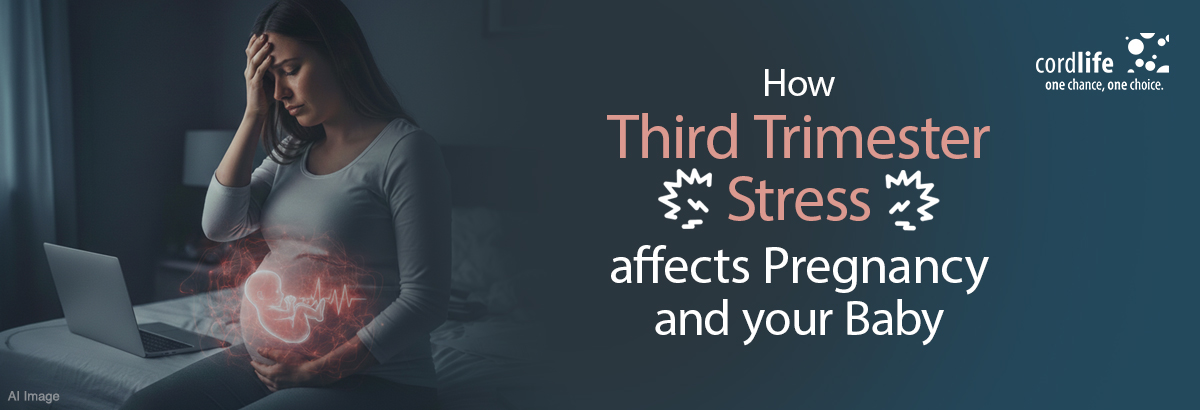
Pregnancy fuels hormonal changes in a woman’s body. Each stage of pregnancy has its own unique physical and emotional challenges. But what remains constant throughout is the stress and anxiety about childbirth. It is considered normal, however, to feel overwhelmed with labor, delivery and/or the responsibility of motherhood. That being said, excessive stress can easily have negative effects on pregnancy. According to studiesmaternal stress can increase the risk of preterm birth. Therefore, maintaining good mental health, especially during late pregnancy or during the third trimester, is vital – not only for the unborn child but also for the mother-to-be.
What is third trimester anxiety?
The third trimester of pregnancy begins at week 28 and continues until week 40. During this time, the fetus undergoes rapid growth and significant physical changes.
At this stage, the baby develops faster. As a result, expectant mothers experience a myriad of symptoms, including physical discomfort and hormonal fluctuations.
With the increased pressure on the mother’s organs from the growing child inside her womb, she may experience excessive back pain, shortness of breath and frequent urination. A good night’s sleep becomes a challenge due to the obvious physical discomfort and the repeated need to visit the toilet. In addition, hormonal fluctuations lead to mood swings, thus increasing emotional sensitivity in pregnant women.
The changes happen all at once, piling up into third-trimester stress.
What causes stress during pregnancy?
The causes of stress are different for every woman, but some common causes include:
Discomfort in pregnancy: Common complaints include morning sickness, constipation, back pain, and so on, which can be caused by stress.
Hormonal changes: As you travel through life, your hormones fluctuate, often causing mood swings. For many moms-to-be, dealing with mood swings often becomes challenging.
Feeling of Anxiety: Managing childbirth, baby care and career transition is no easy task. Expectant mothers often feel anxious about the many unknowns and uncertainties, which can cause anxiety during pregnancy.
Problems with partner or family: Any argument or conflict with partner or family makes women feel low and discouraged, as if they are not supported.
Side effects of stress in pregnancy in the third trimester
Anxiety is natural. It’s how your body responds to a difficult situation. But during pregnancy, stress can be harmful, especially during the third trimester. The developing baby can easily be affected by the mother’s stress inside her body.
The side effects of pregnancy stress during the third trimester are listed below:
Hormone imbalance
Pregnancy triggers major hormonal changes in the mother’s body to support her baby’s development. It increases cortisol levels, thus disrupting the balance. High cortisol can affect the development of the fetus and increase the risks of premature birth. In addition, stress is responsible for low birth weight and developmental concerns after birth.
Higher risk of premature birth
Stress in the third trimester can increase the chances of preterm labor. These hormones are known to trigger contractions even before a woman’s body is ready. And as you know, babies born before nine months can develop breathing problems. The organs are not fully matured and their body has difficulty keeping their body temperature regulated.
Effect on baby’s development
Constant stress can hinder the baby’s long-term development. High maternal stress affects their brain development, behavior and learning skills later in life. Stress can also weaken the baby’s immune system, increasing the risk of illness.
Worsening of third trimester symptoms
The frequent discomforts of the third trimester are aggravated by excessive stress. This has a compounding effect on sleep patterns, causing fatigue and increasing irritability. Consequently, as symptoms worsen, stress increases even more, thus creating a vicious cycle.
Effects on Mental Health
The third trimester can prove to be emotionally taxing for mothers-to-be. It increases the risk of anxiety and depression, ultimately affecting both well-being and early bonding with the baby. Only expert support and time can make a significant difference.
Challenges during childbirth
In addition to the psychological and emotional side effects, stress can disrupt the birthing process. High levels of stress reduce oxytocin production. Oxytocin helps increase contractions. However, the disorder can only prolong labor and increase the chances of medical interventions, including C-sections.
Welding and Attachment
Stress during pregnancy often carries over into the postpartum period. New mothers are considered emotionally exhausted, which makes bonding more difficult in the first days after birth. And, over time, this can directly affect a child’s emotional security and development.
Conclusion
The third trimester is critical for a pregnant mother and her unborn child. At this point, both physical and emotional well-being are of great importance. Therefore, excessive stress during the third trimester does not only affect how a mother feels every day. it can affect sleep, birth outcomes, bonding and general health. Expectant mothers should take preventive measures before tension turns into strain.
Prioritizing mental health during late pregnancy, getting help from support systems, and seeking professional care when needed can improve outcomes for both mother and baby. As a young mother, effective stress management is paramount to a healthier start to the next chapter.
