

Close Menu
Healthtost
  • News
  • Mental Health
  • Men’s Health
  • Women’s Health
  • Skin Care
  • Sexual Health
  • Pregnancy
  • Nutrition
  • Fitness
  • Recommended Essentials
What's Hot

EMOM 20 Minute Workout: A Guide to Full Body Strength

March 5, 2026

Drinking water for skin: The truth about hydration and glow

March 5, 2026

New Gonorrhea Vaccination Results – GoGoVax Trial of 4CMenB Vaccine

March 5, 2026
Facebook X (Twitter) Instagram
  • About Us
  • Contact Us
  • Privacy Policy
  • Terms and Conditions
  • Disclaimer
Facebook X (Twitter) Instagram
Healthtost
SUBSCRIBE
  • News

    The study highlights the mental health costs of marine ecosystem damage

    March 4, 2026

    Highly processed foods linked to behavior problems in preschool children

    March 4, 2026

    Penn State study links family structure to lower ADHD symptoms

    March 3, 2026

    Scientists have proposed a new theory of brain development

    March 2, 2026

    Prediction of disease intensity through genomic risk

    March 2, 2026
  • Mental Health

    Are you stressed about politics? You wouldn’t expect it, and research shows that social media is largely to blame

    March 4, 2026

    Is It Sadness or Depression? Understand it…

    March 1, 2026

    Teen anxiety linked to sugary drinks – new research

    February 28, 2026

    Self-Care Guided Journal For Moms

    February 26, 2026

    Forgiveness isn’t always easy, but studies show it can help you flourish

    February 24, 2026
  • Men’s Health

    EMOM 20 Minute Workout: A Guide to Full Body Strength

    March 5, 2026

    Can brain training prevent dementia? Long-term testing shows that speed training with boosters makes a difference

    March 3, 2026

    How to find the right deodorant for smelly armpits

    March 3, 2026

    The Case for Weightlifting Shoes

    March 2, 2026

    The Secret to Saving Humanity: What We Must Do Now

    March 2, 2026
  • Women’s Health

    Oliveda Skincare Faves – The Fitnessista

    March 4, 2026

    How to protect face from Holi colors safely

    March 3, 2026

    Jocelyn Elders: A Legacy Better Than the Title

    March 1, 2026

    10 Ways to Calm Your Cortisol and Get Your Energy Back as a Busy Woman

    February 27, 2026

    Is trauma therapy right for you? Signs that you may benefit from specialized care

    February 27, 2026
  • Skin Care

    Drinking water for skin: The truth about hydration and glow

    March 5, 2026

    How to use Strobe cream for festive glow – the natural wash

    March 4, 2026

    Carefully formulated skin care | Susie Ma & Tropic Skincare

    March 4, 2026

    What is your skin’s pH and why is it important?

    March 3, 2026

    6 Marketing Myths About Caffeine’s Skin Benefits

    March 3, 2026
  • Sexual Health

    New Gonorrhea Vaccination Results – GoGoVax Trial of 4CMenB Vaccine

    March 5, 2026

    The discussion of the Epstein files is mistaken for pedophilia and power

    March 2, 2026

    Survival strategies and health effects in forced displacement

    March 1, 2026

    How Intense Competition and Intimacy Tuning Are Elevating Modern TV Romance — Alliance for Sexual Health

    February 28, 2026

    New type of Mpox diagnosed in England

    February 25, 2026
  • Pregnancy

    Kegels Wrong? The top mistakes pregnant women make

    March 3, 2026

    Endy Mattress Review: An Honest Look After 4 Months

    March 1, 2026

    Does bed rest prevent premature labor? New research says no

    March 1, 2026

    Is cervical cancer curable if caught early? Know the Facts

    February 27, 2026

    Management of abdominal problems during pregnancy

    February 26, 2026
  • Nutrition

    Oliveda This or That? My honest picks for the best Oliveda skincare + makeup • Kath Eats

    March 4, 2026

    What does personalized nutrition actually offer?

    March 3, 2026

    How to support your hormones, gut health and metabolism the right way

    March 3, 2026

    How the microbiome drives symptoms

    March 2, 2026

    Because cutting back on sugar actually makes you crave it more

    March 1, 2026
  • Fitness

    Chris Bumstead’s laser-focus strategy behind a classic fitness dynasty

    March 4, 2026

    What’s new in March 2026 for the BODi Community of Experience!

    March 3, 2026

    200: Autoimmune Healing, Nervous System Safety, and the Biggest Mistakes I Made on My Health Journey

    March 1, 2026

    10 Powerful Emotional Benefits of Weight Training

    February 28, 2026

    7 simple strength exercises that protect your back and improve balance after 40

    February 28, 2026
  • Recommended Essentials
Healthtost
Home»News»Innovative methods detect aggressive prostate cancer
News

Innovative methods detect aggressive prostate cancer

healthtostBy healthtostFebruary 12, 2026No Comments5 Mins Read
Facebook Twitter Pinterest LinkedIn Tumblr Reddit WhatsApp Email
Innovative Methods Detect Aggressive Prostate Cancer
Share
Facebook Twitter LinkedIn Pinterest WhatsApp Email

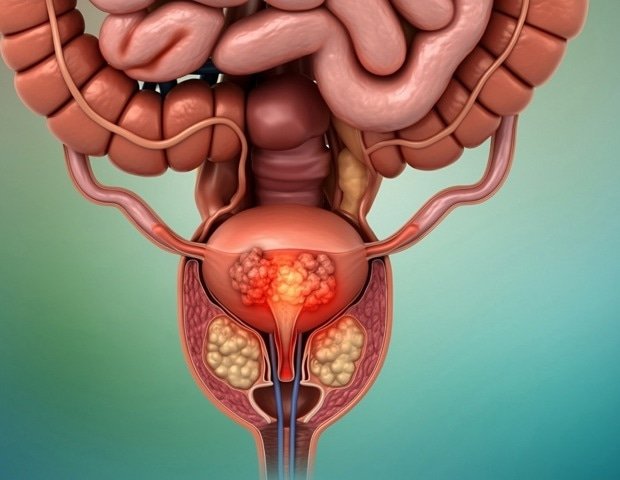
The research lays the foundation for the possibility that aggressive prostate cancer can potentially be detected through a few drops of semen or blood in the long term.

Prostate cancer is the most common form of cancer in men in Western countries.

Studies have found prostate cancer in half of men over 60 and about 70% of men over 80.

This shows that the disease is naturally associated with aging.

Prostate cancer often develops very slowly. For the vast majority, this is a disease that you live with well, without the need for treatment, but some have an aggressive variant with the cancer returning even after surgery. The disease behaves very differently from patient to patient. Understanding what makes cancer aggressive is crucial for better diagnosis and treatment.”


May-Britt Tessem, Professor, Norwegian University of Science and Technology (NTNU)

He believes existing methods are not good enough to detect who has a mild variant rather than those who have the aggressive type.

Aggressive cancer has its own genetic signature

Now, a research team from NTNU, led by Tessem, recently published an article in the highly regarded journal Nature Communications.

They are the first in the world to combine highly advanced research methods to detect aggressive prostate cancer.

In a large study, researchers analyzed prostate tissue using advanced methods combining genetic data, metabolic analyses, and detailed tissue imaging. The goal was to find new features that can predict which patients will develop aggressive disease.

They succeeded.

The results show two important findings.

Aggressive cancer has its own gene expression: The researchers identified a pattern in the gene expression of the tumor itself in prostate tissue in patients at high risk of recurrence and spread. This signature may become a new tool for distinguishing between patients who need intensive care and those who can manage with less intensive care.

Inflammation of apparently healthy tissue: Signs of inflammation and changes in metabolic processes were also found in normal tissue near the cancerous tumor. These glands had high activity of neurotransmitters that attract immune system cells and increased expression of a cell type that can trigger inflammatory reactions. At the same time, the levels of important substances had decreased, suggesting that the gland had lost its normal function.

“Aggressive prostate cancer appears to be associated with inflammation in the area around cancer cells, combined with specific genetic signatures and metabolic changes in prostate tissue. This knowledge may provide better methods for early identification of high-risk patients,” says Tessem.

The cancer comes back after surgery in 30 percent of patients

Prostate cancer progresses slowly, which means that research into this disease can be slow.

“It takes an average of nine years from surgery to recurrence. About 30 percent have cancer recurrence after surgical removal of the cancer. What we’ve done is to use samples from some patients who have relapsed and who we can thus define as having an aggressive disease and compare them with samples from those who had not relapsed and the patients who received active disease from ten patients. up to fifteen years ago, as a researcher, it’s important be persistent,” says Tessem.

The samples were taken in Trondheim and tested in patient groups of more than 2000 patients.

Today, prostate cancer is detected through a rectal exam by the doctor, and a blood test called PSA. Since it has become more common for men to have this blood test, the number of new cases of prostate cancer has skyrocketed. Now the number of new cases in Norway is about 5200 every year.

When more people are tested for a disease that occurs naturally as part of aging, doctors need to take the next medical step after the blood test to get a better clinical picture of the severity.

Today, this includes getting an MRI scan that provides a detailed picture of the prostate cancer gland and surrounding tissues.

It will reduce the threshold for easy control

Researcher Sebastian Krossa at NTNU was central to the research. He says it’s a known problem that many men are unaware of the disease and that the threshold for rectal examination is high.

“The PSA test obtained with a blood sample today is a correct and important step to lower this threshold. However, unfortunately it still requires resources to determine which patients need intensive follow-up. The goal of our research is to lay the foundations so that it is possible to easily check who has aggressive cancer, for example through blood or semen samples,” says Krossa.

Tessem emphasizes that preventing overtreatment is as important a goal as uncovering those who actually need treatment,

“We know that prostate treatment can significantly reduce quality of life with significant side effects for many patients, such as incontinence, erectile dysfunction and depression. Some patients require intensive treatment of the disease, but this is not always necessary. Many people are overtreated and suffer unnecessary discomfort as a result,” says Tessem.

Basic research, not ready for clinic

May-Britt Tessem and her team work with basic research, which means they study very basic and fundamental processes in the human body. This research has revealed entirely new characteristics and associations associated with cancer.

The new findings are an important piece of a larger puzzle that May they result in new and more practical discoveries in the future. Basic research is the most important source of important discoveries in medical treatment.

Tessem and her team used in situ multi-omic analysis technologies with a combination of transcriptomics, metabolomics and histopathology to map the tumor microenvironment in patients with aggressive prostate cancer.

Multi-omics technologies make it possible to obtain a 3D view of the tissue and what it is composed of. Tessem was awarded a prestigious European Research (ERC) Starting Grant for her research into prostate cancer.

Source:

Norwegian University of Science and Technology

Journal Reference:

Krosa, S., et al. (2025). Spatial poly-omics identifies signatures of aggressive prostate cancer highlighting pro-inflammatory chemokine activity in the tumor microenvironment. Nature communications. DOI: 10.1038/s41467-025-65161-9.

aggressive cancer detect Innovative methods prostate
bhanuprakash.cg
healthtost
  • Website

Related Posts

The study highlights the mental health costs of marine ecosystem damage

March 4, 2026

Highly processed foods linked to behavior problems in preschool children

March 4, 2026

Penn State study links family structure to lower ADHD symptoms

March 3, 2026

Leave A Reply Cancel Reply

Don't Miss
Men's Health

EMOM 20 Minute Workout: A Guide to Full Body Strength

By healthtostMarch 5, 20260

If you want maximum results in minimum time, a 20 minute EMOM workout it may…

Drinking water for skin: The truth about hydration and glow

March 5, 2026

New Gonorrhea Vaccination Results – GoGoVax Trial of 4CMenB Vaccine

March 5, 2026

Oliveda This or That? My honest picks for the best Oliveda skincare + makeup • Kath Eats

March 4, 2026
Stay In Touch
  • Facebook
  • Twitter
  • Pinterest
  • Instagram
  • YouTube
  • Vimeo
TAGS
Baby benefits body brain cancer care Day Diet disease exercise Fitness food Guide health healthy heart Improve Life Loss Men mental Natural Nutrition Patients People Pregnancy protein research reveals risk routine sex sexual Skin Skincare study Therapy Tips Top Training Treatment ways weight women Workout
About Us
About Us

Welcome to HealthTost, your trusted source for breaking health news, expert insights, and wellness inspiration. At HealthTost, we are committed to delivering accurate, timely, and empowering information to help you make informed decisions about your health and well-being.

Latest Articles

EMOM 20 Minute Workout: A Guide to Full Body Strength

March 5, 2026

Drinking water for skin: The truth about hydration and glow

March 5, 2026

New Gonorrhea Vaccination Results – GoGoVax Trial of 4CMenB Vaccine

March 5, 2026
New Comments
    Facebook X (Twitter) Instagram Pinterest
    • About Us
    • Contact Us
    • Privacy Policy
    • Terms and Conditions
    • Disclaimer
    © 2026 HealthTost. All Rights Reserved.

    Type above and press Enter to search. Press Esc to cancel.