


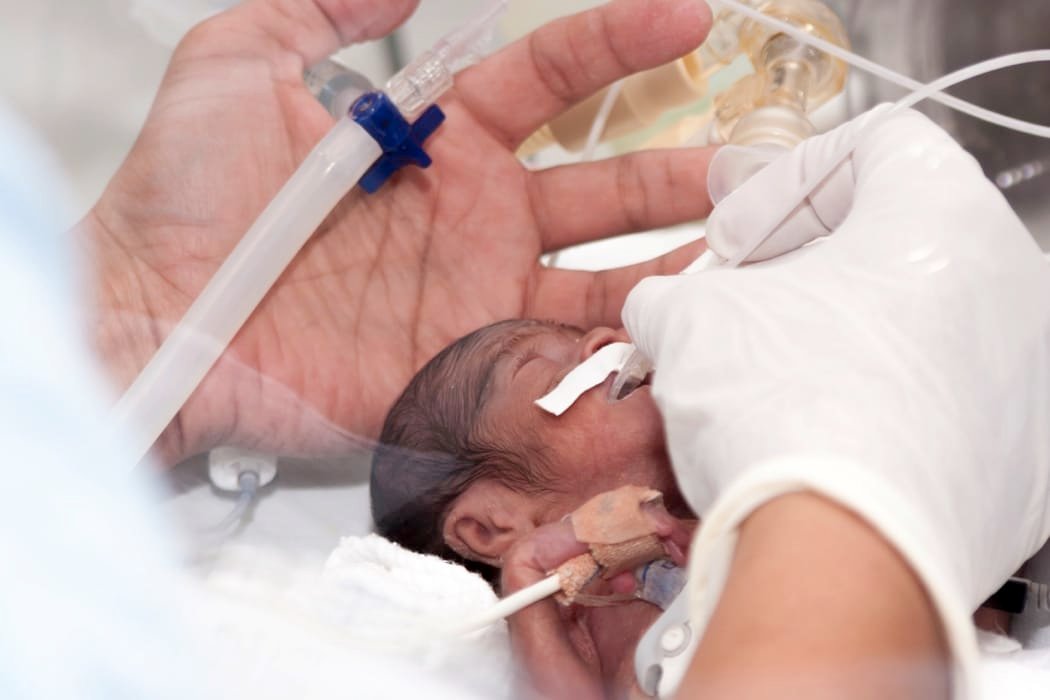
A new global study draws attention to a possible environmental factor contributing to premature birth: phthalates, a group of chemicals commonly used in plastics. Researchers estimated that exposure to certain phthalates may have been associated with a significant share of preterm births worldwide in 2018, raising concern about how daily exposure to the chemicals may affect pregnancy.
Preterm birth, defined as birth before 37 weeks of pregnancy, remains a major global health problem. The study notes that more than 13 million babies were born prematurely in 2020 and that premature birth is the leading cause of death in children under 5 years of age worldwide. Babies born too early can face immediate complications such as respiratory distress and infections, along with long-term developmental and health challenges.
The new paper, published in Electronic Clinical Medicine, aimed to estimate the global burden of preterm birth associated with exposure to two phthalates: DEHP and DiNP. DEHP has long been used in plastic materials, while DiNP is often used as a replacement. According to the researchers, DEHP exposure was linked to approximately 1.97 million preterm births worldwide in 2018, representing 8.74% of all preterm births worldwide. The study also linked DEHP-related preterm births to an estimated 74,000 neonatal deaths, 6.69 million years of life lost, and 1.23 million years of life with disability.
DiNP estimates were also significant. The researchers estimated that DiNP exposure may have been associated with 1.88 million preterm births worldwide, along with approximately 64,000 neonatal deaths, 5.77 million years of life lost, and 1.35 million years of life with disability.
These findings are important, but the study does not claim that phthalates are the only cause of preterm birth or that exposure to a product directly leads to a preterm birth. Instead, this was a disease burden model, meaning the researchers combined exposure data, previously published risk estimates and global health data to estimate how much of the total burden of preterm birth could be associated with these chemicals.
Phthalates are considered endocrine-disrupting chemicals, meaning they can affect hormone systems involved in pregnancy and fetal development. The study points to several potential biological pathways linking phthalates to preterm birth, including inflammation, oxidative stress and impaired placental development. The researchers also noted that human exposure is widespread and can occur through ingestion, inhalation and skin contact. Phthalates are commonly found in personal care products, food packaging and other everyday materials.
One of the clearest messages in the paper is that the estimated burden was not evenly distributed across the globe. The highest burden of DEHP-related preterm birth was estimated in the Middle East and South Asia, which together accounted for more than 54% of the global total. Africa followed, with about 26% of estimated preterm births attributable to DEHP. The authors also found that Africa had a higher proportion of deaths and years of life lost than the proportion of cases, suggesting that the burden may be particularly severe in regions where risks to neonatal and maternal health are already high.
The DiNP estimates showed a somewhat different regional pattern, but again pointed to Asia-MESA, which includes the Middle East and South Asia, bearing the brunt. This region accounted for approximately 65.5% of the estimated global preterm births associated with DiNP, followed by East Asia and the Pacific and then Africa.
To produce these estimates, the researchers used 2018 phthalate exposure data from biomonitoring surveys where available, including data from Canada, the United States and Europe. In areas without central biomonitoring data, they relied on meta-analyses and models to estimate exposure levels. They then applied hazard ratios from previous research and combined those with preterm birth data from the Institute for Health Metrics and Evaluation to calculate a population-attributable fraction, which estimates how much disease burden may be associated with a particular exposure.
The authors were careful to note the limitations of the study. This was a modeling study rather than a direct count of individual cases. Some areas had stronger biomonitoring data than others and some missing exposure data had to be imputed. The DiNP estimates were particularly uncertain because the data were more limited. The researchers reported that the uncertainty intervals could reduce DEHP estimates by about four times and DiNP estimates by up to ten times. Even so, they noted that in previous meta-analyses, the direction of the association between phthalate exposure and preterm birth remained positive.
The study also highlights an important issue in chemical regulation. As concerns about DEHP have grown, manufacturers are increasingly turning to replacement chemicals like DiNP. But this analysis suggests that replacement chemicals may also pose risks. The authors argue that regulating one phthalate at a time may not be enough if similar compounds continue to be used in its place. They are calling for stronger regulatory measures that address phthalates as a category.
The researchers also looked at the financial burden associated with these outcomes. Depending on the model used, the estimated societal and mortality costs associated with phthalate-related preterm birth reached the billions and by some estimates hundreds of billions of dollars for 2018 alone.
The authors also acknowledged that phthalates may be only part of a larger environmental picture. The study did not include other chemicals associated with plastics, such as bisphenols or microplastics, nor did it fully consider the possibility that combined exposure may increase risk for more than one chemical alone. They note that some phthalates may also act as markers for broader plastic-related exposure.
At the same time, preterm birth remains a complex condition with many contributing factors, including maternal health conditions, infections, access to prenatal care, and social determinants of health. This study does not suggest that plastics explain all premature births. However, it adds to growing evidence that environmental exposure to chemicals may be one part of the larger risk picture.
For parents, the study is less about assigning blame and more about understanding how widespread these exposures can be. Because phthalates are so common in modern life, this is not an issue that can be solved by individual families alone. The authors point instead to the need for stronger monitoring, better biomonitoring data, and regulations that reduce exposure on a broader scale.
In the end, the paper argues that environmental health and pregnancy health are closely linked. While more research is still needed, particularly in understudied areas and for replacement chemicals such as DiNP, this study suggests that reducing exposure to phthalates could play a role in reducing the global burden of preterm birth.
