

Close Menu
Healthtost
  • News
  • Mental Health
  • Men’s Health
  • Women’s Health
  • Skin Care
  • Sexual Health
  • Pregnancy
  • Nutrition
  • Fitness
  • Recommended Essentials
What's Hot

Greens that make you glow: The detox-hormone connection

April 11, 2026

Brain pathways combine memory and reward to guide behavior

April 11, 2026

5 ways to put your health dollars to work this spring

April 11, 2026
Facebook X (Twitter) Instagram
  • About Us
  • Contact Us
  • Privacy Policy
  • Terms and Conditions
  • Disclaimer
Facebook X (Twitter) Instagram
Healthtost
SUBSCRIBE
  • News

    Brain pathways combine memory and reward to guide behavior

    April 11, 2026

    New research leads to increased understanding of longevity gains in the United States

    April 11, 2026

    University of Cincinnati begins clinical trial to test new drug for prosthetic joint infections

    April 10, 2026

    Major US study finds never-married adults face higher risk of most major cancers

    April 10, 2026

    Tulane Study Shows Team Approach Improves Hypertension Treatment Success

    April 9, 2026
  • Mental Health

    Understanding the different types of treatment: C…

    April 10, 2026

    How does Medicare’s new Mental Health Check In work? Is this low-intensity CBT likely to help?

    April 10, 2026

    the surprisingly common condition with a scary name

    April 6, 2026

    How yoga helps heal emotional wounds

    April 4, 2026

    Will medicinal cannabis help my mental health? Here are the facts and the risks

    April 1, 2026
  • Men’s Health

    Traveling by plane with BPH

    April 9, 2026

    30 Minute Kettlebell Full Body Workout for Over 50

    April 9, 2026

    The study shows that male depression is not just a pattern of men’s mental health

    April 7, 2026

    Dr. Jason Snibbe: Men’s health from a doctor who does it the right way

    April 6, 2026

    Coping with sexual health and erectile dysfunction as a couple

    April 3, 2026
  • Women’s Health

    5 ways to put your health dollars to work this spring

    April 11, 2026

    “Fueling the Fight” — Nutrition during and after cancer treatment

    April 11, 2026

    Navigating the Void of Intimacy – Vuvatech

    April 10, 2026

    Midlife Weight Gain Isn’t Just Willpower: Understanding Your Second Adolescence With WONDERBIOTICS

    April 8, 2026

    8 Things to Do When Attraction Dies in Your Marriage

    April 8, 2026
  • Skin Care

    Spring skincare: Why your skin needs more support, not less

    April 11, 2026

    How to reduce skin redness | Skin care routine for skin prone to redness

    April 10, 2026

    The dreamiest nighttime skin care routine step by step

    April 10, 2026

    What happens when you stop using hyaluronic acid – UMERE

    April 7, 2026

    The truth about "Pure Beauty" — What it means, what it doesn’t and what sensitive skin really needs

    April 6, 2026
  • Sexual Health

    Endometriosis procedures are reimbursed at lower rates, doctors say

    April 8, 2026

    Reflections two years later in a global context < SRHM

    April 8, 2026

    Can exercise improve HIV symptoms?

    April 7, 2026

    An Introduction to the Kink Literature Database — Sexual Health Alliance

    April 6, 2026

    No, abortion pills do not poison your drinking water

    April 1, 2026
  • Pregnancy

    Serious maternal complications affect nearly 3 per cent of pregnancies, Ontario study finds

    April 11, 2026

    Third Trimester Nutrition Guide for Indian Moms

    April 10, 2026

    How your partner can support a happier pregnancy

    April 9, 2026

    Exposure to plastic during pregnancy may be linked to more premature births than expected

    April 4, 2026

    How to relieve numbness and tingling in the legs in the third trimester?

    April 3, 2026
  • Nutrition

    Greens that make you glow: The detox-hormone connection

    April 11, 2026

    Recovery Movement: How to Exercise While Fat

    April 10, 2026

    Pediatric neurology and therapeutic carbohydrate restriction

    April 9, 2026

    The Weekly Reset That Saves My Sanity (Lily’s Guacamole Recipe)

    April 7, 2026

    Double Chocolate Veggie Muffins (Kids and Lunchtime)

    April 7, 2026
  • Fitness

    Bridging Clinical and Community Care

    April 10, 2026

    5 pull-up alternatives to build upper body strength and correct weaknesses

    April 9, 2026

    Best Health & Fitness Certifications (My Favorites After 17+ Years in the Industry)

    April 6, 2026

    Dose 1 – Tony Gentilcore

    April 6, 2026

    How to take care of your internal organs

    April 5, 2026
  • Recommended Essentials
Healthtost
Home»Mental Health»Does medicinal cannabis work for depression, anxiety or PTSD? Our study says there is no evidence
Mental Health

Does medicinal cannabis work for depression, anxiety or PTSD? Our study says there is no evidence

healthtostBy healthtostMarch 20, 2026No Comments5 Mins Read
Facebook Twitter Pinterest LinkedIn Tumblr Reddit WhatsApp Email
Does Medicinal Cannabis Work For Depression, Anxiety Or Ptsd? Our
Share
Facebook Twitter LinkedIn Pinterest WhatsApp Email

The number of Australians using medicinal cannabis has increased over the past five years. About 700,000 Australians have used cannabis for their health in the past year.

And from 2022, sales of medicinal cannabis have increased fourfold. But the majority of prescription products on the Australian market are not registered in the Management of Therapeutic Products. This means they have not been rigorously tested.

So, is medicinal cannabis safe? And is it really effective?

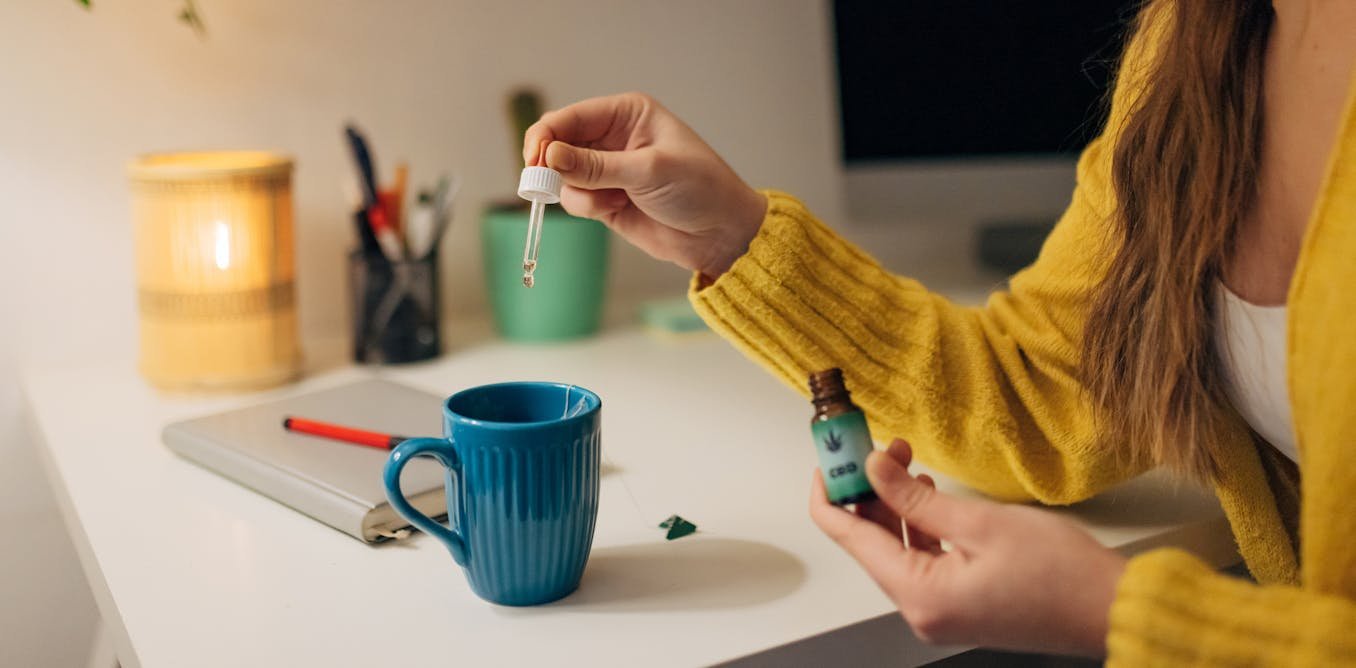
Us new researchpublished today in Lancet Psychiatry, is the largest review ever to examine the safety and effectiveness of medicinal cannabis for mental health and substance use disorders.

These make up six of the first ten reasons Cannabis is specifically prescribed for: anxiety, sleep disorders, post-traumatic stress disorder (PTSD), insomnia, depression and attention deficit hyperactivity disorder (ADHD).

But we found little evidence that medicinal cannabis effectively treats these conditions. And while most side effects were mild to moderate, some serious safety questions remain.

What evidence was available?

Between 1980 and 2025, we found 54 randomized controlled trials that examined whether medicinal cannabis reduced or treated mental health disorders (including psychotic disorders, anxiety, insomnia, anorexia and PTSD) or substance use disorders (including cannabis and the opioid, cocaine). This type of testing is the gold standard for understanding the immediate effects of a drug.

The most common cannabinoid evaluated was cannabidiol (CBD), followed by tetrahydrocannabinol (THC) and a combination of THC and CBD.

CBD is non-intoxicating and usually safewhile THC is psychoactive, and is associated with impairments in the short term, such as paranoia, and in the long term, such as the development of a cannabis use disorder.

Cannabis can help people quit cannabis

We found that cannabis medicines were no more effective than a placebo in treating symptoms of psychotic disorders (such as schizophrenia), anxiety, PTSD, anorexia or opioid use disorder.

However, there have been promising findings that medicinal cannabis may be effective in reducing cannabis use among people with cannabis use disorder.

While this may sound strange, the drugs largely consisted of an oil-based combination of CBD and THC that was taken orally. As these drugs reduce cravings, patients may use less cannabis than they usually do. So, for people who regularly smoke high-THC cannabis, using medicinal cannabis can reduce their risk for related health problems, such as lung disease.

But there are limitations

We must be cautious when interpreting the positive findings.

For example, some evidence suggests that medicinal cannabis could help treat symptoms associated with tic or Tourette syndrome, insomnia and autism spectrum disorder. But only a small number of studies focused on these conditions, and many were of low quality.

In randomized controlled trials, we don’t want participants to know whether they consume the drug or the placebo. But as cannabis is often intoxicating, participants may not know what they have been given and this may introduce bias.

Some of these studies also reported conflicts of interest, which may have influenced their results. Therefore, it may be too early to tell whether medicinal cannabis is effective in treating these conditions.

How about security?

The combined data showed that cannabis medicines were associated with mild side effects such as nausea, dry mouth and fatigue.

But the risk of serious side effects, such as a psychotic episode, was not greater among those taking cannabis medicine or placebo.

The data alone seems to suggest that cannabis medicines are relatively safe. But this may not be reflected in actual usage.

The average duration of treatment in these studies was only five weeks – and we know that regular cannabis use can cause long-term damage.

A review of 2024 I establish about a quarter of those who use medicinal cannabis will develop a cannabis use disorder. This is it similar in the percentage among those who use cannabis for non-medical purposes.

The cannabis medicines used in these studies were also low in THC. However, data from the TGA shows that Australians have access to a wide range of cannabis medicines often high in THC. Chronic use of high THC cannabis has been connected at greater risk of worsening mental health symptoms, particularly among young people.

So what does this mean?

Similar reviews have been conducted sometime. But many focus on a smaller number of health conditions and have not combined data to reveal a single estimate.

Reviews have also typically drawn conclusions about cannabis as a mental health treatment when it was used to treat other conditions, such as chronic pain.

However, our findings are largely consistent with previous reviews: there is little evidence that medicinal cannabis is an effective treatment for mental health and substance use disorders.

Currently, there is a mismatch between research evidence on medicinal cannabis – mostly short-term trials and CBD formulations – and actual use, which is longer term and often uses high-THC products.

We need more research into cannabis medicines, particularly for conditions with limited alternative treatments, and follow-up over longer periods.

As conducted by the TGA a review of the prescription of medical cannabis in Australiathese findings should inform future regulations. Long-term use of these drugs could lead to harm and delay the use of more effective treatments.

The takeaway

For those who believe their medicinal cannabis is beneficial for these conditions, our review is not meant to contradict your experience.

However, we encourage you to regularly discuss your situation with a doctor and, if possible, consider evidence-based alternative treatments.

anxiety Cannabis depression Evidence medicinal PTSD study Work
bhanuprakash.cg
healthtost
  • Website

Related Posts

5 ways to put your health dollars to work this spring

April 11, 2026

Serious maternal complications affect nearly 3 per cent of pregnancies, Ontario study finds

April 11, 2026

Understanding the different types of treatment: C…

April 10, 2026

Leave A Reply Cancel Reply

Don't Miss
Nutrition

Greens that make you glow: The detox-hormone connection

By healthtostApril 11, 20260

Why Leafy Greens Support Liver Detox, Hormone Balance, and Radiant HealthAuthor: Megan XipolitosSpring is the…

Brain pathways combine memory and reward to guide behavior

April 11, 2026

5 ways to put your health dollars to work this spring

April 11, 2026

Spring skincare: Why your skin needs more support, not less

April 11, 2026
Stay In Touch
  • Facebook
  • Twitter
  • Pinterest
  • Instagram
  • YouTube
  • Vimeo
TAGS
Baby benefits body brain cancer care Day Diet disease exercise finds Fitness food Guide health healthy heart Improve Life Loss Men mental Natural Nutrition Patients People Pregnancy research reveals risk routine sex sexual Skin Skincare study Therapy Tips Top Training Treatment ways weight women Workout
About Us
About Us

Welcome to HealthTost, your trusted source for breaking health news, expert insights, and wellness inspiration. At HealthTost, we are committed to delivering accurate, timely, and empowering information to help you make informed decisions about your health and well-being.

Latest Articles

Greens that make you glow: The detox-hormone connection

April 11, 2026

Brain pathways combine memory and reward to guide behavior

April 11, 2026

5 ways to put your health dollars to work this spring

April 11, 2026
New Comments
    Facebook X (Twitter) Instagram Pinterest
    • About Us
    • Contact Us
    • Privacy Policy
    • Terms and Conditions
    • Disclaimer
    © 2026 HealthTost. All Rights Reserved.

    Type above and press Enter to search. Press Esc to cancel.