

Close Menu
Healthtost
  • News
  • Mental Health
  • Men’s Health
  • Women’s Health
  • Skin Care
  • Sexual Health
  • Pregnancy
  • Nutrition
  • Fitness
  • Recommended Essentials
What's Hot

The use of electric bicycles and scooters causes an increase in brain injuries

April 15, 2026

New developments in screening for osteoporosis and osteopenia

April 15, 2026

Fact or Fiction? 12 skincare myths, busted

April 15, 2026
Facebook X (Twitter) Instagram
  • About Us
  • Contact Us
  • Privacy Policy
  • Terms and Conditions
  • Disclaimer
Facebook X (Twitter) Instagram
Healthtost
SUBSCRIBE
  • News

    The use of electric bicycles and scooters causes an increase in brain injuries

    April 15, 2026

    ORGAPRED Selects CYTOQUBE® from Hamamatsu Photonics for Personalized Oncology Research and Therapeutic Discovery

    April 15, 2026

    States change custody laws to keep children of immigrant detainees out of foster care

    April 14, 2026

    Study Warns of Teens’ Growing Dependence on AI Companions

    April 14, 2026

    Competition between brain circuits is key to intelligent behavior

    April 13, 2026
  • Mental Health

    Is it anxiety or OCD? 2 psychology experts explain the difference

    April 14, 2026

    Understanding the different types of treatment: C…

    April 10, 2026

    How does Medicare’s new Mental Health Check In work? Is this low-intensity CBT likely to help?

    April 10, 2026

    the surprisingly common condition with a scary name

    April 6, 2026

    How yoga helps heal emotional wounds

    April 4, 2026
  • Men’s Health

    Vaping may increase risk of cognitive decline in young adults, study finds

    April 14, 2026

    Opinion: Prediction markets are betting against public health

    April 14, 2026

    A monk’s method for falling asleep fast

    April 13, 2026

    The Future of MenAlive: From Men’s Health to Relational Healing and Transformation

    April 13, 2026

    Traveling by plane with BPH

    April 9, 2026
  • Women’s Health

    New developments in screening for osteoporosis and osteopenia

    April 15, 2026

    Are you drinking enough water? 5 simple tips to stay hydrated

    April 15, 2026

    What is urea for dry skin?

    April 13, 2026

    Beyond fitness: Why exercise is vital to improving cardiovascular health

    April 12, 2026

    5 ways to put your health dollars to work this spring

    April 11, 2026
  • Skin Care

    Fact or Fiction? 12 skincare myths, busted

    April 15, 2026

    Wait – can makeup really cause a reaction to gluten?

    April 14, 2026

    CoolSculpting Elite – SkinCare Physicians

    April 13, 2026

    Why Your Skin Barrier Is The Most Important Thing You’re Ignoring – Lifeline Skin Care

    April 12, 2026

    Spa Los Angeles: Best Services to Book for Real Results

    April 12, 2026
  • Sexual Health

    Judicial reform is the only real way out of today’s political hell

    April 15, 2026

    Personal and Professional considerations between generations

    April 15, 2026

    Can you get tested for herpes without an outbreak?

    April 14, 2026

    At the Intersection of Autism, LGBTQIA+ Identity and Kink — Sexual Health Alliance

    April 13, 2026

    Endometriosis procedures are reimbursed at lower rates, doctors say

    April 8, 2026
  • Pregnancy

    Serious maternal complications affect nearly 3 per cent of pregnancies, Ontario study finds

    April 11, 2026

    Third Trimester Nutrition Guide for Indian Moms

    April 10, 2026

    How your partner can support a happier pregnancy

    April 9, 2026

    Exposure to plastic during pregnancy may be linked to more premature births than expected

    April 4, 2026

    How to relieve numbness and tingling in the legs in the third trimester?

    April 3, 2026
  • Nutrition

    Sweet rhubarb butter & strawberry rhubarb

    April 15, 2026

    High protein comfort food for women who are tired of salads

    April 14, 2026

    Blueberry Chia Pudding (Easy Breakfast!) • Kath Eats

    April 13, 2026

    Because cooling potatoes reduces their glycemic load

    April 12, 2026

    The mind-body connection of fertility

    April 12, 2026
  • Fitness

    Training Strategies to Build Your Own Terminator Army – Tony Gentilcore

    April 15, 2026

    10 Mental Health Tips for Those Who Work From Home

    April 14, 2026

    7 shoulder exercises that keep your arms strong and pain-free after 40

    April 14, 2026

    Inside The OPEX Method Mentorship: A Coach’s POV with Dr David Skolnik (Week 1)

    April 12, 2026

    Active summer camps that build healthy lifelong habits in 6 US states

    April 12, 2026
  • Recommended Essentials
Healthtost
Home»News»Single prenatal exposure to fungicide linked to disease in 20 generations
News

Single prenatal exposure to fungicide linked to disease in 20 generations

healthtostBy healthtostFebruary 21, 2026No Comments5 Mins Read
Facebook Twitter Pinterest LinkedIn Tumblr Reddit WhatsApp Email
Single Prenatal Exposure To Fungicide Linked To Disease In 20
Share
Facebook Twitter LinkedIn Pinterest WhatsApp Email

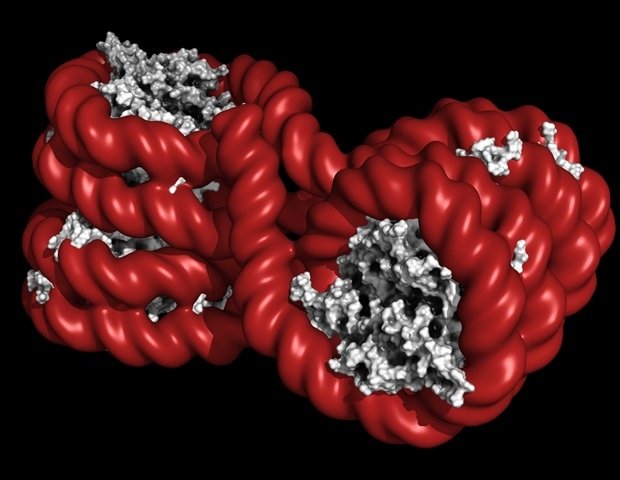
A single exposure to a toxic fungicide during pregnancy can increase the risk of disease for 20 subsequent generations – with inherited health problems worsening many generations after exposure.

Those are the findings of a new University of Washington study in rats that expands understanding of how long the transgenerational effects of toxic exposure can last, as they are transmitted through changes in reproductive cells. The study, published this week in Proceedings of the National Academy of Scienceswas written by WSU biologist Michael Skinner, who has been studying this “epigenetic transgenerational inheritance” of disease for two decades.

The research has implications for deciphering the increasing rates of disease among humans, Skinner said, suggesting that the reason someone has cancer today may be due to an ancestor’s exposure to toxins decades earlier. On the other hand, epigenetic research has also revealed potential treatments by identifying measurable biomarkers for disease that could ultimately drive preventive treatments.

This study actually says that this is not going to go away. We have to do something about it. We can use epigenetics to move us away from reactive medicine and toward preventive medicine.”


Michael Skinner, professor in the School of Biological Sciences and founding director of the Center for Reproductive Biology

Skinner first identified epigenetic inheritance of the disease in 2005 and has since published dozens of papers. The effects are transmitted through changes in sperm and eggs – the germline – and previous studies have shown that the incidence of inherited disease may be higher than that resulting from direct exposure to toxins.

“Essentially, when a gestating female is exposed, the fetus is exposed,” he said. “And then the germline within the embryo is also exposed. From that exposure, the offspring will have potential effects of the exposure, and the great offspring, and so on. Once it’s programmed into the germline, it’s as stable as a genetic mutation.”

Recently, Skinner’s lab sought to determine how long these effects last and whether disease risk changes over generations.

In a study published late last year, Skinner’s team examined 10 generations of rats after an initial exposure to vinclozolin, a fungicide used primarily in fruit crops to control mold, mildew and rot. The increased prevalence of the disease persisted in these generations.

The current paper, published in Proceedings of the National Academy of Sciencesdoubled the number of generations studied, showing similar persistence of the disease in the kidneys, prostate, testes and ovaries, as well as other health effects. Furthermore, from later generations, mothers and offspring began to die in large numbers during the birth process.

“The presence of the disease remained almost the same, but around 15u generation, what we started to see was an increased disease state,” Skinner said. “By the 16th, 17th, 18th generation, the disease became very apparent and we started seeing abnormalities in the birth process. Either the mother would die, or all the puppies would die, so it was a really lethal kind of pathology.”

Skinner said he reduced the dose of the toxin conservatively, to a level below what the average person can consume in their diet.

The paper was authored by Eric Nilsson, Research Professor in the School of Biological Sciences. Alexandra A. Korolenko, a former graduate student and now a postdoctoral researcher at Texas Tech University, who was the lead author. and Sarah De Santos, an undergraduate research assistant in the Skinner lab.

Skinner said epigenetic disease inheritance could explain rising rates of chronic disease in humans, an increase that paralleled the increasing use of pesticides, fungicides and other environmental chemicals in agriculture and other industries. More than three-quarters of Americans now deal with a chronic disease, such as heart disease, cancer or arthritis, and more than half have two diseases, according to the US Centers for Disease Control.

Research by Skinner and others has found epigenetic alterations in human germ lines that correspond to studies in mammals and the increased incidence of disease in humans with transgenerational effects found in animal studies.

The scale of the time period involved is daunting. Twenty generations in rat populations cover a few years. in humans, it’s more like 500. With such a long time between potential cause and effect, how could the effects of exposures be mitigated?

Skinner pointed to another product of epigenetic research as a possible answer: the discovery of epigenetic biomarkers that predict susceptibility to specific diseases. Developing the use of epigenetic biomarkers to promote preventive therapies in humans could provide a valuable strategy to offset long-term effects.

“In humans, we actually have epigenetic biomarkers for about 10 different disease susceptibilities,” he said. “It’s not saying you have the disease now, it’s saying 20 years from now, you will potentially have the disease. There are a whole host of preventive medical approaches that can be taken before the disease develops to delay or prevent the onset of the disease.”

Source:

University of Washington

Journal Reference:

Korolenko, AA, et al. (2026). Stability of the epigenetic transgenerational inheritance of adult-onset disease and birth defects. Proceedings of the National Academy of Sciences. DOI: 10.1073/pnas.2523071123.

disease exposure fungicide Generations linked Prenatal single
bhanuprakash.cg
healthtost
  • Website

Related Posts

The use of electric bicycles and scooters causes an increase in brain injuries

April 15, 2026

ORGAPRED Selects CYTOQUBE® from Hamamatsu Photonics for Personalized Oncology Research and Therapeutic Discovery

April 15, 2026

Personal and Professional considerations between generations

April 15, 2026

Leave A Reply Cancel Reply

Don't Miss
News

The use of electric bicycles and scooters causes an increase in brain injuries

By healthtostApril 15, 20260

The growing use of electric bikes and scooters has caused an increase in brain and…

New developments in screening for osteoporosis and osteopenia

April 15, 2026

Fact or Fiction? 12 skincare myths, busted

April 15, 2026

Judicial reform is the only real way out of today’s political hell

April 15, 2026
Stay In Touch
  • Facebook
  • Twitter
  • Pinterest
  • Instagram
  • YouTube
  • Vimeo
TAGS
Baby benefits body brain cancer care Day Diet disease exercise finds Fitness food Guide health healthy heart Improve Life Loss Men mental Natural Nutrition Patients People Pregnancy research reveals risk routine sex sexual Skin Skincare study Therapy Tips Top Training Treatment ways weight women Workout
About Us
About Us

Welcome to HealthTost, your trusted source for breaking health news, expert insights, and wellness inspiration. At HealthTost, we are committed to delivering accurate, timely, and empowering information to help you make informed decisions about your health and well-being.

Latest Articles

The use of electric bicycles and scooters causes an increase in brain injuries

April 15, 2026

New developments in screening for osteoporosis and osteopenia

April 15, 2026

Fact or Fiction? 12 skincare myths, busted

April 15, 2026
New Comments
    Facebook X (Twitter) Instagram Pinterest
    • About Us
    • Contact Us
    • Privacy Policy
    • Terms and Conditions
    • Disclaimer
    © 2026 HealthTost. All Rights Reserved.

    Type above and press Enter to search. Press Esc to cancel.